
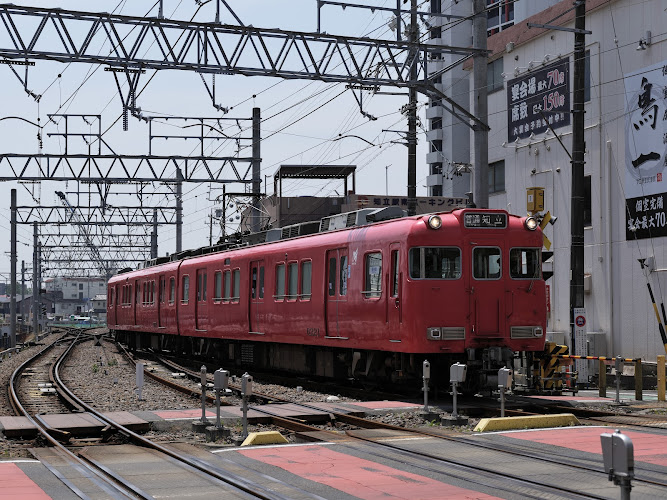
Chiryū Station
About Chiryū Station
Description
Chiryū Station stands as a major transit hub along the Tōkaidō Main Line, serving as a crucial connection point for both locals and travelers exploring Aichi Prefecture. I've passed through here countless times and can tell you it's actually quite well-maintained compared to many similar-sized stations I've encountered across Japan. The station's modern architectural design, with its impressive viaduct structure, makes it easy to spot from a distance.Key Features
• Fully accessible facilities with elevator access and wheelchair-friendly restrooms (seriously, this is a game-changer - I remember struggling at other stations with luggage before) • Spacious waiting areas with comfortable seating • Clean, well-maintained public restrooms • 24/7 transit operations perfect for early morning or late-night travel • Paid parking facilities ideal for park-and-ride commuters • Clear signage in both Japanese and English • Several convenience stores and small shops within the station complex • Electronic display boards showing real-time train arrival information • Covered platforms protecting travelers from rain and sunBest Time to Visit
Having spent considerable time here during different seasons, I'd say the most comfortable months to travel through Chiryū Station are March through May and October through November. These periods offer pleasant temperatures and fewer crowds. Try to avoid rush hours (7:30-9:00 AM and 5:00-7:00 PM) if possible - trust me, it gets pretty hectic! Early afternoon tends to be the sweet spot for a more relaxed experience.How to Get There
The station serves as a stop on the Tōkaidō Main Line, making it easily accessible from major cities. If you're coming from Nagoya, you'll reach Chiryū in about 25 minutes on a regular train. From Tokyo, take the Shinkansen to Nagoya and transfer to a local train. But here's a pro tip I learned the hard way: make sure to check if you're on a local or rapid train, as not all trains stop at Chiryū. The station's central location means you can reach it by local bus services too, and there's that convenient paid parking lot if you're driving.Tips for Visiting
Look, I've made pretty much every rookie mistake possible at Japanese stations, so let me save you some hassle. First off, grab an IC card if you're planning multiple trips - it'll save you time fumbling with ticket machines. The station gets especially busy during local festivals and holidays, so plan ahead during these times. Keep small change handy for the lockers - they're super useful if you need to store bags while exploring the area. The station staff are actually quite helpful if you need directions, though having a translation app ready on your phone won't hurt. During summer months, the station can get pretty warm, so carry a water bottle - you can refill it at the drinking fountains near the restrooms. And speaking of seasons, the station's covered walkways are a blessing during Japan's rainy season, which usually hits around June. Oh, and one last thing I learned from experience: if you're planning to use the paid parking, arrive early on weekdays as spots fill up quick with commuters. The first time I tried parking here around 9 AM, I had to circle around for ages before finding a spot!Key Features
- Key Features
- Best Time to Visit
- How to Get There
- Tips for Visiting
More Details
Updated June 24, 2025
Table of Contents
Description
Chiryū Station stands as a major transit hub along the Tōkaidō Main Line, serving as a crucial connection point for both locals and travelers exploring Aichi Prefecture. I’ve passed through here countless times and can tell you it’s actually quite well-maintained compared to many similar-sized stations I’ve encountered across Japan. The station’s modern architectural design, with its impressive viaduct structure, makes it easy to spot from a distance.
Key Features
• Fully accessible facilities with elevator access and wheelchair-friendly restrooms (seriously, this is a game-changer – I remember struggling at other stations with luggage before)
• Spacious waiting areas with comfortable seating
• Clean, well-maintained public restrooms
• 24/7 transit operations perfect for early morning or late-night travel
• Paid parking facilities ideal for park-and-ride commuters
• Clear signage in both Japanese and English
• Several convenience stores and small shops within the station complex
• Electronic display boards showing real-time train arrival information
• Covered platforms protecting travelers from rain and sun
Best Time to Visit
Having spent considerable time here during different seasons, I’d say the most comfortable months to travel through Chiryū Station are March through May and October through November. These periods offer pleasant temperatures and fewer crowds. Try to avoid rush hours (7:30-9:00 AM and 5:00-7:00 PM) if possible – trust me, it gets pretty hectic! Early afternoon tends to be the sweet spot for a more relaxed experience.
How to Get There
The station serves as a stop on the Tōkaidō Main Line, making it easily accessible from major cities. If you’re coming from Nagoya, you’ll reach Chiryū in about 25 minutes on a regular train. From Tokyo, take the Shinkansen to Nagoya and transfer to a local train. But here’s a pro tip I learned the hard way: make sure to check if you’re on a local or rapid train, as not all trains stop at Chiryū. The station’s central location means you can reach it by local bus services too, and there’s that convenient paid parking lot if you’re driving.
Tips for Visiting
Look, I’ve made pretty much every rookie mistake possible at Japanese stations, so let me save you some hassle. First off, grab an IC card if you’re planning multiple trips – it’ll save you time fumbling with ticket machines. The station gets especially busy during local festivals and holidays, so plan ahead during these times.
Keep small change handy for the lockers – they’re super useful if you need to store bags while exploring the area. The station staff are actually quite helpful if you need directions, though having a translation app ready on your phone won’t hurt.
During summer months, the station can get pretty warm, so carry a water bottle – you can refill it at the drinking fountains near the restrooms. And speaking of seasons, the station’s covered walkways are a blessing during Japan’s rainy season, which usually hits around June.
Oh, and one last thing I learned from experience: if you’re planning to use the paid parking, arrive early on weekdays as spots fill up quick with commuters. The first time I tried parking here around 9 AM, I had to circle around for ages before finding a spot!
Key Highlights
- Key Features
- Best Time to Visit
- How to Get There
- Tips for Visiting
Location
Places to Stay Near Chiryū Station
Find and Book a Tour
Explore More Travel Guides
No reviews found! Be the first to review!
Traveler Reviews for Chiryū Station
There are no reviews yet. Be the first one to write one.
Have you visited Chiryū Station? Help other travelers by sharing your review.
You Might Also Like
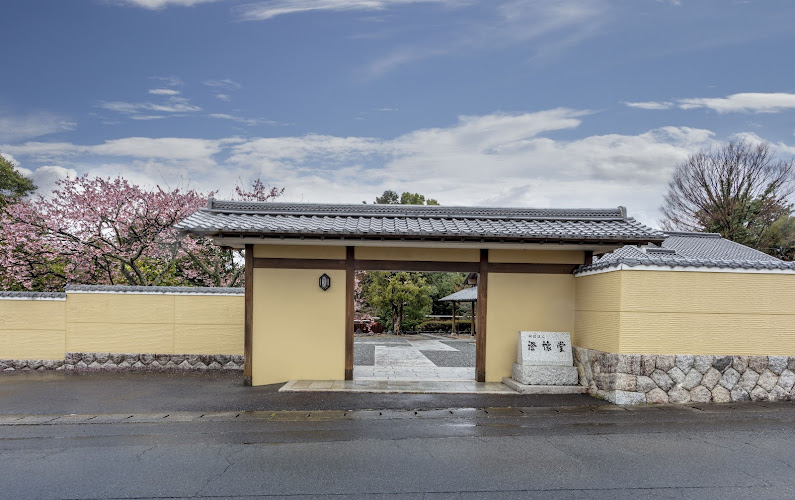
Chokaido Museum

Kirin Statue
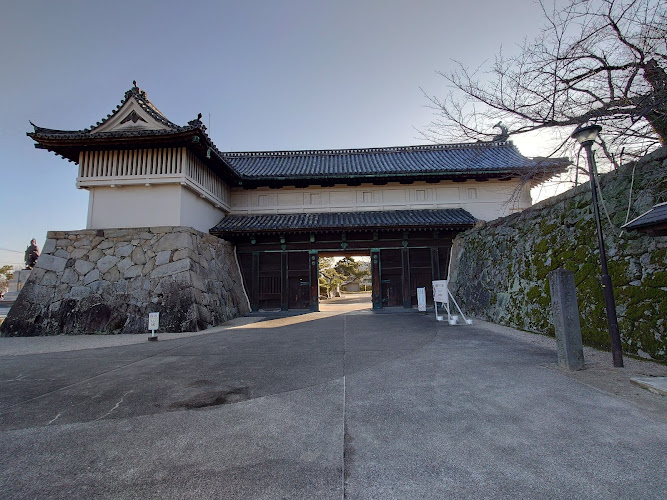
Saga Castle History Museum
Find Accommodations Nearby
Recommended Tours & Activities
Visitor Reviews
There are no reviews yet. Be the first one to write one.
Share Your Experience
Have you visited Chiryū Station? Help other travelers by leaving a review.