
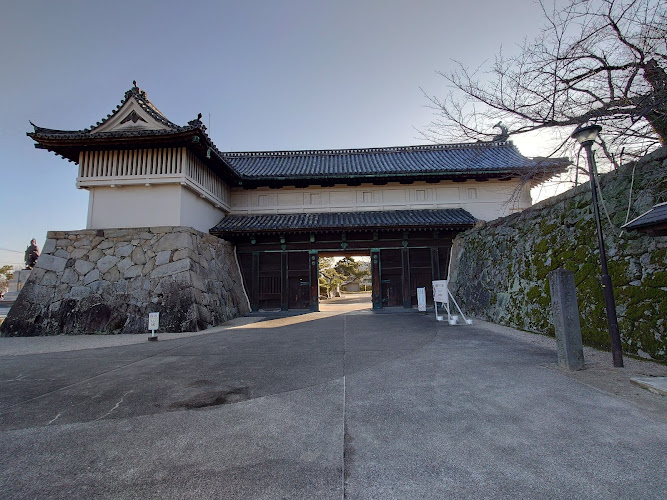
Saga Castle History Museum
About Saga Castle History Museum
Description
The Saga Castle History Museum is one of those places that quietly surprises you. At first glance, it looks like just another castle reconstruction, but once you step inside, you realize it’s far more than that. The museum is housed in a faithful reconstruction of the 1838 main keep of Saga Castle, one of the largest wooden reconstructions of its kind in Japan. The building itself feels like a living artifact, with wide tatami rooms, sliding screens, and the faint scent of wood that instantly transports you back to the Edo period.
What makes this museum stand out is the way it blends traditional architecture with interactive storytelling. You’ll find detailed maps, scale models, and hands-on exhibits that explain not only the history of Saga Castle but also the broader role Saga played in Japan’s modernization. It’s not a flashy, high-tech museum, but that’s part of its charm. The experience feels grounded and authentic, like you’re walking through history rather than just reading about it.
I’ll be honest, not every corner of the museum will blow your mind. Some displays are fairly simple, and if you’re the type who craves cutting-edge multimedia, you might find it a little understated. But if you’re like me and enjoy slowing down, touching the tatami mats, and imagining what life was like for the samurai and lords who once walked these halls, you’ll probably find yourself staying longer than expected. Families with kids will appreciate the hands-on sections, and history buffs will love the depth of information. And yes, it’s fully accessible, so visitors with mobility challenges can explore comfortably.
Key Features
- Reconstruction of the 1838 Saga Castle main keep, one of Japan’s largest wooden reconstructions
- Expansive tatami rooms and traditional architecture offering an authentic Edo-period atmosphere
- Detailed maps and scale models illustrating the castle’s history and Saga’s role in Japan’s modernization
- Hands-on exhibits that engage children and adults alike
- Wheelchair accessible entrances, restrooms, and parking
- Restrooms available onsite, though no restaurant facilities inside
- Educational insights into Yamamoto Tsunetomo, author of Hagakure, who once worked at Saga Castle
Best Time to Visit
If you ask me, the best time to visit the Saga Castle History Museum is during spring or autumn. In spring, the cherry blossoms around the castle grounds create a stunning backdrop, and in autumn the crisp air makes wandering through the wooden halls even more enjoyable. Summer can be hot and humid, and because the museum is built in traditional style, you’ll feel the heat more than in a modern air-conditioned building. Winter has its own charm, though—the wooden interiors feel cozy, and the castle grounds are beautifully quiet. If you’re someone who likes fewer crowds, weekdays are a safe bet, especially in the mornings.
How to Get There
The museum sits right in the city of Saga, making it fairly easy to reach. From Saga Station, it’s a short bus or taxi ride, and if you’re up for it, you can even walk in about 20–25 minutes. The walk is flat and straightforward, passing through local streets that give you a peek at everyday life in Saga. For drivers, there’s parking available, including accessible spaces. I once made the mistake of trying to find it without a map, thinking I’d just “spot the castle” from afar—turns out, Saga’s landscape is pretty flat, so don’t count on the castle magically appearing on the horizon. A little pre-planning goes a long way.
Tips for Visiting
Here are a few things I’ve learned (sometimes the hard way) that might help you make the most of your visit:
- Wear socks you don’t mind showing off. You’ll need to take your shoes off inside, and yes, people will notice those socks.
- Take your time in the main hall. It’s easy to breeze through, but pausing to sit on the tatami and soak up the atmosphere is worth it.
- Bring water or snacks. There’s no restaurant inside, so plan ahead if you’re the type who gets hungry mid-visit.
- Check for seasonal events. Occasionally, the museum hosts special exhibitions or cultural programs that add an extra layer to the experience.
- Go with curiosity, not just a checklist. This isn’t a place to rush through. The more you lean into the details, the more rewarding it becomes.
And one last thing—don’t forget to look out the windows. The views of the castle grounds framed by wooden lattices are simple but beautiful, and for me, those quiet moments ended up being the highlight of the visit.
Key Features
- Reconstruction of the 1838 Saga Castle main keep, one of Japan’s largest wooden reconstructions
- Expansive tatami rooms and traditional architecture offering an authentic Edo-period atmosphere
- Detailed maps and scale models illustrating the castle’s history and Saga’s role in Japan’s modernization
- Hands-on exhibits that engage children and adults alike
- Wheelchair accessible entrances, restrooms, and parking
- Restrooms available onsite, though no restaurant facilities inside
- Educational insights into Yamamoto Tsunetomo, author of Hagakure, who once worked at Saga Castle
More Details
Updated September 10, 2025
Table of Contents
Description
The Saga Castle History Museum is one of those places that quietly surprises you. At first glance, it looks like just another castle reconstruction, but once you step inside, you realize it’s far more than that. The museum is housed in a faithful reconstruction of the 1838 main keep of Saga Castle, one of the largest wooden reconstructions of its kind in Japan. The building itself feels like a living artifact, with wide tatami rooms, sliding screens, and the faint scent of wood that instantly transports you back to the Edo period.
What makes this museum stand out is the way it blends traditional architecture with interactive storytelling. You’ll find detailed maps, scale models, and hands-on exhibits that explain not only the history of Saga Castle but also the broader role Saga played in Japan’s modernization. It’s not a flashy, high-tech museum, but that’s part of its charm. The experience feels grounded and authentic, like you’re walking through history rather than just reading about it.
I’ll be honest, not every corner of the museum will blow your mind. Some displays are fairly simple, and if you’re the type who craves cutting-edge multimedia, you might find it a little understated. But if you’re like me and enjoy slowing down, touching the tatami mats, and imagining what life was like for the samurai and lords who once walked these halls, you’ll probably find yourself staying longer than expected. Families with kids will appreciate the hands-on sections, and history buffs will love the depth of information. And yes, it’s fully accessible, so visitors with mobility challenges can explore comfortably.
Key Features
- Reconstruction of the 1838 Saga Castle main keep, one of Japan’s largest wooden reconstructions
- Expansive tatami rooms and traditional architecture offering an authentic Edo-period atmosphere
- Detailed maps and scale models illustrating the castle’s history and Saga’s role in Japan’s modernization
- Hands-on exhibits that engage children and adults alike
- Wheelchair accessible entrances, restrooms, and parking
- Restrooms available onsite, though no restaurant facilities inside
- Educational insights into Yamamoto Tsunetomo, author of Hagakure, who once worked at Saga Castle
Best Time to Visit
If you ask me, the best time to visit the Saga Castle History Museum is during spring or autumn. In spring, the cherry blossoms around the castle grounds create a stunning backdrop, and in autumn the crisp air makes wandering through the wooden halls even more enjoyable. Summer can be hot and humid, and because the museum is built in traditional style, you’ll feel the heat more than in a modern air-conditioned building. Winter has its own charm, though—the wooden interiors feel cozy, and the castle grounds are beautifully quiet. If you’re someone who likes fewer crowds, weekdays are a safe bet, especially in the mornings.
How to Get There
The museum sits right in the city of Saga, making it fairly easy to reach. From Saga Station, it’s a short bus or taxi ride, and if you’re up for it, you can even walk in about 20–25 minutes. The walk is flat and straightforward, passing through local streets that give you a peek at everyday life in Saga. For drivers, there’s parking available, including accessible spaces. I once made the mistake of trying to find it without a map, thinking I’d just “spot the castle” from afar—turns out, Saga’s landscape is pretty flat, so don’t count on the castle magically appearing on the horizon. A little pre-planning goes a long way.
Tips for Visiting
Here are a few things I’ve learned (sometimes the hard way) that might help you make the most of your visit:
- Wear socks you don’t mind showing off. You’ll need to take your shoes off inside, and yes, people will notice those socks.
- Take your time in the main hall. It’s easy to breeze through, but pausing to sit on the tatami and soak up the atmosphere is worth it.
- Bring water or snacks. There’s no restaurant inside, so plan ahead if you’re the type who gets hungry mid-visit.
- Check for seasonal events. Occasionally, the museum hosts special exhibitions or cultural programs that add an extra layer to the experience.
- Go with curiosity, not just a checklist. This isn’t a place to rush through. The more you lean into the details, the more rewarding it becomes.
And one last thing—don’t forget to look out the windows. The views of the castle grounds framed by wooden lattices are simple but beautiful, and for me, those quiet moments ended up being the highlight of the visit.
Key Highlights
- Reconstruction of the 1838 Saga Castle main keep, one of Japan’s largest wooden reconstructions
- Expansive tatami rooms and traditional architecture offering an authentic Edo-period atmosphere
- Detailed maps and scale models illustrating the castle’s history and Saga’s role in Japan’s modernization
- Hands-on exhibits that engage children and adults alike
- Wheelchair accessible entrances, restrooms, and parking
- Restrooms available onsite, though no restaurant facilities inside
- Educational insights into Yamamoto Tsunetomo, author of Hagakure, who once worked at Saga Castle
Location
Places to Stay Near Saga Castle History Museum
Find and Book a Tour
Explore More Travel Guides
No reviews found! Be the first to review!
Traveler Reviews for Saga Castle History Museum
There are no reviews yet. Be the first one to write one.
Have you visited Saga Castle History Museum? Help other travelers by sharing your review.
You Might Also Like
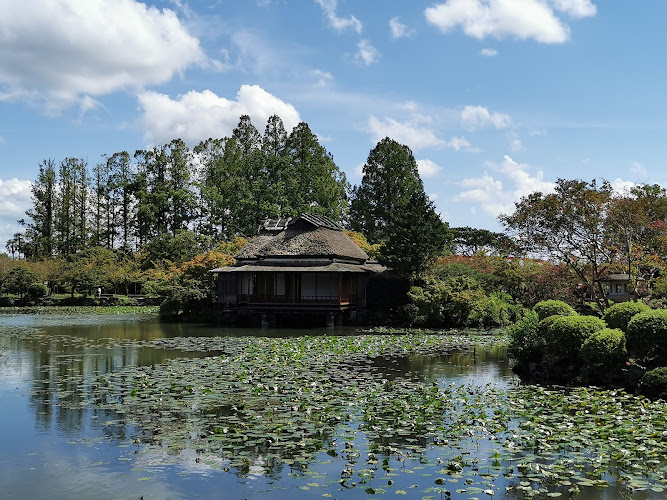
Kouno park
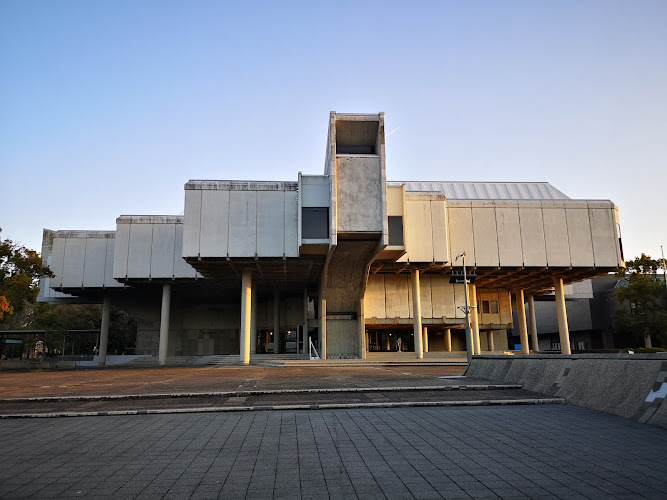
Saga Prefectural Art Museum
Koudenji Temple
Find Accommodations Nearby
Recommended Tours & Activities
Visitor Reviews
There are no reviews yet. Be the first one to write one.
Share Your Experience
Have you visited Saga Castle History Museum? Help other travelers by leaving a review.