
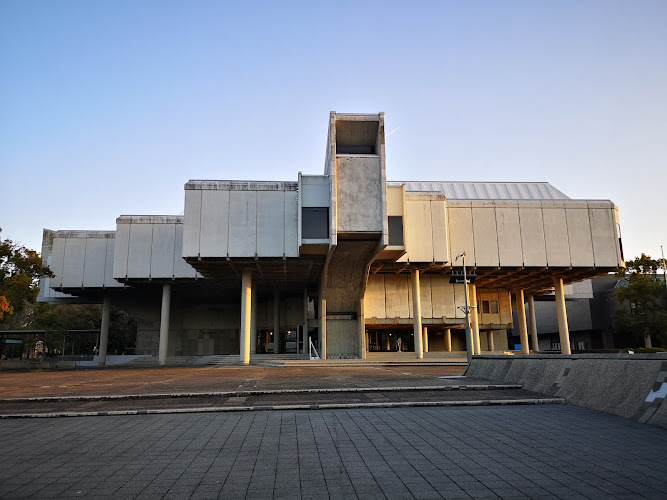
Saga Prefectural Art Museum
About Saga Prefectural Art Museum
Description
The Saga Prefectural Art Museum presents itself as a cleareyed, modern museum that champions both contemporary art and the cultural threads of Saga prefecture. Visitors will find paintings and sculptures arrayed with calm intention, galleries that welcome lingering, and a program of cultural events that ties the collections to the local ceramic tradition, history, and creative communities across Kyushu. This is not a pompous institution trying to impress with size alone. Instead, it feels like a thoughtful regional museum that takes pride in its holdings and in connecting those holdings to the people who make Saga what it is.
Architecturally the museum is restrained and approachable. The circulation is easy to follow, which matters more than many guidebooks admit — there is nothing worse than getting lost between galleries when one has limited time. The main exhibition rooms alternate between natural light and controlled gallery lighting, a practical touch that helps sculptures look dimensional and paintings reveal their subtle textures. People often mention they came for a show and stayed for the quieter rooms where local artists and historical pieces sit side by side. It creates an interesting, sometimes surprising conversation between modern practice and ceramic legacy that Saga is famous for.
At the heart of the visitor experience are the museum’s rotating exhibitions and the steady presence of works that reflect Saga’s artistic dialogues. The core collection leans toward modern Japanese painting and three-dimensional work, but do not be misled — ceramics, especially references to Arita, Imari, and Nabeshima styles, appear frequently in displays, thematic exhibitions, and educational programming. The museum uses its platform to highlight local technique and design while bringing in contemporary voices from across Japan. That balance makes it appealing for both art specialists and travelers who are simply curious about regional craft traditions.
The museum’s programming deserves a special nod. There are workshops, gallery talks, and family-friendly events that actually feel planned with imagination instead of obligation. A family who stopped here on a wet afternoon, for example, might find a kids’ clay-handling session running in the education room while a curator-led talk explores the influences of porcelain trade routes on local painters. The writer remembers tagging along with a niece and being surprised at how engaged the room was — not just the kids, but grandparents too. It’s one of those places where generations intersect around making and looking, and that kind of scene sticks in the memory.
Visitors who care about accessibility will be relieved. The museum has wheelchair-accessible entrances, restrooms, and parking, and staff are generally helpful with seating requests or mobility needs. There is an on-site parking lot and it is free, which is a small but meaningful convenience when traveling around Saga by car. Families will appreciate that the facility provides changing tables and other family-friendly amenities, and the museum restaurant offers a welcome pause between galleries. The restaurant isn’t trying to be haute cuisine, but it serves dependable food — the kind that makes a mid-visit refuel feel like part of an art day rather than an interruption.
What many guidebooks gloss over is the museum’s relationship with local ceramic towns. Saga is synonymous with porcelain traditions and the museum acts as a kind of bridge between the contemporary artist and the potter in Arita or Imari. You will often see exhibitions that feature ceramics alongside paintings to show technique, glaze, or motif crossovers. As an aside: if one comes with a slight obsession for porcelain — as this writer once did — it’s easy to spend a half-day tracing patterns and comparing brushwork between a plate and a canvas. Curators sometimes organize sessions where local potters demonstrate throwing and glazing. Those sessions are intimate and candid; you’ll get questions answered you hadn’t even thought to ask.
Expect clarity in interpretation and decent English signage in the main exhibitions, though not every program will have full translations. The staff can usually help with basic directions and a bit of context, and the museum occasionally publishes bilingual guides for major shows. For travelers whose Japanese is limited: plan ahead for workshops or lectures, as those often require reservations and may be conducted in Japanese. But again, the museum makes an effort to be visitor-friendly; it’s the kind of place where a shy visitor asking politely will often end up with the courtesy of a quick, helpful explanation.
For art lovers looking for something a little off the beaten path, the permanent collection and archival displays reveal interesting strands of regional history. There are works that explore Saga’s social past, relationships to the sea, and the shift from feudal craft economies to modern artistic networks. These historical anchors enrich the contemporary displays and help travelers understand why Saga’s ceramics and design sensibilities still matter today. If a visitor has a couple of hours, allocate time for both permanent and temporary exhibitions; each sheds light on the other.
The museum shop is modest but worthwhile. It specializes in publications, exhibition catalogs, and select ceramic pieces from regional artisans. This is not mass-produced souvenir clutter. Instead, the items tend to be curated choices — small prints, study catalogs with scholarly essays, and a handful of ceramics that reflect the styles on show. The writer once bought a simple plate there and still uses it at home — true story — and every time it appears at the table it sparks a small conversation about the trip to Saga.
In terms of crowd management the museum is usually calm, though special exhibitions can draw more visitors from across Kyushu and farther afield. Weekends are predictably busier, of course, and school holidays bring local families. But the general flow is relaxed: people take time with sculptures and paintings, and there’s a feeling that the museum encourages thoughtful looking rather than rushed snapshots. Photographers should note that restrictions vary by exhibition — some temporary shows do not allow photography, others permit it without flash. Always check signage or ask staff if in doubt.
Finally, the museum sits within a context of other cultural sites in Saga city. It’s an easy cultural stop amid castle ruins, ceramic studios, and riverside promenades, which means it fits well into a day of diverse sightseeing. Visitors who combine a museum visit with an afternoon at a nearby kiln town or a stroll through the historic quarters tend to come away with a richer sense of why Saga’s artistic heritage remains relevant. That interplay of city, craft, and contemporary art is one of the museum’s subtle strengths — it does not feel isolated as an institution but rather part of a living, regional story.
All told, the Saga Prefectural Art Museum feels honest and purposeful. It doesn’t shout, and it doesn’t need to. For travelers who appreciate modern Japanese art with a regional heartbeat, or for anyone curious about the connections between painting, sculpture, and Saga’s famed ceramic traditions, this museum is a compact but generous stop. And if the visitor leaves wanting more — more exhibitions, more workshops, more conversations — that is a very good sign that the museum did its job well.
Key Features
More Details
Updated August 30, 2025
Table of Contents
Description
The Saga Prefectural Art Museum presents itself as a cleareyed, modern museum that champions both contemporary art and the cultural threads of Saga prefecture. Visitors will find paintings and sculptures arrayed with calm intention, galleries that welcome lingering, and a program of cultural events that ties the collections to the local ceramic tradition, history, and creative communities across Kyushu. This is not a pompous institution trying to impress with size alone. Instead, it feels like a thoughtful regional museum that takes pride in its holdings and in connecting those holdings to the people who make Saga what it is.
Architecturally the museum is restrained and approachable. The circulation is easy to follow, which matters more than many guidebooks admit — there is nothing worse than getting lost between galleries when one has limited time. The main exhibition rooms alternate between natural light and controlled gallery lighting, a practical touch that helps sculptures look dimensional and paintings reveal their subtle textures. People often mention they came for a show and stayed for the quieter rooms where local artists and historical pieces sit side by side. It creates an interesting, sometimes surprising conversation between modern practice and ceramic legacy that Saga is famous for.
At the heart of the visitor experience are the museum’s rotating exhibitions and the steady presence of works that reflect Saga’s artistic dialogues. The core collection leans toward modern Japanese painting and three-dimensional work, but do not be misled — ceramics, especially references to Arita, Imari, and Nabeshima styles, appear frequently in displays, thematic exhibitions, and educational programming. The museum uses its platform to highlight local technique and design while bringing in contemporary voices from across Japan. That balance makes it appealing for both art specialists and travelers who are simply curious about regional craft traditions.
The museum’s programming deserves a special nod. There are workshops, gallery talks, and family-friendly events that actually feel planned with imagination instead of obligation. A family who stopped here on a wet afternoon, for example, might find a kids’ clay-handling session running in the education room while a curator-led talk explores the influences of porcelain trade routes on local painters. The writer remembers tagging along with a niece and being surprised at how engaged the room was — not just the kids, but grandparents too. It’s one of those places where generations intersect around making and looking, and that kind of scene sticks in the memory.
Visitors who care about accessibility will be relieved. The museum has wheelchair-accessible entrances, restrooms, and parking, and staff are generally helpful with seating requests or mobility needs. There is an on-site parking lot and it is free, which is a small but meaningful convenience when traveling around Saga by car. Families will appreciate that the facility provides changing tables and other family-friendly amenities, and the museum restaurant offers a welcome pause between galleries. The restaurant isn’t trying to be haute cuisine, but it serves dependable food — the kind that makes a mid-visit refuel feel like part of an art day rather than an interruption.
What many guidebooks gloss over is the museum’s relationship with local ceramic towns. Saga is synonymous with porcelain traditions and the museum acts as a kind of bridge between the contemporary artist and the potter in Arita or Imari. You will often see exhibitions that feature ceramics alongside paintings to show technique, glaze, or motif crossovers. As an aside: if one comes with a slight obsession for porcelain — as this writer once did — it’s easy to spend a half-day tracing patterns and comparing brushwork between a plate and a canvas. Curators sometimes organize sessions where local potters demonstrate throwing and glazing. Those sessions are intimate and candid; you’ll get questions answered you hadn’t even thought to ask.
Expect clarity in interpretation and decent English signage in the main exhibitions, though not every program will have full translations. The staff can usually help with basic directions and a bit of context, and the museum occasionally publishes bilingual guides for major shows. For travelers whose Japanese is limited: plan ahead for workshops or lectures, as those often require reservations and may be conducted in Japanese. But again, the museum makes an effort to be visitor-friendly; it’s the kind of place where a shy visitor asking politely will often end up with the courtesy of a quick, helpful explanation.
For art lovers looking for something a little off the beaten path, the permanent collection and archival displays reveal interesting strands of regional history. There are works that explore Saga’s social past, relationships to the sea, and the shift from feudal craft economies to modern artistic networks. These historical anchors enrich the contemporary displays and help travelers understand why Saga’s ceramics and design sensibilities still matter today. If a visitor has a couple of hours, allocate time for both permanent and temporary exhibitions; each sheds light on the other.
The museum shop is modest but worthwhile. It specializes in publications, exhibition catalogs, and select ceramic pieces from regional artisans. This is not mass-produced souvenir clutter. Instead, the items tend to be curated choices — small prints, study catalogs with scholarly essays, and a handful of ceramics that reflect the styles on show. The writer once bought a simple plate there and still uses it at home — true story — and every time it appears at the table it sparks a small conversation about the trip to Saga.
In terms of crowd management the museum is usually calm, though special exhibitions can draw more visitors from across Kyushu and farther afield. Weekends are predictably busier, of course, and school holidays bring local families. But the general flow is relaxed: people take time with sculptures and paintings, and there’s a feeling that the museum encourages thoughtful looking rather than rushed snapshots. Photographers should note that restrictions vary by exhibition — some temporary shows do not allow photography, others permit it without flash. Always check signage or ask staff if in doubt.
Finally, the museum sits within a context of other cultural sites in Saga city. It’s an easy cultural stop amid castle ruins, ceramic studios, and riverside promenades, which means it fits well into a day of diverse sightseeing. Visitors who combine a museum visit with an afternoon at a nearby kiln town or a stroll through the historic quarters tend to come away with a richer sense of why Saga’s artistic heritage remains relevant. That interplay of city, craft, and contemporary art is one of the museum’s subtle strengths — it does not feel isolated as an institution but rather part of a living, regional story.
All told, the Saga Prefectural Art Museum feels honest and purposeful. It doesn’t shout, and it doesn’t need to. For travelers who appreciate modern Japanese art with a regional heartbeat, or for anyone curious about the connections between painting, sculpture, and Saga’s famed ceramic traditions, this museum is a compact but generous stop. And if the visitor leaves wanting more — more exhibitions, more workshops, more conversations — that is a very good sign that the museum did its job well.
Key Highlights
Saga Prefectural Art Museum
Location
Places to Stay Near Saga Prefectural Art Museum
Find and Book a Tour
Explore More Travel Guides
No reviews found! Be the first to review!
Traveler Reviews for Saga Prefectural Art Museum
There are no reviews yet. Be the first one to write one.
Have you visited Saga Prefectural Art Museum? Help other travelers by sharing your review.
You Might Also Like

Saga Shrine
Koudenji Temple
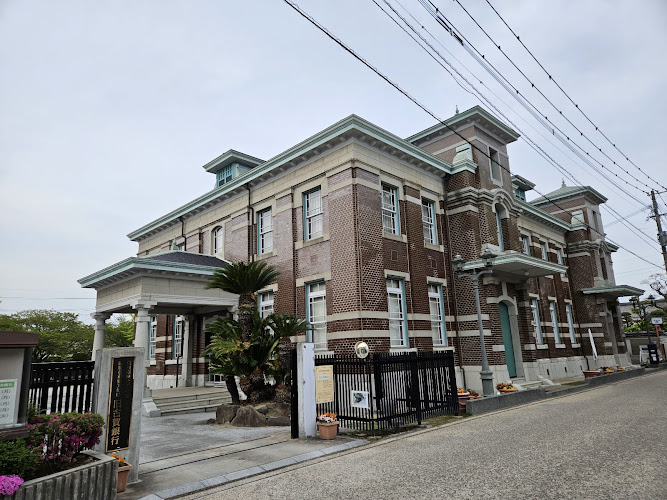
Former Koga Bank (Saga City Cultural Museum)
Find Accommodations Nearby
Recommended Tours & Activities
Visitor Reviews
There are no reviews yet. Be the first one to write one.
Share Your Experience
Have you visited Saga Prefectural Art Museum? Help other travelers by leaving a review.