
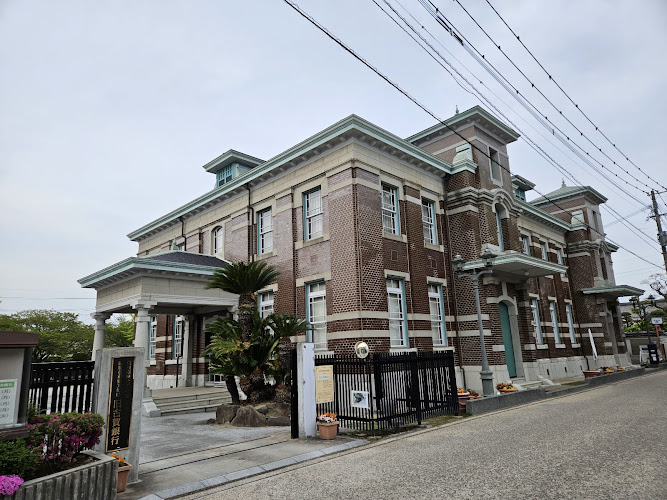
Former Koga Bank (Saga City Cultural Museum)
About Former Koga Bank (Saga City Cultural Museum)
Description
The Former Koga Bank, now operating as the Saga City Cultural Museum, stands out in Saga as a curious and charming piece of local history that doubles as a gentle lesson in architectural recycling. Originally built as a bank, the stone-and-timber facade still whispers of ledgers, vaults, and late-Edo to early-modern commerce. Today it houses exhibitions that trace Saga city history, folklore, and local crafts, and it does so with a kind of modest pride; the place does not shout, it shows—quietly and effectively. For visitors who like buildings that have personalities, this one has a face that keeps its stories close but invites you in for tea and explanation.
The museum sits in the Yanagimachi neighborhood, a short walk from Saga’s central attractions, making it easy to combine with a stroll through the castle town area or a visit to the larger Saga Prefectural Museum. People who love historical buildings will linger over the details: heavy wooden beams, preserved vault rooms, original counters and brass fixtures. Architecture buffs often note how the bank’s design blends Western bank-building influences with local Japanese construction techniques. It’s a practical, hands-on demonstration of how Saga adapted to new economic eras, and that angle tends to turn a casual stop into a proper historical curiosity.
Inside, the exhibition rooms are compact but thoughtfully curated. The museum’s collection focuses on Saga’s civic and economic history, including items that illuminate daily life, trade, and regional crafts. There are panels and dioramas, and sometimes small rotating displays that spotlight local artisans or seasonal traditions. The curators seem to prefer depth over breadth, so expect concentrated, well-presented themes rather than sprawling galleries. That means a visitor can actually absorb the material in a single visit without being overwhelmed. And honestly, that’s refreshing. Not every museum needs to be a marathon.
One particularly pleasant surprise is the museum’s use of the former bank vaults. Where vaults once secured money and documents, they now host small exhibitions and multimedia displays. The contrast—the cold, iron-clad vault turned into a warm storytelling nook—gives the place a theatrical little twist. It’s the sort of detail that will make a history nerd smile, and even if you’re not a history nerd, you’ll probably snap a photo. Many people do, if the staff don’t gently remind them that flash photography is sometimes a no-no.
The museum offers modern conveniences that many older historical sites forget to include. There is a restaurant on site where visitors can take a break and try local dishes; it’s not Michelin-level extravagance but a comfortable spot to reflect on the exhibits and get a bite of Saga cuisine. Restroom facilities are available and, importantly for travelers with mobility concerns, the building includes a wheelchair accessible restroom. Those practical touches make it friendlier for a range of visitors: families with strollers, older travelers, or anyone who appreciates a good sit-down after exploring.
Visitors will also notice that the museum occasionally hosts live music events. These are small, often acoustic performances that suit the intimate scale of the building—nothing overwhelming, just local musicians, sometimes traditional, sometimes modern, adding a human soundtrack to the cultural experience. The live music schedule can be a bit irregular, so if catching a performance is important to a visit, it’s wise to check local listings or ask the museum staff. The guide who compiled this description remembers once stumbling into a Saturday afternoon folk set by chance and thinking, I didn’t expect to love archive rooms and banjo at the same time, but there it was—kind of lovely.
While the Former Koga Bank is well regarded overall—locals tend to be proud of it—visitors should go in with realistic expectations. It’s not a sprawling national museum with multi-language audio tours and endless galleries. Instead, it’s a focused municipal museum with personality and a certain small-scale charm. Some visitors occasionally mention that signage could be clearer for non-Japanese speakers, and that exhibition rotations mean sometimes the objects they hoped to see are out on loan. Those are fair points. Yet many travelers appreciate the trade-off: more intimacy, more depth, and a building that feels like a part of the city rather than a separate institution.
In terms of accessibility within the museum, pathways are generally navigable and staff are helpful. The museum’s layout is compact enough that most visitors find it easy to move from room to room, though those with mobility needs might want to double-check which parts of the historic structure remain original and therefore less accessible. The accessible restroom helps, but the museum’s historic nature means not every corner is elevator-served. If someone in a group uses a wheelchair, it’s advisable to phone ahead or ask at the entrance about specific exhibition room access. The staff usually bend over backwards to be accommodating, and they’ll often offer alternatives if a particular exhibit is on an upper floor.
Practical storytelling is part of the experience here. The museum’s labeling and narratives tend to tie artifacts back to the daily lives of Saga residents through the centuries—how families ate, how merchants kept accounts, how regional craft traditions evolved. That focus on lived experience is why some visitors come away feeling unexpectedly connected; the museum does a neat job of turning abstract history into relatable episodes. The displays encourage questions like, How did a merchant keep trust in an era before digital records? and the museum answers those questions with objects, explanations, and sometimes interactive bits that kids seem to enjoy. Speaking of kids: it’s a decent family stop, though parents may want to supplement the visit with a hands-on activity nearby if they need to burn some extra energy.
Because the building is an important historical structure in Saga, photographers and sketchers often linger in the quieter corners. People who travel with sketchbooks have been known to camp out in the old banking hall to capture the light through the windows and the texture of the plaster and wood. If they’re lucky, they’ll catch a staff member telling a story about a particular artifact—an oral history that rarely makes it into the printed materials but always makes an impression. Those little anecdotes from staff are, in the writer’s experience, the best part of small museums: the human connection. And yes, sometimes staff will share local trivia like where to get the best coffee nearby or which day the street market runs.
The museum’s connection to the wider Saga cultural scene is another advantage. It’s an accessible stop on a walking route that can include Saga Castle and the city’s small but interesting streets. For travelers who like to plan itineraries, the Former Koga Bank serves as a perfect mid-morning or late-afternoon cultural pause. It won’t take all day—plan for an hour or ninety minutes unless a special exhibition or live performance is on—but it will reward curiosity. Many seasoned travelers through Kyushu say that small, focused museums like this one offer richer takes on local life than the bigger institutions, because they can be more exacting about detail and context.
Finally, the mood. The Former Koga Bank feels like a place that has been repurposed thoughtfully. There’s a continuity between past and present: a building that once guarded currency now guards cultural memory. It’s refined without pretense, instructive without lecturing. For travelers who want to understand Saga beyond the postcard images—who want the kind of slow-learning that turns a place from a stop on a map into a place with a story—this museum provides that kind of understated intimacy. The museum will not rewrite anyone’s travel plans, but it will add a chapter you might not expect. The writer suggests bringing comfortable shoes, a curious mind, and a bit of patience for occasional signage gaps. Do that, and the Former Koga Bank will give back a neat, concentrated slice of Saga city culture that stays with you after you move on.
Key Features
More Details
Updated August 30, 2025
Table of Contents
Description
The Former Koga Bank, now operating as the Saga City Cultural Museum, stands out in Saga as a curious and charming piece of local history that doubles as a gentle lesson in architectural recycling. Originally built as a bank, the stone-and-timber facade still whispers of ledgers, vaults, and late-Edo to early-modern commerce. Today it houses exhibitions that trace Saga city history, folklore, and local crafts, and it does so with a kind of modest pride; the place does not shout, it shows—quietly and effectively. For visitors who like buildings that have personalities, this one has a face that keeps its stories close but invites you in for tea and explanation.
The museum sits in the Yanagimachi neighborhood, a short walk from Saga’s central attractions, making it easy to combine with a stroll through the castle town area or a visit to the larger Saga Prefectural Museum. People who love historical buildings will linger over the details: heavy wooden beams, preserved vault rooms, original counters and brass fixtures. Architecture buffs often note how the bank’s design blends Western bank-building influences with local Japanese construction techniques. It’s a practical, hands-on demonstration of how Saga adapted to new economic eras, and that angle tends to turn a casual stop into a proper historical curiosity.
Inside, the exhibition rooms are compact but thoughtfully curated. The museum’s collection focuses on Saga’s civic and economic history, including items that illuminate daily life, trade, and regional crafts. There are panels and dioramas, and sometimes small rotating displays that spotlight local artisans or seasonal traditions. The curators seem to prefer depth over breadth, so expect concentrated, well-presented themes rather than sprawling galleries. That means a visitor can actually absorb the material in a single visit without being overwhelmed. And honestly, that’s refreshing. Not every museum needs to be a marathon.
One particularly pleasant surprise is the museum’s use of the former bank vaults. Where vaults once secured money and documents, they now host small exhibitions and multimedia displays. The contrast—the cold, iron-clad vault turned into a warm storytelling nook—gives the place a theatrical little twist. It’s the sort of detail that will make a history nerd smile, and even if you’re not a history nerd, you’ll probably snap a photo. Many people do, if the staff don’t gently remind them that flash photography is sometimes a no-no.
The museum offers modern conveniences that many older historical sites forget to include. There is a restaurant on site where visitors can take a break and try local dishes; it’s not Michelin-level extravagance but a comfortable spot to reflect on the exhibits and get a bite of Saga cuisine. Restroom facilities are available and, importantly for travelers with mobility concerns, the building includes a wheelchair accessible restroom. Those practical touches make it friendlier for a range of visitors: families with strollers, older travelers, or anyone who appreciates a good sit-down after exploring.
Visitors will also notice that the museum occasionally hosts live music events. These are small, often acoustic performances that suit the intimate scale of the building—nothing overwhelming, just local musicians, sometimes traditional, sometimes modern, adding a human soundtrack to the cultural experience. The live music schedule can be a bit irregular, so if catching a performance is important to a visit, it’s wise to check local listings or ask the museum staff. The guide who compiled this description remembers once stumbling into a Saturday afternoon folk set by chance and thinking, I didn’t expect to love archive rooms and banjo at the same time, but there it was—kind of lovely.
While the Former Koga Bank is well regarded overall—locals tend to be proud of it—visitors should go in with realistic expectations. It’s not a sprawling national museum with multi-language audio tours and endless galleries. Instead, it’s a focused municipal museum with personality and a certain small-scale charm. Some visitors occasionally mention that signage could be clearer for non-Japanese speakers, and that exhibition rotations mean sometimes the objects they hoped to see are out on loan. Those are fair points. Yet many travelers appreciate the trade-off: more intimacy, more depth, and a building that feels like a part of the city rather than a separate institution.
In terms of accessibility within the museum, pathways are generally navigable and staff are helpful. The museum’s layout is compact enough that most visitors find it easy to move from room to room, though those with mobility needs might want to double-check which parts of the historic structure remain original and therefore less accessible. The accessible restroom helps, but the museum’s historic nature means not every corner is elevator-served. If someone in a group uses a wheelchair, it’s advisable to phone ahead or ask at the entrance about specific exhibition room access. The staff usually bend over backwards to be accommodating, and they’ll often offer alternatives if a particular exhibit is on an upper floor.
Practical storytelling is part of the experience here. The museum’s labeling and narratives tend to tie artifacts back to the daily lives of Saga residents through the centuries—how families ate, how merchants kept accounts, how regional craft traditions evolved. That focus on lived experience is why some visitors come away feeling unexpectedly connected; the museum does a neat job of turning abstract history into relatable episodes. The displays encourage questions like, How did a merchant keep trust in an era before digital records? and the museum answers those questions with objects, explanations, and sometimes interactive bits that kids seem to enjoy. Speaking of kids: it’s a decent family stop, though parents may want to supplement the visit with a hands-on activity nearby if they need to burn some extra energy.
Because the building is an important historical structure in Saga, photographers and sketchers often linger in the quieter corners. People who travel with sketchbooks have been known to camp out in the old banking hall to capture the light through the windows and the texture of the plaster and wood. If they’re lucky, they’ll catch a staff member telling a story about a particular artifact—an oral history that rarely makes it into the printed materials but always makes an impression. Those little anecdotes from staff are, in the writer’s experience, the best part of small museums: the human connection. And yes, sometimes staff will share local trivia like where to get the best coffee nearby or which day the street market runs.
The museum’s connection to the wider Saga cultural scene is another advantage. It’s an accessible stop on a walking route that can include Saga Castle and the city’s small but interesting streets. For travelers who like to plan itineraries, the Former Koga Bank serves as a perfect mid-morning or late-afternoon cultural pause. It won’t take all day—plan for an hour or ninety minutes unless a special exhibition or live performance is on—but it will reward curiosity. Many seasoned travelers through Kyushu say that small, focused museums like this one offer richer takes on local life than the bigger institutions, because they can be more exacting about detail and context.
Finally, the mood. The Former Koga Bank feels like a place that has been repurposed thoughtfully. There’s a continuity between past and present: a building that once guarded currency now guards cultural memory. It’s refined without pretense, instructive without lecturing. For travelers who want to understand Saga beyond the postcard images—who want the kind of slow-learning that turns a place from a stop on a map into a place with a story—this museum provides that kind of understated intimacy. The museum will not rewrite anyone’s travel plans, but it will add a chapter you might not expect. The writer suggests bringing comfortable shoes, a curious mind, and a bit of patience for occasional signage gaps. Do that, and the Former Koga Bank will give back a neat, concentrated slice of Saga city culture that stays with you after you move on.
Key Highlights
Former Koga Bank (Saga City Cultural Museum)
Location
Places to Stay Near Former Koga Bank (Saga City Cultural Museum)
Find and Book a Tour
Explore More Travel Guides
No reviews found! Be the first to review!
Traveler Reviews for Former Koga Bank (Saga City Cultural Museum)
There are no reviews yet. Be the first one to write one.
Have you visited Former Koga Bank (Saga City Cultural Museum)? Help other travelers by sharing your review.
You Might Also Like
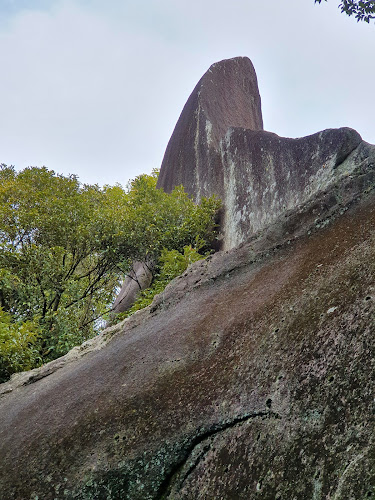
Kyoseki Park
Koudenji Temple
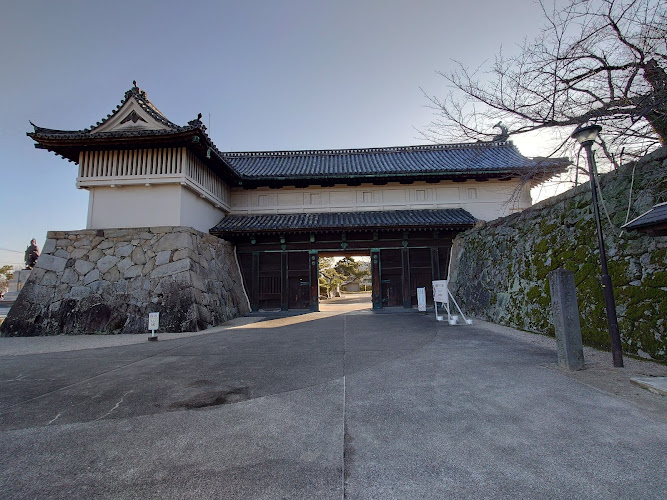
Saga Castle History Museum
Find Accommodations Nearby
Recommended Tours & Activities
Visitor Reviews
There are no reviews yet. Be the first one to write one.
Share Your Experience
Have you visited Former Koga Bank (Saga City Cultural Museum)? Help other travelers by leaving a review.