
Chokaido Museum
About Chokaido Museum
Description
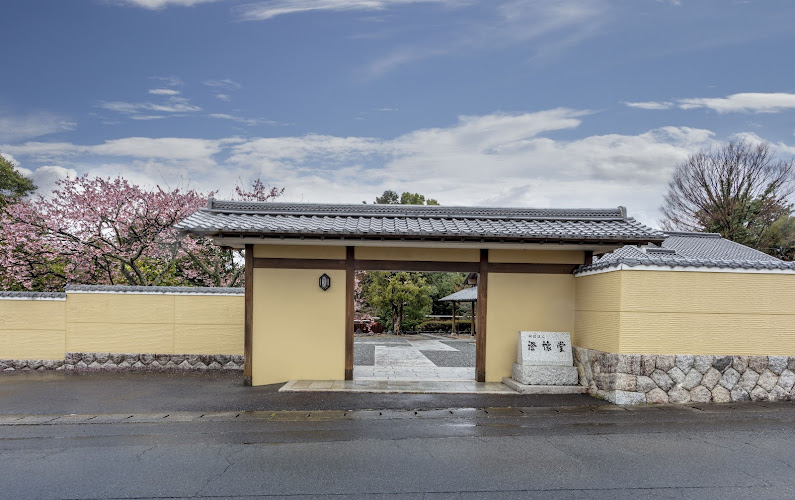
The Chokaido Museum in Yokkaichi, Japan is an art museum with a particular affection for the written line — think calligraphy that breathes and paintings that listen. It presents a quiet, measured counterpoint to the louder tourist stops in the region; visitors who go are usually there because they want a slower kind of appreciation, the kind that rewards attention. The museum focuses on calligraphic works alongside related Japanese art forms, so anyone curious about brushwork, ink, the rhythm of characters on paper, or how traditional techniques meet contemporary expression will find plenty to chew on.
Unlike big national museums with sprawling wings, Chokaido feels more intentional: the exhibitions are curated to highlight technique and narrative as much as aesthetics. There are rotating themed shows and smaller solo-artist exhibitions that change every few months, plus a modest permanent collection that traces influences and lineages of calligraphic art. The building itself is understated — nothing flashy — and that is sort of the point. It lets the work do the talking. And, yes, the place occasionally surprises with unexpected pairings: a modern installation leaning into negative space next to an Edo-period scroll. Those juxtapositions are often the highlights.
Practicalities matter here, too. The museum provides a free parking lot, which is a real convenience if one is driving around Mie Prefecture. On the flip side, there is no on-site restaurant, so plan accordingly: snacks or a leisurely lunch elsewhere are part of the itinerary. Visitors should not assume a cafe will be available; instead, use that gap as an excuse to explore local eateries in Yokkaichi afterwards. The surrounding neighborhood is not a tourist theme park — it's a working city — but that, again, offers authenticity: small family-run restaurants, bakeries, and quiet streets to wander when the museum visit is done.
Chokaido's interpretive materials aim to be helpful for both newcomers and seasoned enthusiasts. Labels often include technique notes — brush type, ink composition, paper choice — and contextual blurbs that place works in historical timelines. For travelers who focus on Japanese culture, these little factoids transform a visual experience into a learning one. The signage tends to be primarily in Japanese, but the museum usually supplies English summaries for the major exhibits; however, don't be surprised if the translations are concise rather than expansive. Bring curiosity and maybe a basic phrasebook, because small discoveries are part of the charm.
Visitors often remark on the intimacy of the viewing spaces. Galleries are sized to make the work feel immediate; small rooms, minimal distractions. Lighting is gentle, tailored to protect sensitive ink and paper, and that careful conservation approach means some works are rotated out more frequently than in larger institutions. Which is great in its own way — it gives repeat visitors reasons to come back. For folks planning a one-off trip, it’s worth checking whether a special exhibition aligns with your dates. The museum sometimes hosts live demonstrations or workshops with calligraphers, and those events are memorable: seeing the practiced economy of stroke decisions in real time is one of those small travel miracles that lodge in memory.
As for accessibility and flow: the spaces are mostly easy to navigate, with places to sit and reflect. But because the museum is not enormous, it can feel full on busier days — like during school groups or on special event weekends. If one dislikes crowds, mornings during weekdays are preferable. The staff are usually helpful and discreet; they encourage quiet observation and are willing to answer technical questions about materials and technique if asked. They project a modest pride in the collection, not showy, more like a person calmly proud of a well-tended garden.
There are a few lesser-known aspects that often delight those in the know. For example, the conservation studio is sometimes visible from a small viewing corridor. It’s not a tour, not always open, but if the conservators are working, it feels like peeking into a backstage where careful hands revive older works. And the museum occasionally arranges collaborative exhibits with regional artists, which gives visitors a flavor of local contemporary trends — not just the classical canon but how living artists negotiate tradition.
One small anecdote the museum guide likes to share (and it’s the kind of story the writer still remembers years later) involves a student visit when a shy teenager asked a calligrapher, mid-demonstration, why a particular stroke looked so simple yet so difficult. The answer — that restraint is often harder than ornamentation — stuck with several visitors. It’s a simple lesson, but it captures the visitor experience here: art that rewards slow looking and pays off patience.
For photographers: rules are strict inside galleries because of the fragility of materials. Expect no-flash policies and often no-photography near the most sensitive works. That said, the building’s exterior, the entryway, and certain public spaces allow pictures, so bring a camera for moods and details outside the glass cases. The museum shop, when open, offers small reproductions, prints, and sometimes stationery made with traditional paper — thoughtful souvenirs that feel aligned with the collection. There’s also sometimes a small booklet or catalog for major exhibitions; these are useful little archives and worth the purchase if one wants to revisit thoughts later.
Chokaido's place in travel itineraries tends to be that of a contemplative stop. It complements trips that include gardens, temples, and other cultural sites around Mie Prefecture. Many visitors pair a museum visit with lunch at a neighborhood eatery and a stroll through nearby streets to digest both the food and the art. That kind of rhythm — slow meal, museum, walk — often makes for one of the best travel days here. If travelers are assembling a list of cultural sites in Japan that focus on calligraphy, conservation, and curated small-scale exhibitions, Chokaido belongs on that list.
Finally, a realistic note about expectations: this is not a blockbuster museum with vast collections or multilingual audio guides at every turn. It is a place for concentrated interest. Visitors who come with that mindset — curiosity about line, ink, and the stories inked into paper — will likely leave content, sometimes surprised by how much they lingered. Those expecting a full-service tourist experience might find some amenities lacking, but often that's what makes Chokaido quietly rewarding. It respects the work, respects the visitor's time, and nudges both toward reflection. For travelers who savor quiet discoveries and the tactile histories of brush and paper, Chokaido Museum in Yokkaichi offers a genuine, thoughtful stop in Japan's rich cultural landscape.
Key Features
More Details
Updated August 29, 2025
Table of Contents
Description
The Chokaido Museum in Yokkaichi, Japan is an art museum with a particular affection for the written line — think calligraphy that breathes and paintings that listen. It presents a quiet, measured counterpoint to the louder tourist stops in the region; visitors who go are usually there because they want a slower kind of appreciation, the kind that rewards attention. The museum focuses on calligraphic works alongside related Japanese art forms, so anyone curious about brushwork, ink, the rhythm of characters on paper, or how traditional techniques meet contemporary expression will find plenty to chew on.
Unlike big national museums with sprawling wings, Chokaido feels more intentional: the exhibitions are curated to highlight technique and narrative as much as aesthetics. There are rotating themed shows and smaller solo-artist exhibitions that change every few months, plus a modest permanent collection that traces influences and lineages of calligraphic art. The building itself is understated — nothing flashy — and that is sort of the point. It lets the work do the talking. And, yes, the place occasionally surprises with unexpected pairings: a modern installation leaning into negative space next to an Edo-period scroll. Those juxtapositions are often the highlights.
Practicalities matter here, too. The museum provides a free parking lot, which is a real convenience if one is driving around Mie Prefecture. On the flip side, there is no on-site restaurant, so plan accordingly: snacks or a leisurely lunch elsewhere are part of the itinerary. Visitors should not assume a cafe will be available; instead, use that gap as an excuse to explore local eateries in Yokkaichi afterwards. The surrounding neighborhood is not a tourist theme park — it’s a working city — but that, again, offers authenticity: small family-run restaurants, bakeries, and quiet streets to wander when the museum visit is done.
Chokaido’s interpretive materials aim to be helpful for both newcomers and seasoned enthusiasts. Labels often include technique notes — brush type, ink composition, paper choice — and contextual blurbs that place works in historical timelines. For travelers who focus on Japanese culture, these little factoids transform a visual experience into a learning one. The signage tends to be primarily in Japanese, but the museum usually supplies English summaries for the major exhibits; however, don’t be surprised if the translations are concise rather than expansive. Bring curiosity and maybe a basic phrasebook, because small discoveries are part of the charm.
Visitors often remark on the intimacy of the viewing spaces. Galleries are sized to make the work feel immediate; small rooms, minimal distractions. Lighting is gentle, tailored to protect sensitive ink and paper, and that careful conservation approach means some works are rotated out more frequently than in larger institutions. Which is great in its own way — it gives repeat visitors reasons to come back. For folks planning a one-off trip, it’s worth checking whether a special exhibition aligns with your dates. The museum sometimes hosts live demonstrations or workshops with calligraphers, and those events are memorable: seeing the practiced economy of stroke decisions in real time is one of those small travel miracles that lodge in memory.
As for accessibility and flow: the spaces are mostly easy to navigate, with places to sit and reflect. But because the museum is not enormous, it can feel full on busier days — like during school groups or on special event weekends. If one dislikes crowds, mornings during weekdays are preferable. The staff are usually helpful and discreet; they encourage quiet observation and are willing to answer technical questions about materials and technique if asked. They project a modest pride in the collection, not showy, more like a person calmly proud of a well-tended garden.
There are a few lesser-known aspects that often delight those in the know. For example, the conservation studio is sometimes visible from a small viewing corridor. It’s not a tour, not always open, but if the conservators are working, it feels like peeking into a backstage where careful hands revive older works. And the museum occasionally arranges collaborative exhibits with regional artists, which gives visitors a flavor of local contemporary trends — not just the classical canon but how living artists negotiate tradition.
One small anecdote the museum guide likes to share (and it’s the kind of story the writer still remembers years later) involves a student visit when a shy teenager asked a calligrapher, mid-demonstration, why a particular stroke looked so simple yet so difficult. The answer — that restraint is often harder than ornamentation — stuck with several visitors. It’s a simple lesson, but it captures the visitor experience here: art that rewards slow looking and pays off patience.
For photographers: rules are strict inside galleries because of the fragility of materials. Expect no-flash policies and often no-photography near the most sensitive works. That said, the building’s exterior, the entryway, and certain public spaces allow pictures, so bring a camera for moods and details outside the glass cases. The museum shop, when open, offers small reproductions, prints, and sometimes stationery made with traditional paper — thoughtful souvenirs that feel aligned with the collection. There’s also sometimes a small booklet or catalog for major exhibitions; these are useful little archives and worth the purchase if one wants to revisit thoughts later.
Chokaido’s place in travel itineraries tends to be that of a contemplative stop. It complements trips that include gardens, temples, and other cultural sites around Mie Prefecture. Many visitors pair a museum visit with lunch at a neighborhood eatery and a stroll through nearby streets to digest both the food and the art. That kind of rhythm — slow meal, museum, walk — often makes for one of the best travel days here. If travelers are assembling a list of cultural sites in Japan that focus on calligraphy, conservation, and curated small-scale exhibitions, Chokaido belongs on that list.
Finally, a realistic note about expectations: this is not a blockbuster museum with vast collections or multilingual audio guides at every turn. It is a place for concentrated interest. Visitors who come with that mindset — curiosity about line, ink, and the stories inked into paper — will likely leave content, sometimes surprised by how much they lingered. Those expecting a full-service tourist experience might find some amenities lacking, but often that’s what makes Chokaido quietly rewarding. It respects the work, respects the visitor’s time, and nudges both toward reflection. For travelers who savor quiet discoveries and the tactile histories of brush and paper, Chokaido Museum in Yokkaichi offers a genuine, thoughtful stop in Japan’s rich cultural landscape.
Key Highlights
Chokaido Museum
Location
Places to Stay Near Chokaido Museum
Find and Book a Tour
Explore More Travel Guides
No reviews found! Be the first to review!
Traveler Reviews for Chokaido Museum
There are no reviews yet. Be the first one to write one.
Have you visited Chokaido Museum? Help other travelers by sharing your review.
You Might Also Like

Isaka Dam Cycle Park

Yokkaichi
Tomida
Find Accommodations Nearby
Recommended Tours & Activities
Visitor Reviews
There are no reviews yet. Be the first one to write one.
Share Your Experience
Have you visited Chokaido Museum? Help other travelers by leaving a review.