
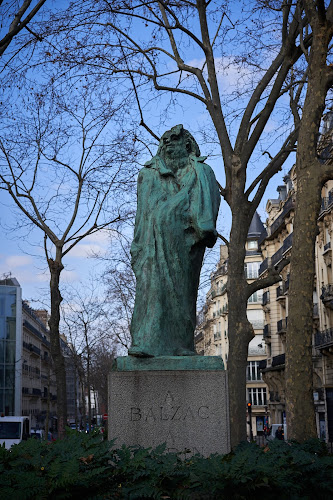
Monument to Balzac
About Monument to Balzac
Description
Let me tell you: if you’ve spent much time wandering Paris, you’ll notice there’s no shortage of monuments. But the Monument to Balzac, designed by the ever-unpredictable Auguste Rodin, is a total standout—a sculpture that genuinely dares to be a little weird, even in a city bursting at the seams with art. Now, I’ll admit, it’s probably not going to jump out at you like the Eiffel Tower or charm you into taking 97 selfies like the Moulin Rouge. But, wow, it’s got something those glitterati attractions don’t—the feeling you’re seeing the rebellious, misunderstood side of history. This isn’t just another statue plopped down for tourists. Instead, it’s Rodin’s personal, almost stubborn interpretation of Balzac, wrapped up in monk’s garb, looming like some cerebral specter over the Boulevard Raspail.
What I love is how intensely “un-polished” it feels. Rodin’s Monument to Balzac is less about photographic likeness and more about the man’s blazing intellect; you see the robes, the rough-hewn features, and you just know this isn’t for show. It’s brooding, honest, and has maybe ruffled a few feathers since its unveiling. And if you’re a literature geek or just enjoy art that doesn’t play by the rules, trust me, you’ll want to stand a minute here. Even if you don’t know much about Balzac’s endless novels, you get this sense that he mattered. It’s the sort of place that rewards slowing down, pausing, and wondering what the heck was on Rodin’s mind.
Key Features
- Striking Artistic Vision: Designed by Auguste Rodin, the monument takes bold artistic liberties, focusing on Balzac’s creative spirit instead of strict physical likeness. It goes heavy on symbolism and mood—less postcard, more soul.
- Monk’s Robes: There’s something haunting about the heavy robes draped around Balzac. Some folks say Rodin was channeling the gravity of Balzac’s imagination—others think it’s just cinematic.
- Prime Parisian Setting: Located right along Boulevard Raspail, it’s easy to add this stop to your ramble in the Left Bank, especially if you dig literary history or are just looking to escape crowds for a beat.
- Photographer's Dream: The play of light on Rodin’s rough textures and dramatic lines truly pops at different times of day—if you love photography, this is a cool, underrated stop.
- Wheelchair Accessibility: Good news for all: the site boasts a wheelchair-accessible entrance, so no need to worry about tricky cobblestones or stairs here.
- Literary Connection: This isn’t just a statue—it’s a nod to one of France’s most iconic writers. The feeling in the air (and the pose!) says, "Here stood a giant of words."
- Perfect for Quiet Reflection: Not as busy as many nearby tourist stops, so you can actually think, take in the atmosphere, or even scribble in a notebook—if you’re into the whole travel journal thing like me.
- Real Parisian Experience: You’ll catch locals lounging and ambling here, making for a slice of authentic, everyday Paris that’s tough to find in more “Instagrammed” spots.
Best Time to Visit
Honestly, I’ve swung by during almost every season (it’s one of those places that creeps into your itinerary without much planning), and every time offered a slightly different vibe. Early morning—especially in spring—can be magic. The light slants across the form, highlighting Rodin’s wild details. Plus, if you’re lucky, there’s barely another soul around, making it feel like your own personal discovery. But autumn’s not bad, either—the gold leaves swirling make the whole avenue feel like a movie set. If you’re hoping for a quiet moment or some reflective study (Balzac would approve), catch it weekdays, mid-morning. Weekends have a tad more foot traffic, but still nothing overwhelming.
Me personally? I think the overcast afternoons, when Paris feels a bit mysterious, give the monument some real power. Cloudy days tend to amplify the drama. So, don’t stress too much about finding the “perfect time.” There’s a subtle beauty in its unpredictability.
How to Get There
Getting to the Monument to Balzac isn’t exactly rocket science, which I love—makes it possible to add to your travel day on a whim. If you’re already in the Latin Quarter or wandering the Left Bank, you’re genuinely close. Most folks hop on the Paris Metro and get off at one of several handy stops nearby. Look for lines that drop you in the Boulevard Raspail area. From most of the city’s central locations, you can be here in under 30 minutes, even if you take it slow (or get distracted by bakeries on the way—guilty as charged).
I’d suggest plugging your route into one of the city’s great public transit apps, since Paris buses and metros are both straightforward and shockingly reliable compared to some other capitals I’ve visited (no shade). You could also rent one of those Vélib’ bikes if you’re adventurous; honestly, cycling through Paris is a whole experience in itself, though I’d skip it during rush hour if you’re not used to city biking chaos.
If accessibility’s on your mind, good news: The monument’s site doesn’t require tackling any major stairs, and paths are pretty smooth. Paris has been quietly improving in this regard, and for art-lovers using wheelchairs or with mobility needs, having that kind of destination is a treat.
Tips for Visiting
First things first—don’t come expecting a grand, tourist-trap atmosphere. The Monument to Balzac is understated, contemplative, and best appreciated slowly (and without the blaring soundtrack of a bus tour in the background). If you really want to connect with its essence, bring something to jot down your impressions. I once spent 20 minutes here completely lost in thought and left scribbled notes in the margins of my Paris guidebook—something about the moment just pulls that out of you. Strange, right?
If you’re a fan of Rodin, you might want to compare this piece to his more famous sculptures like The Thinker, just to see how much he pushes boundaries. And if you’re traveling with others who “don’t get” art, have some fun quizzing them on what emotion they think Balzac is feeling. (Spoiler alert: No two people agree.)
Photography-wise, the shape-shifting light means every shot feels different. Try various angles—get up close for detail, step back for the imposing silhouette effect. Some folks even come back at night for dramatic shadow shots. Oh, and don’t be shy about people-watching here. The monument draws a quirky mix: students with sketchbooks, locals on their way to work, older Parisians pausing for a smoke.
Quick snack tip: There are bakeries and coffee shops an easy stroll away, which makes this an ideal spot to unwind after a pastry or gear up for more explorations. My all-time favorite travel ritual is buying a flaky croissant and people-watching in front of a thought-provoking landmark—Balzac’s spot fits the bill perfectly.
Finally, if reading up in advance is your style, check out a bit of Balzac’s work before your trip—even a few pages can make the encounter feel oddly personal. It’s not just a statue; it’s a slice of the city’s creative soul, and you’ll walk away with a story to tell (and maybe an oddly-insistent urge to start a novel).
Key Features
- Key Features
- Best Time to Visit
- How to Get There
- Tips for Visiting
More Details
Updated June 25, 2025
Table of Contents
Description
Let me tell you: if you’ve spent much time wandering Paris, you’ll notice there’s no shortage of monuments. But the Monument to Balzac, designed by the ever-unpredictable Auguste Rodin, is a total standout—a sculpture that genuinely dares to be a little weird, even in a city bursting at the seams with art. Now, I’ll admit, it’s probably not going to jump out at you like the Eiffel Tower or charm you into taking 97 selfies like the Moulin Rouge. But, wow, it’s got something those glitterati attractions don’t—the feeling you’re seeing the rebellious, misunderstood side of history. This isn’t just another statue plopped down for tourists. Instead, it’s Rodin’s personal, almost stubborn interpretation of Balzac, wrapped up in monk’s garb, looming like some cerebral specter over the Boulevard Raspail.
What I love is how intensely “un-polished” it feels. Rodin’s Monument to Balzac is less about photographic likeness and more about the man’s blazing intellect; you see the robes, the rough-hewn features, and you just know this isn’t for show. It’s brooding, honest, and has maybe ruffled a few feathers since its unveiling. And if you’re a literature geek or just enjoy art that doesn’t play by the rules, trust me, you’ll want to stand a minute here. Even if you don’t know much about Balzac’s endless novels, you get this sense that he mattered. It’s the sort of place that rewards slowing down, pausing, and wondering what the heck was on Rodin’s mind.
Key Features
- Striking Artistic Vision: Designed by Auguste Rodin, the monument takes bold artistic liberties, focusing on Balzac’s creative spirit instead of strict physical likeness. It goes heavy on symbolism and mood—less postcard, more soul.
- Monk’s Robes: There’s something haunting about the heavy robes draped around Balzac. Some folks say Rodin was channeling the gravity of Balzac’s imagination—others think it’s just cinematic.
- Prime Parisian Setting: Located right along Boulevard Raspail, it’s easy to add this stop to your ramble in the Left Bank, especially if you dig literary history or are just looking to escape crowds for a beat.
- Photographer’s Dream: The play of light on Rodin’s rough textures and dramatic lines truly pops at different times of day—if you love photography, this is a cool, underrated stop.
- Wheelchair Accessibility: Good news for all: the site boasts a wheelchair-accessible entrance, so no need to worry about tricky cobblestones or stairs here.
- Literary Connection: This isn’t just a statue—it’s a nod to one of France’s most iconic writers. The feeling in the air (and the pose!) says, “Here stood a giant of words.”
- Perfect for Quiet Reflection: Not as busy as many nearby tourist stops, so you can actually think, take in the atmosphere, or even scribble in a notebook—if you’re into the whole travel journal thing like me.
- Real Parisian Experience: You’ll catch locals lounging and ambling here, making for a slice of authentic, everyday Paris that’s tough to find in more “Instagrammed” spots.
Best Time to Visit
Honestly, I’ve swung by during almost every season (it’s one of those places that creeps into your itinerary without much planning), and every time offered a slightly different vibe. Early morning—especially in spring—can be magic. The light slants across the form, highlighting Rodin’s wild details. Plus, if you’re lucky, there’s barely another soul around, making it feel like your own personal discovery. But autumn’s not bad, either—the gold leaves swirling make the whole avenue feel like a movie set. If you’re hoping for a quiet moment or some reflective study (Balzac would approve), catch it weekdays, mid-morning. Weekends have a tad more foot traffic, but still nothing overwhelming.
Me personally? I think the overcast afternoons, when Paris feels a bit mysterious, give the monument some real power. Cloudy days tend to amplify the drama. So, don’t stress too much about finding the “perfect time.” There’s a subtle beauty in its unpredictability.
How to Get There
Getting to the Monument to Balzac isn’t exactly rocket science, which I love—makes it possible to add to your travel day on a whim. If you’re already in the Latin Quarter or wandering the Left Bank, you’re genuinely close. Most folks hop on the Paris Metro and get off at one of several handy stops nearby. Look for lines that drop you in the Boulevard Raspail area. From most of the city’s central locations, you can be here in under 30 minutes, even if you take it slow (or get distracted by bakeries on the way—guilty as charged).
I’d suggest plugging your route into one of the city’s great public transit apps, since Paris buses and metros are both straightforward and shockingly reliable compared to some other capitals I’ve visited (no shade). You could also rent one of those Vélib’ bikes if you’re adventurous; honestly, cycling through Paris is a whole experience in itself, though I’d skip it during rush hour if you’re not used to city biking chaos.
If accessibility’s on your mind, good news: The monument’s site doesn’t require tackling any major stairs, and paths are pretty smooth. Paris has been quietly improving in this regard, and for art-lovers using wheelchairs or with mobility needs, having that kind of destination is a treat.
Tips for Visiting
First things first—don’t come expecting a grand, tourist-trap atmosphere. The Monument to Balzac is understated, contemplative, and best appreciated slowly (and without the blaring soundtrack of a bus tour in the background). If you really want to connect with its essence, bring something to jot down your impressions. I once spent 20 minutes here completely lost in thought and left scribbled notes in the margins of my Paris guidebook—something about the moment just pulls that out of you. Strange, right?
If you’re a fan of Rodin, you might want to compare this piece to his more famous sculptures like The Thinker, just to see how much he pushes boundaries. And if you’re traveling with others who “don’t get” art, have some fun quizzing them on what emotion they think Balzac is feeling. (Spoiler alert: No two people agree.)
Photography-wise, the shape-shifting light means every shot feels different. Try various angles—get up close for detail, step back for the imposing silhouette effect. Some folks even come back at night for dramatic shadow shots. Oh, and don’t be shy about people-watching here. The monument draws a quirky mix: students with sketchbooks, locals on their way to work, older Parisians pausing for a smoke.
Quick snack tip: There are bakeries and coffee shops an easy stroll away, which makes this an ideal spot to unwind after a pastry or gear up for more explorations. My all-time favorite travel ritual is buying a flaky croissant and people-watching in front of a thought-provoking landmark—Balzac’s spot fits the bill perfectly.
Finally, if reading up in advance is your style, check out a bit of Balzac’s work before your trip—even a few pages can make the encounter feel oddly personal. It’s not just a statue; it’s a slice of the city’s creative soul, and you’ll walk away with a story to tell (and maybe an oddly-insistent urge to start a novel).
Key Highlights
- Key Features
- Best Time to Visit
- How to Get There
- Tips for Visiting
Location
Places to Stay Near Monument to Balzac
Find and Book a Tour
Explore More Travel Guides
No reviews found! Be the first to review!
Traveler Reviews for Monument to Balzac
There are no reviews yet. Be the first one to write one.
Have you visited Monument to Balzac? Help other travelers by sharing your review.
You Might Also Like
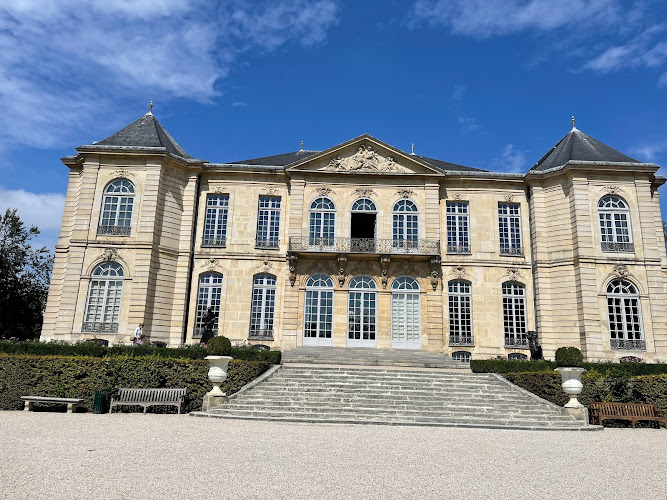
Musée Rodin

Les Artistes de la Place du Tertre
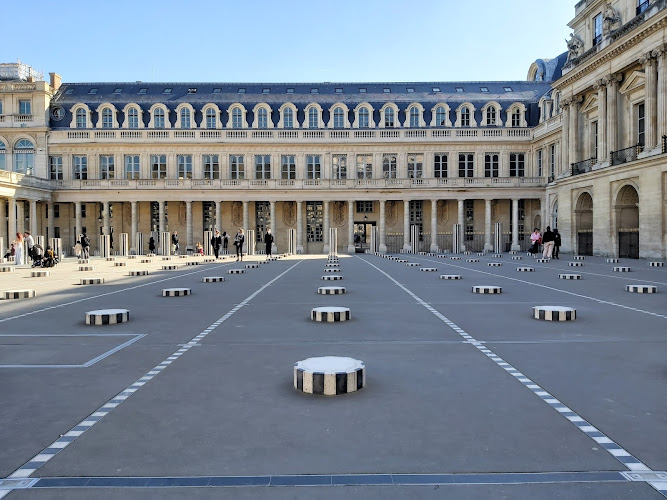
Domaine National du Palais-Royal
Find Accommodations Nearby
Recommended Tours & Activities
Visitor Reviews
There are no reviews yet. Be the first one to write one.
Share Your Experience
Have you visited Monument to Balzac? Help other travelers by leaving a review.