
MUSA
About MUSA
Description
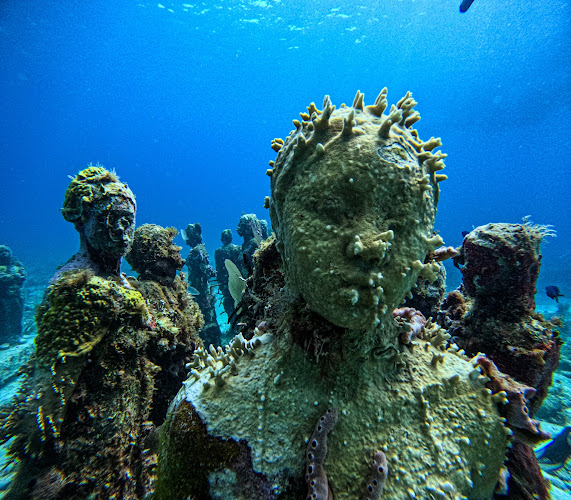
If you’re the kind of traveler who likes their art served with a splash of adventure, then the MUSA is going to knock your socks off. This isn’t your typical white-walled museum where you tiptoe around fragile paintings—nope, MUSA is an underwater sculpture museum, and it’s as wild as it sounds. Imagine exploring a surreal underwater gallery filled with life-sized sculptures, all while floating above in a glass-bottom boat, snorkeling, or even scuba diving if you’re feeling brave. It’s a fascinating blend of creativity and nature that pulls you into a whole new world beneath the waves. What really makes MUSA stand out is how it transforms the ocean floor into a living canvas. The sculptures aren’t just art—they’re designed to encourage coral growth and marine life colonization, so you’re witnessing a constantly evolving exhibit. It’s like watching art and nature dance together, and that’s pretty magical. Plus, the experience feels surprisingly accessible—whether you’re an expert diver or a casual snorkeler, there’s a way to enjoy the museum that fits your comfort level. I gotta admit, when I first heard about MUSA, I was skeptical. Underwater museum? Sounds gimmicky, right? But once I was there, drifting over those eerie, haunting figures, it was like stepping into a dream. The quiet underwater world, the curious fish weaving through the sculptures, and the play of light filtering down through the water—it’s a vibe that sticks with you. And if you’re worried about logistics or accessibility, MUSA has you covered with wheelchair-friendly entrances and restrooms, which is a nice touch for a place that’s so out of the ordinary.Key Features
- Unique underwater sculpture installations designed to promote coral growth and marine biodiversity
- Multiple ways to experience the museum: glass-bottom boat tours, snorkeling, and scuba diving
- Wheelchair accessible entrance, parking, and restrooms, making it inclusive for all visitors
- Family-friendly, with activities suitable for kids and beginners
- Restroom facilities on-site for convenience
- Advance ticket purchase recommended to avoid long waits, especially during peak seasons
- Located in a marine protected area, offering pristine underwater visibility and vibrant sea life
- Expert guides available for tours, providing fascinating insights into the art and ecology
Best Time to Visit
Timing your visit to MUSA can make a world of difference. The best months tend to be from late November through April when the weather is drier, and the seas are calmer. This means clearer water and better visibility, which is crucial when you’re trying to soak in the details of those underwater sculptures. Plus, you’ll avoid the rainy season, which can turn your glass-bottom boat adventure into a soggy disappointment. If you’re like me and hate crowds, aim for weekdays or early mornings. The place can get pretty busy, especially during holidays and school vacations, which can take away some of that peaceful, immersive experience you’re after. Also, if you’re planning to snorkel or dive, the warmer months make for a more comfortable swim, but the visibility might not be as crisp as during the cooler season. Oh, and a quick heads-up: since MUSA is outdoors and marine-based, weather can be a bit unpredictable. So, keep an eye on local forecasts and be ready to shuffle plans if the sea’s acting up.How to Get There
Getting to MUSA is part of the adventure. Usually, visitors start from nearby coastal towns or resorts that offer direct access to the museum’s boat tours. If you’re flying in, the closest major airport is just a short drive away, and from there, you can grab a taxi or shuttle to the marina where the glass-bottom boats depart. Once you’re at the marina, it’s all about picking your preferred mode of exploration. The boats are pretty frequent, but I’d seriously recommend booking your tickets ahead of time—especially if you want a specific time slot or plan to visit during the busy season. It’s a small detail that saved me from standing around in the blazing sun, and trust me, that’s no fun. For the more adventurous souls, renting snorkeling or scuba gear on-site is straightforward. And if you’re new to diving, there are usually guides around who can help you get set up or even offer quick intro lessons. It’s a surprisingly well-oiled operation considering how unique the experience is.Tips for Visiting
Here’s where I get a bit personal because I’ve learned some things the hard way. First off, bring your waterproof camera or a GoPro. You’ll want to capture those surreal underwater shots, but remember, it’s tricky to take photos while snorkeling or diving, so practice a bit if you can. Also, don’t forget reef-safe sunscreen—protecting the marine environment is part of the deal here, and it feels good to know you’re doing your bit. Wear something comfortable and easy to change out of because you’ll be hopping between boat and water. And if you’re prone to seasickness, consider taking something beforehand; those glass-bottom boats can rock a bit more than you’d expect. If you’re visiting with kids, MUSA is surprisingly kid-friendly, but keep a close eye on them around the water. The guides are great at engaging young ones with stories about the sculptures and sea life, so it can be a fun learning experience. Lastly, don’t rush. The whole point of MUSA is to soak in the odd, tranquil beauty of the underwater world. Take your time drifting over the sculptures, watch the fish dart in and out, and just let yourself get lost in that quiet underwater gallery. It’s one of those rare experiences that sticks with you long after you’ve dried off.Key Features
- Unique underwater sculpture installations designed to promote coral growth and marine biodiversity
- Multiple ways to experience the museum: glass-bottom boat tours, snorkeling, and scuba diving
- Wheelchair accessible entrance, parking, and restrooms, making it inclusive for all visitors
- Family-friendly, with activities suitable for kids and beginners
- Restroom facilities on-site for convenience
- Advance ticket purchase recommended to avoid long waits, especially during peak seasons
- Located in a marine protected area, offering pristine underwater visibility and vibrant sea life
- Expert guides available for tours, providing fascinating insights into the art and ecology
More Details
Updated July 13, 2025
Table of Contents
Description
If you’re the kind of traveler who likes their art served with a splash of adventure, then the MUSA is going to knock your socks off. This isn’t your typical white-walled museum where you tiptoe around fragile paintings—nope, MUSA is an underwater sculpture museum, and it’s as wild as it sounds. Imagine exploring a surreal underwater gallery filled with life-sized sculptures, all while floating above in a glass-bottom boat, snorkeling, or even scuba diving if you’re feeling brave. It’s a fascinating blend of creativity and nature that pulls you into a whole new world beneath the waves.
What really makes MUSA stand out is how it transforms the ocean floor into a living canvas. The sculptures aren’t just art—they’re designed to encourage coral growth and marine life colonization, so you’re witnessing a constantly evolving exhibit. It’s like watching art and nature dance together, and that’s pretty magical. Plus, the experience feels surprisingly accessible—whether you’re an expert diver or a casual snorkeler, there’s a way to enjoy the museum that fits your comfort level.
I gotta admit, when I first heard about MUSA, I was skeptical. Underwater museum? Sounds gimmicky, right? But once I was there, drifting over those eerie, haunting figures, it was like stepping into a dream. The quiet underwater world, the curious fish weaving through the sculptures, and the play of light filtering down through the water—it’s a vibe that sticks with you. And if you’re worried about logistics or accessibility, MUSA has you covered with wheelchair-friendly entrances and restrooms, which is a nice touch for a place that’s so out of the ordinary.
Key Features
- Unique underwater sculpture installations designed to promote coral growth and marine biodiversity
- Multiple ways to experience the museum: glass-bottom boat tours, snorkeling, and scuba diving
- Wheelchair accessible entrance, parking, and restrooms, making it inclusive for all visitors
- Family-friendly, with activities suitable for kids and beginners
- Restroom facilities on-site for convenience
- Advance ticket purchase recommended to avoid long waits, especially during peak seasons
- Located in a marine protected area, offering pristine underwater visibility and vibrant sea life
- Expert guides available for tours, providing fascinating insights into the art and ecology
Best Time to Visit
Timing your visit to MUSA can make a world of difference. The best months tend to be from late November through April when the weather is drier, and the seas are calmer. This means clearer water and better visibility, which is crucial when you’re trying to soak in the details of those underwater sculptures. Plus, you’ll avoid the rainy season, which can turn your glass-bottom boat adventure into a soggy disappointment.
If you’re like me and hate crowds, aim for weekdays or early mornings. The place can get pretty busy, especially during holidays and school vacations, which can take away some of that peaceful, immersive experience you’re after. Also, if you’re planning to snorkel or dive, the warmer months make for a more comfortable swim, but the visibility might not be as crisp as during the cooler season.
Oh, and a quick heads-up: since MUSA is outdoors and marine-based, weather can be a bit unpredictable. So, keep an eye on local forecasts and be ready to shuffle plans if the sea’s acting up.
How to Get There
Getting to MUSA is part of the adventure. Usually, visitors start from nearby coastal towns or resorts that offer direct access to the museum’s boat tours. If you’re flying in, the closest major airport is just a short drive away, and from there, you can grab a taxi or shuttle to the marina where the glass-bottom boats depart.
Once you’re at the marina, it’s all about picking your preferred mode of exploration. The boats are pretty frequent, but I’d seriously recommend booking your tickets ahead of time—especially if you want a specific time slot or plan to visit during the busy season. It’s a small detail that saved me from standing around in the blazing sun, and trust me, that’s no fun.
For the more adventurous souls, renting snorkeling or scuba gear on-site is straightforward. And if you’re new to diving, there are usually guides around who can help you get set up or even offer quick intro lessons. It’s a surprisingly well-oiled operation considering how unique the experience is.
Tips for Visiting
Here’s where I get a bit personal because I’ve learned some things the hard way. First off, bring your waterproof camera or a GoPro. You’ll want to capture those surreal underwater shots, but remember, it’s tricky to take photos while snorkeling or diving, so practice a bit if you can. Also, don’t forget reef-safe sunscreen—protecting the marine environment is part of the deal here, and it feels good to know you’re doing your bit.
Wear something comfortable and easy to change out of because you’ll be hopping between boat and water. And if you’re prone to seasickness, consider taking something beforehand; those glass-bottom boats can rock a bit more than you’d expect.
If you’re visiting with kids, MUSA is surprisingly kid-friendly, but keep a close eye on them around the water. The guides are great at engaging young ones with stories about the sculptures and sea life, so it can be a fun learning experience.
Lastly, don’t rush. The whole point of MUSA is to soak in the odd, tranquil beauty of the underwater world. Take your time drifting over the sculptures, watch the fish dart in and out, and just let yourself get lost in that quiet underwater gallery. It’s one of those rare experiences that sticks with you long after you’ve dried off.
Key Highlights
- Unique underwater sculpture installations designed to promote coral growth and marine biodiversity
- Multiple ways to experience the museum: glass-bottom boat tours, snorkeling, and scuba diving
- Wheelchair accessible entrance, parking, and restrooms, making it inclusive for all visitors
- Family-friendly, with activities suitable for kids and beginners
- Restroom facilities on-site for convenience
- Advance ticket purchase recommended to avoid long waits, especially during peak seasons
- Located in a marine protected area, offering pristine underwater visibility and vibrant sea life
- Expert guides available for tours, providing fascinating insights into the art and ecology
Location
Places to Stay Near MUSA
Find and Book a Tour
Explore More Travel Guides
No reviews found! Be the first to review!
Traveler Reviews for MUSA
There are no reviews yet. Be the first one to write one.
Have you visited MUSA? Help other travelers by sharing your review.
You Might Also Like

Xico

Tecomán Municipality

Cerrito de la Virgen
Find Accommodations Nearby
Recommended Tours & Activities
Visitor Reviews
There are no reviews yet. Be the first one to write one.
Share Your Experience
Have you visited MUSA? Help other travelers by leaving a review.