Where to Stay in Yosemite National Park: Best Areas & Top Hotels for Every Budget
Updated December 9, 2025
Choosing where to stay in Yosemite can get confusing—cabins, lodges, and campgrounds are scattered across a park bigger than some countries. I’ve spent way too long scrolling maps and reservation calendars, trying to figure out which spot makes sunrise hikes easy or lets you actually hear the river at night. The best place for you depends on what you value most—proximity, comfort, or a bit of quiet.
Here’s a quick, no-nonsense breakdown of Yosemite’s main areas and what they offer, plus honest recommendations for every budget. I’ll flag what’s worth booking, what’s overrated, and where you can get good rest without emptying your wallet or wasting time in traffic.
Key Takeaways
- Match Yosemite’s areas to your travel style and budget
- Check out the most convenient, scenic, and unique stays inside the park
- Find practical options just outside if park lodging’s sold out
Best Places to Stay Inside Yosemite National Park

Staying inside the park puts you right by Half Dome, El Capitan, and Glacier Point. You’ve got everything from historic hotels to laid-back lodges and cabins tucked in the woods. Each area has its own vibe—some are lively and central, others feel tucked away and calm.
Yosemite Valley: Heart of the Park
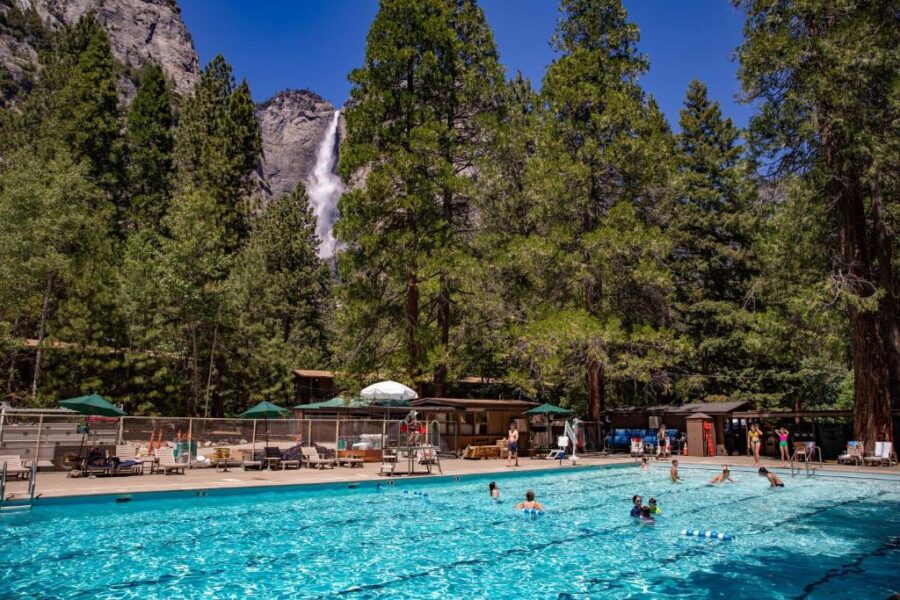
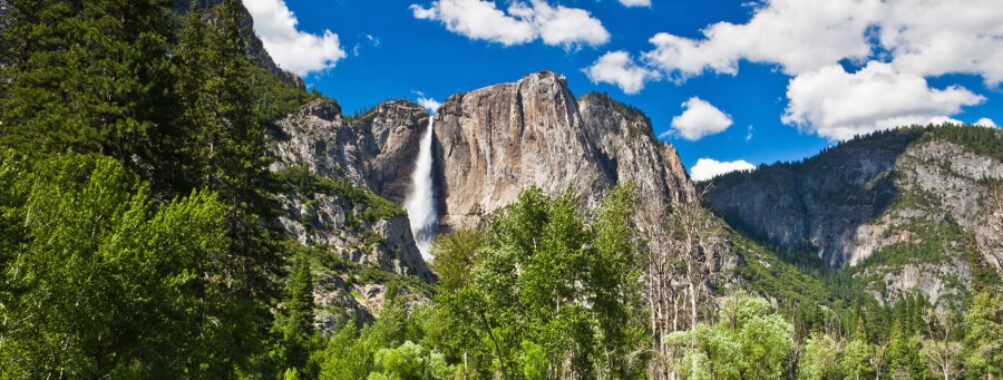
Want to be in the thick of it? Yosemite Valley is where you’ll get those classic views—Half Dome, Yosemite Falls, El Capitan—just steps from your door. Yosemite Valley Lodge is a favorite if you want to walk to the falls before breakfast.
The Ahwahnee Hotel is the park’s high-end option, famous for its stone exterior and a dining room that feels transported from another century. It’s expensive, but if you want max comfort after a full day, it delivers.
On a tighter budget? Curry Village and Housekeeping Camp have tent cabins and simple rooms closer to the Merced River. Heads up: the valley buzzes in summer, so bring earplugs if you’re a light sleeper.
| Lodging Option | Type | Season | Nearby Highlights |
|---|---|---|---|
| The Ahwahnee | Historic luxury hotel | Year-round | Half Dome, Yosemite Falls |
| Yosemite Valley Lodge | Mid-range hotel | Year-round | El Capitan, Merced River |
| Curry Village | Tent cabins & motels | Seasonal | Glacier Point access |
| Housekeeping Camp | Open-air units | Seasonal | Merced River beach |
Wawona: Historic Charm and Easy Access
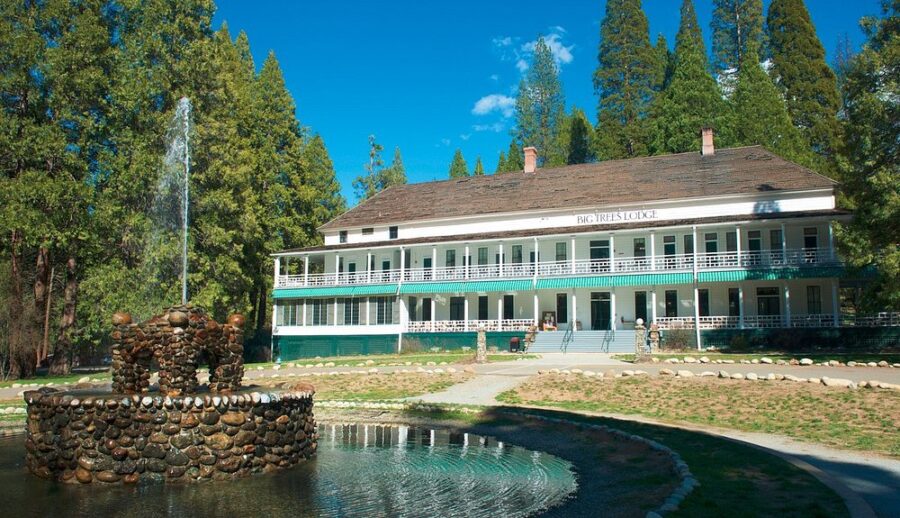
Wawona sits near the southern entrance on Highway 41. It’s slower, quieter, and has a bit of old-school flair. The Wawona Hotel—think white balconies, rocking chairs, and vintage photos—leans into its 19th-century roots.
This area’s perfect if you want to explore the Mariposa Grove of Giant Sequoias. Wander among ancient trees, then be back at your room for dinner. Glacier Point is also closer to here than from the valley.
You’ll find a small store and a golf course, but not much else. Wawona’s charm is really about quiet nights, pine-scented air, and the steady sound of the South Fork Merced River.
Tuolumne Meadows: High Country Retreats
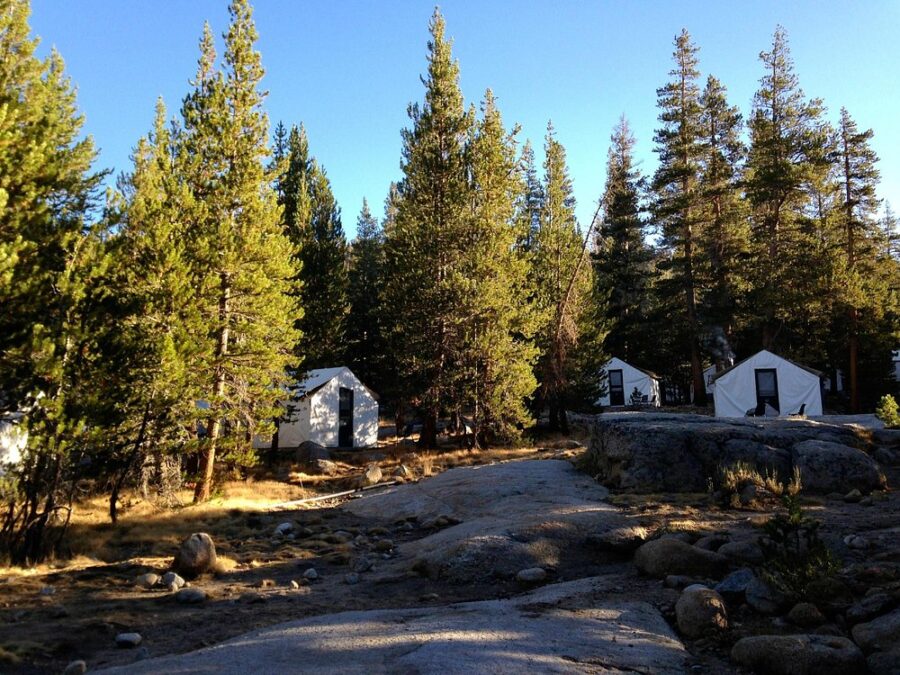
Craving solitude? Head up Tioga Road to Tuolumne Meadows. At nearly 8,600 feet, it’s a whole different world—wide meadows, granite domes, and endless sky. Hiking feels slower in the thin air, but it’s peaceful.
Tuolumne Meadows Lodge offers canvas-tent cabins and a small dining tent by the river. Coyotes yip at night and the stars look almost close enough to touch.
Trailheads for Cathedral Lakes, Lembert Dome, and Gaylor Lakes are nearby, so it’s great for hikers who don’t need luxury. It’s open only in summer, and reservations are tough to snag—but that’s part of its magic.
Top Lodging Options in Yosemite Valley

Staying in Yosemite Valley means you’re right by the icons—Yosemite Falls, Half Dome, El Capitan. You can walk to trailheads, hop on the free shuttle, and enjoy the park before the crowds roll in. The valley’s classic hotels and cabins each have their own feel.
The Ahwahnee Hotel: Iconic Luxury
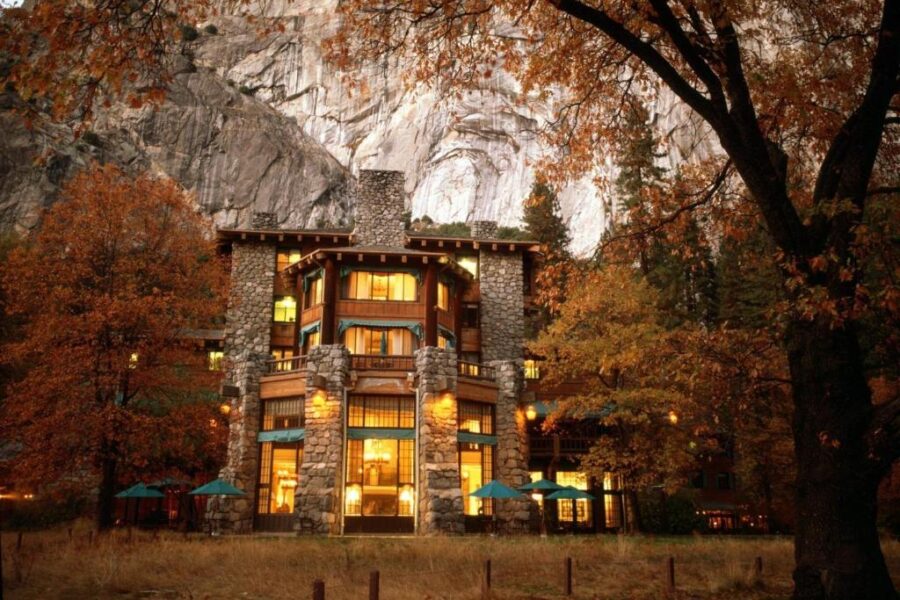
The Ahwahnee Hotel stands as Yosemite’s grand dame—a historic landmark with massive stone walls, timber beams, and a dining room with floor-to-ceiling windows. People book it for the sense of history and those knockout views, not for high-tech perks.
Rooms are plush, with classic touches and (sometimes) private balconies. The Dining Room stays open all year and has a dinner dress code, which adds a bit of formality you don’t often find in national parks. The Great Lounge, with its fireplace and soaring ceilings, is worth a wander even if you’re not a guest.
I usually grab coffee here just to watch the morning light shift on Half Dome from the patio. There’s nothing quite like it.
Yosemite Valley Lodge: Comfort by Yosemite Falls
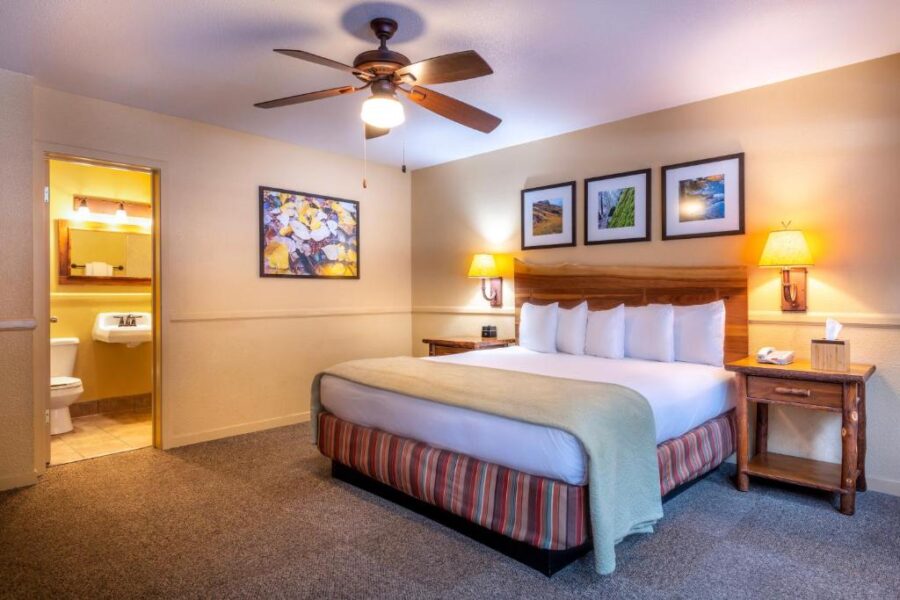
If you want comfort without the price tag, Yosemite Valley Lodge is a solid bet. It’s right near Lower Yosemite Fall, so you’ll hear water as you walk around.
Rooms are basic but clean and cozy. Many have patios or balconies with views of the cliffs. The Mountain Room Restaurant serves up hearty meals with a window seat to the falls—perfect after a day on the trails. There’s also a casual lounge and a little grocery for essentials.
Families like it here for the easy access to shuttle stops and gentle trails along the Merced River. Once you park, you can skip driving for your whole stay, which honestly makes things easier.
Curry Village and Half Dome Village: Tent Cabins and Convenience
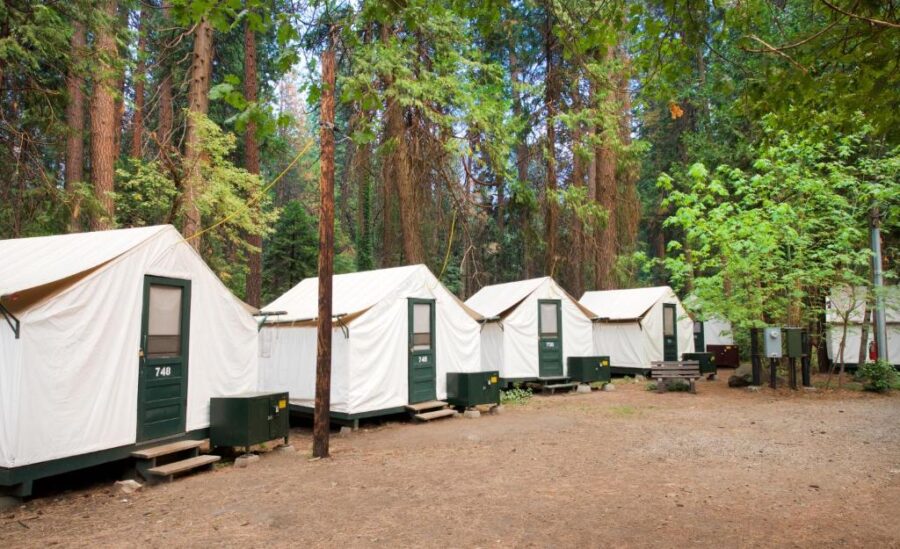
A little farther down the road, Curry Village (sometimes called Half Dome Village) is the go-to for affordable, central stays. You can pick from canvas tent cabins, wooden cabins, or standard rooms, depending on the season and your comfort needs.
The tent cabins are bare-bones—wood frames, canvas walls, shared bathrooms—but you’re right in the heart of Yosemite Valley. Mornings start with the sound of ravens and wind in the trees, not engines. There’s a big dining pavilion, pizza deck, and a handy shuttle stop.
Curry Village works well if you’re traveling light. Evenings are relaxed, with people chatting quietly outside as the last sunlight hits the cliffs. It’s not fancy, but it feels like the real Yosemite—unfiltered and close to everything.
See Related: Best Winter Destinations in the US: Snowy Escapes You Can’t Miss
Unique and Rustic Stays Within the Park
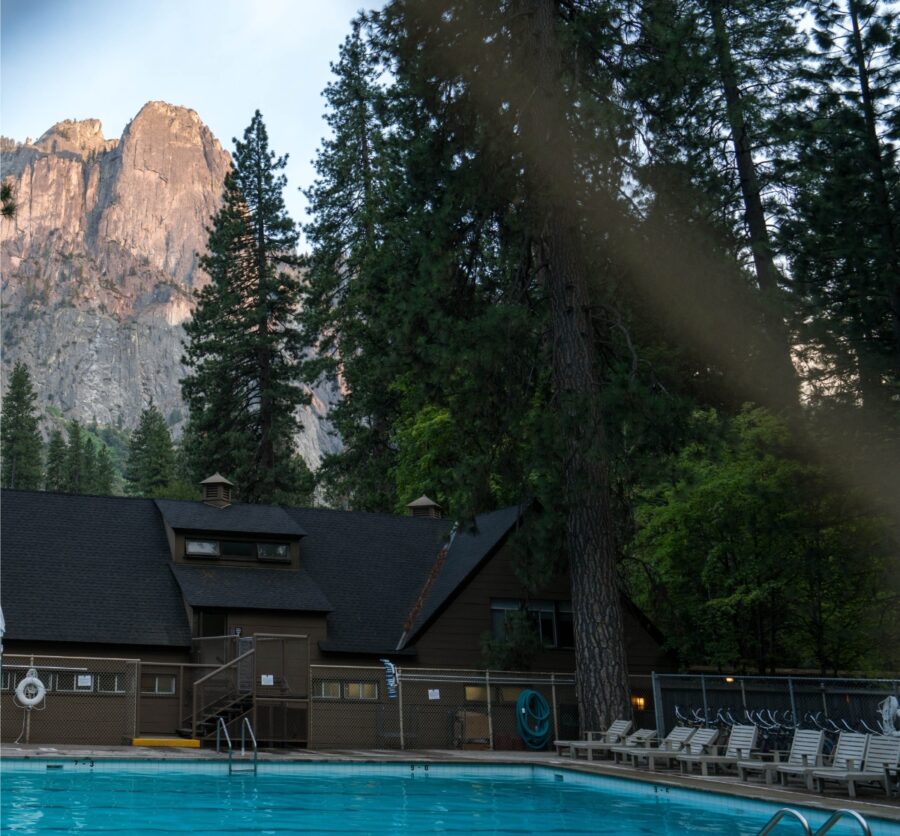
Yosemite’s got a few places that break from the typical hotel mold. Some blend fresh air with open-air comfort, others are tucked deep in the woods. They all keep things simple and let the landscape do the talking.
Housekeeping Camp: Open-Air Lodging
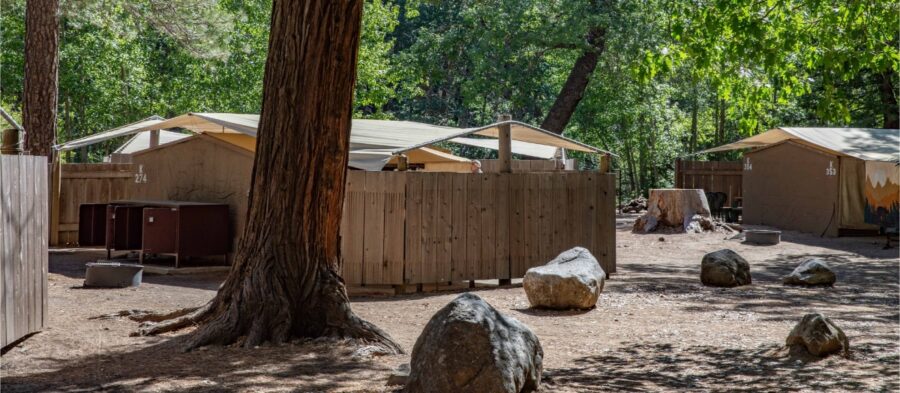
Housekeeping Camp, right on the Merced River, is for folks who want a camping feel without pitching a tent. Each unit has three concrete walls, a canvas roof, and a curtain for the fourth wall. It’s basic, but you get a picnic table, fire ring, and a little patio for cooking or hanging out.
You’ll hear the river at night and still have showers and restrooms nearby. The open-air setup keeps you close to nature while offering some shelter. Bring your own bedding—some people rough it, others bring air mattresses for extra comfort.
If you want to feel part of Yosemite without going full backcountry, this is a sweet spot between comfort and simplicity.
White Wolf Lodge: Secluded Mountain Experience
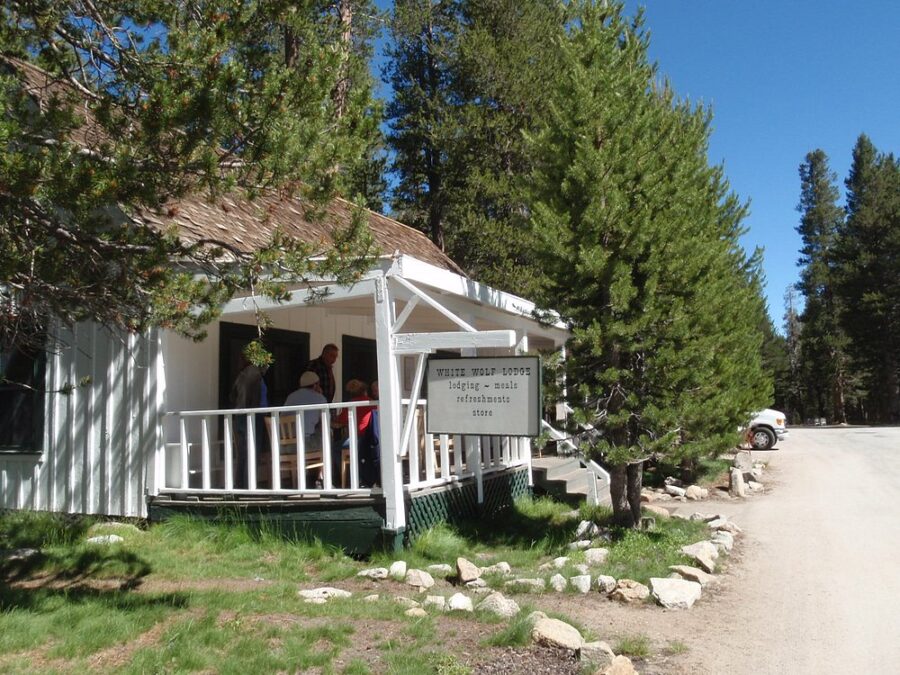
White Wolf Lodge is about 30 miles north of the valley, up near Tioga Road. Surrounded by fir and pine, it’s cooler and quieter than the valley. You’ll find cedar cabins and canvas-sided tent cabins, spaced out for privacy.
The cabins have wood stoves and real beds; tent cabins are simpler but still comfy. There’s a small dining tent serving hearty food, so you don’t have to cook after hiking. Being here late in the season, watching the sky turn gold above the meadow, feels like you’ve got the park to yourself.
White Wolf is best for those who want a secluded base near high-country trails like Lukens Lake and Harden Lake. It’s rustic, peaceful, and a great escape from valley heat.
Glamping and High Sierra Camps
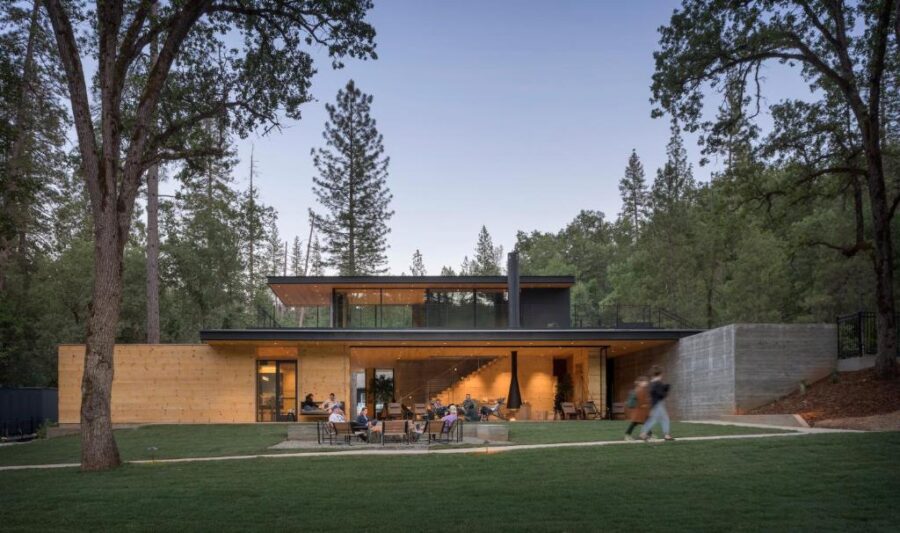
If you’re after a bit more comfort but still want some wildness, glamping in Yosemite is worth a look. AutoCamp (just outside the park) or the High Sierra Camps in the backcountry offer soft beds, hot showers, and real meals—right in the middle of nature.
The High Sierra Camps are spaced along a loop, six to ten miles apart. You hike from one to the next with just a daypack, sleep in canvas tents, and eat hot meals. The lottery system for reservations is a pain, but if you want remote trails without hauling a full backpack, it’s a game-changer.
Glamping spots closer to the valley let you sleep under canvas, sip coffee at sunrise, and hit the trails early. It’s a nice balance between camping and a traditional lodge.
Where to Camp in Yosemite National Park

Camping in Yosemite means waking up to granite cliffs and crisp air. The park’s campgrounds offer different ways to experience that—some are right by the Merced River, others are up in alpine meadows. A few are front-country with basic amenities, while some are deep in the wilderness and take real effort to reach.
Yosemite Valley Campgrounds
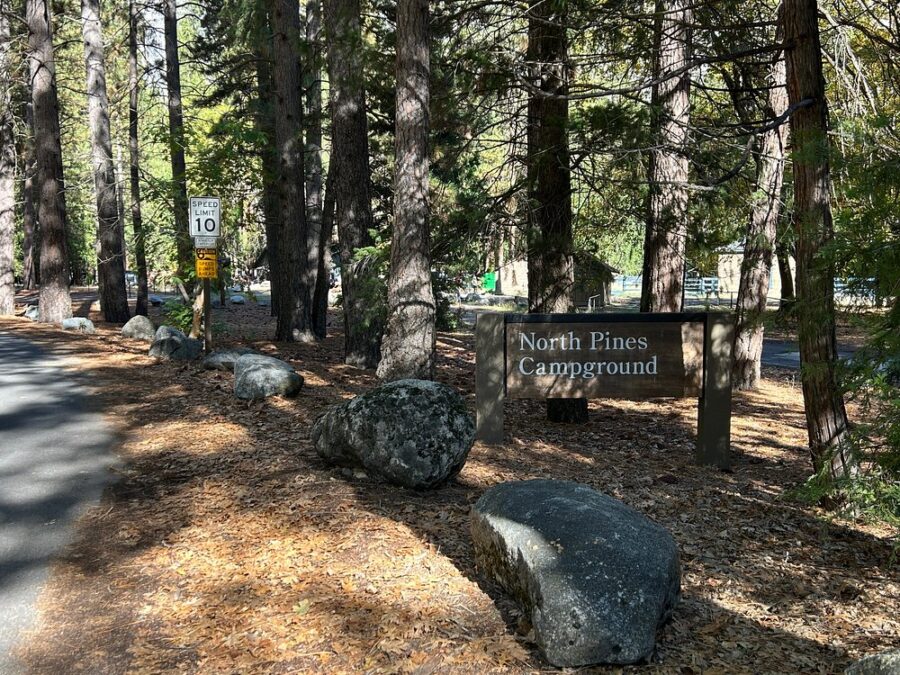
If you want to be in the middle of it all, Yosemite Valley is your spot. Upper Pines, Lower Pines, and North Pines campgrounds are right by the Merced River, close to Half Dome and Yosemite Falls. The river’s noise makes early nights tough, but honestly, it’s worth it.
Most sites allow tents, RVs, or trailers. You get picnic tables, fire rings, and bear-proof food lockers. Showers aren’t at the campgrounds, but you can use the ones at Curry Village for a small fee.
Reservations are essential from spring through fall and open months ahead. Upper Pines stays open in winter, but expect freezing nights and icy trails. If you arrive late, have a backup plan—there’s no overflow camping here.
Tuolumne Meadows Camping
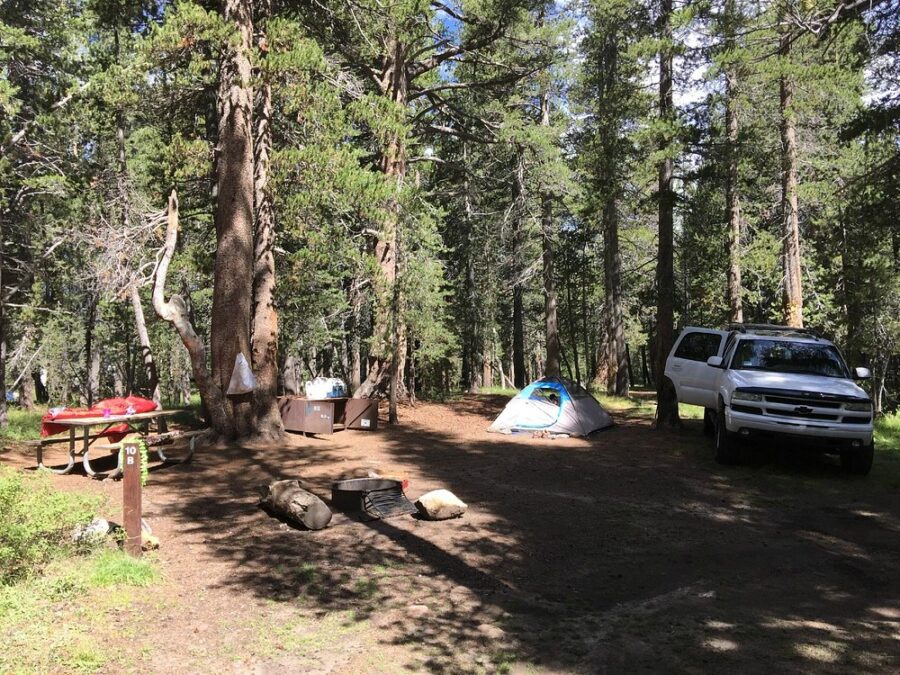
Tuolumne Meadows, at 8,600 feet on Tioga Road, feels worlds away from the valley. The air is cool and thin, crowds are lighter, and wildflowers pop from July to early September. Granite domes shine even brighter in the high-altitude sun.
The Tuolumne Meadows Campground has hundreds of spots for tents and small RVs. Amenities are basic—flush toilets, drinking water, bear lockers—but the location is what matters. Trails to Cathedral Lakes and Lyell Canyon start right from camp.
Early mornings here are magic. Brew coffee as deer cross the meadow and sunlight hits Lembert Dome. Just remember: Tioga Road usually closes by late October for snow, so check conditions and plan ahead.
Wilderness Camping Options

Backpackers craving real solitude can grab wilderness permits and set up camp deep in Yosemite’s backcountry. This kind of trip means packing light, carrying bear canisters, filtering stream water, and leaving no trace—no shortcuts.
Dozens of trailheads lead to remote corners like Cloud’s Rest, Vogelsang, and the alpine lakes near the Cathedral Range. Many hikers follow stretches of the Merced River, which is part of the Wild and Scenic Rivers System. That water stays freezing even in August, and the quiet along the banks is something you have to experience firsthand.
Permits are required year-round and you can snag them online or at wilderness centers in the park. The quota system fills up fast, so booking early is smart.
If you’re new to Yosemite backpacking, try a two-night loop near Glacier Point or Illilouette Creek. It’s a tough hike, but the views—absolutely worth it.
See Related: The Top Vacation Spot in the World: Discover the Ultimate Destination
Best Places to Stay Near Yosemite National Park Entrances

Staying just outside Yosemite usually means more space, better prices, and easier access to restaurants and supplies. Each entrance town has its own personality—some tucked in pine woods, others with that old western feel, or just quiet mountain scenery.
South Entrance: Fish Camp and Oakhurst
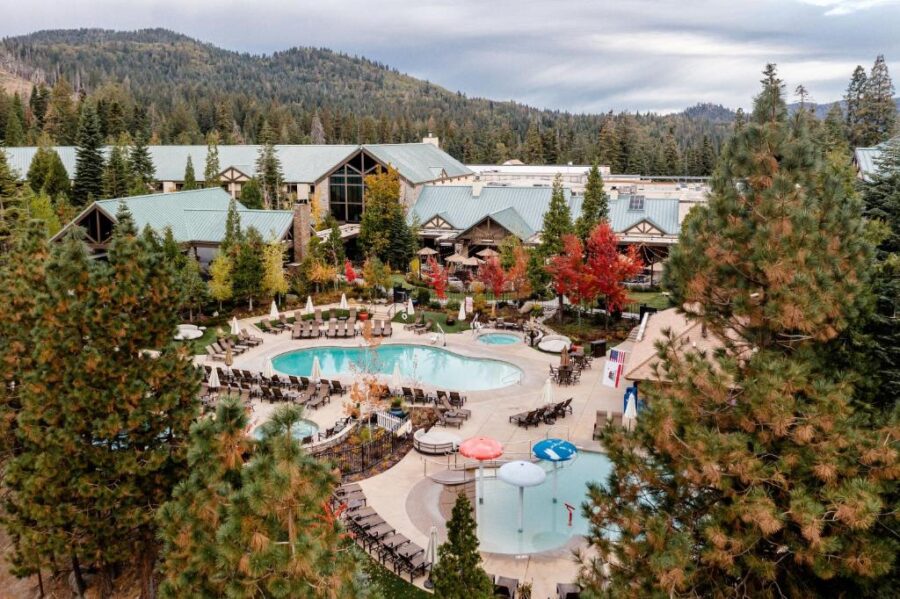
If you’re driving in from Los Angeles or central California, the South Entrance is the logical choice. Fish Camp is tiny but home to the well-known Tenaya Lodge at Yosemite.
This place feels more like a retreat than a basic hotel—big rooms, multiple restaurants, a spa, and even guided park adventures. It’s ideal if you want full-service lodging and don’t mind paying a bit more.
About 15 minutes down Highway 41, Oakhurst offers a more budget-friendly scene—motels, cabins, and vacation rentals line the main drag. You can grab dinner at a brewery or stock up on groceries before hitting the park. Plus, you’re close to Bass Lake, which is perfect for a swim or a kayak after hiking.
Here’s a quick comparison:
| Town | Distance to Entrance | Type of Stay | Highlights |
|---|---|---|---|
| Fish Camp | 2 miles | Full-service lodges, cabins | Affordable dining and shopping |
| Oakhurst | 16 miles | Hotels, motels, Airbnbs | Affordable, dining and shopping |
Arch Rock Entrance: El Portal and Mariposa
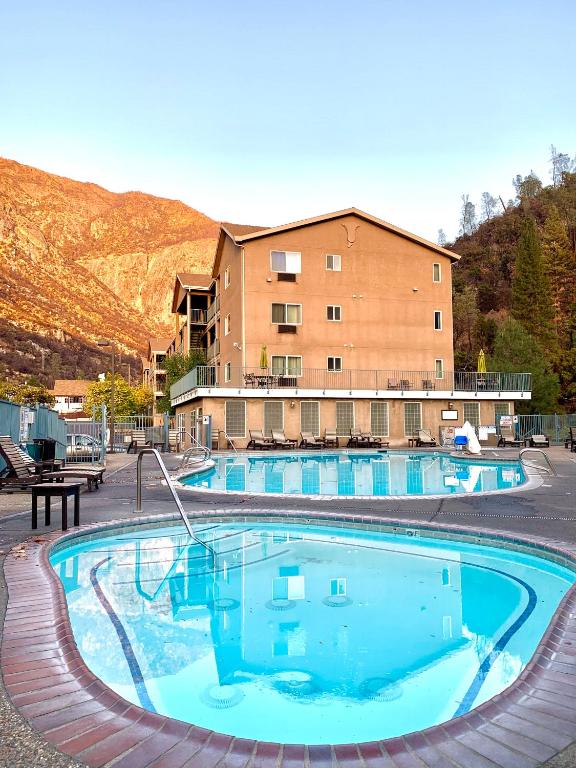
The Arch Rock Entrance drops you straight into Yosemite Valley along the Merced River. If you stay in El Portal, you’re about 30 minutes from the valley floor—close enough to catch sunrise on El Capitan.
Lodges here, like Yosemite View Lodge, sit right on the river and offer kitchenettes. Prices can be high, but you’ll save on drive time.
A bit farther west, Mariposa has a relaxed small-town vibe and more dining options, with slightly lower rates. It’s about an hour from the park, so you trade a bit of proximity for comfort.
Mariposa’s downtown has spots like the 1850 Restaurant and a few art galleries. One bed-and-breakfast I tried here felt more like visiting a friend’s place—coffee on the porch, no cell signal, and honestly, that was perfect.
This entrance is best if Yosemite Valley is your main focus. The road stays open year-round and usually doesn’t require chains until deep winter.
Big Oak Flat & Tioga Pass Entrances: Groveland and Lee Vining
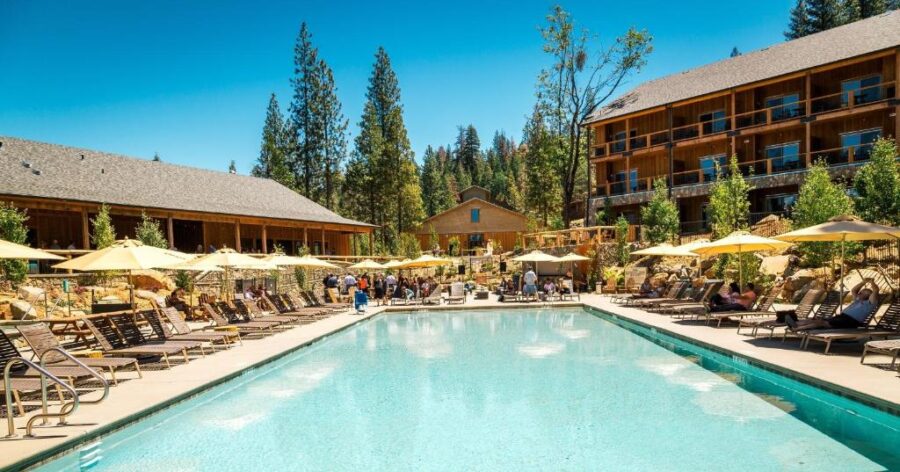
From San Francisco, Big Oak Flat on Highway 120 is the straight shot. Groveland looks like it time-traveled from the Gold Rush, with wooden storefronts and the old Iron Door Saloon.
Lodging ranges from rustic inns to family-friendly spots like Rush Creek Lodge, which has good food, pools, and fire pits. I’ve stayed here in late fall and actually looked forward to coming back after dark.
If you’re visiting in summer, Tioga Pass opens up the Sierra. Lee Vining sits just east of the park near Mono Lake—tiny, scenic, and quiet.
The drive along Tioga Road gets you to high meadows and trailheads most people skip. Lodging is simple—think motels and cabins—but perfect if you want early starts and peace.
| Entrance | Nearby Town | Best Time to Access | Why Stay There |
|---|---|---|---|
| Big Oak Flat | Groveland | Year-round | Historic town, close to the west of Yosemite |
| Tioga Pass | Lee Vining | Summer only | Scenic alpine access, fewer crowds |
Notable Hotels and Resorts Near Yosemite
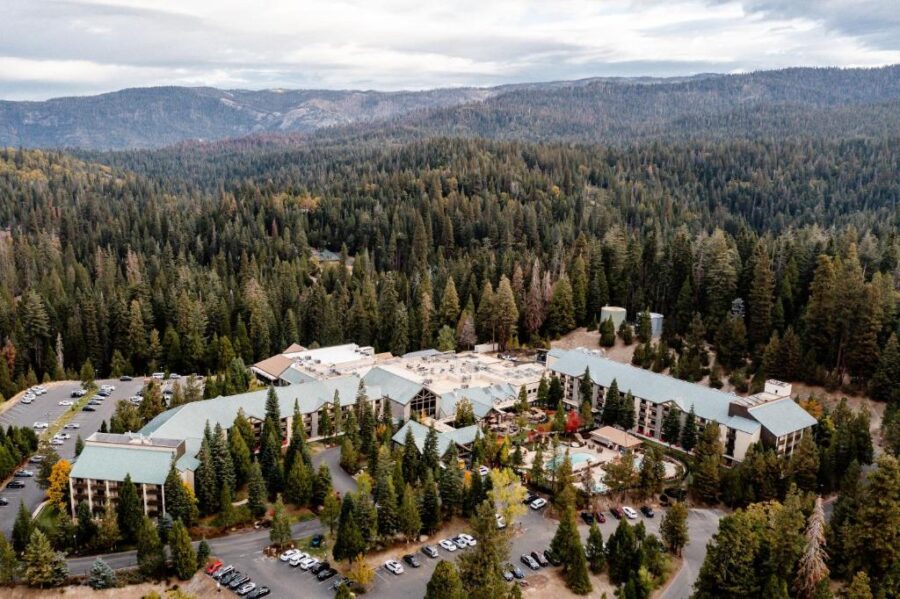
Towns near Yosemite offer a mix of places to stay—resorts with spas, family-friendly lodges, and small inns that still feel personal. Some let you step right out to pine trails before breakfast.
Tenaya Lodge: Full-Service Resort Experience
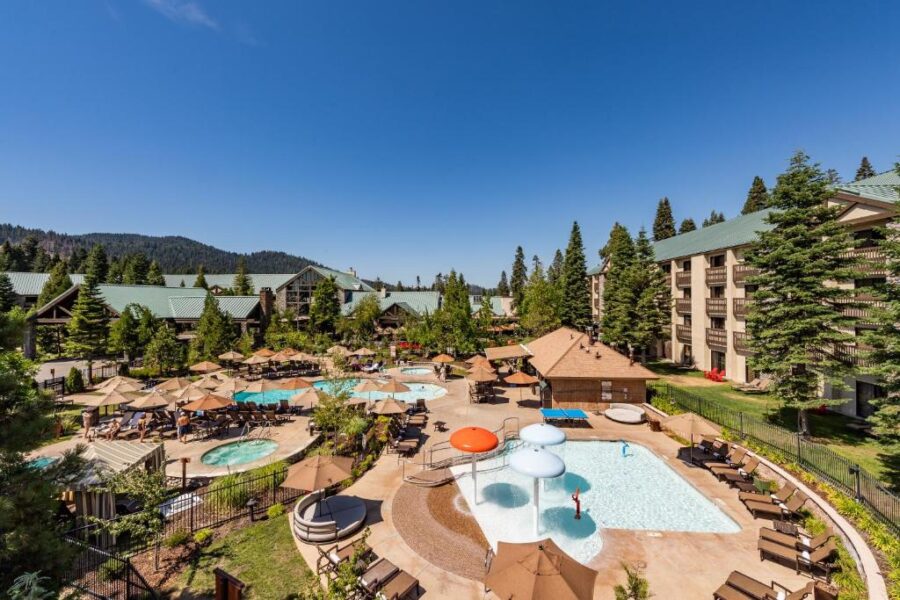
Tenaya Lodge sits just outside the south entrance and covers all the bases for comfort after a day outdoors. Drop your gear, grab dinner, plan the next hike—everything’s on-site. There’s a full-service spa, pools, and five restaurants from casual to upscale.
When I stayed here one winter, and the roads froze, having everything on the property was a lifesaver. The staff handled gear rentals, tour info,and even snowshoes. You can compare room options or check available lodging on Expedia to track rates.
Families like Tenaya for the cabins and indoor pool; couples go for the spa and quiet forest trails. It’s one of the most complete hotels in Yosemite’s gateway towns.
Boutique Hotels and Local Inns
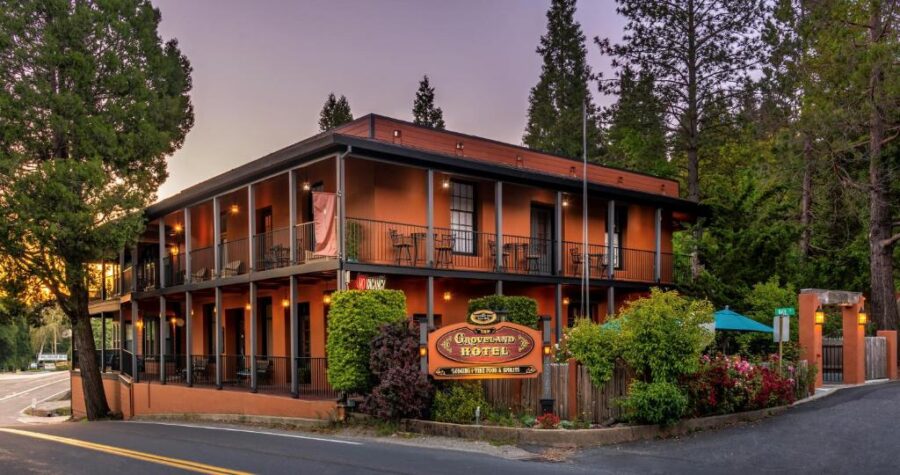
If you want something more personal, boutique hotels in Groveland, Mariposa, and Oakhurst have that homey vibe. The Groveland Hotel mixes 19th-century charm with modern touches—Wi-Fi, updated baths, and soft beds that make you forget you’re hours from a city. Local inns often have courtyards or gardens for morning coffee and planning your day.
Smaller inns usually know all the secret trailhead parking spots or where to grab last-minute supplies. Many are family-run and remember you when you return.
That continuity adds a lot you won’t find in chain hotels. You can easily check room types and compare prices on Booking.com, especially for peak summer dates.
Vacation Rentals and Cabins
If you want more independence, cabins and vacation rentals near Yosemite Valley are a solid pick—especially for groups. Cabins in Wawona, Fish Camp, and Foresta come with kitchens, wood stoves, and decks for relaxing after a long day. You’ll cook, do laundry, and maybe spot deer right outside.
Renting a cabin near El Portal last fall, I noticed the quiet after sunset was so deep it almost buzzed. That’s something hotels just can’t match. Renting also saves money if you’re splitting costs or staying a while.
To compare short-term rentals or hunt for last-minute deals, check KAYAK. It’s a good setup if you want space and the feeling of being just outside the park’s edge.
See Related: Most Underrated National Parks in the World
Frequently Asked Questions

Where you stay in Yosemite depends on the trip you want. The park has everything from grand historic hotels to quiet cabins in the woods. Some places offer big views and resort perks; others keep it simple and close to the trails.
What are the top-rated accommodations within Yosemite for a romantic getaway?
If you want a special spot, The Ahwahnee is hard to top. It’s Yosemite’s flagship hotel, famous for its stone architecture, wood-beamed ceilings, and wide views of Yosemite Valley. Rooms are pricey, but many couples say it’s worth it once you see Half Dome glow at sunset from the dining room.
The Wawona Hotel near the south entrance has more of a vintage charm—wraparound porch, old-fashioned rooms, and a step-back-in-time feel without being stuffy. For privacy over grandeur, look at smaller inns in Mariposa or Fish Camp; many have cozy suites with hot tubs or fireplaces.
Can you recommend lesser-known lodges or cabins within the park for an authentic Yosemite experience?
Curry Village’s canvas tent cabins near Yosemite Falls aren’t fancy, but they’re about as close as you’ll get to sleeping inside the valley without pitching your own tent. You’ll have easy access to dining and showers, and wake up to those granite walls.
Wawona has several private cabins tucked among pines, feeling like true backcountry hideaways but still inside park limits. They’re quieter than the valley floor and make a solid base for exploring the Mariposa Grove of Giant Sequoias.
Which areas of Yosemite National Park are ideal for first-time visitors seeking convenient access to major attractions?
For your first trip, Yosemite Valley is the obvious choice. You can walk to waterfalls, rent bikes, and hop shuttles that make getting around easy. The views are constant, and staying in the valley saves time each day.
If the valley’s full, El Portal and Yosemite West are close runners-up. Both sit just outside the park boundary, but you can reach main sites like Glacier Point and Tunnel View in half an hour. These areas also tend to have better internet, more food options, and sometimes lower prices.
White Wolf Lodge feels like a secret even regulars don’t always know about. It’s up near Tioga Road, surrounded by meadows and old forest. The cabins have wood stoves and almost no phone service, which honestly makes it more peaceful.
If you want more amenities, Tenaya at Yosemite in Fish Camp has resort-style rooms, pools, and a spa, just minutes from the south entrance. The views aren’t valley cliffs, but you get mountain air and quick access to scenic drives and guided activities.
What unique options are available for lodging near Yosemite National Park that might not be widely advertised?
Mariposa County has several family-run bed and breakfasts that skip the crowds and offer a true local touch. Some hosts pack breakfast picnics or share their favorite off-map hikes. The Blue Butterfly Inn by the Merced River sometimes feels more like staying with friends than booking a room.
You’ll also find creative rentals outside the gates—Airstreams at AutoCamp Yosemite, rustic yurts, or cottages with decks facing wild hills full of stars. Travelers who like mixing comfort with a bit of novelty often pick these for a stay that’s memorable but not over the top.
How do I choose between staying at a hotel or a cabin when planning my visit to Yosemite?
It mostly comes down to how much independence you want. Cabins give you peace and let you cook your own meals after a long hike. Hotels handle the details—housekeeping, dining, sometimes even shuttle access to the park.
In summer, when campgrounds get packed, a cabin in Wawona can feel like a real escape. When it’s colder, a hotel near the valley floor with heating and easy access to local tours just makes life simpler. Book early and pick what fits your style—you’ll be set either way.