
Last modified September 4, 2025
Picking between Gdańsk and Klaipėda? Honestly, it’s not just a matter of choosing one port city over another. Both hug the Baltic coast, both are steeped in history, and neither rushes like a big capital. If you’re craving lower living costs and a slower pace, Klaipėda takes the prize. But if you want more culture and job options, Gdańsk is your spot.
You’ll feel the difference as soon as you arrive. Gdańsk buzzes with a bigger, more international vibe, while Klaipėda gives you that cozy, small-town feeling—the sea always nearby. I’ve wandered both, and for me, the decision always boils down to whether you crave calm and affordability or energy and endless choices.
Traveling between the two? It’s easier than you might think—hop on a bus, train, ferry, or just drive. No need to stick to just one.
Key Takeaways
- Gdańsk packs in more culture and work options
- Klaipėda is easier on your wallet and your nerves
- Jumping between the two is honestly a breeze
Gdańsk vs Klaipėda: Key Differences and Similarities
Both cities perch on the Baltic, sharing that salty, maritime soul, but once you’re there, they just don’t feel the same. One city leans on its shipyard roots and grand old buildings; the other is all about that gentle, coastal rhythm and a smaller scale.
Overview of Gdańsk
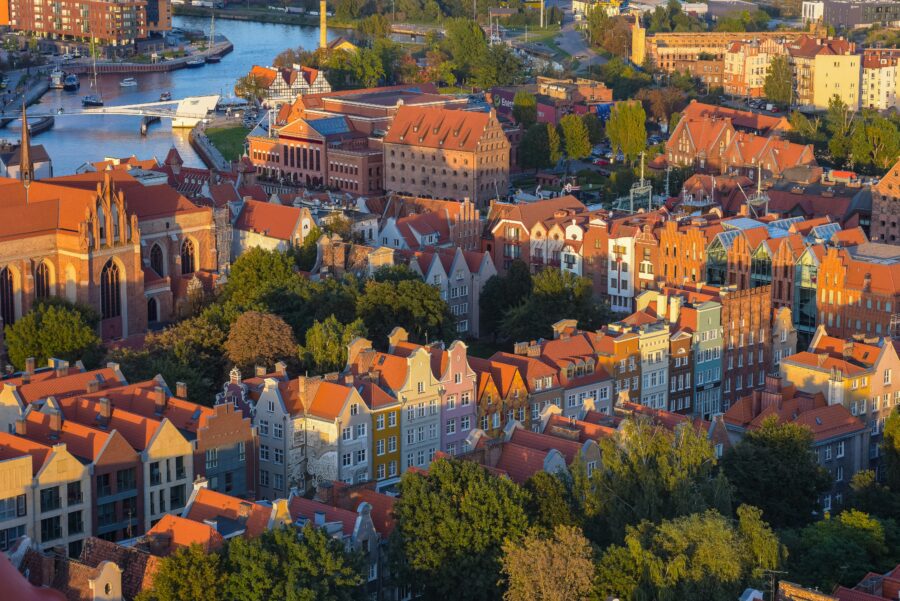
Step into Gdańsk and the architecture will probably stop you in your tracks. The Old Town, rebuilt after WWII, is straight-up storybook—colorful facades, tall merchant houses, and that iconic Neptune Fountain on Długi Targ.
Gdańsk wears its industrial and maritime heart on its sleeve. The Gdańsk Shipyard fired up the Solidarity movement, which changed Poland forever. You can still feel that energy, especially if you check out the European Solidarity Centre.
It’s a bigger, more cosmopolitan city than Klaipėda. University students fill the streets, the port is always humming, and the nightlife swings from craft beer bars to jazz haunts. If you’re flying in, you’ll find pretty good connections, and every so often, cheap tickets pop up, making it a tempting weekend getaway.
Overview of Klaipėda
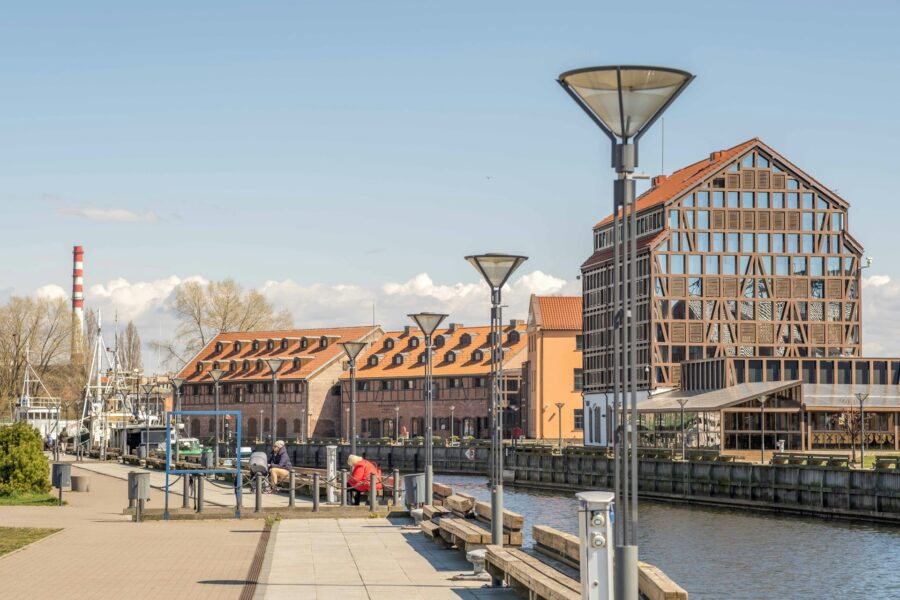
Klaipėda just feels smaller and way more relaxed. It’s Lithuania’s main port, but you can stroll across the center in a day, no sweat. The Old Town is compact, with cobbled lanes and quirky sculptures tucked here and there.
The buildings catch your eye too—lots of German-style timber frames, a little wink to its Prussian roots. It’s not as grand as Gdańsk, but honestly, that’s part of its charm. It’s approachable, never crowded.
Klaipėda is also your jumping-off point for the Curonian Spit, a wild, UNESCO-listed sand dune peninsula. Nature lovers, this is your jam. Ferries leave all the time, and in minutes you’re wandering pine forests and dunes that feel miles away from the city.
Cultural and Historical Highlights
Both cities share that Baltic DNA, but their stories split off in different directions. Gdańsk once thrived as a rich Hanseatic port, and you can sense the layers of German, Polish, and global influence. The WWII Museum lays out just how pivotal this city became.
Klaipėda, meanwhile, belonged to East Prussia up until the 20th century. You’ll pick up on the mix of German and Lithuanian culture. The Sea Festival is a big deal here, and folk music keeps local traditions alive.
They both celebrate the sea, but Gdańsk leans into its shipyard and political history, while Klaipėda feels more about fishing, coastal life, and the landscape. If you’re a history buff, Gdańsk hits harder; Klaipėda gives you a softer, more laid-back cultural vibe.
Traveling Between Gdańsk and Klaipėda
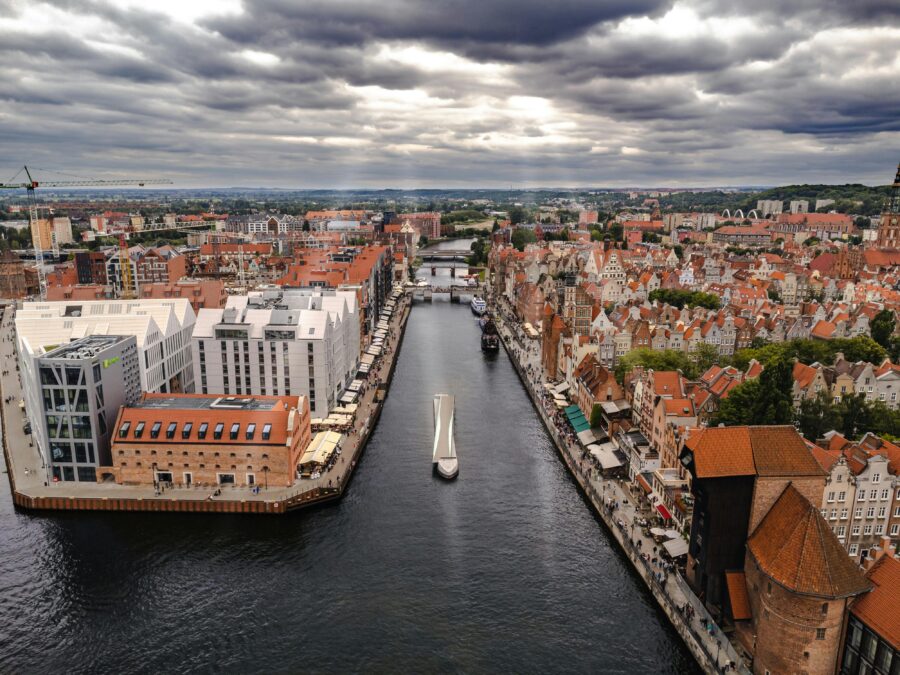
Getting from Gdańsk in Poland to Klaipėda in Lithuania? Pretty straightforward, but you’ll want to plan ahead. Drive, take a bus, or mix trains and buses—each comes with its own quirks in terms of comfort, cost, and time.
Distance and Route Options
The straight-line distance is about 219 km (136 miles), but by road it’s closer to 299 km. Driving usually takes just over five hours if the border and traffic play nice.
Driving gives you the most freedom. You can stop in little Baltic towns, grab a bite, or even detour to the Curonian Spit. If you’ve got friends or family along, splitting the drive makes it cheaper and more fun.
The quickest route crosses into Kaliningrad Oblast, but that means dealing with a Russian visa. Most people skip that and drive north through Klaipėda County, staying inside the EU.
If you’re driving, I’d definitely throw in some trusty travel gear—GPS mount, power bank, you know the drill. Those rural roads can get confusing.
Bus and Coach Travel Insights
Not driving? Long-distance buses are your friend. A few companies run services between Gdańsk and Klaipėda, with trips taking anywhere from 13 to 19 hours. Yeah, it’s a slog, but it’s cheap and you skip the car rental headaches.
Tickets run about €50–€60 if you book last minute, but you might snag a better deal if you plan ahead. Buses leave from Gdańsk Główny and roll into Klaipėda autobusų stotis—right in the city center.
Comfort depends on the company. Some buses have Wi-Fi, chargers, and decent legroom; others are more old-school. If you’re a light sleeper, pack a neck pillow and headphones. Trust me.
I’ve done overnight buses in the Baltics before. They’re not glamorous, but you save on a hotel. Don’t expect to wake up refreshed, though.
Train and Alternative Transport
No direct train runs from Gdańsk to Klaipėda. You’ll have to mix trains and buses, usually through Kaunas or Vilnius. The train rides are comfy and cheap—tickets start at about €18.90 (rail connections)—but the transfers eat up your day.
Flying is an option, but there aren’t many direct flights. You’ll probably connect through Riga or Warsaw, which means extra layovers and expense. If you’re pressed for time, check flights on KAYAK—sometimes you’ll get lucky.
Carpooling is another route. Loads of folks in the Baltics share rides online. It’s usually cheaper and sometimes faster than the bus, but you’ve got to be flexible.
If you love trains or want to see more of Lithuania, the train+bus combo is worth it. Otherwise, I’d just stick with the bus or drive.
Border Crossing and Travel Tips
Both Poland and Lithuania are in the Schengen Zone, so border checks are rare. Usually, you just roll through, but keep your passport or ID handy for the occasional random stop.
Driving? Lithuania uses kilometers per hour, and their road rules differ a bit from Poland’s. Speed cameras are everywhere, so don’t test your luck. Gas is cheaper in Poland, so fill up before you cross.
For bus travel, bring snacks and water. Stops are few, and sometimes you only get a quick 10-minute break. Wi-Fi is hit or miss, so download your podcasts or shows before you board.
One more tip: Klaipėda’s bus station is close to the old town, but if you arrive late, just grab a taxi. The city’s safe, but after a long ride, dragging your suitcase over cobbles is nobody’s idea of fun.
Cost of Living Comparison
Life in Gdańsk does hit your wallet harder than in Klaipėda, especially when it comes to rent and daily spending. Housing is the big difference, but food and transport are pricier too in Poland’s coastal city.
Housing and Accommodation
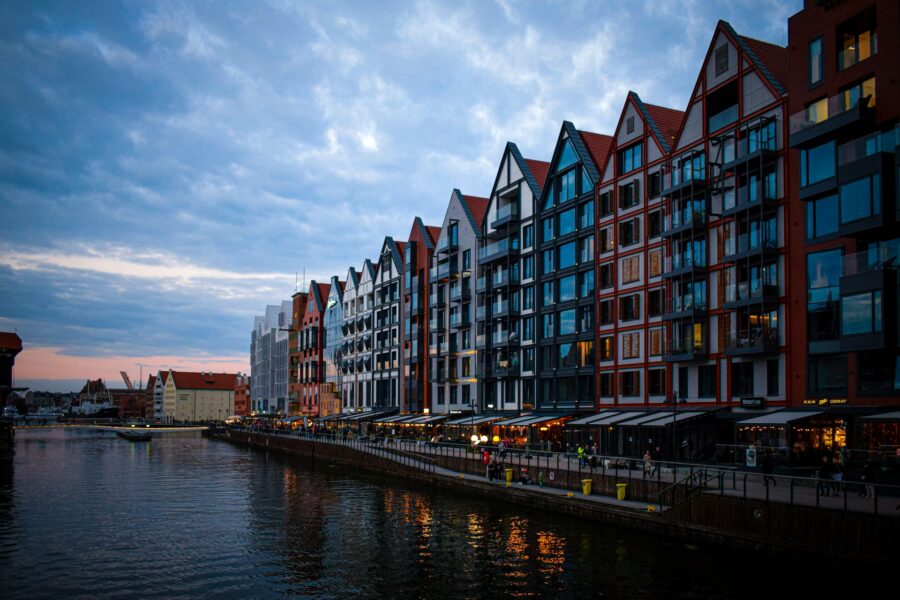
Rent in Gdańsk can easily double what you’d pay in Klaipėda. A central one-bedroom might run over €800 a month in Gdańsk, while in Klaipėda you’re looking at something closer to €400. That’s a game-changer if you’re staying a while.
Short stay? Hotels and guesthouses follow the same trend. Gdańsk offers more accommodation options—boutique hotels, modern apartments, the works—but expect to pay more. Klaipėda has fewer choices, but you’ll usually get more bang for your buck.
Utilities cost more in Gdańsk too. Winters get cold in both places, but Polish apartments tend to be bigger, and heating those spaces adds up.
Food and Dining

Dining out in Gdańsk is pricier, but you do get a wider range of international flavors. A mid-range meal might set you back €12–15, while in Klaipėda you’ll spend closer to €8–10. Coffee and snacks come cheaper in Lithuania, so your daily habits don’t sting as much.
Groceries tell a similar story. Basics like bread, milk, and veggies are a bit cheaper in Klaipėda. If you cook at home, you’ll notice the savings pile up. Imported goods? Prices are pretty much the same in both cities.
Gdańsk’s markets are lively and packed with Polish specialties, but you pay for the experience. Klaipėda’s markets are smaller and more chill, but your wallet will thank you.
Transportation Costs
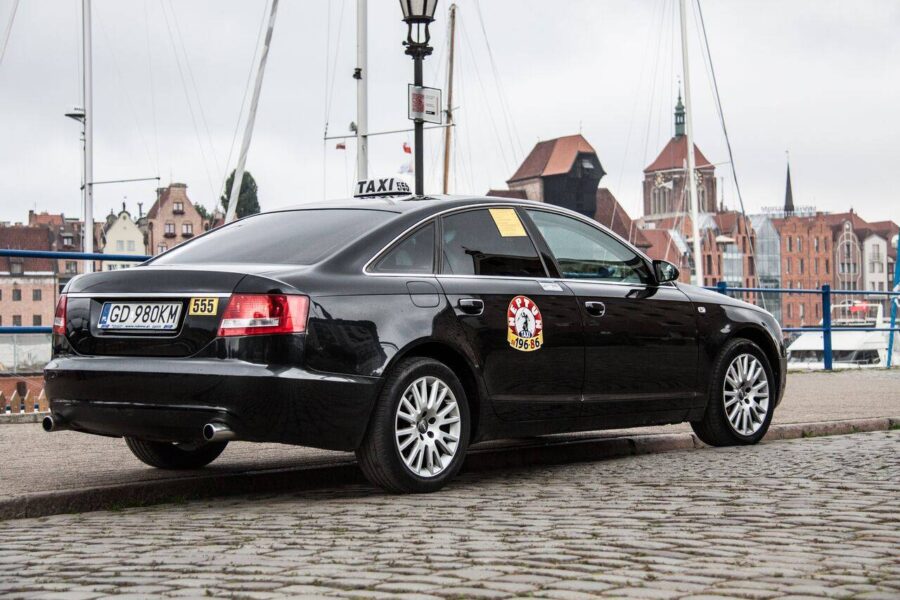
Public transport is cheap in both cities, but Gdańsk still costs more. A monthly pass in Gdańsk goes for about €30–35; in Klaipėda, it’s closer to €20–25. If you’re commuting daily, that’s a solid difference.
Taxis and ride-hailing apps are also a better deal in Klaipėda. Quick trips around town won’t sting, but in Gdańsk, fares creep up, especially during rush hour.
Owning a car is pricier in Poland, too. Fuel costs more, and parking in central Gdańsk can drive you nuts. Klaipėda’s smaller size means less traffic and cheaper parking, so driving is just less of a headache.
Quality of Life and Local Experiences
Life in both Gdańsk and Klaipėda is shaped by the sea, but the feel is totally different. Gdańsk has that big-city pulse, more infrastructure, and a faster rhythm. Klaipėda moves slower, feels more personal, and you’re never far from the salty breeze.
Work and Study Opportunities
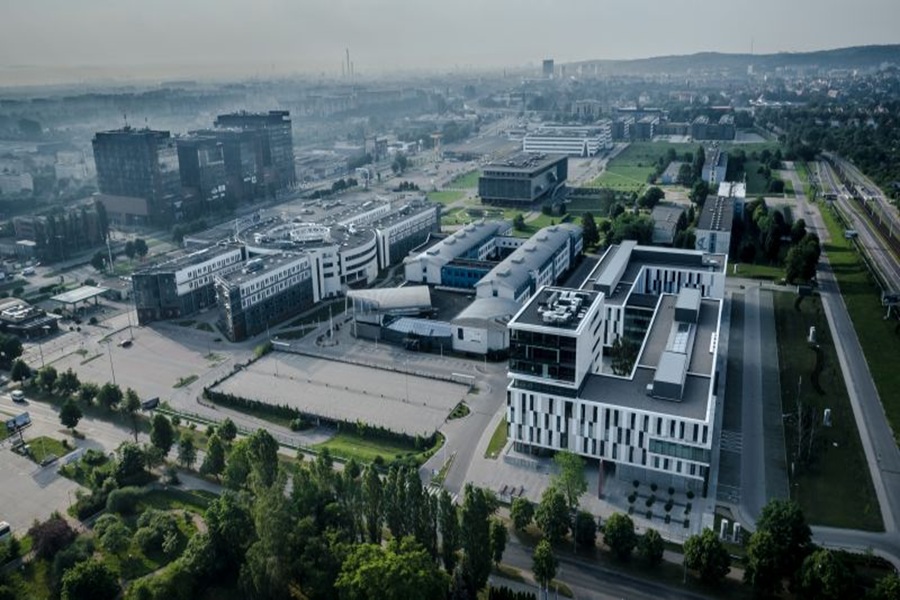
Looking for career options? Gdańsk really stands out. It’s buzzing as one of Poland’s fastest-growing cities, thanks to its booming IT and shipping industries. Big international companies have opened offices here, so English-speaking jobs pop up more often than you might expect.
Universities like the University of Gdańsk pull in students from all over Europe. That energy is noticeable—there’s always something happening on campus or in the city.
Klaipėda feels smaller, but it’s still a big deal as Lithuania’s main port. Most jobs here revolve around logistics, trade, and maritime work. You won’t find as many opportunities as in Gdańsk, but Klaipėda University is well-known for marine sciences and attracts a dedicated crowd.
If you’re studying or working abroad, here’s a little tip: check out local luggage storage services when you’re moving between flats or heading out for a weekend trip. It just makes life easier, especially in port cities where trains and ferries are part of the routine.
Leisure and Entertainment
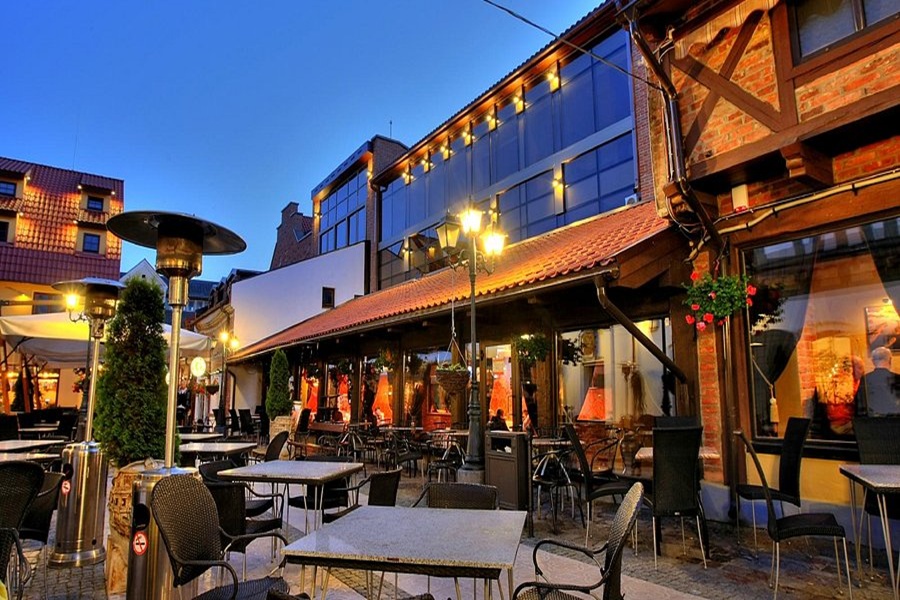
Gdańsk’s nightlife is hard to beat if you like variety. The Old Town might be compact, but it’s packed with bars, restaurants, and some pretty impressive theaters and galleries. When summer rolls around, open-air festivals take over, and you’re only a short train ride from the Sopot beaches.
Klaipėda, in contrast, feels more relaxed. You’ll find cozy cafes, local breweries, and a couple of fun clubs, but it doesn’t try to compete with Gdańsk’s energy. What really sets it apart is the easy access to the Curonian Spit—a UNESCO World Heritage site with dunes, pine forests, and those quiet, endless beaches. Sometimes, that’s all you need.
Both cities encourage you to get outside. Cycling paths wind everywhere, and the sea air feels fresher than what you get inland. If green space and quick escapes into nature are your thing, Klaipėda might just win you over.
Safety and Healthcare
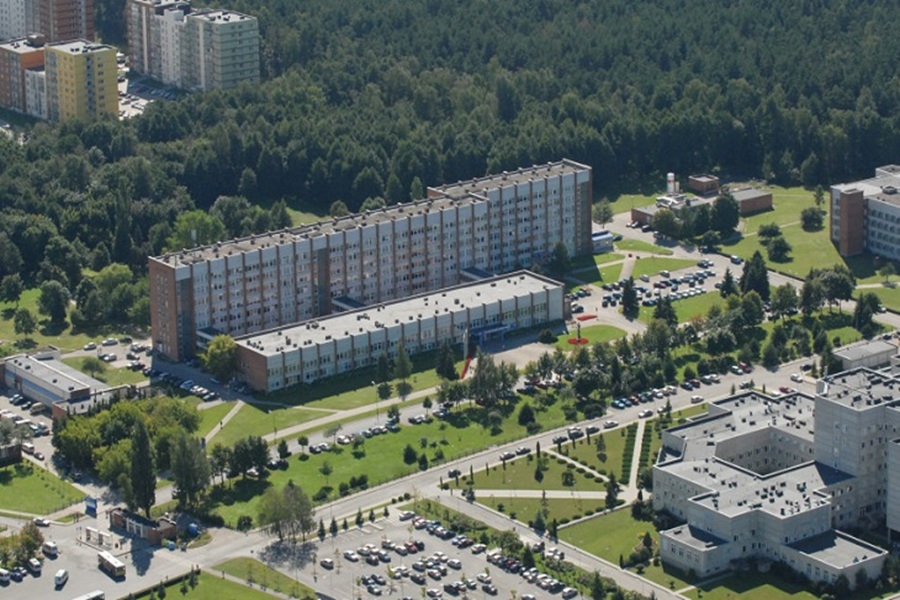
In terms of safety, both cities feel pretty low-stress. Gdańsk, being bigger, has the usual city stuff—watch out for pickpockets in touristy spots—but honestly, most neighborhoods feel safe, even at night. Klaipėda’s smaller size gives it a calm, almost sleepy vibe after dark.
Healthcare in Poland generally gets higher marks, and Gdańsk has more hospitals and private clinics to choose from. Sure, public system waiting times can drag on, but private care is easy to find. Klaipėda’s facilities are fine for most things, though for more specialized care, you might need to head to Vilnius or Kaunas.
If you’re settling in for a while, it’s smart to look into travel insurance that covers both routine checkups and emergencies. It’s just good peace of mind, especially if you’re bouncing between Poland and Lithuania.
Tourist Attractions and Must-See Sights
Gdańsk and Klaipėda both deliver when it comes to history, culture, and that irresistible coastal vibe. You’ll find medieval streets, seaside escapes, and museums that tell stories you won’t get anywhere else.
Top Sights in Gdańsk
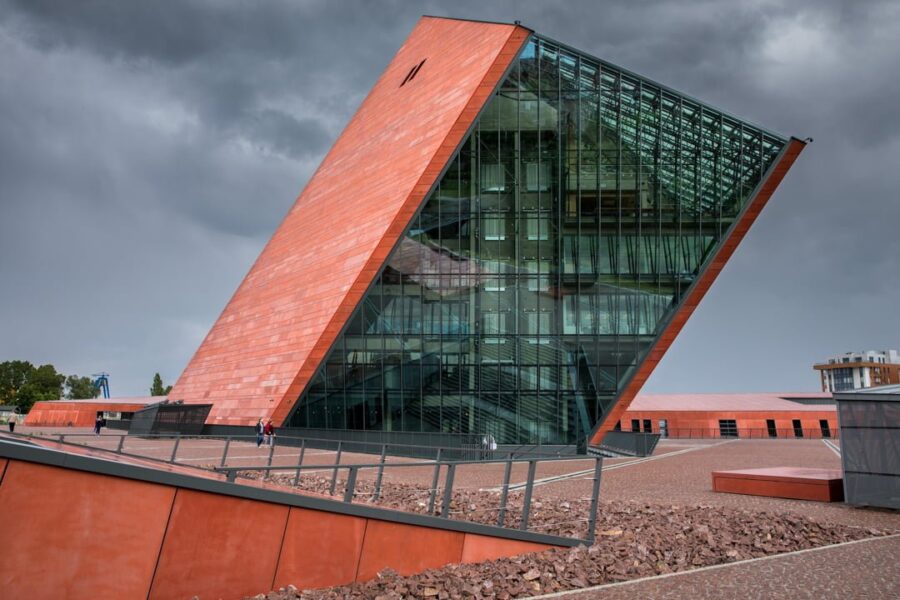
Walking through Gdańsk is a bit like wandering through a living history book. The Royal Way is lined with pastel townhouses and landmarks like the Golden Gate and Neptune’s Fountain. If you slow down, you’ll spot incredible details on every façade.
The Museum of the Second World War hits hard—it’s one of Europe’s most powerful museums. It’s not exactly light, but it’s worth every minute. If you’re pressed for time, join a guided walk along the Old Town or the Motława River embankment. You can easily book one through GetYourGuide.
Don’t miss St. Mary’s Basilica, the world’s largest brick church, or Westerplatte, where World War II began. Oh, and Mariacka Street is perfect for hunting down amber souvenirs—super local, and you’ll find unique pieces.
Top Sights in Klaipėda
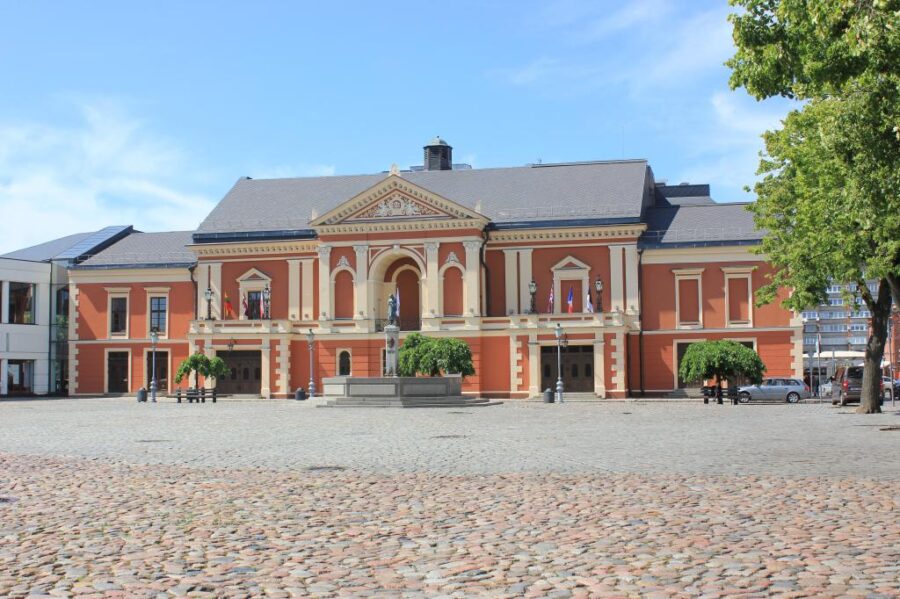
Klaipėda gives off a quieter, more intimate vibe, with hints of German influence in the architecture. The Theatre Square sits right at the city’s heart and often buzzes with festivals and street performers. I once stumbled into a folk dance show there by pure luck—seriously, these surprises happen.
Hop on a short ferry to Smiltynė Beach, part of the Curonian Spit. The dunes are huge, and it almost feels like you’re on another planet. Back in town, quirky sculptures pop up everywhere—like the “Black Ghost” lurking near the old castle ruins.
If you’re into maritime history, don’t skip the Lithuanian Sea Museum inside a 19th-century fortress. It’s great for families, but honestly, it’s fascinating even if you’re just wandering solo.
Day Trips and Nearby Destinations
From Gdańsk, you can hop over to Sopot and Gdynia—locals call it the Tri-City. Sopot’s pier is the longest wooden one in Europe, perfect for a breezy stroll. If you want something more organized, check out day trips to Malbork Castle, which happens to be the world’s largest brick fortress.
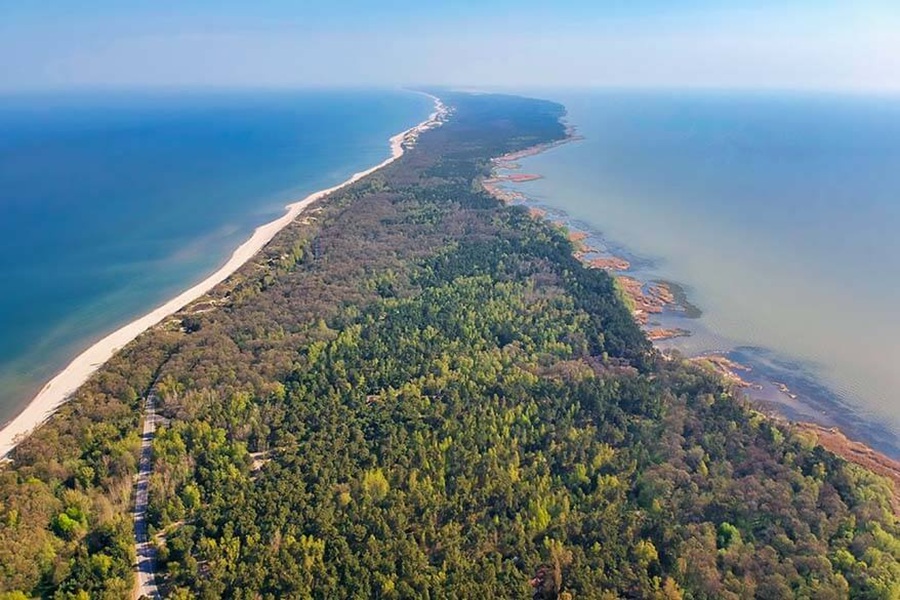
Klaipėda works well as a base for exploring the Curonian Spit National Park. You can bike through forest trails or climb Parnidis Dune for sweeping Baltic views. Palanga is just a short drive away and offers a lively beach scene with plenty of cafes and nightlife.
And if you’re feeling extra adventurous, both cities offer easy ferry connections across the Baltic. Why not hop over to Sweden or Latvia for a change of scenery?
Seasonal Events and Best Times to Visit
Gdańsk and Klaipėda each have their own rhythm depending on the season. One city goes all out with massive festivals, while the other charms you with its seaside traditions and quieter moments. Weather definitely shapes the experience, so timing matters.
Annual Festivals and Celebrations
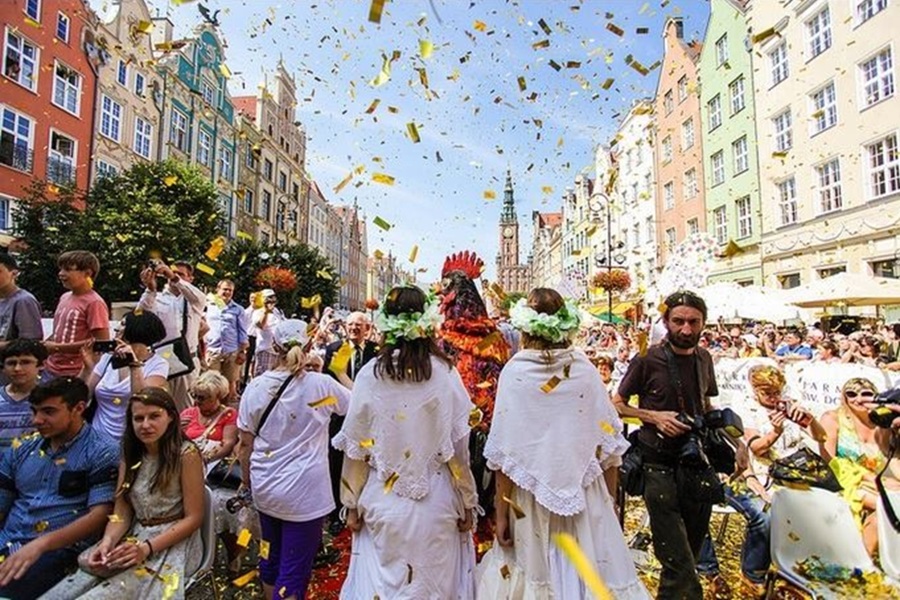
If you’re into big, lively festivals, Gdańsk is the place. The St. Dominic’s Fair takes over the city every summer—it’s one of Europe’s oldest markets. Streets fill up with stalls, concerts, and people everywhere. I once spent hours just wandering, eating, and still felt like I missed half of it.
Klaipėda leans into its maritime roots. The Sea Festival in July is the highlight, with parades, fireworks, and music by the harbor. It feels local, even when the crowds show up. The Klaipėda Castle Jazz Festival in August draws an international crowd, but it’s still more chill than Gdańsk’s big events.
You’ll also catch smaller happenings. Gdańsk puts on outdoor concerts and cultural fairs in spring, while Klaipėda’s spring film festival is a cozy alternative if you want something quieter.
Weather and Climate Comparison
Weather can totally change your plans, so keep an eye on it. Gdańsk is at its best from late spring through early autumn. May to September brings mild to warm days (think 18°C to 25°C), lots of sunshine, and non-stop outdoor events (more here). Winters are gray, wet, and honestly, a bit dreary—unless you’re into cozying up indoors.
Klaipėda shares the Baltic climate but feels a bit milder thanks to the sea. Summer hovers around 17°C to 22°C—ideal for hitting the beach and joining the festivals. Spring and fall are cooler, but fewer crowds and cheaper hotels make up for it. Winter dips below freezing, but the city’s cafés and museums help take the edge off.
Here’s a quick look:
| Season | Gdańsk | Klaipėda |
|---|---|---|
| Spring | Mild, flowers in bloom | Quiet, budget-friendly |
| Summer | Warm, packed with festivals | Warm, Sea Festival & Jazz Festival |
| Autumn | Cooler, colorful streets | Scenic foliage, fewer tourists |
| Winter | Cold, damp, less activity | Freezing, cozy indoor vibe |
If you’re chasing big festivals, summer’s the time to go. But if you’d rather dodge the crowds, late spring or early fall is your sweet spot.
Frequently Asked Questions
Both Gdańsk and Klaipėda share that Baltic spirit—shaped by trade, seafaring, and layered histories. Once you start exploring, though, the differences in culture, food, and even how you get around really stand out.
What unique cultural experiences can I expect when visiting either city?
In Gdańsk, you’ll wander past amber shops along the Royal Way and maybe pop into the Solidarity Museum—which, honestly, hits harder than most history museums. Street performers fill the Old Town with music and energy, especially in summer.
Klaipėda has its own quirks. The city is dotted with little bronze sculptures—almost like a scavenger hunt. And the Sea Festival? It’s the highlight of the year, no question.
How do the historical backgrounds of these port cities influence their present-day charm?
Gdańsk once belonged to the Hanseatic League, and you can see that old wealth in its tall, narrow merchant houses. The scars of WWII remain, but the rebuilt Old Town feels real, not staged.
Klaipėda’s German roots (it used to be called Memel) show in the timber-framed houses and the mix of Baltic and Prussian touches. The city feels smaller and less polished than Gdańsk, but honestly, that’s part of its charm—it hasn’t been turned into a tourist trap.
In Gdańsk, skip the touristy spots and hunt down a family-run place for pierogi. I once found a tiny spot near the shipyard serving herring three ways—simple, cheap, and unforgettable.
Klaipėda leans into hearty Lithuanian food. Cepelinai (potato dumplings) are essential, but smoked fish straight from the Curonian Lagoon is even better. The freshness is something you really notice here.
Can you compare the accessibility and convenience of public transport options?
Gdańsk has a solid tram and bus system, plus SKM trains that connect you to Sopot and Gdynia. You can get around just fine without a car.
Klaipėda is smaller, so buses are the main option. They’re reliable, but don’t expect frequent service late at night. Most days, I just walk—the city center is compact, and unless you’re heading to the beaches or the Curonian Spit ferry, you won’t need much else.
What seasonal events should travelers be aware of when planning their visit?
Summer in Gdańsk means the St. Dominic’s Fair—centuries old, crowded, but absolutely worth it for the mix of crafts, food, and street life.
Klaipėda comes alive during the Sea Festival in July. The city celebrates its maritime roots with parades, concerts, and ships in the port. It’s lively, but still feels more local and less commercial than the big events in Gdańsk.
How do the coastal landscapes differ between these two maritime cities?
Gdańsk’s coast? It stretches out into these wide, sandy beaches—especially if you wander over to Stogi or Brzeźno. You can just hop on a tram and, honestly, you’ll hit the sand before you know it.
Klaipėda, on the other hand, sort of nudges you toward the Curonian Spit. That place is a UNESCO site, and it’s got these crazy big sand dunes and pine forests that go on and on. You’ll need to catch a quick ferry, but once you’re there, it’s like you’ve landed somewhere totally different—quiet, wild, and so far from the city noise it almost feels unreal.