Where to Stay in Tbilisi: Best Areas & Top Hotels for Every Traveler
Updated December 17, 2025
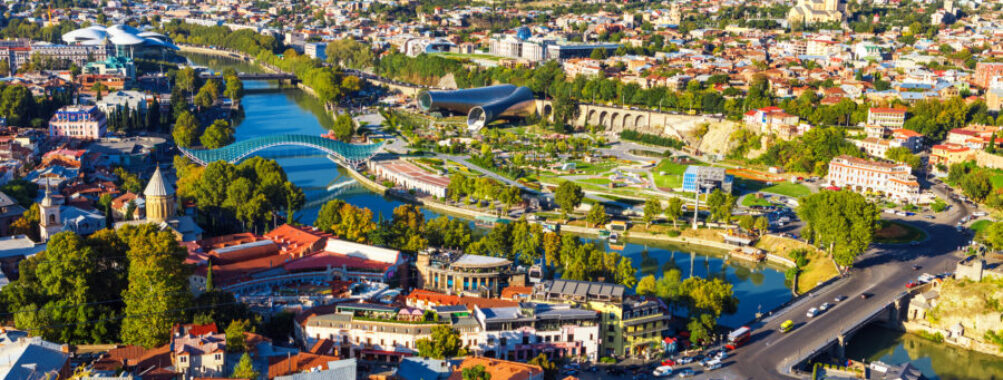
Figuring out where to stay in Tbilisi? It’s a city of contrasts—Old Tbilisi’s winding alleys, Vera’s leafy calm, Vake’s polished hangouts. You don’t need to scroll endless reviews or second-guess every neighborhood. Here’s a breakdown of Tbilisi’s top areas—what each actually feels like—and the hotels that’ll make your trip smoother, no matter your budget.
I’ve compared locations, comfort, and value across the city so you can skip the guesswork. Each neighborhood shows a different side of Tbilisi, and picking the right one really shapes your visit.
Key Takeaways
- Find neighborhoods that fit your style and wallet
- Get hotel picks with honest pros and cons
- Use these practical tips to plan your Tbilisi stay with confidence
Table of Contents
- How to Choose Where to Stay in Tbilisi
- Neighborhood Vibes and Atmosphere
- Proximity to Major Attractions
- Transport & Accessibility
- Budget Considerations
- Old Tbilisi (Kala): Historic Heart & Best for First-Timers
- Key Sights and Architecture
- Restaurants, Nightlife & Culture
- Best Hotels & Guesthouses
- Sololaki: Elegant Streets & Local Ambiance
- Art Nouveau Architecture
- Wine Bars and Cafés
- Cozy Boutique Stays
- Vera: Green Parks & Trendy Stays
- Boutique Hotels and Unique Properties
- Dining, Arts & Coffee Shops
- Family-Friendly Amenities
- Vake: Modern Comfort & Upscale Living
- Residential Comforts
- Nightlife and Dining
- Nature and Parks
- Chugureti (Marjanishvili): Hipster Hotspot & Local Life
- Street Art and Coworking Spaces
- Markets and Shopping
- Hostels, Apartments & Guesthouses
- Rustaveli Avenue & Mtatsminda: Shopping, Culture & Iconic Hotels
- Major Landmarks and Theaters
- Luxury Hotels and Business Stays
- City Views and Parks
- Best Hotels & Accommodation Types in Tbilisi
- Luxury Hotels
- Boutique Hotels
- Hostels & Budget Stays
- Apartments & Short-Term Rentals
- Practical Tips for Staying in Tbilisi
- Getting Around the City
- Neighborhood Safety & Etiquette
- Seasonal Advice
- Frequently Asked Questions
- What are the top recommended areas for first-time visitors to stay in Tbilisi?
- Which Tbilisi neighborhoods offer the best nightlife and entertainment?
- Can you suggest family-friendly accommodations in Tbilisi?
- What are the hidden gems of Tbilisi’s Old Town for accommodations?
- How walkable is Tbilisi’s city center, and where should pedestrians consider staying?
- In terms of safety and convenience, which Tbilisi neighborhood stands out?
- Book Your Dream Experience
- More Travel Guides
How to Choose Where to Stay in Tbilisi
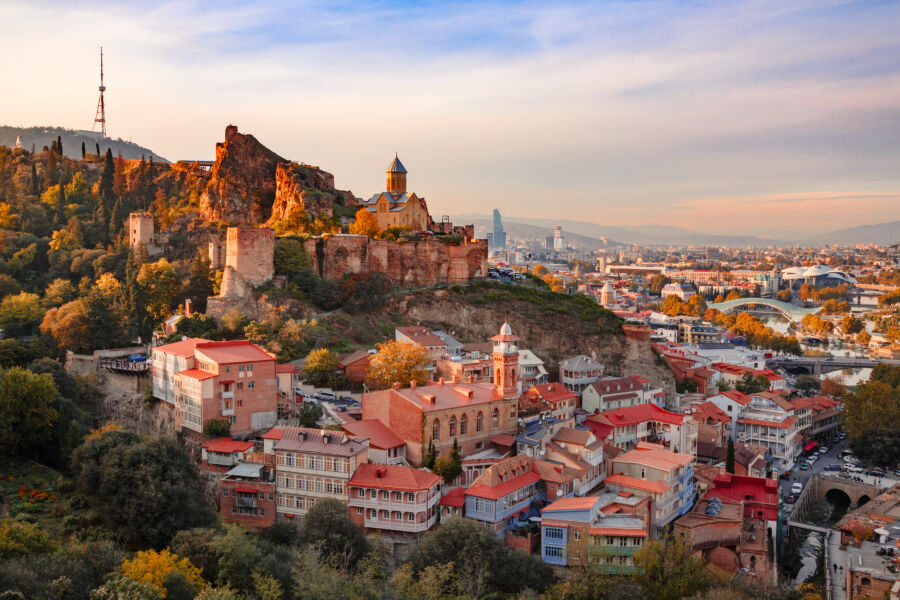
Where you base yourself in Tbilisi changes your whole trip. Think about the local vibe, what’s nearby, how you’ll get around, and your budget. The city’s compact, but little shifts in location can mean big changes in comfort and convenience.
Neighborhood Vibes and Atmosphere

Every part of Tbilisi has its own flavor. Old Town (Kala) is all crooked lanes and wooden balconies, with the smell of fresh bread drifting from tiny bakeries and street music in the evenings. Sololaki is quieter, with art nouveau apartments and wine bars—lovely if you want charm without the crowds.
Chugureti and Vera feel younger and more creative—think Fabrika, indie shops, and easygoing cafés where people linger all afternoon. Vake and Saburtalo are more modern and residential, with bigger apartments and peaceful nights.
Night owls should look near Rustaveli or Marjanishvili for easy transport and late-night bakeries. If you want peace, head uphill or north; the city quiets down fast once you leave the main drags.
Proximity to Major Attractions
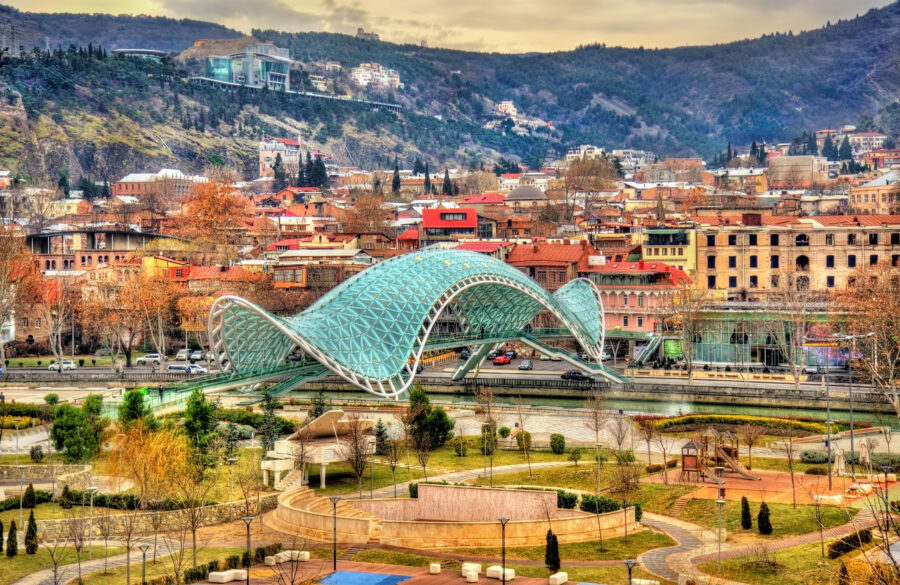
Staying near landmarks saves your feet. Around Liberty Square metro or Rustaveli Avenue, you’re a short walk from museums, the Opera House, and Freedom Square. Narikala Fortress and the Sulfur Baths sit within 15 minutes on foot.
If you’re after views, hillside Avlabari overlooks the river and Old Town. It’s just over the bridge—easy by metro or taxi. Families often like Vake for its parks and slower pace, even though it’s not right next to the main sights.
Honestly, Tbilisi’s small enough that rideshares or the metro get you almost anywhere for a couple of lari. So the “best” spot is really about how you want to spend your evenings, not just ticking off landmarks.
Transport & Accessibility

Getting around isn’t hard once you try the metro and the Bolt app. The two metro lines cross at Liberty Square and Station Square, and most hotels are 10–15 minutes from a station.
Dragging suitcases up Old Town hills? Just grab a short taxi ride. Sidewalks can be rough in older areas, but main roads like Rustaveli Avenue are easy for walking. Bolt rides usually run $1–2 for city trips—way cheaper than most European cities.
If you want to plan ahead, you can search flights, hotels & car hire and see how neighborhoods connect by road.
Budget Considerations
Prices swing a lot by area. Old Town and Sololaki run pricier for the location and vibe—mid-range hotels average $60–$90, hostels around $20. You’ll spot luxury terraces right next to budget guesthouses.
Vera, Chugureti, and Saburtalo offer better value, especially for apartments or longer stays. Grocery stores and coworking spots are everywhere.
Booking early and checking flight and stay options helps match your neighborhood to your dates. And with Tbilisi’s cheap taxis, you’re not stuck downtown to enjoy the city’s best food, bars, and market strolls.
Old Tbilisi (Kala): Historic Heart & Best for First-Timers

Old Tbilisi, or Kala, crams centuries of Georgian history into twisting lanes, pastel houses, and those signature balconies. You’ll wander from steamy sulfur baths to hilltop fortresses in minutes, with restaurants hidden in courtyards and big river views.
Key Sights and Architecture

This is Tbilisi’s open-air museum. Start in Abanotubani, the sulfur bath district—brick domes, steamy spa rooms, natural hot springs. The Narikala Fortress towers above; walk up for city views or take the cable car if you’re not up for the climb.
Wander toward Sioni Cathedral, a medieval landmark. I’ve lost track of how many mornings I’ve spent on the Betlemi Street Stairs, just watching the sunlight catch those carved balconies. The Anchiskhati Basilica—the city’s oldest church—sits quietly near Abkhazi Street. It’s humble but peaceful.
Don’t miss Metekhi across the river, its church perched on a cliff. Crossing Metekhi Bridge at sunset? The golden light makes the whole city glow for a few minutes.
Restaurants, Nightlife & Culture

Old Tbilisi might look ancient, but it comes alive at night. You’ll find Georgian restaurants serving khinkali and khachapuri, plus wine bars pouring qvevri wines. Some of the best spots are near Freedom Square—simple, local, and genuinely tasty.
Music drifts from corners around Betlemi and Abkhazi—sometimes jazz, sometimes folk. Pop into the tiny art galleries in the courtyards; you’ll catch local artists showing off new work.
The nightlife’s relaxed, not wild. Sit outside, order amber wine, and strike up a chat. Nights in Kala tend to be slow and a little unpredictable—in the best way.
Best Hotels & Guesthouses

Stay in Old Tbilisi and you’re close to almost everything. Communal Hotel Sololaki mixes modern touches with 19th-century charm—think wood, patterned tiles, and balconies you won’t want to leave.
Museum Hotel Orbeliani adds a bit of elegance near Liberty Square, while Silver 39 Boutique Hotel sits quietly away from the crowds with calm interiors. Taberne Boutique Hotel stands out for its friendly staff—small details, but they matter.
If you’re on a budget, Gallery Hostel is clean and friendly, tucked just far enough from the noise. Mornings there usually start with coffee and church bells echoing through the valley—pretty much sums up Old Tbilisi.
See Related: Best Cities in Europe to Enjoy Winter Without the Crowds
Sololaki: Elegant Streets & Local Ambiance

Sololaki feels calm and old-world, a nice break from Tbilisi’s busier streets. Early 20th-century homes sit along curving lanes, showing off a quiet elegance and a sense of real neighborhood life. Classic architecture, creative cafés, and small, characterful hotels are the norm here.
Art Nouveau Architecture

Sololaki’s Art Nouveau buildings are easy to spot—wrought-iron balconies, curved windows, tiled facades. These details tell stories of merchants and artists from a century back. I once spent hours photographing balconies on Amaghleba Street, where the mix of peeling paint and stained glass looked perfect in its own way.
The Writers’ House Residency is a highlight, with ornate ceilings and mosaic floors—Georgian artisans blending European design with local flavor. Walking here feels like flipping through an architectural scrapbook—one block Italian villa, the next Persian courtyard.
Late-afternoon light softens the pastel walls, giving the streets a theatrical but honest look. You can wander with or without a camera and still feel like you’ve stepped into a living museum.
Wine Bars and Cafés

Sololaki’s full of small spots to pause and really taste the city. Most cafés are in old townhouses, serving coffee late and wine even later. Locals gather on Lado Asatiani Street, sometimes spilling onto the sidewalk, sipping qvevri wines from Kakheti.
The tucked-away wine bars beat the trendier ones near Freedom Square—homemade chacha, decent khachapuri, and conversations that last. That’s Sololaki: eating and drinking well without much effort, often just by following your instincts.
For a cozy spot, the street-level café at Bazzar Boutique Hotel serves breakfast under tiled ceilings and doubles as a local hangout. It’s the kind of place you’ll want to return to, and nobody will think twice.
Cozy Boutique Stays

If you want a slower pace, Sololaki’s a smart pick. It’s close to Freedom Square, but evenings stay quiet. Communal Hotel Sololaki is stylish without being showy—shared breakfast tables and a mix of vintage Georgian and mid-century furniture.
Silver 39 Boutique Hotel fits the area too: small rooms, friendly staff, and balconies over old rooftops. Some rooms open onto jasmine-scented courtyards in summer—a real bonus after a day on Tbilisi’s uneven streets.
Most stays here feel more personal than polished. Locals tend to remember your face after a couple mornings. Sololaki’s hotels aren’t grand, but they make you feel like you’ve got a key to the neighborhood, not just a room.
Vera: Green Parks & Trendy Stays

Vera sits just west of Rustaveli Avenue and strikes a balance between lived-in comfort and style. Tree-lined streets, pocket parks, and friendly cafés give it a laid-back rhythm that’s great for longer stays. You’ll find creative energy, historic buildings, and practical perks—all within an easy walk of Tbilisi’s main sights.
Boutique Hotels and Unique Properties

Vera’s lodging scene favors design-driven stays. Stamba Hotel grabs your attention—a former Soviet printing house transformed into a bold boutique with lush plants, exposed concrete, and cozy nooks where creative types work or relax. Rooms are massive for Tbilisi, and the downstairs restaurant mixes local ingredients with inventive, modern dishes.
Side streets near Vera Park hide smaller guesthouses and family-run hotels, many with quiet balconies and leafy back gardens. These spots cost less and give you a more personal experience.
Communal breakfasts often include homemade jams, and sometimes the owner pours you a glass of their grandmother’s wine. One morning near Petre Melikishvili Street, I woke up to the sound of parrots from a neighbor’s balcony—unexpected but oddly charming.
Quick comparison:
| Type | Price Range | Atmosphere |
|---|---|---|
| Design Hotels (like Stamba) | $$ | Trendy, social, stylish |
| Guesthouses | $–$ | Quiet, homey, local |
Dining, Arts & Coffee Shops

Vera quietly shelters some of Tbilisi’s most interesting restaurants. Around Prospero’s Lane and Barnovi Street, you’ll find tiny bistros with menus that change weekly, offering Georgian recipes with lighter, modern touches. Rooms Café spills into a leafy courtyard—perfect for an hour with a book or your laptop.
Coffee culture thrives here, just without the hype. Freelancers settle in at Café Stamba or grab a flat white from Coffee LAB before a stroll to the park.
Independent galleries and concept shops dot the area, tucked inside old apartments. Sometimes a pop-up photo show appears on Instagram the night before—there’s a certain unpredictability, a bit rough around the edges, but that’s part of Vera’s appeal.
Family-Friendly Amenities

Traveling with kids? Vera actually works well. Vera Park offers shaded paths, playgrounds, and benches where parents sip takeout coffee.
It’s compact but refreshingly green for central Tbilisi. On weekends, families wander to the lake or stop for khachapuri at local cafés.
Most apartments are close to supermarkets, pharmacies, and bakeries. The neighborhood feels safe and calm at night.
Wide sidewalks and slow traffic make pushing a stroller manageable—though some steep lanes will give your legs a workout. Staying here feels more like joining a neighborhood than just booking a room.
Vake: Modern Comfort & Upscale Living
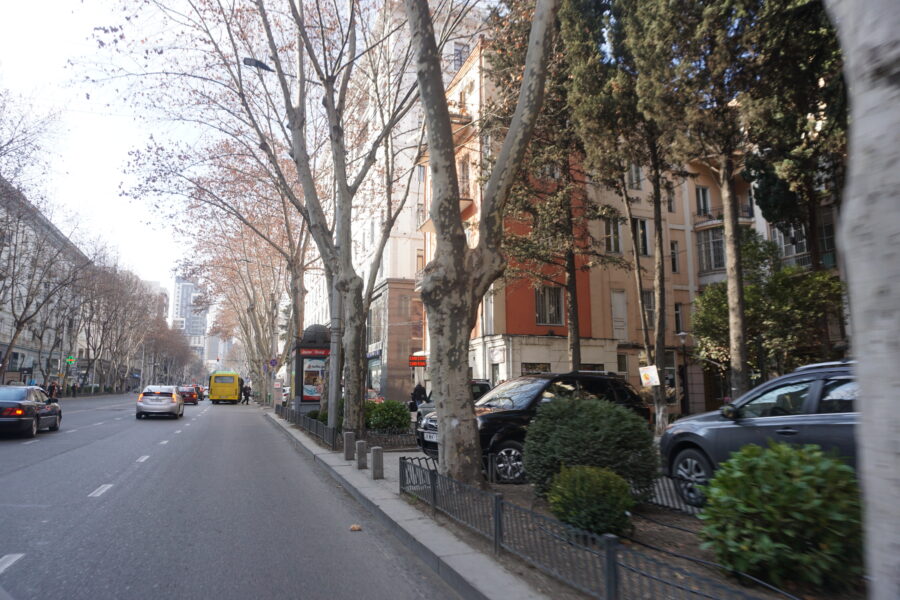
Vake delivers a calm, organized mix of convenience, greenery, and modern style. Here, polished apartment towers sit near small cafés and designer shops. It’s orderly, a bit upscale, and moves at its own pace.
Residential Comforts

If you want clean, walkable streets with a hint of luxury, Vake fits the bill. The main avenues are wide and shaded, lined with everything from elegant mid-century blocks to new glass towers facing the hills. Even the side streets feel safe at night.
You’ll find all the basics—markets, fitness studios, dry cleaners, pet stores—within a short walk. Many locals have dogs and treat daily strolls as social time. Rent here runs higher than in Saburtalo or Chugureti, but you get peace and a certain prestige.
Planning a longer stay? Look for places near Mziuri Park or Chavchavadze Avenue. These areas are quiet but still close to shopping, restaurants, and bus lines. Just be ready for tricky parking and morning traffic—no metro stops nearby.
| Feature | Detail |
|---|---|
| Average rent | Higher than most central districts |
| Type of housing | Modern apartments, family houses, quiet side streets |
| Transport | Buses and taxis (no metro) |
Nightlife and Dining

Vake’s nightlife is more about low-key sophistication than noisy crowds. You’ll spot cocktail lounges and jazz bars tucked into basements. Locals usually meet along Chavchavadze Avenue or near the parks for an after-work drink.
Dining options swing from Georgian comfort food to upscale international menus. Italian and Japanese restaurants line the main streets, while tiny bakeries hide in alleys. Grabbing a khachapuri from a corner bakery and people-watching outside Vake Park is a small pleasure.
The area stays lively late but never gets hectic. It’s more of a let’s talk over wine kind of vibe. Many expats rate Vake as the best place to stay if you want dining variety and calm evenings.
Nature and Parks

Parks shape daily life in Vake. Vake Park, one of the city’s largest, stretches along the southern edge—a genuine escape within walking distance. You can jog, picnic, or just watch families and students go by.
Closer to the center, Mziuri Park is smaller and more intimate, with shaded paths and playgrounds. On weekends, it feels like a community hub—someone’s always playing music or selling lemonade.
Even when Tbilisi feels hot or noisy, Vake’s air stays cooler thanks to all that greenery. It’s rare to find a district this central where you can slip away to a quiet trail in minutes.
Chugureti (Marjanishvili): Hipster Hotspot & Local Life

Cross the river into Chugureti and the pace shifts. Here, old German houses, Soviet-era apartments, and new creative spaces blend into a district that’s stylish without trying too hard. Around Agmashenebeli Avenue and Marjanishvili Square, daily life mixes with cafés, hostels, and small studios that buzz with youthful energy.
Street Art and Coworking Spaces

Plekhanovi’s backstreets burst with color—artists use old industrial walls as ever-changing canvases. Fabrika Hostel & Suites anchors the scene, its former sewing factory now packed with murals, cafés, shops, and coworking tables where locals and travelers mingle.
You can grab a latte, set up your laptop, and spend hours among artists sketching or photographers editing. The vibe is energetic but never snobby. Around Fabrika, side streets hide informal studios and art collectives—some last a season, others morph into something new. That unpredictability keeps Chugureti interesting.
Markets and Shopping

Walk toward Station Square and the smell of spices and bread grows stronger. The Dezerter Bazaar sprawls across several blocks—messy, loud, and utterly real. Vendors hawk herbs, churchkhela, cheese, and Soviet relics on long tables.
If big markets aren’t your thing, Agmashenebeli Avenue offers renovated facades hiding boutiques, thrift shops, and bakeries. I’ve spent afternoons drifting between record shops and second-hand stalls—never buying much, always finding something odd or memorable. The blend of old trade and quirky retail makes this street feel like a living gallery.
| Type | Where to Go | What to Expect |
|---|---|---|
| Fresh produce | Dezerter Bazaar | Crowded aisles, low prices, variety |
| Vintage & design | Agmashenebeli Ave. | Local shops, restored architecture |
| Everyday goods | Station Square | Bargain clothing, tools, electronics |
Hostels, Apartments & Guesthouses

Chugureti balances cost and comfort well. Fabrika Hostel stands out for its courtyard full of bars, food stalls, and studios—more than just a place to sleep, it’s a hub for meeting people.
Prefer quiet? Apartment Paysage near Marjanishvili metro offers a cozy, design-focused stay at reasonable rates. Once, I spent a week working from here—the windows overlooked grapevines in a courtyard, making it feel more like a home than a rental.
Small family-run guesthouses are everywhere, tucked behind old gates or up narrow stairs. Getting around is easy; metro, buses, and cafés are all nearby, making Chugureti a convenient base for exploring Tbilisi.
Rustaveli Avenue & Mtatsminda: Shopping, Culture & Iconic Hotels
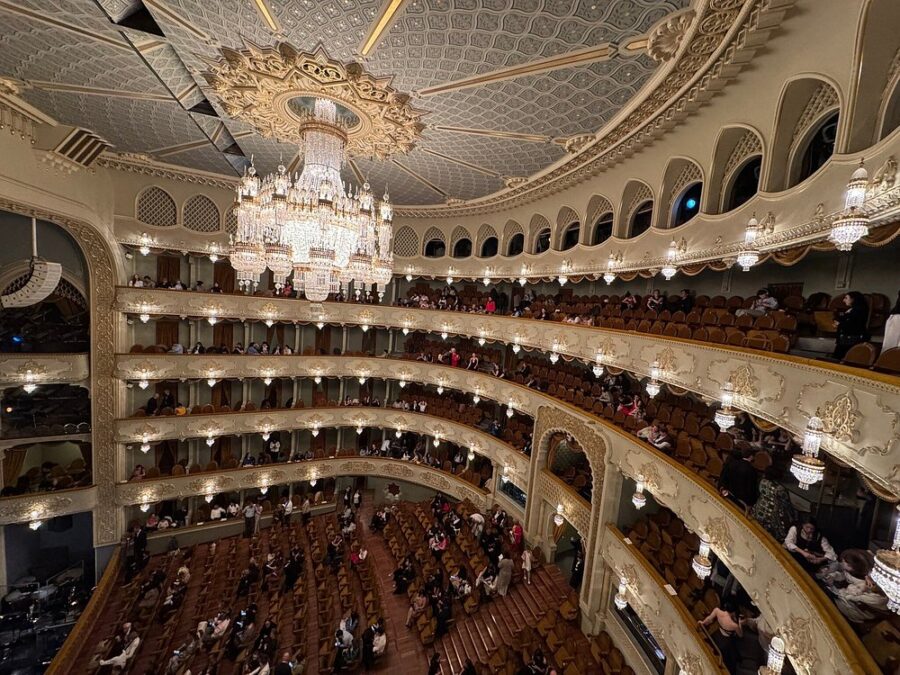
This area packs history, leisure, and city views close together. You can stroll from grand theaters and museums to leafy hillsides and panoramic lookouts, with cafés and landmark hotels never far away.
Major Landmarks and Theaters

Rustaveli Avenue slices through Tbilisi’s cultural heart. The Georgian National Opera and Ballet Theatre and Rustaveli Theatre stand side by side, restored to their 19th-century glory. Their marble staircases and murals still feel from another era. I once bought a ticket for a random play here—didn’t understand a word, but the setting told its own story.
Walk east and you’ll hit the Georgian National Museum, full of archaeology finds and modern art. Across the boulevard, Kashveti Church waits quietly between traffic and chestnut trees. On weekends, you might catch a small exhibit or demonstration—Rustaveli often doubles as the city’s public stage.
Bookstores and souvenir shops hide between embassy buildings and coffee houses. After sunset, Rustaveli’s floodlights make the street glow, especially when they hit the Mtkvari River nearby.
Luxury Hotels and Business Stays

Some of Tbilisi’s most famous hotels cluster along Rustaveli Avenue. The Tbilisi Marriott Hotel features an arched façade and old-world interiors—still a slice of pre-Soviet elegance. Across the street, the Radisson Blu Iveria caters to business travelers but adds luxury touches—its rooftop pool and bar offer killer skyline views.
Just behind Rustaveli, Stamba Hotel brings a different mood. It’s set in a converted printing house with brutalist columns, ivy walls, and inventive Georgian cuisine. For design hotel fans, this is where the city’s creative crowd actually hangs out.
| Hotel | Style | Best for |
|---|---|---|
| Radisson Blu Iveria | Modern luxury | Business, panoramic views |
| Tbilisi Marriott | Classic heritage | History buffs, elegance |
| Stamba Hotel | Creative boutique | Food, art, design lovers |
Book early—major events at Rustaveli’s theaters fill these hotels fast.
City Views and Parks

Head west from Rustaveli Avenue and you’ll reach Mtatsminda Mountain, topped by the Tbilisi TV Tower. The climb takes you along cobbled lanes, past old wooden balconies, with glimpses of the river far below. Mtatsminda Park at the summit feels like a countryside escape inside the city, offering rides, cafés, and open lawns for weekend picnics.
If you’re up for a walk, start at Rustaveli Metro Station, cut through Dedaena Park, and keep heading uphill. The city stretches out below as you climb. Watching sunset from the Ferris wheel at Mtatsminda Park, the city lights flicker on one by one—hard to beat that view.
Down the slope, small parks line the streets near Parliament and Freedom Square. These green pockets give you a quiet break after sightseeing or shopping. Grab a khachapuri, sit under the trees, and watch the swirl of city life drift past.
See Related: Architecturally Striking Boutique Hotels in Europe’s Hidden Mountain Regions
Best Hotels & Accommodation Types in Tbilisi

Tbilisi covers almost every accommodation style—sleek five-star towers, low-key guesthouses, and creative hostels in old factories. You can pick modern comfort, intimate design, or budget-friendly charm, depending on your travel style.
Luxury Hotels

If you want comfort that goes well beyond the basics, Tbilisi’s upscale hotels deliver. Moxy Tbilisi stands out, with a lobby that feels more like a café than a check-in desk—think art crowd energy, not corporate. Rooms are compact, spotless, and set up for modern travelers.
Another top option: Museum Hotel Orbeliani. This restored 19th-century noble house has ornate balconies and a quiet restaurant tucked behind the lobby. Its spot near Freedom Square means you can walk just about anywhere. Bookings are easy on Booking.com or Expedia.
Most of Tbilisi’s higher-end hotels serve generous breakfast buffets—expect khachapuri, cold cuts, and coffee that’s better than you’d guess. If you’re after big international brands with gyms and spas, the Rustaveli Avenue and riverfront areas have you covered.
Boutique Hotels
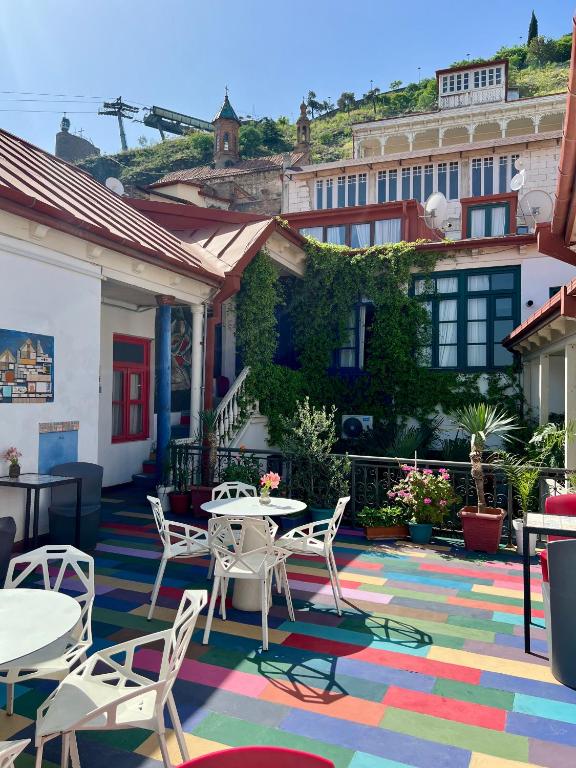
Tbilisi’s boutique hotels blend old bones with fresh design. Take Check Point Hotel near Abanotubani: exposed brick, minimalist furniture, and a quiet setting just steps from the sulfur baths and winding old streets.
Ateshgah Residence is another strong choice, bringing Persian-inspired details and a rooftop terrace that shows off the city’s layered skyline. With only a dozen or so rooms, you get a slower pace and more attention—no endless front-desk lines here.
Creative types gravitate to these hotels because they feel more like homes than hotels. Expect solid Wi-Fi, handmade décor, and breakfast that shows up when you’re ready, not when the clock strikes eight.
Hostels & Budget Stays

Hostels in Tbilisi double as social hangouts. Fabrika Hostel & Suites, set in a former Soviet sewing factory, leads the pack. It’s hostel, art space, and community hub all in one—locals drop by for coffee or pop-up markets.
If you want something quieter, Envoy Hostel in the Old Town has a rooftop view and offers city tours that make meeting people a breeze. Sheni Hostel and Guest House Rampa are smaller, friendlier, and come with communal kitchens and lounges that turn into story-swapping zones after dark.
Budget spots usually throw in free tea or breakfast, plus a strong sense of community. They’re ideal if you’d rather splurge on Georgian wine or day trips than a long list of hotel extras.
Apartments & Short-Term Rentals

If you’re staying longer or traveling with friends, short-term apartments are a smart move. They’re often cheaper per night and give you a kitchen, laundry, and space to spread out. Look in Vera, Sololaki, and Avlabari for the best selection.
Last summer, I rented a small flat near Liberty Square—sunny, with a balcony over a bakery. Cooking for myself saved cash and made the city feel like home.
Locals rent out all kinds of furnished places, from sleek studios in new buildings to older homes with vintage chairs and creaky floors. Prices shift with the seasons, but mid-range deals are easy to find outside peak summer.
Practical Tips for Staying in Tbilisi
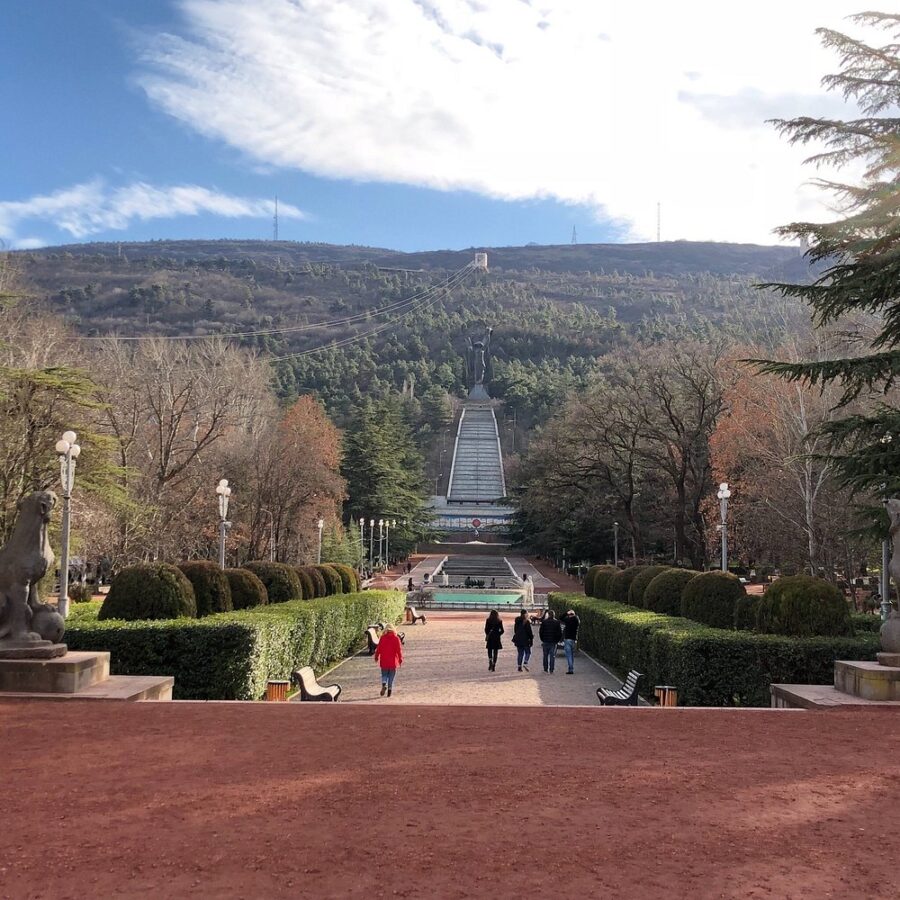
Tbilisi rewards you for slowing down and paying attention. The city’s hills test your patience, traffic keeps you on your toes, and the weather likes to surprise. Knowing how to get around, act respectfully, and plan for the season can make your stay a lot smoother.
Getting Around the City
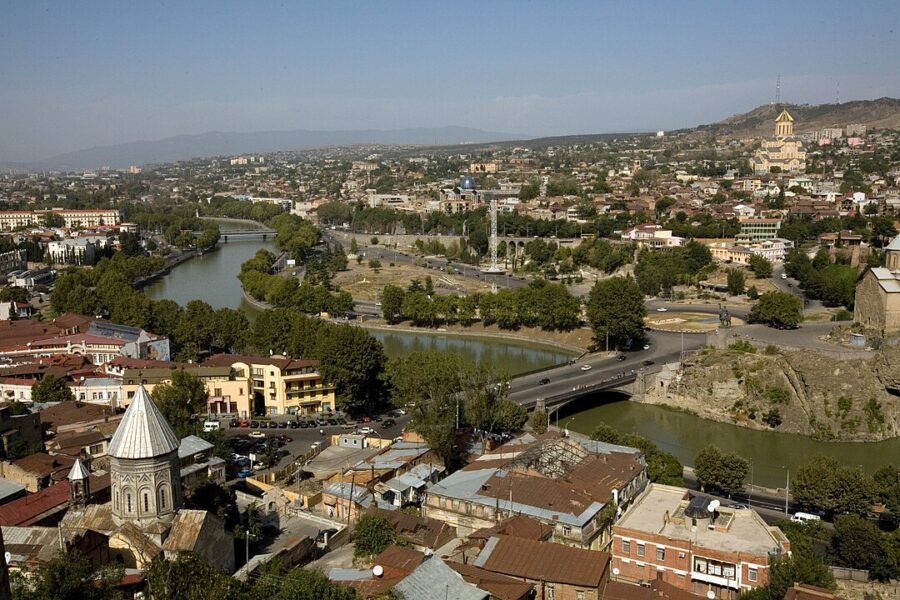
The metro is the fastest way to cross town—cheap, reliable, and it hits most major spots along the Mtkvari River. You’ll likely end up at Rustaveli or Freedom Square stations.
Buses and marshrutkas (minibuses) fill in the gaps, but you’ll need a transport card. Taxis are everywhere; just confirm the fare before you get in. Apps like Bolt are a lifesaver.
If you’re heading to Didube bus station, give yourself extra time. It’s the main launch point for countryside trips, but the area gets hectic and signage isn’t always clear. Check your route ahead of time.
Honestly, walking is the best way to get a feel for Tbilisi. The old alleys near Dry Bridge Market or paths through Rike Park are perfect for wandering. Just know that sidewalks can vanish or narrow without warning. Bring comfortable shoes. For a deeper dive into the city’s stories, guided city tours can be worth it.
Neighborhood Safety & Etiquette
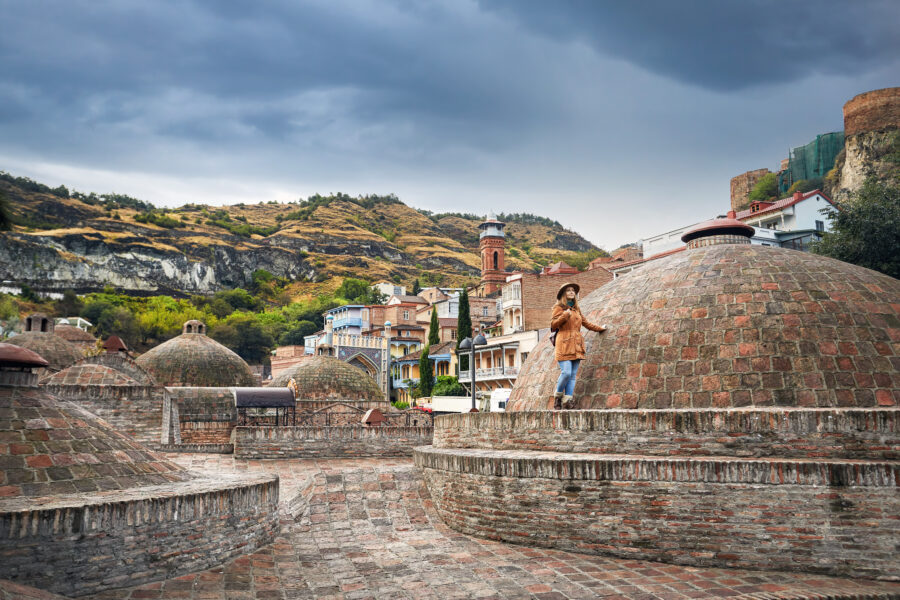
Tbilisi feels safe, even after dark, but common sense never hurts. Keep your bag zipped, especially near Dedaena Park or busy crossings. Some streets are dim and uneven—watch your step.
People are friendly but appreciate personal space. Smile, and you’ll get far.
Politics or Russia? Best to skip those topics. When you visit someone’s home, taking off your shoes is polite.
Police here have a solid reputation and patrol central areas often, especially near Liberty Square and the river. I once lost my phone near the Old Town and got it back within an hour—can’t say that’s happened in many cities.
Seasonal Advice
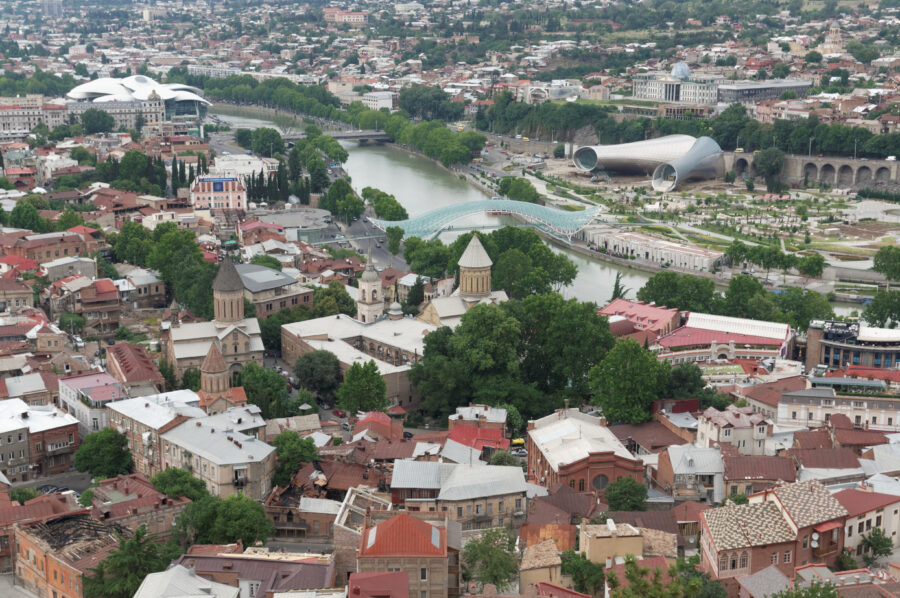
Weather really shapes the city’s mood. Spring and early fall bring mild days—perfect for outdoor cafés and riverside walks.
Summer? It gets sticky, especially near Rustaveli Avenue, where the heat lingers. If you’re coming in July or August, pick a place with air conditioning.
Winters aren’t brutal, but the damp can sneak up on you. Many older guesthouses use space heaters, so pack layers. Coffee shops around Dedaena Park and Mtatsminda are cozy shelters on gray days.
If you’re planning to hit mountain towns or wine country, plenty of day trips run year-round. Roads might close after heavy snow, but they reopen fast. April–June and September–October are the sweet spots for clear views and fewer crowds.
See Related: Best Places to Visit in Europe This Year
Frequently Asked Questions

Tbilisi’s blend of old-world charm and modern energy means your choice of where to stay is a real toss-up: atmosphere or convenience? Each district has a different rhythm—some are lively at night, others are calm, and a few balance history with comfort.
What are the top recommended areas for first-time visitors to stay in Tbilisi?
First time here? Stay in Old Tbilisi or Sololaki. You’ll be able to walk to historic sights like Narikala Fortress and the sulfur baths—no car needed. The cobbled lanes and balconies feel like you’ve stepped into a story, but there’s no shortage of cafés or small hotels.
Rustaveli Avenue is another solid pick. It’s busier, central to shopping and museums, and right on the metro, but still close enough to the old part for charm.
Which Tbilisi neighborhoods offer the best nightlife and entertainment?
For nightlife, Chugureti is the hot spot, especially near Fabrika—a creative complex with a hostel, bars, studios, and live music. It’s social, young, and you can walk home after a late night.
Vera is also great for wine bars and live music that goes late. Both neighborhoods feel lively but not overrun.
Can you suggest family-friendly accommodations in Tbilisi?
Families usually prefer quieter zones. Vake has calm streets, parks, and spacious apartments—ideal for longer stays. It’s close to Vake Park and Tbilisi Zoo, so kids stay entertained.
Vera also works, with small hotels offering family rooms and easy access to taxis and shops. Many apartments here come with washing machines—a real help for longer visits.
Skip the big chains and check out boutique hotels on Betlemi Street or near Erekle II Street. Family-run spots here often keep the carved balconies and antique details.
One place I found had a rooftop terrace with a view of Narikala Fortress—not flashy, but authentic and half the price of the main street hotels. Wander a few blocks off Sharden Street and you’ll spot plenty more like it.
How walkable is Tbilisi’s city center, and where should pedestrians consider staying?
Central Tbilisi is compact and easy to explore if you don’t mind hills and the occasional uneven street. Stay near Liberty Square or inside Old Tbilisi and you’ll have restaurants, museums, and river walks within 15 minutes.
Bring comfortable shoes—some alleys near the baths get slick after rain. For flatter terrain, Rustaveli Avenue apartments are a safer bet, plus you’re right by the metro.
In terms of safety and convenience, which Tbilisi neighborhood stands out?
Vera really nails the balance. Nights stay calm, the streets are well-lit, and you almost never feel alone—even late. Bolt rides across central Tbilisi are so cheap they’re barely worth thinking about, so getting around is a breeze.
If you like walking and don’t mind a bit of bustle, Old Tbilisi works too. It’s busy well into the night, with locals hanging out, corner shops open 24/7, and plenty of guesthouses where someone’s always around.