

Last modified August 17, 2026
Picking where to stay in Busan can feel like a chore when every neighborhood claims to be the “best.” You just want a solid answer—one that saves time and fits your style. The best area to stay in Busan depends on what you want: beach views in Haeundae, nightlife in Seomyeon, or local food and culture near Nampo. This guide breaks down each neighborhood with simple pros, cons, and hotel picks, so you can skip the guesswork.
I’ve spent enough nights in Busan hotel rooms, guesthouses, and, once, a freezing temple stay (don’t ask), to know that location matters more than stars. That’s why I’ve compared the top spots and their hidden gems—whether you want sand, street food, or quiet mornings with ocean views.
Key Takeaways
- Match Busan’s neighborhoods to your travel style
- Find standout stays for every budget
- Get booking tips to save time and avoid stress
How to Choose the Best Area for Your Stay
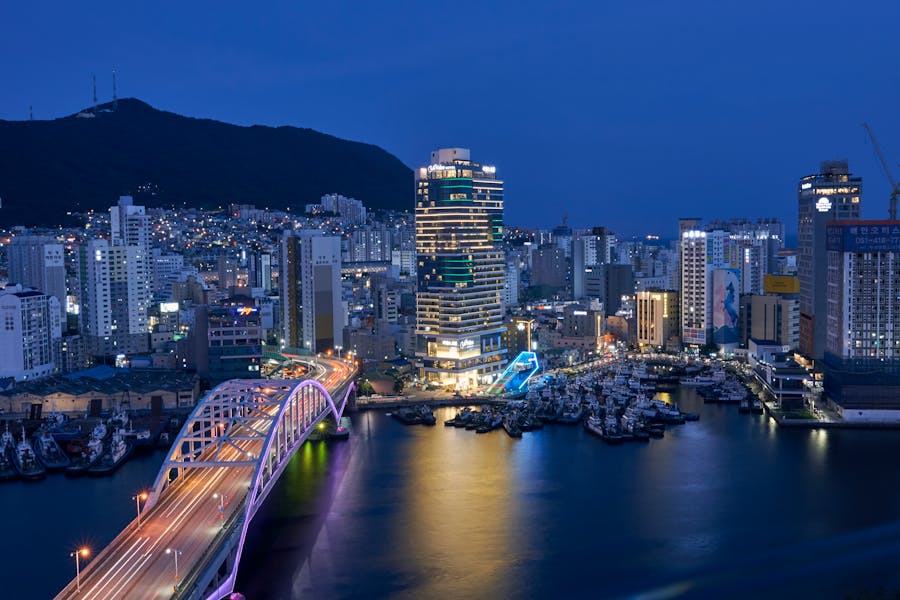
Finding where to stay in Busan comes down to what you actually want from your trip—fast city access, beach views, or quiet evenings. The city’s spread-out shape, excellent subway system, and mix of neighborhoods make planning ahead worth it.
Understanding Busan’s Layout
Busan stretches along South Korea’s southeastern coast, framed by beaches, hills, and ports. Its layout can feel tricky at first because neighborhoods are spread over valleys and hills, all linked by long subway lines. The main areas—Haeundae, Seomyeon, Gwangan, and Nampo-dong—each have their own vibe.
Haeundae sits far east with the city’s most famous beach and larger resorts. Seomyeon, right in the center, gives you quick access to everything using the Busan Metro. Nampo-dong leans historic and works best if you love walking through street markets, especially Jagalchi and Gukje Markets.
My first trip, I got off the subway in Seomyeon and realized how fast I could reach both the beach and the mountain trails. That’s when it hit me: Busan’s neighborhoods don’t blend together—you need to pick a base that fits your pace.
Key Factors to Consider
When comparing the best areas to stay in Busan, start with your priorities. If your days revolve around beaches and cafes, stick close to Haeundae or Gwangalli. For city convenience, Seomyeon is ideal. Nampo-dong is better if you’re into markets and night walks by the harbor.
Quick breakdown:
| Priority | Best Area | Why |
|---|---|---|
| Beach & nightlife | Haeundae / Gwangalli | Ocean views, bars, seafood |
| Shopping & transport | Seomyeon | Central, easy subway access |
| Culture & food | Nampo-dong | Local markets, old-school charm |
| Budget stays | Sasang | Cheaper hotels, airport access |
If you’re hauling extra bags, luggage storage near stations is a lifesaver before hotel check-in. It’s one less thing to worry about when switching areas or catching late trains.
Getting Around with Public Transport
The Busan Metro connects all major districts, so even far corners like Haeundae and Sasang are easy to reach. Two main lines—1 (red) and 2 (green)—meet in Seomyeon. Grab a T-money card at the airport or a convenience store; it works for subways, buses, and taxis.
Apps like Naver Map help with routes and real-time subway info. Just a heads up: Busan’s landscape is steeper than Seoul’s, so walking between stations sometimes takes longer than the map suggests.
If you plan multiple day trips, staying near Line 1 or 2 keeps transit time low. You’ll spend less time underground and more time eating spicy fishcakes by the sea—which, honestly, is what you’re here for.
Haeundae: Iconic Beachfront and Luxury Hotels
Haeundae shows off Busan’s beach lifestyle mixed with modern comforts. Here, you get ocean views, luxury hotels, and nightlife within easy reach of cafés, seafood stalls, and art spots.
Haeundae Beach Highlights
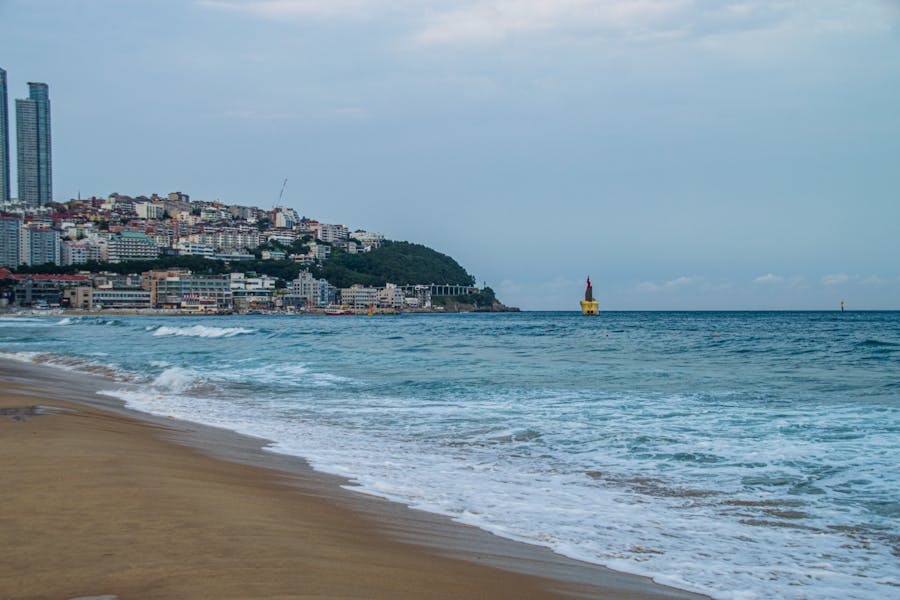
You could spend hours walking along Haeundae Beach, especially in the quiet morning when locals jog along the sand. The beach stretches about 1.5 km and stays clean year-round. Rent umbrellas in summer or just stroll the promenade.
Just behind the beach, Sea Life Busan Aquarium makes a good rainy day stop. Further west, Dongbaek Island has a short forested trail and views of the Gwangan Bridge. At sunset, the light over the water feels calm even with the city behind you.
The Haeundae Blueline Park coastal train links scenic stops, and the X the Sky observatory gives you a panoramic look across the bay. For easy exploring, check out tours and day activities.
Best Hotels in Haeundae

Most high-end hotels line the beachfront road, so your main choice is between classic or modern. The Westin Josun Busan sits right on the sand beside Dongbaek Island—one of the few 5-star hotels with a Korean restaurant and helpful English-speaking staff.
Across the bay, Grand Josun Busan feels newer and more stylish. Rooms are bright with seaside views, and there’s a Starbucks plus a 24-hour store. The lounge service can be slow, but the pasta’s surprisingly good.
Dining, Nightlife, and Attractions
Haeundae stays lively after dark but never gets too wild. You’ll find casual pubs, rooftop lounges, and seafood tents just off the main road. Haeundae Market is a must for spicy tteokbokki or grilled shellfish.
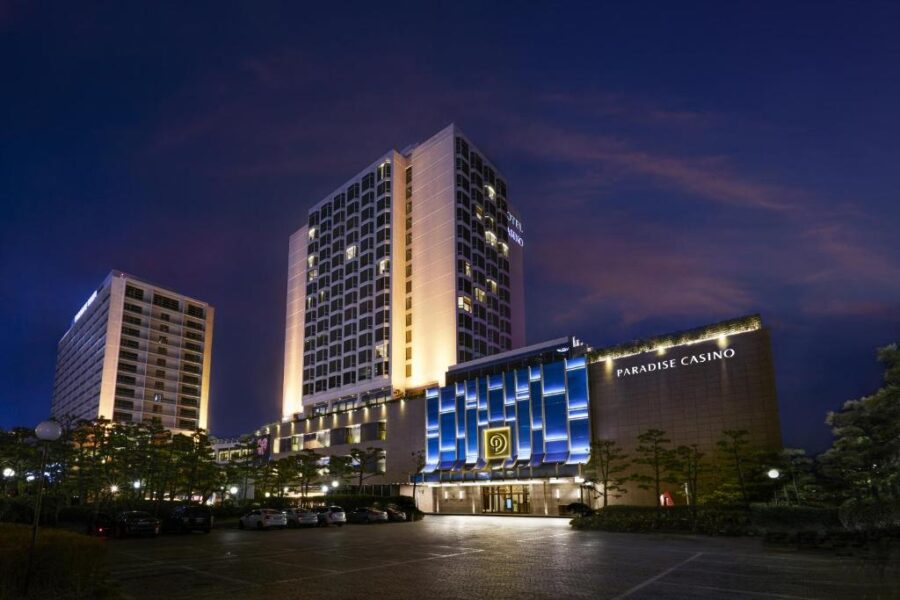
For upscale dining, hotels like Paradise Busan (with its outdoor spa pools) and Grand Josun serve elaborate buffets. Wander inland for small Korean barbecue joints that beat resort prices.
Art fans should check out the Busan Museum of Art for rotating modern exhibits. If you want a bit more structure, you can book guided experiences for sightseeing or food tours in this part of the city.
Nearby Sights and Day Trips
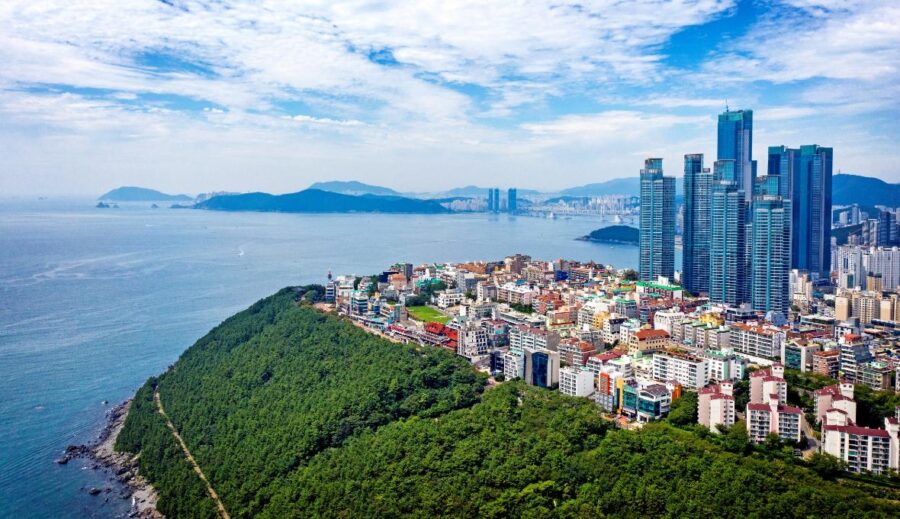
Haeundae’s east side leads uphill to Dalmaji Hill, lined with small galleries and cafés along a curved coastal road. In spring, cherry blossoms frame the sea views. It’s about a 20-minute walk from the beach—good luck if you hate hills.
From Haeundae Station, you can reach Gwangalli Beach in about 15 minutes by train or taxi. Gwangalli draws a trendier crowd at night and offers a killer view of the lit-up bridge. Centum City—with giant shopping complexes and spas—is a quick subway ride away.
If you’ve got extra time, venture inland to Oncheon-cheon stream or catch a ferry to Oryukdo Islets for simple hikes and sea views. Each spot shows a quieter, more personal side of Busan.
Seomyeon: Central Hub for Shopping and Nightlife
Seomyeon sits at the heart of Busan, busy day and night with cafes, bars, and endless shops. You’ll find great hotel options, late-night food stalls, and entire streets that feel alive every evening.
Seomyeon’s Best Accommodation Options
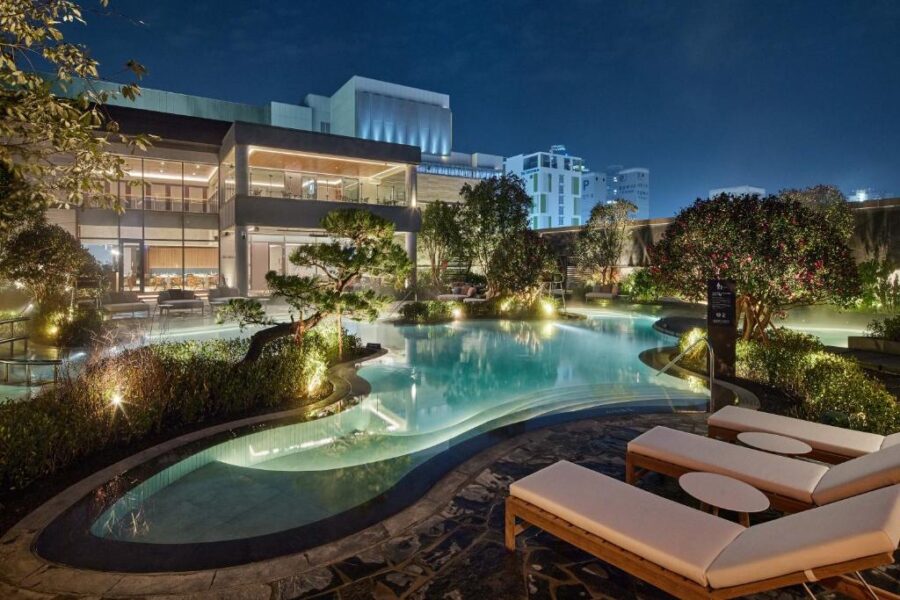
Staying in Seomyeon makes sense if you want easy subway access and short walks to restaurants and malls. It’s also the transfer point for lines 1 and 2, so you can reach Haeundae Beach or Busan Station without much hassle.
The Lotte Hotel Busan stands out as a reliable upscale choice. It connects directly to Lotte Department Store and the casino, which makes it convenient on rainy days. I once spent a night there when typhoon winds canceled my train; being able to shop and eat without stepping outside saved my trip.
Top Food and Nightlife Spots
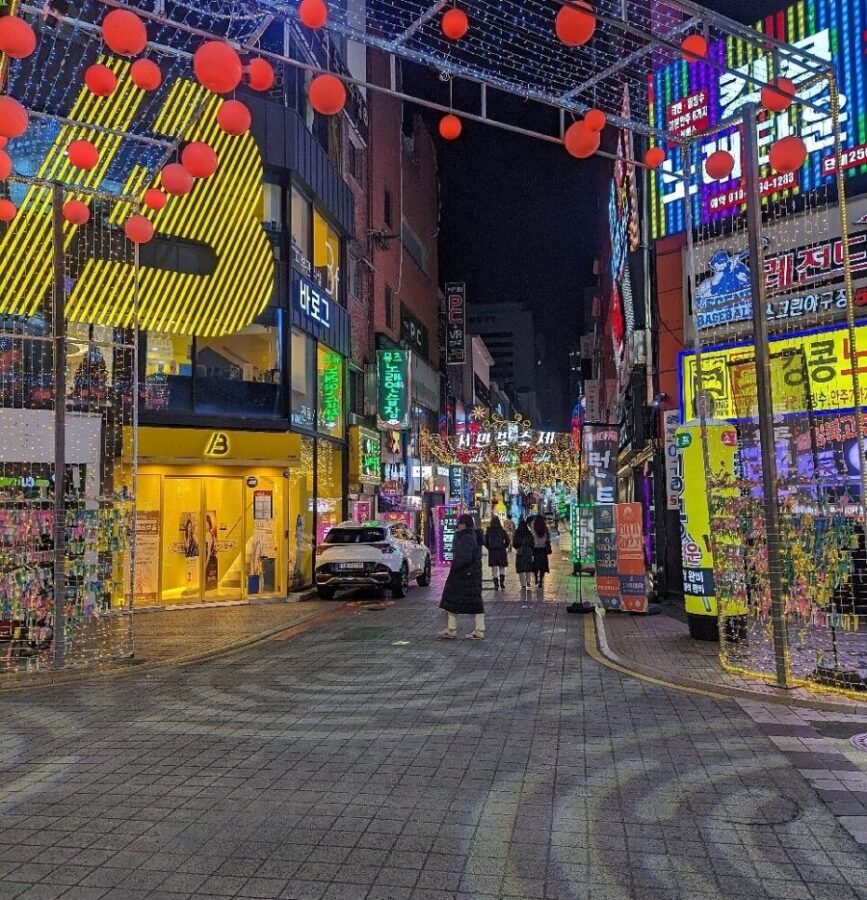
You can eat almost nonstop around Seomyeon. The Seomyeon Food Alley is packed with barbecue joints, noodle shops, and tiny bars hidden down narrow lanes. Late at night, skewers, fried snacks, and soju come out in full force. It’s easy to wander until midnight without noticing the time.
For something more relaxed, head up to the rooftop bars near the Judies Taehwa area. They’ve become my go-to spots to unwind after long city walks. Korean craft beer spots are growing here too—places like Galmegi Brewing pour local IPAs alongside fried chicken plates.
Nightlife stays compact in Seomyeon, which is great if you like to hop between venues. You’ll notice a mix of students, office workers, and travelers—it’s lively but not overwhelming. And if you prefer a quieter evening, many cafes stay open late for dessert and coffee.
Shopping Malls and Underground Centers
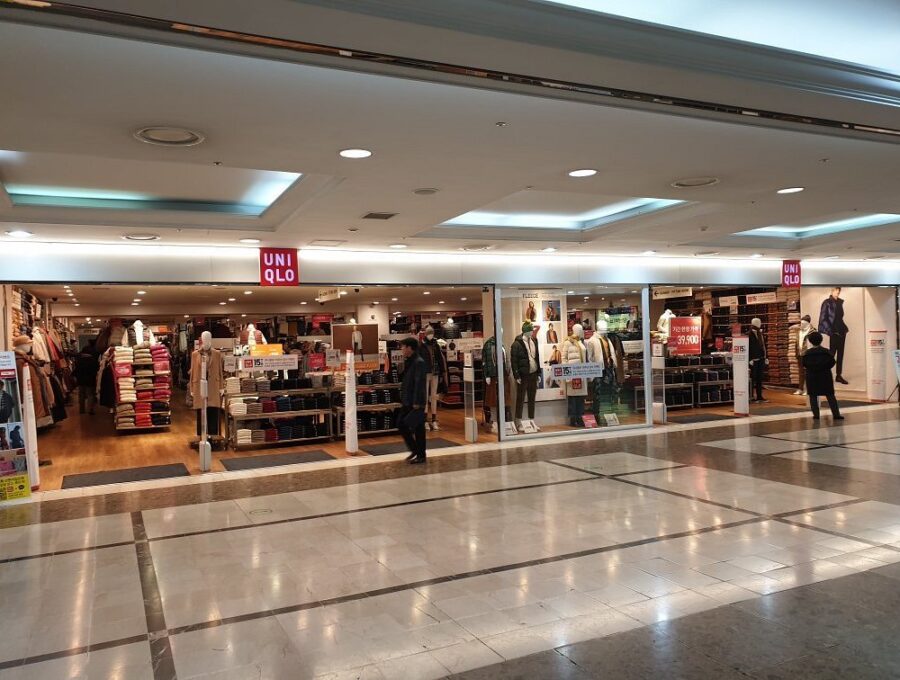
Shopping never really stops here. The Seomyeon Underground Shopping Center feels like a maze stretching under the main intersection, lined with shoe stalls, cosmetics shops, and affordable clothing. It connects directly to the subway, so you can browse without worrying about rain or cold.
Above ground, the Lotte Department Store has designer boutiques and a high-end food court, while smaller malls like Judies Taehwa cater to local brands and pop-up fashion labels. You can easily spend a morning hopping between them.
A tip from experience—go early if you want fewer crowds. After lunch, the underground walkway fills quickly, especially on weekends. It’s chaotic but kind of fun, the sort of place you walk through and realize you’ve lost track of time completely.
Nampo: Street Food, Markets, and Local Culture
Nampo is one of those places in Busan that feels alive from dawn to midnight. Its streets mix the smell of fresh fish, street snacks, and roasted coffee. You’ll find markets stacked with goods, small hotels within walking distance of major attractions, and that old–meets–new feeling that keeps you exploring every corner.
Nampo-dong and Surrounding Areas
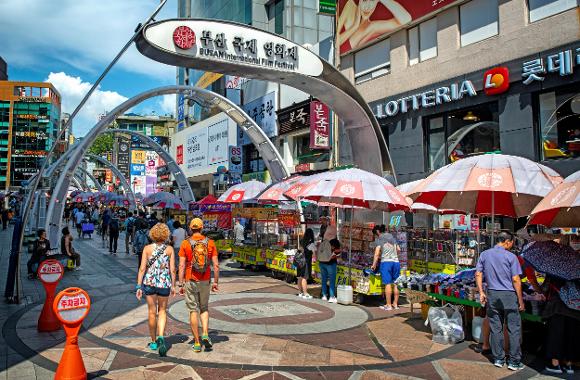
Nampo-dong sits along the old port in southern Busan and has long been a downtown favorite. The area’s compact streets make it easy to explore on foot. You can walk from the subway exit straight into a maze of shops, food stalls, and signs glowing in all directions.
A quick walk uphill leads to Yongdusan Park, where the Busan Tower gives a wide view of the city and harbor. It’s quiet up there, and you’ll probably run into couples taking photos or older locals walking for exercise.
Just a few blocks away lies Gukje Market, a huge clothing and housewares maze that connects to BIFF Square, known for Busan’s film festival. I once got lost here for a full hour—half the fun, honestly—browsing camera gear, socks, and old vinyls before grabbing skewered fish cakes from a cart.
Shopping and Local Landmarks
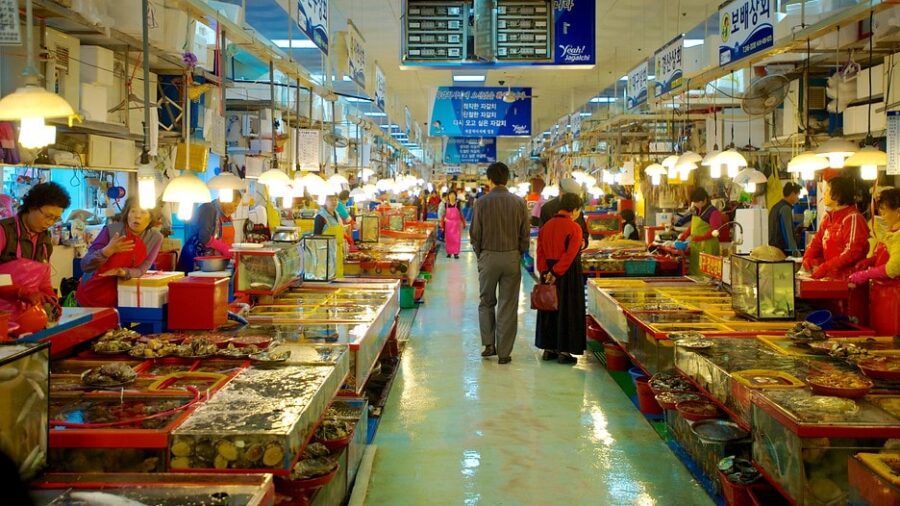
Nampo is one of the few spots in Busan where traditional markets and modern malls actually sit side by side. Jagalchi Fish Market, Korea’s biggest seafood market, draws most visitors. Here, vendors sell everything from live octopus to steamed crab. Upstairs, restaurants will cook your pick right away—trust me, it tastes fresher than it looks swimming in the tank.
If you’re more into browsing than seafood, Gukje Market mixes clothing, tools, and Korean antiques, usually at fair prices. Across the street, BIFF Square feels more current, with snack stands, cosmetics shops, and a small movie theater. It’s worth grabbing hotteok—that sweet pancake stuffed with sugar and seeds. Locals line up for it for a reason.
Need a breather? Walk up to Yongdusan Park. It’s a welcome escape from the crowds, with shaded paths and small temples. You’ll get a decent view of ships crossing the port, too.
Where to Eat and Stay in Nampo
Most food in Nampo is casual, but flavors run deep. Jagalchi Market eateries serve up raw fish platters, spicy seafood stews, and grilled mackerel, all cooked right on the dock. Along BIFF Square, you’ll spot classics like tteokbokki and eomuk for just a few won. There’s a tiny alley near Gukje Market that does mil-myeon, Busan’s cold wheat noodles—absolutely perfect when the humidity kicks in.
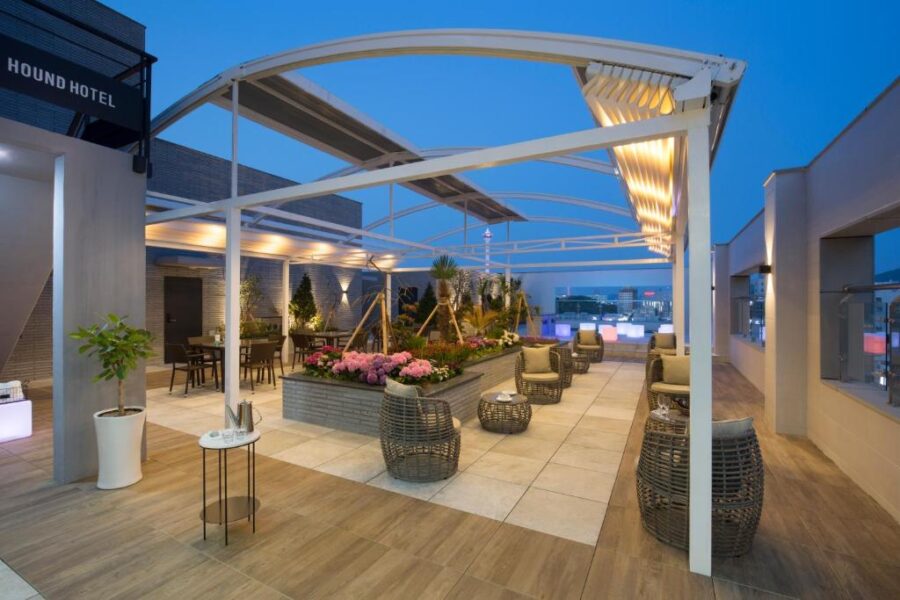
Hotels here cluster near the metro. Hotel Foret Premier Nampo is a reliable business-style pick, just steps from the station. Aventree Hotel Busan offers quiet, clean rooms in a prime spot near the markets. Stanford Hotel Busan is newer, with bigger rooms and a breakfast buffet that’s actually worth it.
Quick comparison:
| Type | Hotel | Notable Features |
|---|---|---|
| Comfort | Hotel Foret Premier Nampo | easy subway access, modern amenities |
| Central | Aventree Hotel Busan | walkable to Gukje and BIFF Square |
| Stylish | Stanford Hotel Busan | harbor view rooms, buffet breakfast |
This area’s for you if you want to walk everywhere, eat real street food, and watch the city buzz late into the night.
Gwangan & Gwangalli: Best for Beach Views and Nightlife
Gwangan and Gwangalli give you that rare mix—relaxed beach days, city energy at night, and everything you need within a short stroll.
Gwangalli Beach Attractions

Gwangalli Beach curves along soft white sand, facing the wide Gwangan Bridge. At night, thousands of LED lights on the bridge shift color with music. There’s something oddly calming about watching the show with a coffee in hand, just sitting on the steps by the sand.
On weekends, the Gwangalli M Drone Light Show fills the sky with moving shapes—hundreds of drones painting patterns you won’t see at most beaches. Daytimes are for paddleboarding, kayaking, or just walking the beachfront path dotted with art and cafes. Early risers sometimes get the whole beach to themselves.
Prefer quiet? Grab a public bench facing the sea. You’ll see fishers and friends setting up picnics while the bridge glows behind them.
Top Places to Stay in Gwangan

If waking up to the ocean’s your thing, Gwangalli has hotels right on the water. Kent Hotel Gwangalli by Kensington stands out for its rooftop bar and full bridge views—honestly, you can catch the light show without leaving your room. Rooms are modern, clean, and you’ll hear the waves even on higher floors.
Other solid choices: Hotel Aqua Palace has a small indoor pool and big windows facing the beach. A few blocks back, H Avenue Hotel Gwangalli and Elmomento offer boutique style at more reasonable rates.
Snapshot:
| Hotel | Type | Highlight |
|---|---|---|
| Kent Hotel Gwangalli | 4-star | Rooftop bar and sea views |
| Hotel Aqua Palace | 4-star | Pool and ocean-view rooms |
| H Avenue Hotel | 3-star | Trendy, near nightlife |
| Elmomento | 3-star | Boutique design, beach access |
Dining and Nightlife by the Beach
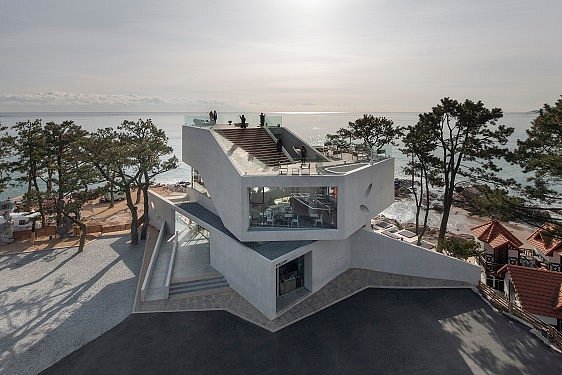
Gwangalli’s food scene runs late. Grilled seafood joints line the street, and many let you pick your fish straight from the tank. If you want something a bit more local and less polished, Millak-dong Raw Fish Market is about a 10-minute walk away.
Cafes here are stylish, often with rooftop patios—Waveon Coffee is a personal favorite for its minimal vibe and bridge views. After sunset, the mood shifts. Bars glow, music drifts out, and the air smells like salt and beer.
Nightlife is lively but not overwhelming. You’ll find rooftop lounges, small pubs, and the occasional club that keeps going until dawn. It’s not Busan’s wildest scene, but a couple of hours under those bridge lights with good company? That sticks with you.
Other Recommended Areas: Local Vibes and Convenient Stays
You don’t need to stick to the big beach districts to get a real taste of Busan. Some neighborhoods offer smoother airport transfers, better KTX access, and a glimpse of daily life—plus plenty of solid hotels and easy transport.
Busan Station: Transport and Budget-Friendly Hotels
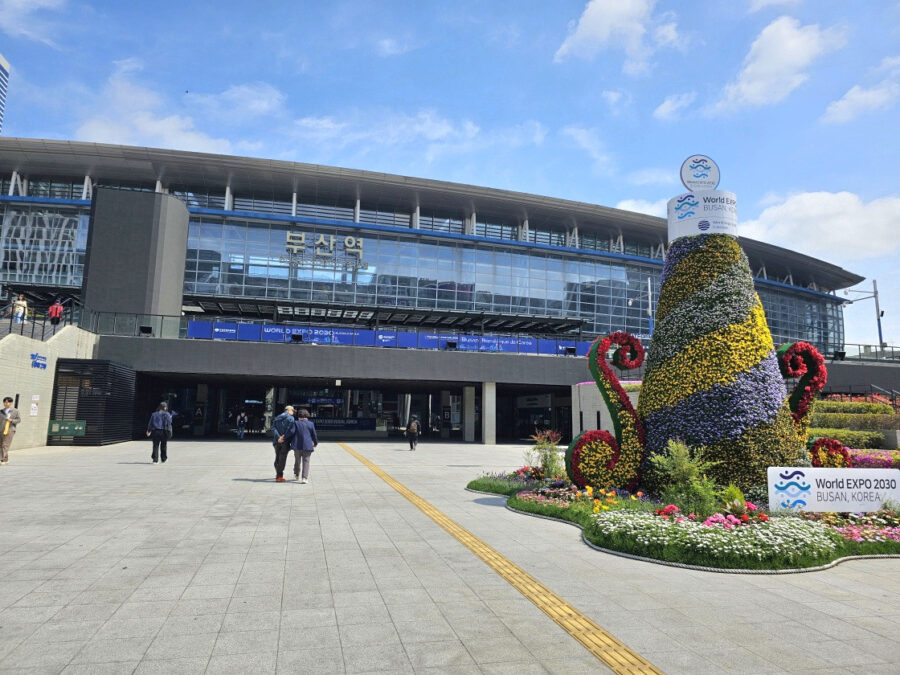
If you’re riding the KTX or heading to Incheon Airport, Busan Station makes travel simple. The area buzzes day and night with small cafés, quick eats, and mid-range hotels packed around the plaza. It’s a practical base if you’re aiming to cover a lot of ground quickly.
Asti Hotel Busan Station sits right inside the station complex. You can literally roll your luggage from the train to the front desk in minutes. Rooms are modern, quiet, and overlook the harbor. For tighter budgets, guesthouses and business hotels nearby usually cost half as much and still include breakfast and Wi-Fi.
You can walk to Yeongdo Bridge or the ferry terminal for island trips. It’s not the prettiest slice of Busan, but it’s efficient—great for early trains or fast transfers to Gimhae International Airport.
Sasang: Local Living and Easy Airport Access
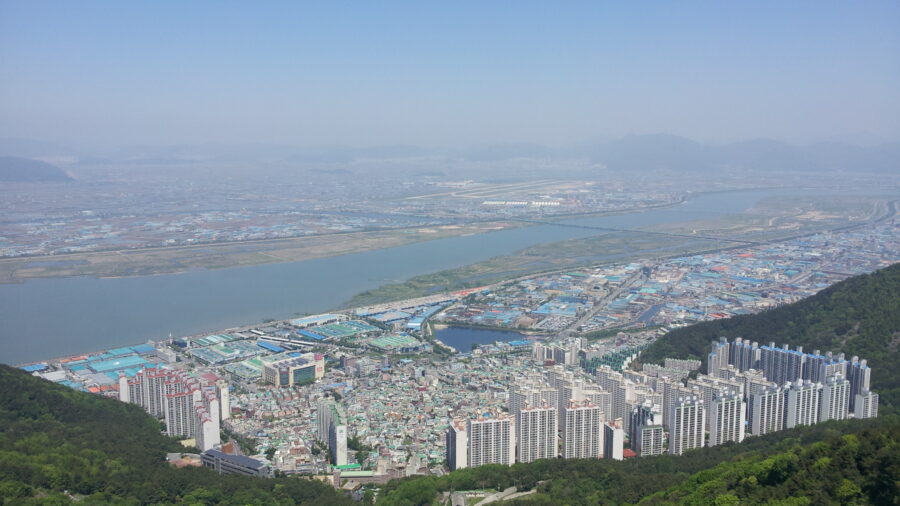
Sasang sits on Busan’s west side and feels like real, everyday Korea. Expect apartment blocks, riverside parks, and busy markets. It’s also just a 15- to 20-minute ride to Gimhae International Airport, so it’s a smart option for an overnight before or after flights.
Notte La Mia is a small hotel within walking distance of Sasang Station, with spotless rooms and a surprisingly good café downstairs. The Sasang Intercity Bus Terminal is next door, connecting you to other Korean cities.
The Gimhae Light Rail Transit (LRT) links straight to the airport, making transfers painless—especially if you’re dragging bags after a long flight.
Songdo: Leisure and Alternative Beaches
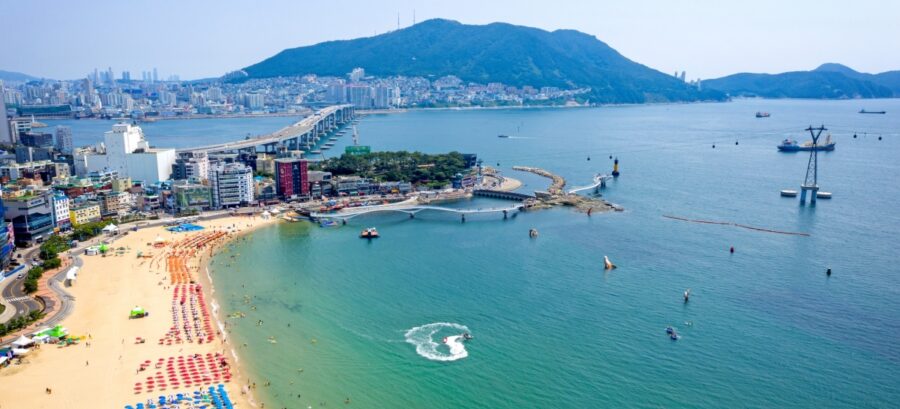
A standout here is the Busan Air Cruise, a cable car that glides over the ocean for sweeping coastline views. Honestly, I’d ride it again just for the sunset photos. You can hop off at Amnam Park for short hikes and more photo spots.
Hotels range from family-run inns to newer mid-range options with sea views. Walking down the promenade one evening, I watched parents grilling fish near the sand while teenagers played music by the steps. Nothing fancy, but that’s the charm—calm, local, and close to Nampo-dong if you want some bustle without sleeping in it.
Essential Tips for Booking Busan Accommodation
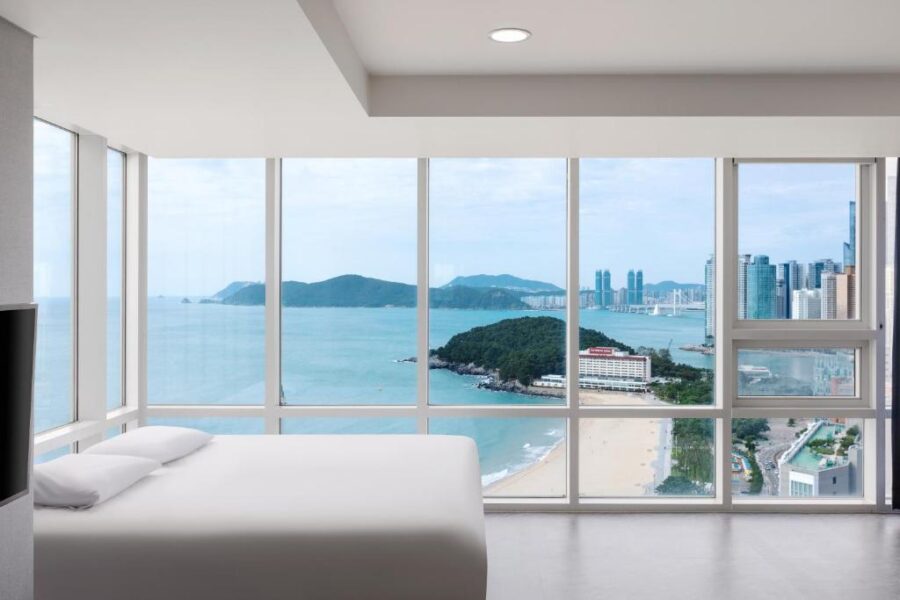
Finding the right place in Busan isn’t just about picking a neighborhood. Timing, booking methods, and the right travel tools make a huge difference. Knowing when to reserve, what’s available, and which apps actually help can save you a lot of hassle.
When to Book and Best Times to Visit
Book early if you’re coming during cherry blossom season (late March to early April) or the summer beach rush (July to August). Hotels in Haeundae and Gwangalli fill up fast, and prices can double. Fall is milder and less crowded—September to November is a sweet spot for deals.
If you can, go midweek. Weekends bring in crowds from Seoul, driving up prices. I usually book two or three months ahead for peak dates, but sometimes last-minute deals pop up in the off-season.
You can compare rooms on Booking or look for bundles on Expedia. For cheaper flights, try Find Cheap Flight Tickets or Search Flights, Hotels & Rental Cars | KAYAK. Flexibility really pays off—both for your wallet and your sanity.
Types of Accommodation Available
Busan offers everything from capsule hostels and budget motels to business hotels and beach apartments. If you want nightlife, Seomyeon has affordable rooms with easy metro access. For ocean views and morning walks, Haeundae’s mid-range hotels and serviced residences are solid.
Options at a glance:
| Type | Typical Price | Best For |
|---|---|---|
| Guesthouse/Hostel | $20–$50 | Solo travelers, budget |
| Business Hotel | $60–$120 | Short city stays |
| Beach Hotel | $100–$250 | Relaxed vacations |
| Serviced Apartment | $80–$200 | Families or long stays |
If you’ll be in town for a while, look for places with laundry and a small kitchen. That little bit of convenience makes a long trip feel more like home.
Useful Travel Tools and Apps
After you book, grab Naver Maps—Google Maps just doesn’t work well here. The English mode is decent, and walking directions are surprisingly spot-on. Add KakaoMetro for subway routes and Busan Subway Map for quick transfers.
Pick up a T-money card at the airport or any convenience store before you get on public transport. It saves time and keeps you from digging for coins. For translation, Papago beats most apps for Korean-English.
I always keep my Busan itinerary in offline mode, just in case Wi-Fi drops out on trains. It’s a small thing, but it’s saved me more than once—especially when hunting for late-night buses after the last metro.
Frequently Asked Questions
Busan’s got plenty of great places to stay, but the best area really depends on what you want from your trip. Some neighborhoods are right on the ocean, others buzz all night, and a few let you see daily Korean life without the tourist crush.
What are the top recommended areas for first-time visitors to stay in when visiting Busan?
For your first Busan trip, you’ll want easy access to beaches, food, and main sights. u003cstrongu003eHaeundaeu003c/strongu003e is the city’s most famous beach district—clean, modern, and packed with hotels for every budget.u003cbru003eu003cbru003eu003cstrongu003eSeomyeonu003c/strongu003e, right in the city center, is perfect if you plan to explore widely. Subway lines cross here, and it’s great for shopping, restaurants, and people-watching. I usually tell friends to start in one of these two for an easy intro to the city.
Which areas in Busan are best known for their vibrant nightlife and entertainment?
u003cstrongu003eSeomyeonu003c/strongu003e is where Busan’s nightlife really kicks off. The streets near Jeonpo Cafe Street buzz after dark, packed with small bars, karaoke rooms, and late-night barbeque spots. It’s easy to get swept up in the mix—one minute you’re sipping craft beer, the next you’re belting out 90s ballads.u003cbru003eu003cbru003eIf you want sea views while you unwind, u003cstrongu003eHaeundaeu003c/strongu003e has upscale lounges and rooftop bars overlooking the water. The vibe shifts between relaxed and lively, especially as the night goes on. Beach bars here fill up quickly, but you can usually find a spot with a view.
How can visitors find comfortable accommodation in Busan during the winter season?
Busan winters aren’t extreme, but you’ll want somewhere warm after a day out. Prioritize hotels or guesthouses with reliable heating and extras like cafés or saunas—those little comforts make a difference.u003cbru003eu003cbru003eu003cstrongu003eSeomyeonu003c/strongu003e and u003cstrongu003eNampou003c/strongu003e tend to have u003ca href=u0022https://www.realjourneytravels.com/places/winter/u0022u003elower winter ratesu003c/au003e since they’re away from the main beaches. I once booked a business hotel near Nampo in December—nothing fancy, but it was toasty, quiet, and close to some fantastic seafood joints.
Are there particular neighborhoods in Busan that offer a more unique and local experience?
Absolutely—u003cstrongu003eNampou003c/strongu003e and u003cstrongu003eGwangalliu003c/strongu003e both deliver a strong sense of local life. Nampo, close to Jagalchi Market, feels like old-school Busan with its bustling food stalls and tiny shops. Gwangalli, meanwhile, has a laid-back, everyday rhythm—think joggers on the sand, families sharing grilled fish by the water.u003cbru003eu003cbru003eIf you’re up for something a little offbeat, u003cstrongu003eGamcheon Culture Villageu003c/strongu003e brings a splash of color and creativity. It’s a bit touristy these days, but wandering the hillside alleys for those views? Still worth it.
What are the pros and cons of staying in Busan’s Haeundae versus Gwangalli beach areas?
u003cstrong style=u0022font-size: 18px;u0022u003eHaeundaeu003c/strongu003eu003cspan style=u0022font-size: 18px;u0022u003e is the big name: high-rise hotels, a long stretch of sand, and plenty of international restaurants. The flip side? It gets packed, especially on holidays and hot weekends, and prices can spike fast.u003c/spanu003eu003cbru003eu003cbru003eu003cstrongu003eGwangalliu003c/strongu003e feels more grounded—smaller scale, more locals, and a calmer evening scene. The beachfront is lined with great eats, and you won’t have to elbow your way through crowds. If you’re okay with fewer high-end hotels, I’d say Gwangalli’s atmosphere is hard to beat, especially outside peak season.
Can you suggest some walkable districts in Busan that are convenient for tourists to explore?
u003cstrongu003eNampou003c/strongu003e, u003cstrongu003eSeomyeonu003c/strongu003e, and parts of u003cstrongu003eHaeundaeu003c/strongu003e are all easy to cover on foot. In Nampo, you’ll find bustling markets and harbor views just steps apart. Seomyeon crams shopping, food, and bars into a handful of lively blocks.u003cbru003eu003cbru003eHaeundae’s beachfront is made for walking, especially early in the morning. Grab a coffee from a convenience store, stroll the boardwalk, and watch fishermen at work. It’s a simple routine, but honestly, it captures the mood of Busan better than any guidebook.