

Last modified August 17, 2026
Ever dream of seeing a night sky so clear you can actually spot the Milky Way stretching overhead? Tucson’s new Astro Trail gives you a real shot at that, connecting observatories, national parks, and planetariums all across southern Arizona’s desert. You can wander it with a printed or digital guide, mapping out the best stops for stargazing, cosmic learning, and some late-night awe.
What sets the Tucson Astro Trail apart is how it balances science and nature. You might visit Saguaro National Park, which has a rare Dark Sky certification, or maybe you’ll snag a deal through cheap flight alerts to make the trip easier on your wallet. Once you’re here, dropping your bags at luggage storage lets you roam without dragging your stuff around.
Key Takeaways
- Tucson Astro Trail links key astronomy sites across southern Arizona
- The trail offers rare stargazing and learning opportunities
- Smart planning and light packing make the trip easier and more fun
What Is the Tucson Astro Trail?
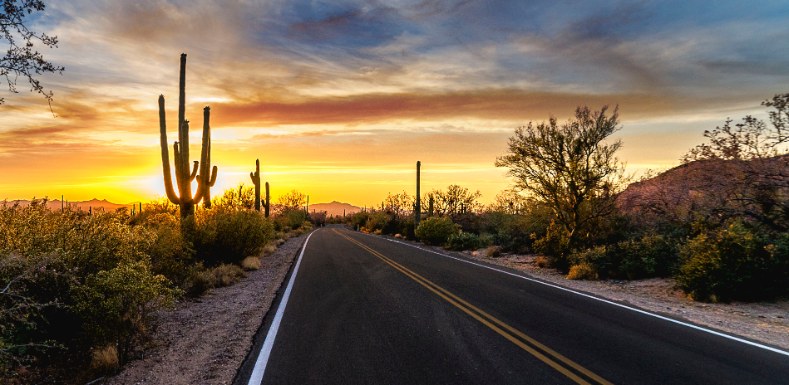
Tucson’s Astro Trail ties together the city’s most accessible stargazing destinations into one mapped adventure. You get a route that connects observatories, planetariums, and dark-sky parks—places where you can actually get close to the stars. Both digital and print tools help you find your way between these cosmic stops, mixing science with a bit of local culture as you go.
Origins and History
The Astro Trail started as Tucson’s response to a growing interest in astrotourism. Locals already knew this region protects its dark skies better than almost anywhere else in the U.S., thanks to strict lighting laws and the Sonoran Desert’s naturally clear air.
Tourism leaders in the city and scientists from the University of Arizona got together to design a route that shows off the area’s observatories and night-sky attractions. The trail officially launched in early 2025, linking telescope facilities, museums, and astronomy learning centers into a continuous experience.
National Geographic called it more than just a sightseeing path—it’s a way to help Tucson keep its reputation as a global astronomy hub. I remember visiting in the ’90s, when stargazing here already felt like stepping into a planetarium, and now there’s a mapped way to do it right. Honestly, it’s such a simple but brilliant idea: share what was mostly for researchers with anyone who’s curious.
Trail Highlights and Unique Features
Think of the Astro Trail as a scenic drive mixed with a mini astronomy course. There are 11 official stops, all picked for their accessibility and sky quality. Some of the headliners are Kitt Peak National Observatory, the Flandrau Science Center and Planetarium, and a handful of dark-sky parks tucked into the surrounding mountains.
But you’ll stumble across smaller gems too—local restaurants, hotels that cater to night-sky watchers, and desert viewpoints that are perfect for astrophotography. The Visit Tucson guide points out these extras, nudging you to mix science, culture, and a bit of fun.
The best part? The trail works for a quick day trip or a whole week. You don’t need to be an astronomer; just show up with curiosity and a willingness to look up. If you ask me, bring binoculars and a red flashlight—some of these dark-sky spots get really dark.
| Stop Type | Example Site | Visitor Tip |
|---|---|---|
| Observatory | Kitt Peak | Reserve a nighttime program early |
| Planetarium | Flandrau Science Center | Check seasonal exhibits |
| Park | Ironwood Forest National Monument | Ideal for Milky Way viewing |
How the Mobile App and Printed Guide Work
Planning your route is a breeze with the trail’s mobile app and printed guide, both free from Visit Tucson. The app gives you GPS directions, background info, and tips for each spot. It even throws in astronomy trivia and real-time viewing suggestions based on weather and moon phases.
I found the app super useful for spontaneous road trips; it saved me from missing a last-minute planetarium show. The printed guide is a nice keepsake, with short profiles of each stop and QR codes for extra details.
If you like old-school maps, the printed version highlights rest areas, food stops, and roadside viewpoints. The digital Astro Trail guide adds interactive features like badge collections and prize entries for finishing certain routes—a fun bonus if you’ve got kids or just like collecting things. Both versions make Tucson’s starry landscape feel surprisingly easy to explore.
Stargazing Opportunities Along the Trail
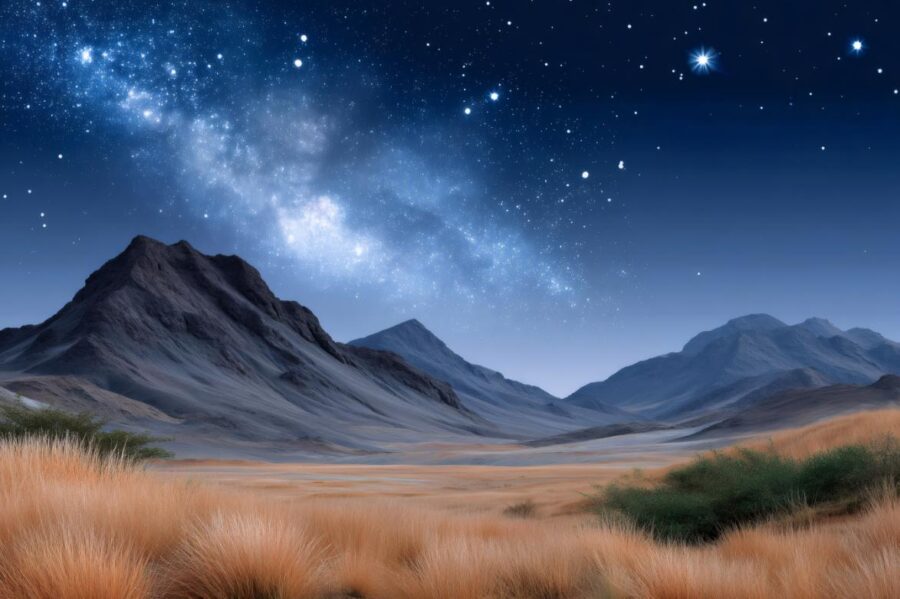
Tucson’s Astro Trail isn’t just about connecting observatories and museums—it’s about connecting people to the stars. Thanks to low light pollution, high desert elevation, and over 300 clear nights a year, this region gives you a front-row seat to the Milky Way, meteor showers, and deep-space sights most cities can only dream of.
Best Times for Night Sky Viewing
The desert sky works its magic all year, but some nights just hit different. Late fall through early spring usually brings the clearest conditions, with less dust and humidity. If spotting the Milky Way is your goal, aim for new moon phases—no moonlight means fainter constellations pop out.
I’ve learned that altitude and timing matter here. Go for mountain sites like Mount Lemmon or the Mount Graham International Observatory around sunset. You’ll catch golden-hour colors fading into deep twilight before the stars really show off. Most locals, myself included, plan stargazing around seasonal weather—summer monsoon clouds can block everything, but late October skies? Nearly perfect.
When it gets cold, layers and a thermos are your friends. Those chilly desert nights can sneak up on you, but the silence and crisp air turn every star into something personal.
Types of Stargazing Experiences
Tucson has a night sky experience for everyone. Families often start with guided sessions at places like Flandrau Science Center and Planetarium, where astronomy educators show you how to spot the big constellations. More serious stargazers usually head for research facilities like Kitt Peak National Observatory or swing by the Pima Air & Space Museum to tie space history to the stars above.
Some resorts on the Astro Trail now offer telescope lounges and astronomy hikes. You can hang out by a fire pit while learning to spot planets, or join a local star party where amateur astronomers let anyone peek through their telescopes.
Here’s a quick look at what you might try:
| Experience Type | What to Expect | Ideal For |
|---|---|---|
| Guided Observatory Tour | Professional telescopes and expert talks | Beginners and families |
| Resort Sky Lounge | Comfortable setups, often with refreshments | Casual stargazers |
| Desert Star Party | Shared telescopes, community vibe | Enthusiasts and photographers |
| DIY Desert Campout | Unobstructed wild views | Adventurous travelers |
Celestial Events to Watch For
Tucson’s desert skies put on a show all year. Early January usually brings the Quadrantids meteor shower, while August lights up with the Perseids—best after midnight. You can also catch planetary alignments along the Astro Trail, especially near dawn or dusk when Venus, Mars, and Jupiter line up like bright beads on a string.
Lunar eclipses? Definitely worth watching here. The region’s clear skies make them dramatic, especially when the moon turns that rusty red against a pitch-black backdrop. If you’re in town during winter, try a higher spot in Saguaro National Park, recognized as an Urban Night Sky Place on Tucson’s observatory trail.
Local clubs and universities sometimes announce special telescope nights. These are relaxed, friendly gatherings where you can see Saturn’s rings or deep-space objects millions of light-years away. Just bring your curiosity—you’ll walk away with a new sense of wonder for the universe hanging over your head.
Top Astro Trail Destinations in Tucson
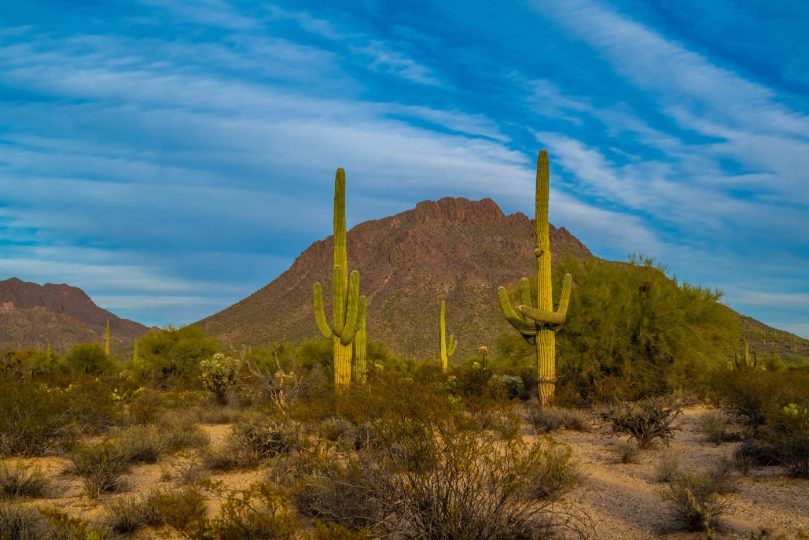
Tucson’s desert sky keeps drawing astronomers and travelers with its rare clarity and protection from city light. The region’s observatories, science centers, and protected parks make it easy to see the stars as nature intended—sharp, bright, and endless.
Kitt Peak National Observatory
High in the Quinlan Mountains on the land of the Tohono O’odham Nation, Kitt Peak National Observatory feels like a different world. The drive up is slow and winding, but the view from the top is worth every curve. More than two dozen telescopes dot the site, used by astronomers worldwide and by visitors just hoping for a closer look at the night sky.
Evening programs let you peer through professional scopes after sunset. Time fades away up there—watching Saturn’s rings or the glow of distant clusters. If you’re lucky, you’ll meet a local guide who explains how the site mixes cutting-edge research with respect for tribal land. You can plan your visit with the Astro Trail guide, which connects Kitt Peak to other stargazing stops around Tucson.
Saguaro National Park: Urban Night Sky Place
Within sight of downtown Tucson, Saguaro National Park protects one of the region’s largest stands of its iconic cacti. What you might not expect: the stargazing here is fantastic. The park earned a special Urban Night Sky Place designation for keeping dark-sky quality right next to a city.
There are a handful of pullouts along the park loop drives that work well for night viewing. After sunset, the giant saguaros turn into silhouettes against the Milky Way—honestly, a photographer’s dream scene. Rangers sometimes host skywatch programs, so it’s worth checking the schedule. Nights can get chilly, so toss an extra layer and maybe a folding chair in the car. It’s a simple, low-effort way to get the Tucson dark-sky experience without heading far from the city lights.
Mt. Lemmon SkyCenter and SkyNights Program
A drive up Mount Lemmon takes you from desert heat to pine forest in about an hour. Near the summit, you’ll find the Mount Lemmon SkyCenter, part of the University of Arizona’s astronomy department. The real highlight is the SkyNights Stargazing Program, a hands-on evening where you can look through a research-grade telescope.
Staff astronomers are genuinely enthusiastic, answering questions about constellations and nebulae with contagious energy. You even get to snap your own photos through the telescope—makes for a pretty great souvenir. If you prefer smaller crowds, aim for a weekday session. And don’t rush the drive back down after dark; the city lights below sprawl out like a galaxy across the desert floor.
Flandrau Science Center and Planetarium
If the weather’s not cooperating—or you just want to be indoors—the Flandrau Science Center and Planetarium on the University of Arizona campus is a solid choice. It blends science education with public outreach, and it’s a favorite for families and anyone with a soft spot for astronomy.
The planetarium’s dome shows make you feel like you’re floating through space without leaving your seat. New digital projectors simulate Tucson’s sky and beyond, teaching you how to spot constellations before you even step outside. Exhibits cover everything from meteorites to deep-space research linked to nearby astronomy institutes.
I still remember sitting in that dark theater as the “sky” opened up above me—it’s quiet, immersive, and honestly pretty calming. Afterwards, you can wander through campus under real stars and connect what you learned inside with the vastness overhead.
Additional Trail Stops and Surrounding Sites
Tucson’s dark skies connect you to some of southern Arizona’s most fascinating places—where science, nature, and discovery all overlap. World-class research happens right beside rugged desert hills, and you’ll find observatories, parks, and museums that show just how deeply space exploration runs through local life.
Richard F. Caris Mirror Lab
The Richard F. Caris Mirror Lab hides beneath the University of Arizona’s football stadium, which still surprises even locals. This place builds the world’s largest telescope mirrors, including those for the Giant Magellan Telescope. Watching scientists cast and polish glass that’ll end up on mountaintops around the globe feels a bit surreal.
Guided tours run several times a week, and you can usually watch technicians at work through the observation windows. They use a spinning furnace to shape molten glass into nearly perfect parabolas as it cools—a wild process, even if you’re not a science nerd. It’s dusty, bright, and loud, but the results are pure precision.
What I love most is how personal the work feels. You stand just a few feet from mirrors destined for telescopes that could change our view of the universe. Bring a camera (no flash) and good shoes; the tour paths twist through busy labs.
Mount Graham International Observatory
High in the Pinaleño Mountains, the Mount Graham International Observatory sits at 10,500 feet, surrounded by cool pine forest. It houses three major telescopes, including the Large Binocular Telescope with dual mirrors that collect more light than any other optical telescope. National Geographic lists it as one of eleven official stops on the Tucson Astro Trail.
The drive up takes a couple of hours from Tucson and it’s full of twists and turns. Summer brings crisp air and wildflowers; in winter, you might see snow. Visitors book tours through Eastern Arizona College, and spots fill up fast since weather and conservation rules limit access.
Be ready for the altitude—drink water and take it slow on the hikes. From the top, the view stretches endlessly across southern Arizona. If you crave silence and stars, it’s hard to beat.
Oracle State Park and Kartchner Caverns State Park
Oracle State Park sits north of Tucson and serves as both a Dark Sky Park and wildlife refuge. It’s smaller than the national parks, but the open skies here feel enormous. Trails wind through grasslands and oak woodlands, and after dusk, you can join star parties hosted by local astronomy clubs. The Milky Way pops with clarity you rarely get so close to a city.
About an hour southeast, Kartchner Caverns State Park hides a different kind of wonder below ground. The caverns stay a steady 70°F and are lined with massive stalactites still forming drop by drop. Rangers protect this delicate ecosystem, so tours are tightly controlled. Above ground, outdoor exhibits explain how the caves were discovered and why dark-sky lighting helps preserve nearby observatories.
Pima Air & Space Museum
The Pima Air & Space Museum isn’t just about planes—it broadens your sense of how flight led to astronomy. The main hangars hold everything from World War II bombers to space capsules from early NASA missions. A short tram ride takes you past hundreds of planes gleaming under Arizona’s sun, some retired from Davis–Monthan Air Force Base.
Exhibits connect aviation pioneers to modern space exploration, like early rocket development and satellite tech still in use. I always end up spending twice as long here as I plan; between the vintage jets and space artifacts, it’s tough to rush.
Staff and volunteers—many are former pilots—love swapping stories, and their insights make the visit more personal. You can even combine your trip with stops along the Astro Trail to trace how Tucson’s skies inspire both science and imagination.
Protecting Tucson’s Dark Skies
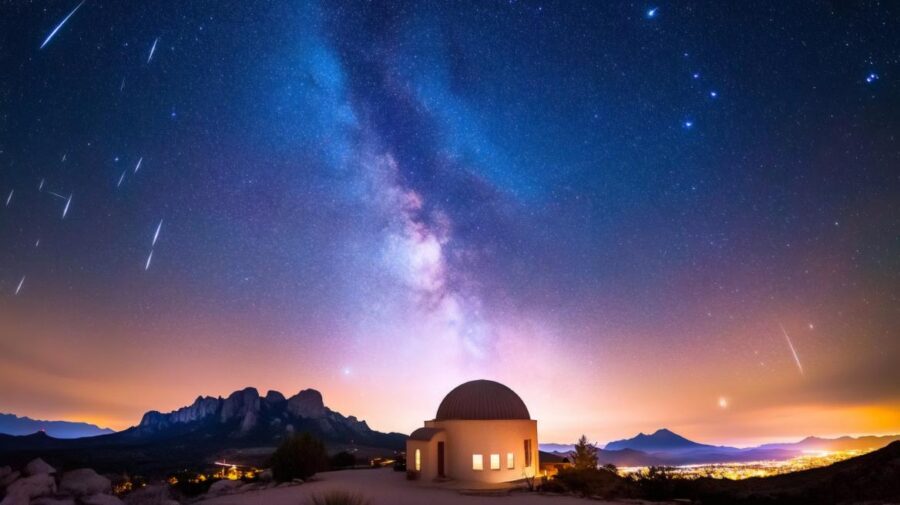
Tucson’s dedication to darkness isn’t just poetic—it’s practical. The city’s commitment to smart lighting, astronomical research, and public education has turned this Sonoran Desert hub into a model for balancing urban growth with starlight preservation.
Light Pollution Regulations and DarkSky International
You might be surprised to hear Tucson’s been fighting light pollution for over 50 years. In fact, it adopted one of the nation’s first outdoor lighting codes back in 1972. These laws limit glare and require fully shielded fixtures—lights point downward instead of scattering into the sky. The city even swapped nearly 20,000 streetlights for adaptive LEDs, cutting emissions and saving energy by the millions every year.
Tucson is also home to DarkSky International, the nonprofit behind the global dark-sky movement. This group teams up with scientists and local leaders to improve lighting standards and raise awareness about how excess light messes with wildlife, sleep, and energy use. Every little adjustment helps preserve those inky, star-filled desert nights Tucson is known for.
I still remember staying near Oracle State Park one winter evening and realizing just how quiet and truly dark the Sonoran Desert can be. It’s the kind of darkness where you can see your own shadow in starlight.
Tucson’s Role in Astronomy Preservation
Despite being the second-largest city in Arizona, Tucson manages to keep its skies open for research. It’s home to the Mount Lemmon and Kitt Peak observatories, where scientists study everything from exoplanets to black holes. The city’s light regulations protect these observatories from the skyglow that plagues most metro areas.
The University of Arizona plays a huge role, producing the world’s largest telescope mirrors under the football stadium bleachers—seriously. By keeping artificial light to a minimum, the region maintains prime conditions for both scientists and amateur stargazers.
This isn’t just about science, either. Locals often talk about the “right to a dark night,” and after an evening walk under the Milky Way, you’ll get it.
Recognized Dark-Sky Attractions
The Tucson Astro Trail links 11 key astronomy sites including Kitt Peak National Observatory, Mount Lemmon SkyCenter, and the Fred Lawrence Whipple Observatory. These spots offer guided night programs where you can peer through research-grade telescopes or snap a Milky Way photo with your phone.
Six parks and communities around Tucson have earned official Dark Sky designations—places like Saguaro National Park and Oracle State Park. Each location limits outdoor lighting, helping keep the area’s natural darkness and wildlife rhythms intact.
If you’re planning a trip, pack binoculars and a red flashlight. Spend an evening outside the city and you’ll see why Tucson is considered a global leader in dark-sky tourism. It’s not just about preservation—it’s an experience that shifts how you see the night.
Unique Experiences for Astronomy Enthusiasts
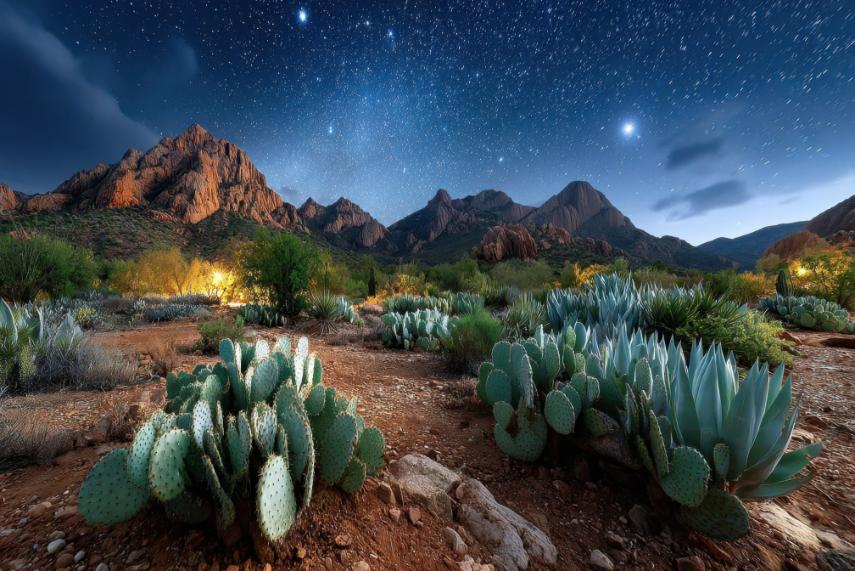
Tucson gives stargazers more than just dark skies. You’ll find real chances to connect with the stars through programs run by astronomers, park rangers, and local experts who love sharing their passion. From pro-grade telescopes to guided hikes under constellations, every activity shows how deep the city’s love for astronomy goes.
Astronomer Nights and Astronomy Camp
If you’ve ever wanted to peek through the same kind of telescopes the pros use, here’s your shot. Several observatories around Tucson open their doors for Astronomer Nights, letting visitors gaze at planets, nebulae, and far-off galaxies. You’ll usually meet local astronomers who explain what you’re seeing, which makes the whole thing feel surprisingly personal and approachable.
At the Astronomy Camp, usually hosted near the University of Arizona, you get hands-on time learning to operate instruments and interpret celestial data. The camp welcomes both kids and adults—you don’t have to be a scientist to join. Nights can run late, but seeing the Milky Way shine above the Sonoran Desert is so worth it.
Ranger-Guided Night Hikes and Programs
You don’t always need a telescope for a memorable night out under Tucson’s sky. Sometimes just a slow, mindful walk reveals more than you’d expect. Parks around Tucson, especially Saguaro National Park, offer ranger-guided night hikes that weave together stargazing and desert ecology. Rangers explain how animals make their way by moonlight and how cacti handle the nightly chill.
On these hikes, rangers sometimes set up portable telescopes so everyone can take a peek at things like Jupiter’s moons or the pockmarked surface of our own. Last year, I joined one, and there was something special about the quiet moments—everyone just looking up, sharing the wonder. If you go, bring a red flashlight, a jacket, and give your eyes a few minutes to adjust; it’s worth the wait.
Plenty of these hikes wrap up with short stargazing programs—great if you’re bringing kids or just starting to get curious about astronomy.
Stargazing Itineraries for All Levels
Whether you’re just starting out or you’ve already caught the stargazing bug, Tucson’s stargazing itineraries make it easy to plan. The city’s Astro Trail links up observatories, planetariums, and six Dark Sky Parks, so you can pick a route that matches your experience and mood. Beginners often stick to quick sessions at city parks, while die-hards might drive up Mount Lemmon for those crisp, high-altitude views.
Some itineraries even throw in daytime stops at places like the Mirror Lab, where you can watch the massive telescope lenses being made. There’s something satisfying about seeing the tools of astronomy up close, then using one to scan the sky just hours later.
Locals will tell you: combine a daytime desert hike with an evening at an observatory for a mix of adventure and downtime. I always bring a notebook—trust me, you’ll want to jot down where you were when you first spotted Saturn’s rings.
Enhance Your Tucson Astro Trail Adventure
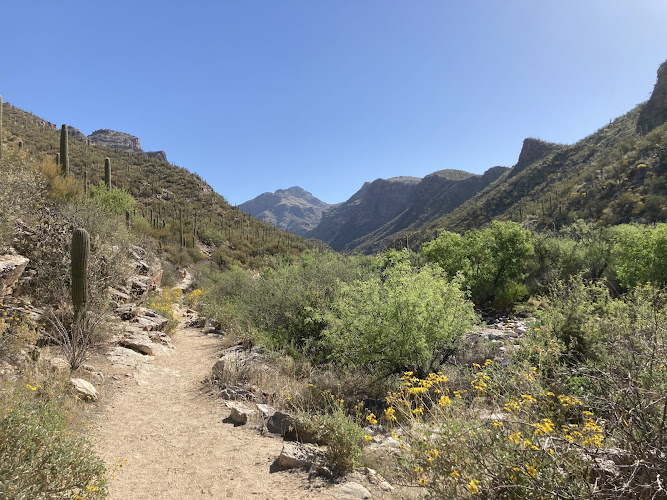
The stars are the main draw, sure, but Tucson’s food, culture, and places to crash make the trip even richer. You’ll find sun-powered cafes, vivid old missions, and resorts tucked into canyons—none of them far from a good stargazing spot.
Dining and Nightlife Inspired by the Cosmos
Eating in Tucson? It’s like a tour of flavors from another world. As a UNESCO City of Gastronomy, Tucson fuses Mexican roots with Sonoran desert ingredients in ways that keep even locals guessing. I always nudge people toward El Charro Café—it’s a classic, and the carne seca (sun-dried beef) tastes like it was made for this place’s heat and light.
If you’re more into casual spots, grab a Sonoran hot dog at El Güero Canelo or try the daily-changing vegan plates at Tumerico. After dinner, check out Sky Bar, a solar-powered hangout where they roll out telescopes right on the patio. Honestly, it’s a fun way to end the night—good food, a drink, and a peek at the planets.
And don’t skip Barrio Bread—the mesquite flour gives it a nutty kick that’s hard to forget. If you’re prepping for chilly mountain nights, you might want to snag some travel gear before heading up the road.
Local Arts, Culture, and Daytime Attractions
There’s plenty to see before the sun goes down. If you’re into art, pop into the Philabaum Glass Gallery & Studio; their blown-glass pieces catch the light in a way that’s almost cosmic. With a bit more time, the Blue Lotus Artists’ Collective near downtown is worth a look—lots of desert-inspired art you won’t find anywhere else.
For a taste of history, the Mission San Xavier del Bac stands out—its white walls seem to glow against the desert. Not far away, Mission Garden shows off crops that have grown here for centuries. If you’d rather skip the buildings, hiking in Sabino Canyon or the Coronado National Forest gives you sweeping views, day or night.
Families and nature fans shouldn’t miss the Arizona-Sonora Desert Museum. It’s part zoo, part botanical garden, part earth science center—honestly, it’s a lot in one place. For guided tours or activities that pair with observatory visits, see what’s up on Viator.
Recommended Accommodations for Stargazers
After a long day, you’ll want a cozy spot to recharge—ideally with a clear view of the night sky. The Loews Ventana Canyon Resort sits at the base of the Santa Catalina Mountains, and the rooms open right up to the desert. I like to sit on the balcony with a late coffee, watching for constellations before bed.
Boutique hotels and guest ranches around the foothills offer a quieter vibe, and some even have loaner telescopes or sunrise yoga with mountain views. You can compare options easily on Booking or look for bundled packages on Expedia.
If flexibility’s your thing, I’ve found that searching local inns and short stays on KAYAK often turns up better deals near observatories. Just a heads-up: weekends fill up fast. Stargazing’s gotten pretty popular around here.
Frequently Asked Questions
Tucson’s night skies stay dark, thanks to the community and some smart rules. There are all kinds of ways to dive into the local astronomy scene—public observatories, digital guides, and plenty of welcoming spots for both visitors and locals.
The mix of desert altitude, dry air, and strict dark-sky rules makes Tucson a prime spot for catching celestial events, no matter the season.
You can grab the official u003ca href=u0022https://www.visittucson.org/plan-your-visit/maps-and-guides/astro-trail/u0022u003eTucson Astro Trail guide and mapu003c/au003e from Visit Tucson’s website. It lists all the best dark-sky parks, observatories, and viewing areas in and near the city.u003cbru003eIf you like to travel light, there’s a free mobile version too—handy if you’re wandering around after midnight with binoculars in hand.
Are there any specific viewing locations recommended for tonight’s celestial events in Tucson?
For clear skies tonight, try Saguaro National Park or one of Mount Lemmon’s overlooks. Both are close to town but dark enough for a real Milky Way moment.u003cbru003eIf you’re sticking to the city, the area around the Flandrau Science Center usually works for casual viewing, though streetlights can cut into what you see.
What are the details of Tucson’s dark sky ordinance and how does it affect stargazing?
Tucson’s dark sky ordinance—one of the first in the country—controls where and how bright outdoor lights can be. Lights have to point down, and only certain bulbs are allowed to keep light pollution low.u003cbru003eu003cbru003eThanks to these rules, local observatories work with almost no interference, and you’ll notice the difference. It’s just darker here than in other cities this size—kind of refreshing, honestly.
Which observatories in Tucson offer public access for astronomical viewing?
Public viewing nights happen year-round at places like the u003ca href=u0022https://www.trazeetravel.com/tucson-arizona-launches-new-astro-trail/u0022u003eKitt Peak National Observatoryu003c/au003e, the Flandrau Science Center u0026amp; Planetarium, and the u003cstrongu003eMount Lemmon SkyCenteru003c/strongu003e.u003cbru003eu003cbru003eSchedules vary—some spots need reservations, others let you just walk in. If you plan ahead, you might catch a telescope session led by actual astronomers. Not a bad way to spend an evening, right?
What are the top-rated observatories for an optimal stargazing experience in Tucson?
For jaw-dropping stargazing, the u003cstrongu003eMount Graham International Observatoryu003c/strongu003e usually claims the top spot, with Kitt Peak right behind. Both are part of the broader u003ca href=u0022https://astro.arizona.edu/news/national-geographic-new-astronomy-trail-debuts-tucson-city-protective-its-dark-skiesu0022u003eAstro Trail networku003c/au003e, connecting eleven standout astronomy stops across southern Arizona.
New to telescopes? Maybe just curious? Flandrau’s public sky events keep things low-key and welcoming—great for anyone hoping to catch a first glimpse of Saturn’s rings or just hang out under the stars.