

The Rise of Astro-Tourism: Chasing Dark Skies in the Age of Light Pollution
Updated September 10, 2024
Have you ever gazed up at a starry night sky and felt a sense of wonder? If you live in a city, chances are you haven’t seen a truly dark sky in years. Light pollution has robbed many of us of this awe-inspiring natural spectacle. But there’s a growing travel trend that’s bringing stargazing back into focus: astro-tourism.
Astro-tourism isn’t just about seeing stars – it’s about reconnecting with the cosmos and our place in the universe. It’s a way to escape the constant glow of our screens and streetlights and rediscover the beauty of a truly dark night sky. And let me tell you, once you’ve seen the Milky Way stretching across the heavens in all its glory, you’ll never look at the night the same way again.
I remember the first time I saw a truly dark sky. I was camping in the Australian Outback, miles from the nearest town. As night fell, the sky erupted into a tapestry of stars so thick it looked like diamond dust scattered across black velvet. The Milky Way was a river of light flowing overhead. I felt small, but in the best possible way – connected to something vast and ancient and beautiful.
That experience changed me, and I’m not alone. More and more travelers are seeking out dark sky destinations, driving a boom in astro-tourism. But what exactly is astro-tourism, and why is it gaining popularity now? Let’s dive in and explore this fascinating travel trend.
What is Astro-Tourism?
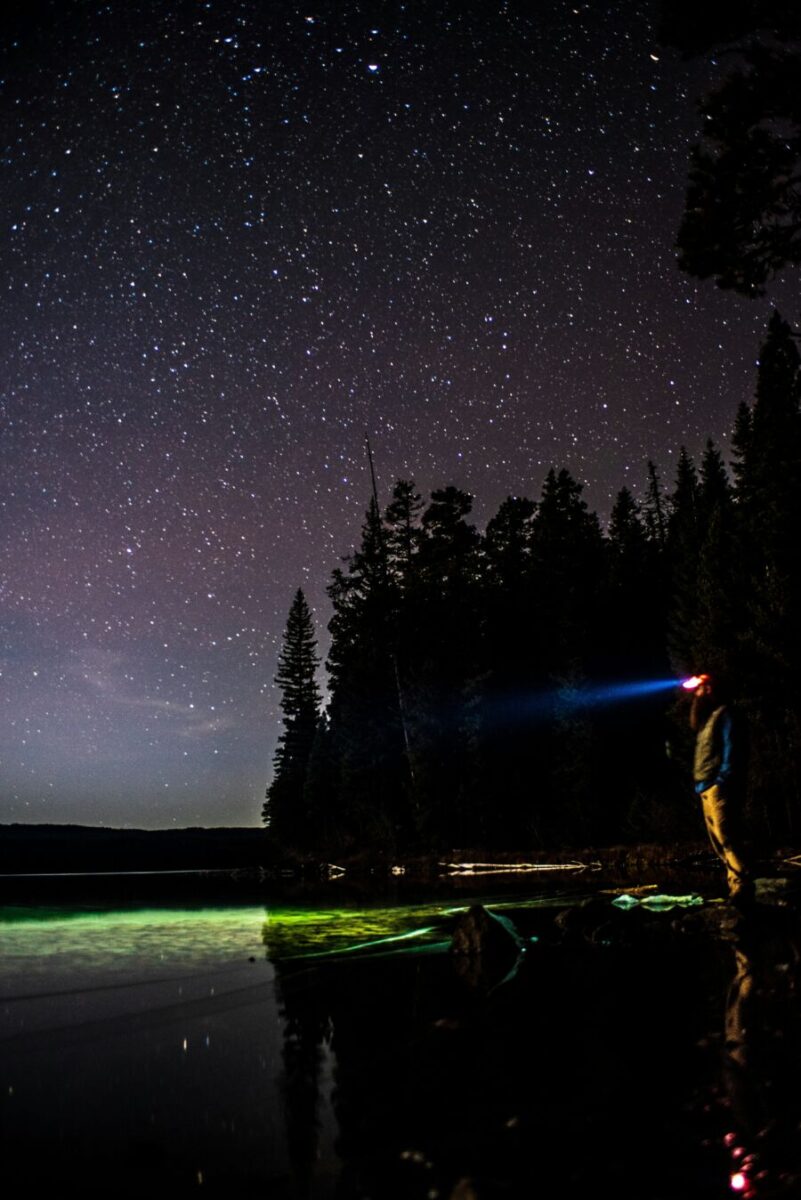
Astro-tourism is travel specifically motivated by astronomical events or dark sky experiences. This can include:
- Visiting dark sky reserves or parks
- Attending star parties or astronomy festivals
- Traveling to view eclipses, meteor showers, or other celestial events
- Staying at astronomy-themed hotels or resorts
- Taking astrophotography tours
Basically, if you’re traveling somewhere primarily to look up at the night sky, you’re an astro-tourist. And you’re part of a rapidly growing trend.
The Dark Sky Movement
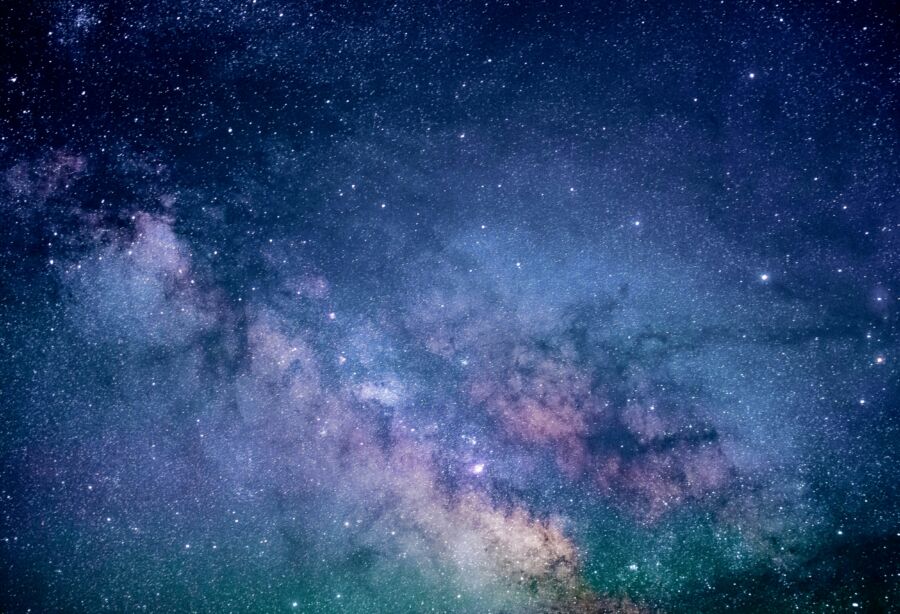
The rise of astro-tourism is closely tied to the dark sky movement. This global effort aims to preserve natural darkness and combat light pollution. Organizations like the International Dark-Sky Association (IDA) work to protect dark sky areas and educate the public about the importance of dark nights.
Dark sky reserves and parks are a key part of this movement. These are areas certified for their exceptional quality of starry nights and protected nocturnal environment. They’re like national parks for the night sky, preserving some of the darkest and most star-filled skies on Earth.
As of 2024, there are over 200 certified International Dark Sky Places worldwide. These range from remote wilderness areas to small towns that have committed to reducing light pollution. And they’re becoming major draws for astro-tourists.
Why Astro-Tourism is Booming Now

Several factors are driving the growth of astro-tourism:
- Increasing light pollution: As our world gets brighter, truly dark skies are becoming rarer and more valuable. For many urban dwellers, seeing a sky full of stars is now an exotic experience worth traveling for.
- Growing awareness: The dark sky movement has raised awareness about light pollution and the value of dark nights. More people are realizing what they’re missing when they can’t see the stars.
- Social media: Stunning astrophotography shared on platforms like Instagram has sparked interest in dark sky experiences. Who doesn’t want to capture their own amazing shot of the Milky Way?
- Desire for unique experiences: In an era of mass tourism, astro-tourism offers something different – a chance to connect with nature in a profound way.
- Wellness trends: Stargazing aligns with wellness travel trends, offering a way to disconnect from technology and reconnect with nature.
- Space enthusiasm: High-profile space missions and the growth of commercial spaceflight have rekindled public interest in astronomy and space.
The Economic Impact of Astro-Tourism
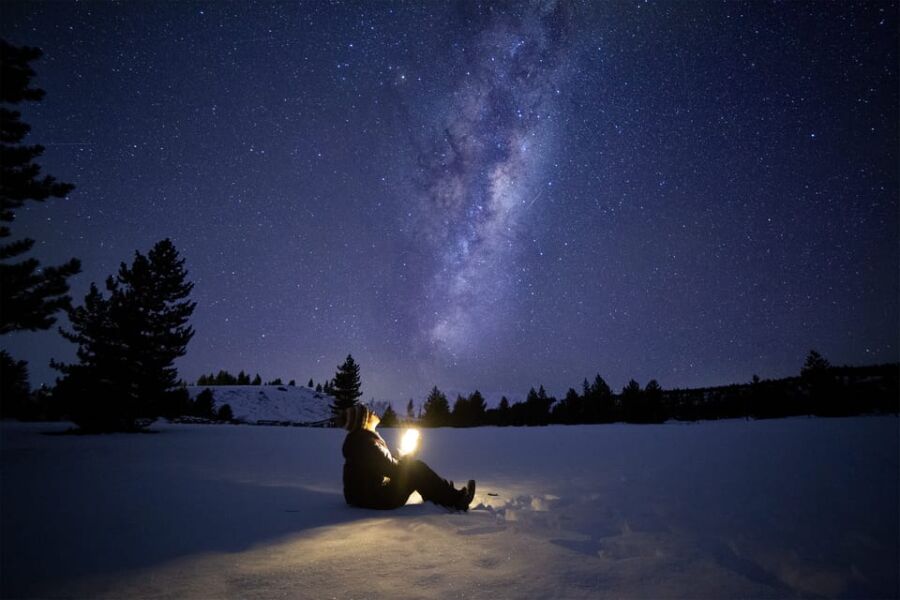
Astro-tourism isn’t just good for travelers – it’s also providing a boost to local economies, especially in rural areas. Many of the best stargazing spots are in remote locations that have struggled economically. Astro-tourism is bringing in new visitors and revenue.
For example, a 2019 study found that dark sky tourism in the Colorado Plateau (which includes parts of Colorado, Utah, New Mexico, and Arizona) generated $5.8 billion in spending and supported over 10,000 jobs annually. That’s a significant economic impact, especially for rural communities.
And the potential for growth is huge. According to the World Travel & Tourism Council’s 2024 Economic Impact Research, the U.S. Travel & Tourism sector contributed $2.36 trillion to the economy in 2023, with domestic visitors spending $1.37 trillion. While astro-tourism is still a niche market, it’s growing rapidly and could become a significant part of the tourism industry in the coming years.
Top Astro-Tourism Destinations
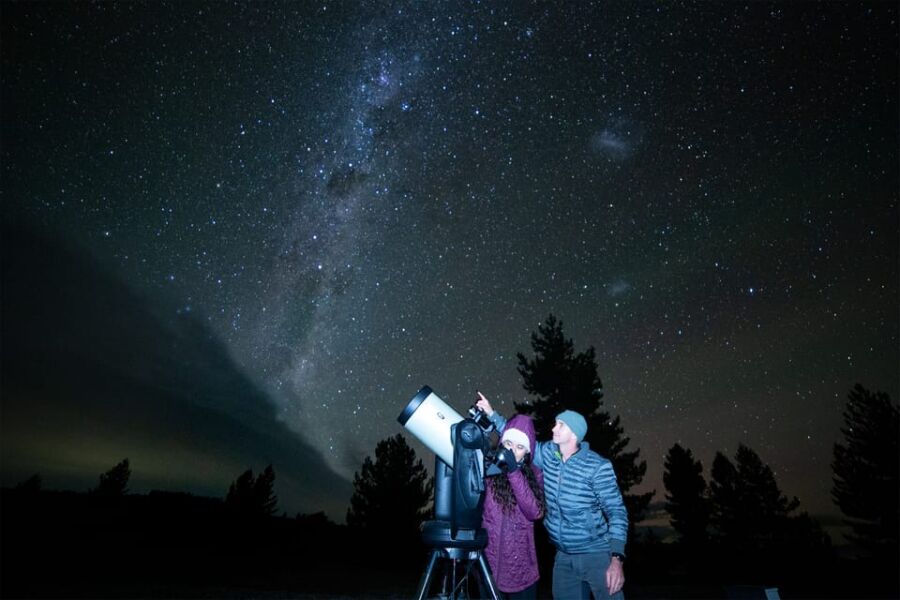
Ready to plan your own stargazing adventure? Here are some of the world’s top astro-tourism destinations:
- Atacama Desert, Chile: Often called the best place on Earth for stargazing, the Atacama’s high altitude and dry climate create perfect conditions for astronomy. The ALMA Observatory here is the world’s most powerful radio telescope.
- Namibrand Nature Reserve, Namibia: Africa’s first International Dark Sky Reserve offers stunning views of the southern sky. You can see the Magellanic Clouds, satellite galaxies of the Milky Way, with the naked eye.
- Mauna Kea, Hawaii: Home to some of the world’s most powerful telescopes, Mauna Kea offers stargazing tours that will blow your mind. The views from 14,000 feet above sea level are truly out of this world.
- Aoraki Mackenzie International Dark Sky Reserve, New Zealand: The largest dark sky reserve in the world, this area in New Zealand’s South Island offers jaw-dropping views of the southern night sky.
- Natural Bridges National Monument, Utah: The first International Dark Sky Park, Natural Bridges offers ranger-led stargazing programs and stunning views of the Milky Way arching over the park’s natural stone bridges.
- Pic du Midi, France: This observatory in the Pyrenees mountains offers overnight stays where you can stargaze from the same spot used by NASA to map the moon for the Apollo missions.
- Jasper National Park, Canada: The second largest Dark Sky Preserve in the world, Jasper hosts a Dark Sky Festival each October with speakers, activities, and amazing stargazing opportunities.
These are just a few of the many incredible dark sky destinations around the world. From remote islands to mountain peaks to desert plains, there’s a perfect spot for every stargazer.
Tips for Planning Your Astro-Tourism Trip

Ready to embark on your own astro-tourism adventure? Here are some tips to help you plan:
- Time it right: Check the moon phase calendar and plan your trip around the new moon for the darkest skies. Also consider seasonal factors – summer often offers the best weather, but winter nights are longer.
- Check the weather: Clear skies are crucial for stargazing. Check long-range forecasts and be flexible with your dates if possible.
- Bring the right gear: At minimum, bring warm clothes (nights can be cold even in summer), a red flashlight (to preserve night vision), and binoculars. A star chart or astronomy app can help you navigate the night sky.
- Consider a guide: Many destinations offer guided stargazing tours. These can be a great way to learn about what you’re seeing and access the best viewing spots.
- Allow time to dark adapt: It takes about 30 minutes for your eyes to fully adjust to the dark. Plan to arrive at your viewing spot well before you want to start serious stargazing.
- Embrace the experience: Stargazing isn’t just about seeing – it’s about experiencing. Take time to simply lie back and soak in the majesty of the night sky.
- Be a responsible astro-tourist: Follow Leave No Trace principles, respect local communities and environments, and do your part to preserve dark skies by minimizing your own light use.
The Future of Astro-Tourism

As light pollution continues to increase globally, dark sky destinations are likely to become even more valuable and sought-after. We may see more communities embracing dark sky preservation as a way to attract tourists and boost local economies.
Technology is also shaping the future of astro-tourism. Virtual reality could allow people to experience dark skies from anywhere in the world. Augmented reality apps are already enhancing stargazing experiences by overlaying information about celestial objects.
Space tourism could also intersect with astro-tourism in interesting ways. As commercial space flight becomes more accessible, we might see a new form of extreme astro-tourism emerge – stargazing from orbit!
But even as technology advances, there will always be something special about standing under a truly dark sky and looking up with your own eyes. It’s a humbling, awe-inspiring experience that connects us to the universe and to each other.
Astro-tourism isn’t just about seeing stars – it’s about preserving our connection to the night sky, supporting conservation efforts, boosting local economies, and rediscovering our sense of wonder. It’s a chance to step away from our brightly lit, always-on world and reconnect with the natural rhythms of day and night.
So next time you’re planning a trip, consider chasing dark skies. Whether you’re watching the aurora dance across Arctic skies, seeing the Southern Cross for the first time, or simply lying in a field counting shooting stars, astro-tourism offers experiences that will stay with you long after you return home.
After all, we’re all made of stardust. Sometimes we just need to look up and remember.
Book Your Dream Experience
More Travel Guides
Related Posts


Nova
Hey fellow stargazers! I’m totally obsessed with this astro-tourism trend. Has anyone here actually been to one of those dark sky reserves? I’m dying to know what it’s really like to see the Milky Way in all its glory. And how do you even capture that on camera? I’ve been practicing night photography but I’m still such a newbie. Any tips for a first-timer planning an astro-adventure? Oh, and does anyone know if there are guided tours or do you just kinda show up and hope for clear skies? I’m thinking of planning a trip soon but I’m a bit nervous about ending up somewhere pitch black in the middle of nowhere!