 Real Journey Travels
Last modified February 5, 2026
So, should you visit the United States right now? Honestly, it’s not a simple yes or no. It depends where you’re coming from, your plans, and how comfortable you are with all the recent changes to travel policies and the current public mood.
If you’re planning a short tourist trip and you’re not from one of the 75 countries affected by the immigrant visa suspension, you can still visit the US, though expect higher costs and maybe a little extra scrutiny at the border. US tourism took a serious hit in 2026 thanks to policy shake-ups and international tensions. But 2026 has some big events—like the World Cup and America’s 250th birthday—that could make the hassle feel worth it.
If you know what’s changed and what to expect at the border, you’ll have an easier time deciding if this trip is for you.
Key Takeaways
- Short-term tourists can still visit, but should expect new fees and stricter vetting at entry
- Major 2026 events like the World Cup might make up for some current travel headaches
- Political climate and visa restrictions are really different depending on your home country
Current Entry Restrictions and Visa Challenges
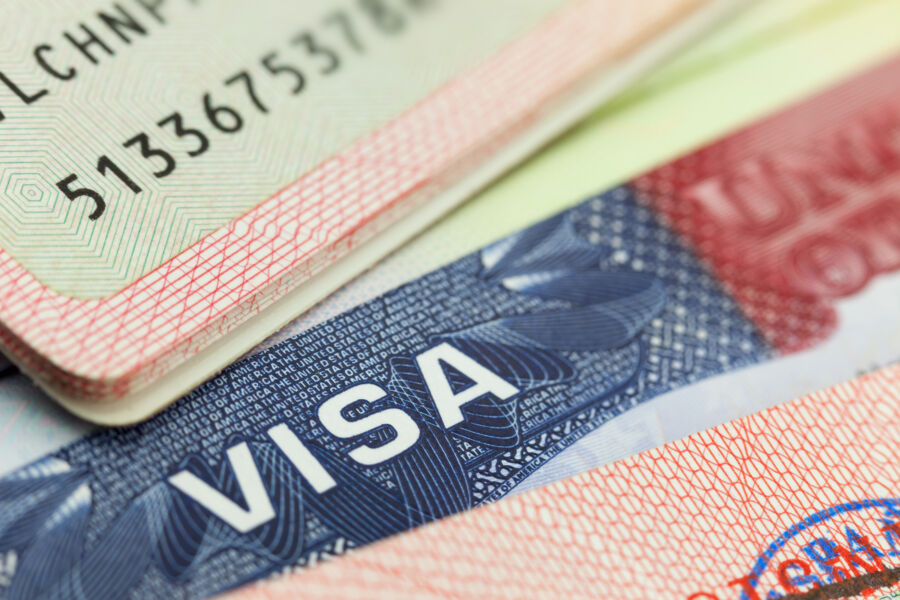
The U.S. rolled out sweeping changes to immigrant visa processing that hit 75 countries, but tourist visas haven’t changed much yet. Still, new policies have caused delays and more scrutiny, so if you’re visiting family or thinking about a longer stay, you’ll need to plan ahead.
Travel Bans and Suspension Policies

The Trump administration paused immigrant visa processing for people from 75 countries starting January 21, 2026. This freeze blocks permanent residency applications from places in the Americas (like Brazil, Colombia, Cuba), Europe (Albania, Belarus), Asia-Pacific (Thailand, Pakistan, Iran), and Africa (Nigeria, Egypt, Morocco).
But if you’re just coming for a vacation or business, this restriction doesn’t touch visitor visas. Your short trip shouldn’t get derailed by these changes.
The government says this policy is about concerns over public assistance, though the list of affected countries includes both close allies and countries with tense relations. The freeze stays until officials decide new immigrants won’t need public benefits.
Visa Processing Changes and Backlogs

You’ll probably notice slower processing even for tourist visas, though they’re still being issued. The State Department revoked over 100,000 visas in 2026, including some tourist visas for overstays and a lot of student and worker visas.
If you’re from one of those 75 countries and have family hoping to join you in the US, they’re facing a long, indefinite wait. There’s no real timeline for when things might open up again. Green card holders keep their status, but the administration is reviewing recent approvals.
The diversity visa program, which used to let 55,000 immigrants come from underrepresented countries each year, also got paused in late December 2025. That just adds to the mess.
State Department Guidelines for 2026
The State Department’s current advice says tourist and short-term visa holders can still enter the country as usual. Bring proof you plan to go home—like your return ticket, hotel bookings, and evidence of a job back home.
Immigration enforcement is tighter than ever. If you’re coming, double-check your paperwork. Even small mistakes could mean extra questions. It’s smart to get visitors coverage before your trip, since you’ll need to show you won’t be a public charge.
The political climate has made some travelers uneasy, and international tourism has dropped because of perceived risks. While tourist visas are still valid, expect more detailed questions at the border than in years past.
Safety and Political Climate for Foreign Visitors
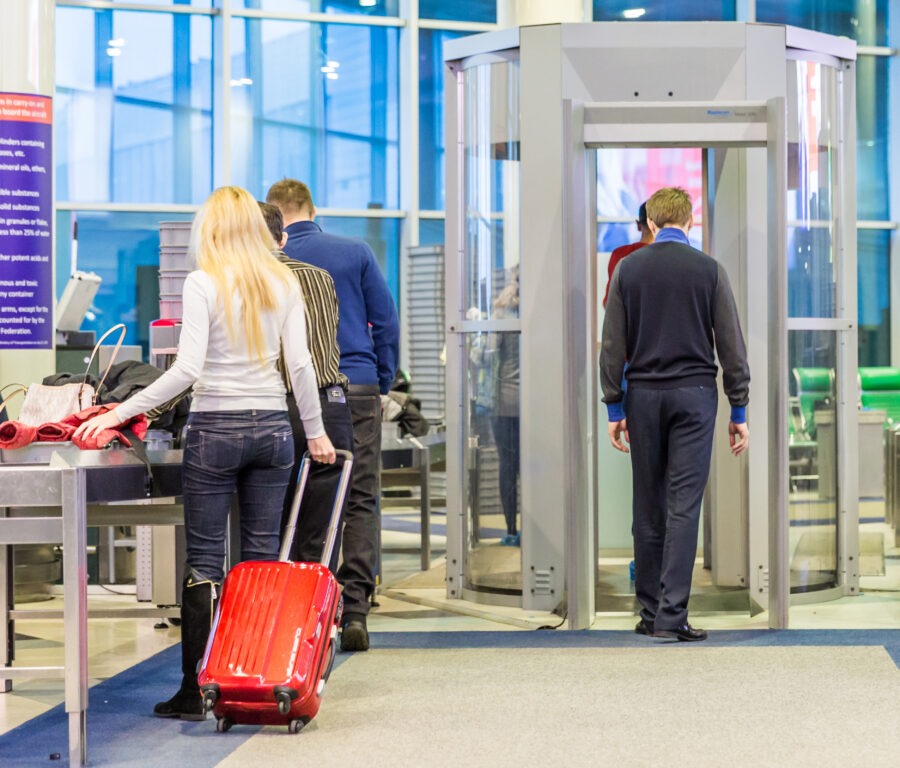
The Trump administration’s policies have changed how foreign visitors enter and experience the US. Several countries have issued travel warnings, and plenty of tourists are rethinking their trips.
Recent Changes in U.S. Security Policies

Since January 2025, the Trump administration has rolled out measures that make entering the US feel different. Border detentions of foreign tourists have gone up. Officials are even looking at a new program to review your social media before letting you in.
The administration slapped tariffs on longtime allies and carried out mass deportations. These policies reach beyond immigration and can affect regular tourists who just want a vacation.
If you’re heading to US national parks, get ready for a $100 fee for non-residents that wasn’t there before. Park staff worry this could push international visitors away for years.
International Travel Warnings and Perceptions

Several nations have issued travel warnings about visiting the US. The concerns aren’t about crime or disasters, but about the political climate and how visitors might be treated.
US politics is affecting international travel in ways that feel pretty new. Some travelers have called for boycotts, and a few even call the US a “hostile state.” That’s a big shift for a country that’s usually been a top tourist destination.
A recent survey found 46% of travelers said they’re less likely to visit the US because of current policies. The World Travel & Tourism Council says the US lost $12.5 billion in international visitor spending in 2026. Out of 184 countries, the US was the only one predicted to see a drop.
Experiences of Foreign Tourists
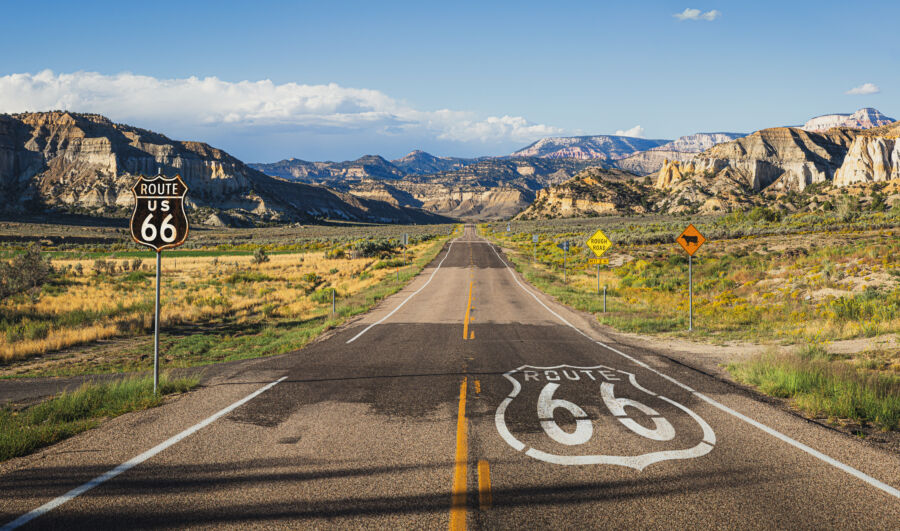
Your trip to the US might feel different than it did a few years ago. What used to be an aspirational destination now takes more careful planning around entry requirements and possible complications.
Major tourism companies are feeling the pinch. Disney has warned about falling theme park attendance as foreign tourists stay away. Overseas arrivals dropped sharply in recent months.
This was supposed to be a huge year for US tourism—Route 66’s centenary, the 250th anniversary of independence, and the FIFA World Cup. But all these celebrations are happening with a lot of uncertainty in the air, and many international visitors are staying home. On the bright side, you might find big attractions less crowded than usual if you do come.
Detentions and Increased Screening
Border officials are detaining foreign tourists more often than before. The reasons aren’t always clear, and the process can be stressful and slow.
If the State Department rolls out its social media screening program, you’ll need to think about what you’ve posted online before your trip, since immigration officials could check your profiles before letting you in.
Processing times at airports have gotten longer for international visitors. Expect to wait more and answer more questions than you did on previous US trips. Bring paperwork about your travel tours and activities to prove your planned itinerary if asked.
See Related: Best TSA-Approved Medication Bags for Stress-Free Airport Travel
Major Events Impacting Tourism in 2026

Two huge celebrations are coming up in the US this year, but the current political climate and entry rules are making it tough for international visitors to join in.
FIFA World Cup and Tourist Access

The FIFA World Cup kicks off in June across several U.S. cities, and in theory, this should be a big win for American tourism. But there’s a catch.
Citizens from 39 countries now face entry bans or tough visa processes as of January 2026. That includes soccer-loving nations like Nigeria, where tons of fans would usually travel to see their teams play. Venezuela and Cuba also face tighter restrictions, even though their teams qualified.
The State Department says these security measures won’t be eased for the tournament. If you’re from one of the affected countries, getting a visa now takes months longer and rejection rates are way up. Even if you’ve booked your accommodation for the games, there’s no guarantee you’ll get permission to enter.
U.S. 250th Anniversary Celebrations
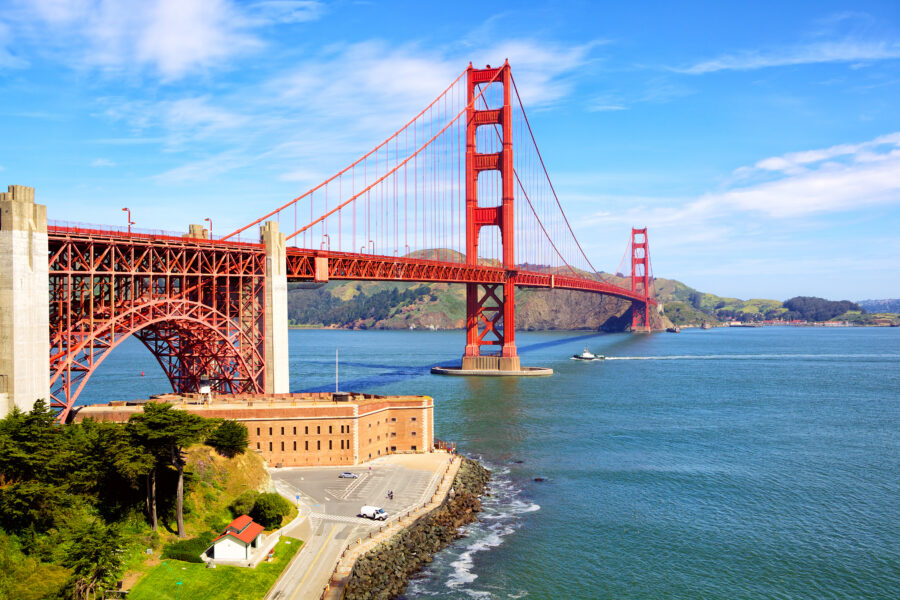
July 4th marks America’s 250th birthday, and cities from Philadelphia to San Francisco are planning big festivals and historical reenactments. It should be a once-in-a-lifetime event that draws visitors from all over.
But international tourists are staying away in record numbers. Western European arrivals are down sharply—Germany by 7.3%, France by 5.9% compared to last year. Even Canadians, who usually make up 28% of international visitors, are rethinking their trips.
The timing’s rough. Hotels and event organizers spent years prepping for what they hoped would be the biggest tourism year ever. Now, they’re facing eight straight months of declining arrivals right before the celebrations. If you do go to the anniversary events, you’ll probably see smaller crowds and maybe snag better deals on flights and hotels as a bonus.
Cost Considerations and New Fees for International Travelers
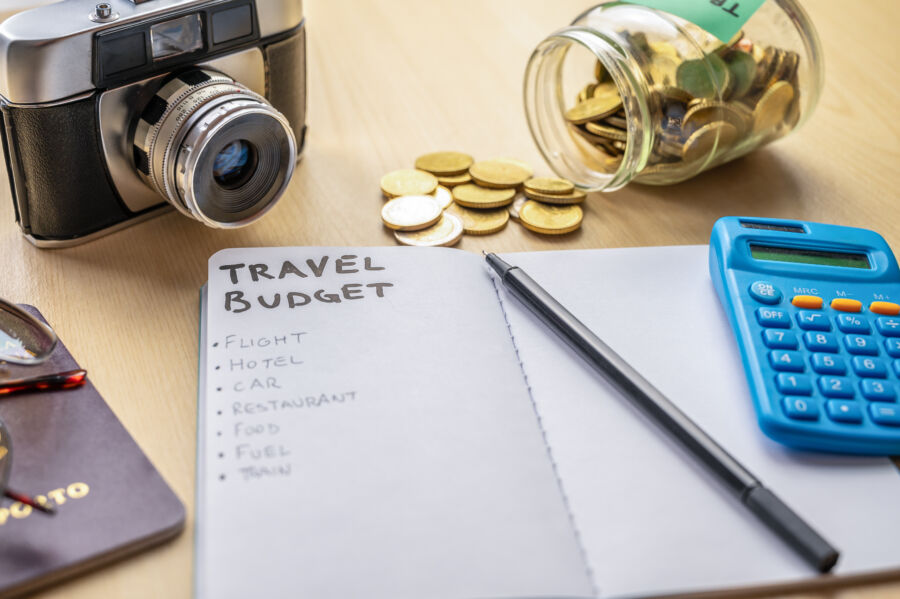
Visiting the United States got a lot pricier starting January 2026. New visa fees and entrance charges hit travelers from most countries. Beyond flights and hotels, you’ll now face some hefty government-imposed costs that weren’t on your radar a year ago.
National Park Entry and Annual Pass Price Hikes
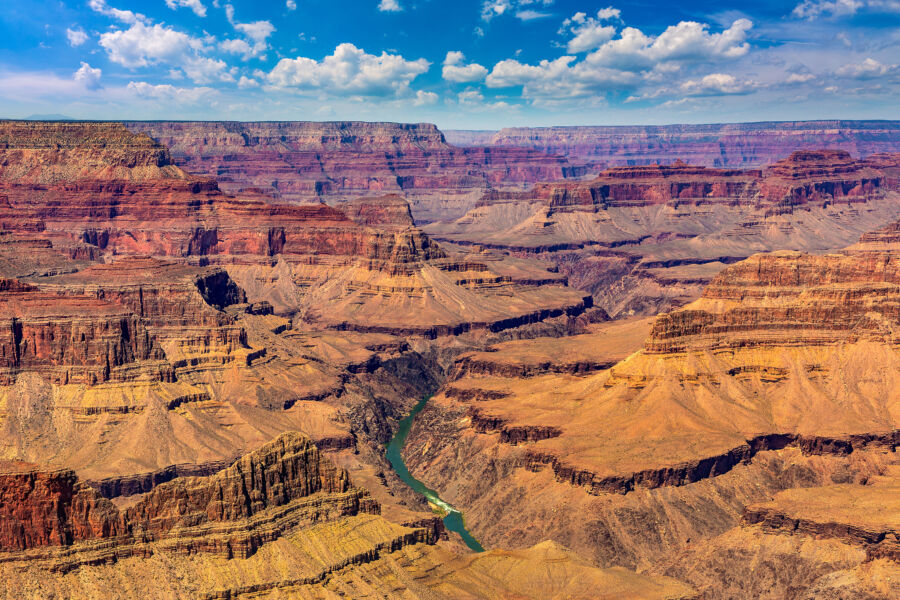
If you’re planning to visit America’s iconic national parks, brace yourself for some sticker shock. Foreign visitors now face add-on costs at national parks that domestic travelers skip. And these aren’t just minor bumps.
The America the Beautiful annual pass, once the same price for everyone, now costs more for non-U.S. citizens or residents. Entry fees for individual parks jumped, too, if you’re coming from abroad. If you’re planning a multi-park road trip through Utah or the Southwest, those extra charges stack up fast—think hundreds of dollars for a family.
Before you lock in your national park plans, check the latest pricing for each park on your list. You might end up picking and choosing which parks are worth it, or reworking your budget a lot more than you expected. And if you’re hiking or camping, don’t forget to factor in travel gear costs, too.
Other New or Hidden Costs
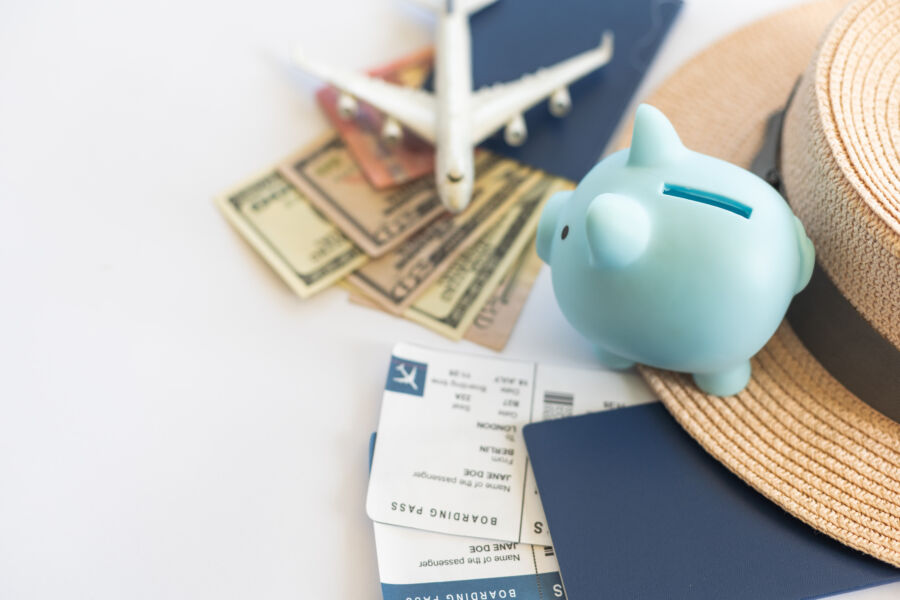
The so-called “Beautiful Act” hit travelers hard when it landed on January 1, 2026. This law slapped a mandatory $250 Visa Integrity Fee on top of the usual visa costs. For a family of four, that’s an extra $1,000 before you even start looking at flight tickets.
The visa bond policy now covers 38 countries, so travelers from those places have to pay deposits—sometimes hundreds, sometimes thousands. You get the money back after your trip, but it’s tied up while you’re in the States.
Paper checks are out. Everything runs through electronic payment now, and if you don’t have a U.S. bank account, expect processing fees from third-party services. The system sometimes blocks transactions over $10,000 unless you get prior approval, which has left some travelers scrambling.
See Related: Ultimate Road Trip Guide for America’s 250th Birthday: Explore Historic Routes, Hidden Gems & Events
Country-Specific Considerations and Travel Ban Exemptions

The U.S. State Department suspended immigrant visa processing for 75 countries starting January 21, 2026. Tourist visas are still on the table. Athletes and officials tied to major sporting events get special treatment under these rules.
Travel Ban Lists and Affected Nations
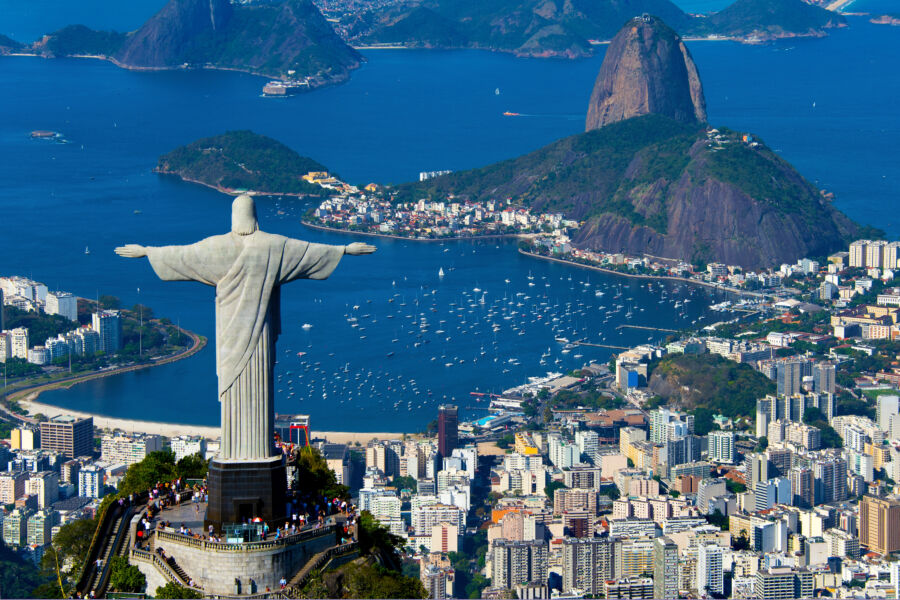
If you’re planning a trip to the U.S., you should know that 75 countries face immigrant visa suspensions over concerns about public assistance. For tourists, though, this freeze doesn’t affect you.
The list covers every continent. In the Americas, Brazil, Colombia, Cuba, Haiti, and Jamaica are included. Europe has Albania, Belarus, and Russia. The Asia-Pacific region? That’s where most restrictions hit—Afghanistan, Bangladesh, Cambodia, Iran, Iraq, Nepal, Pakistan, Syria, Thailand, and Yemen, to name a few.
In Africa, countries like Egypt, Ethiopia, Ghana, Morocco, Nigeria, Somalia, and Tanzania made the cut. It’s a bit surprising to see some U.S. allies on there, honestly.
The State Department says the suspension stays “until the U.S. can ensure that new immigrants will not extract wealth from the American people.” That timing? Pretty vague, if you ask me.
Special Exemptions for Athletes and Officials

Sports fans, here’s a twist. With the World Cup just five months away, the State Department rolled out a playbook to use sports for policy while managing visa restrictions.
Athletes and officials in big international sporting events get exemptions from the usual visa delays. World Cup players, coaches, and staff from affected countries are included. Olympic participants, too.
You’ll probably see players from Iran, Iraq, and Morocco out on the field without visa headaches. The government knows that blocking athletes could damage America’s global reputation and break deals with organizations like FIFA.
Visa Waiver Program and Its Limits

The Visa Waiver Program lets citizens from 40 countries visit the U.S. for up to 90 days without a visa. None of the countries hit by the immigrant visa ban are in that program anyway.
If you’re from the UK, France, Germany, Japan, or Australia, the Visa Waiver Program still works for you. Just get your Electronic System for Travel Authorization approved before you fly.
But don’t forget, the State Department revoked over 100,000 visas in 2026, including for tourists who overstayed. Immigration enforcement is a lot stricter now, so stick to the rules.
Cultural Shifts and Global Sentiment Toward U.S. Travel
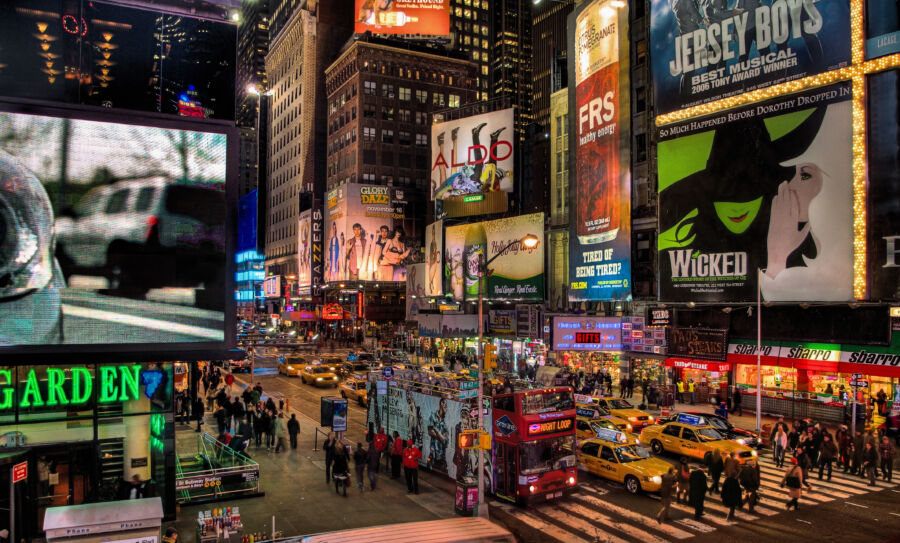
People’s perceptions of the U.S. have shifted a lot lately. Politics are shaping travel decisions, and foreign travelers are steering clear in ways we haven’t seen before.
How U.S. Politics Shapes Foreign Attitudes

Maybe you’ve noticed that conversations about visiting America sound different now. How US politics is affecting international travel has become a real worry for travelers everywhere, with many second-guessing their plans because of the risks.
The Trump administration’s recent moves have rattled relationships with old allies. If you’re from Denmark or another European country, hearing threats about Greenland doesn’t exactly make you feel at home. Honestly, Europeans are starting to fear America more than trust it.
Your friends abroad might ask why they’d spend thousands on a trip when the political mood feels so shaky. It’s a question a lot of people are asking themselves lately.
Shifts in International Tourism Demand

The numbers say it all. Visits to the US dropped for the 8th straight month through December, the longest slump in recent memory.
If you’re eyeing national parks, you’ll pay more than Americans now. The Trump administration tacked on a $100 fee just for international visitors at places like Yosemite and Yellowstone. So before you pack for those legendary parks, check out the new international tourist fees that just kicked in.
Tourism operators are scrambling. Hotels in big cities are seeing more cancellations, and luggage storage services that usually buzz with international guests are having quieter days.
The Impact of Visa Policies on Relationships

New visa requirements really make you think twice about visiting. One proposed rule would force you to hand over your social media info just to get in. Industry folks warn that millions might skip the US if this goes into effect.
Would you feel okay sharing your private social accounts with a foreign government? A lot of people wouldn’t.
The ESTA program, once a breeze for short visits from allied countries, feels a lot more invasive now. Privacy worries might outweigh your urge to see the Grand Canyon or New York. These policies don’t exactly scream “welcome to America” anymore.
See Related: Vacation Packing Tips: Essential Travel Checklist for Stress-Free Packing
Frequently Asked Questions

Travel policies keep shifting in 2026, and you’re probably wondering how all this affects your plans. Here’s what you need to know about entry restrictions, safety tips by region, and travel logistics for immigrants.
What are the latest travel restrictions affecting entry into the United States?
Here’s the big update: immigrant visa processing is paused for nationals from over 80 countries as of January 21, 2026. This affects folks from Afghanistan, Bangladesh, Brazil, Colombia, Egypt, Ethiopia, Haiti, Nigeria, Pakistan, and plenty more.
But here’s the thing: this only hits immigrant visas, not tourist visas. If you’re coming for a vacation or business, your nonimmigrant visa isn’t part of the pause.
You can still submit applications and go to your scheduled interviews. The catch? No immigrant visas will actually be issued while the pause is in effect. It’s like waiting at a restaurant that’s not serving yet.
If you’re a dual national with a valid passport from a country not on the restricted list, you’re exempt from this pause.
Are there any specific regions or states in the U.S. that currently advise against foreign visitors?
Unlike some places that ban travel to certain regions, the U.S. doesn’t have any states or areas off-limits to foreign visitors right now. Once you’re admitted, you can go anywhere in the country.
Still, pay attention to local conditions wherever you go. Some areas might have special requirements or seasonal changes.
The State Department’s focus is on who gets in, not where you can travel once you’re here. Make sure your visa matches your travel purpose and you meet all entry requirements.
What are the considerations for immigrants planning to travel within the U.S. under the current conditions?
If you’re in the U.S. with a valid visa, the current pause doesn’t take away your status. Your visa still works, so you can move around the country as your visa type allows.
Officials have stressed that immigrants need to be financially self-sufficient. Basically, you should be ready to show you won’t rely on public benefits or become a “public charge.” It’s not always clear what counts, so err on the side of caution.
Keep your documents handy and organized when you travel. If you’re thinking about leaving the U.S. and coming back, it’s smart to check with the Department of Homeland Security about what you’ll need for re-entry before you go. The rules for getting back in aren’t always the same as the ones for getting your visa, and you really don’t want to end up stuck outside the country.
If you’re not sure whether you’ll be allowed back into the U.S. after a trip abroad, reach out to DHS directly. Don’t just assume your current visa guarantees re-entry—sometimes the details make all the difference.


