 Real Journey Travels
Last modified October 13, 2025
If you’re planning a trip to Europe soon, there’s a pretty big change on the horizon. The European Union’s rolling out the Entry/Exit System, or EES—a digital border control upgrade that swaps out those old passport stamps for biometric checks. EES logs when and where you enter or leave the Schengen Area, aiming to speed up and tighten border crossings.
You’ll start seeing this system at airports and land borders across 29 European countries from October 2025. I’ve crossed these borders more times than I can count, and honestly, it’s supposed to make things easier, not harder. Still, knowing the basics ahead of time can save you a headache at the gate.
Key Takeaways
- EES ditches passport stamps for a digital entry/exit record.
- Non-EU travelers visiting Schengen countries for short stays will use it.
- Understanding EES helps you dodge unexpected delays and travel issues.
What Is the EU Entry/Exit System (EES)?
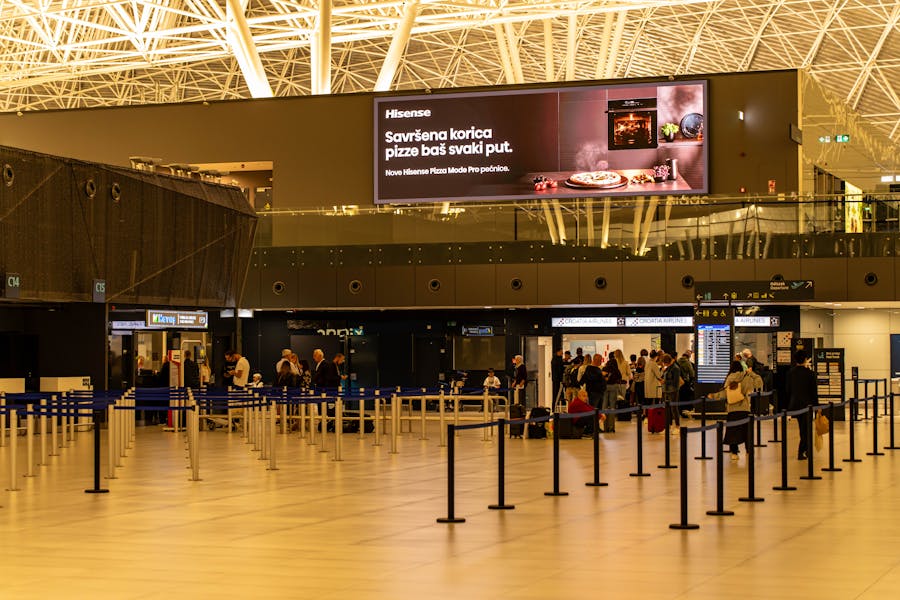
The EU Entry/Exit System, or EES, is a digital border control upgrade for travelers heading to the Schengen Area. It’s all about replacing those manual passport stamps with an automated record, using biometric data—think fingerprints and a quick photo. The point? Faster, safer, and—hopefully—less confusing border checks across Europe.
Purpose and Objectives
The European Commission built EES to modernize border management for non-EU nationals coming in or out of the Schengen Area for short stays. Instead of trusting inky stamps, the system digitally tracks your comings and goings, cutting down on errors and guesswork.
It also helps spot travelers who overstay their visas—a task that used to be trickier with manual stamps. For border officers, it means less paperwork and, ideally, a quicker flow at the checkpoint.
From a traveler’s perspective, EES should make border crossings less of a hassle. You spend less time waiting, and your travel history sits securely in a shared EU database. It’s part of a bigger move towards “smart borders”—a blend of convenience and tighter security.
How EES Replaces Passport Stamps
If you’re the type who loves collecting passport stamps, this might sting a bit. The EES replaces them with an electronic record. When you show up at an external Schengen border, you’ll scan your passport, and—if it’s your first time—give a live photo and four fingerprints.
That info links directly to your travel record, logging exactly when and where you crossed in or out. Every new trip updates your file automatically.
No more worrying about faded stamps or missing dates—everything’s digital now, and border authorities can pull up your info in seconds.
Key Dates and Rollout Timeline
The EES goes live on 12 October 2025, with all systems expected to be running by April 2026. Airports and land borders in the 29 Schengen countries will gradually switch over.
You’ll probably spot new self-service kiosks or automated gates popping up. These will scan your biometrics and log your entry or exit.
Once the system’s fully active, it’ll cover all Schengen external borders, including those busy crossings from the UK, United States, and other non-EU countries. If you’re planning a trip around late 2025, keep your eye on the news—some border points might get a little backed up during the changeover.
Who Needs to Use EES?

If you’re not an EU or Schengen citizen, you’re probably on the list for the new Entry/Exit System (EES). It mainly targets short-term visitors—those popping into Europe for up to 90 days, visa or not. A few travelers are exempt, but most of us will deal with EES in some way.
Visa-Exempt Travelers
If you can visit the Schengen Area without a visa—like folks from the U.S., U.K., Canada, Australia, or Japan—you’ll be among the first to try EES. Arrive at the border, scan your passport, snap a quick photo, and give four fingerprints. It’s not rocket science, but it does take a few extra minutes the first time.
Your biometrics link to your travel record, so the system automatically tracks your days in Europe. This makes it harder to accidentally overstay the 90 days allowed in any 180-day stretch. On future trips, it’s a breeze since the system already knows you.
I tested a demo kiosk at an airport in Germany last year—it felt a bit like using an e-gate at Heathrow, just with a fingerprint step thrown in. Once you get the hang of it, it’s quick.
Visa Holders and VIS
If you already need a short-stay Schengen visa, your fingerprints are saved in the Visa Information System (VIS). You won’t have to give them again for EES. You’ll still get your passport scanned and a facial photo, but it’s usually faster since your biometrics are already in the system.
Long-stay visa holders—students or workers with a Type D visa—skip EES entirely. The system only tracks short-stay visits, so if you’re living in France or Italy for a year, EES isn’t your problem when crossing Schengen borders.
You might still run into EES when coming back from outside Europe, though. It’s smart to double-check with your local immigration office so you don’t get caught off guard.
Exemptions and Special Cases
Some travelers get a pass from EES. EU, EEA, and Swiss citizens are exempt, as are residents with valid permits. Ireland and Cyprus aren’t in the system yet, so they’ll keep stamping passports for now.
A few other groups skip EES too:
| Category | Example |
|---|---|
| Diplomatic/official | Embassy staff, heads of state |
| Transport crew | Airline pilots, ship crew |
| Local border traffic | Workers crossing daily under special permits |
| Special nationalities | Andorra, Monaco, San Marino, Vatican City |
If you’re in one of these categories, you’ll stick with the old process. For everyone else heading to Europe after October 2025, EES will quietly become part of your routine—just another step before that first espresso in Rome.
How EES Works at the Border
When you land at a Schengen border with EES in place, forget about getting a passport stamp. Instead, they’ll record your details digitally with biometric tech—fingerprints and a photo—using automated kiosks or e-gates designed to move things along.
First-Time Registration Process
If you’re making your first trip to the Schengen Area after EES starts, you’ll do a one-time registration. This collects your personal and travel info, plus biometrics. It replaces the old hand-stamping routine.
You’ll scan your passport at a kiosk or with a border officer, depending on the crossing. The system grabs your name, nationality, travel document number, and the date and place of entry.
I went through something similar in Singapore—not as intimidating as it sounds. It just takes a few extra minutes the first time. After that, your data’s good for three years, so you won’t repeat the whole thing every trip.
Kids under 12 skip the fingerprint part but still scan passports. Staff are usually nearby to help if anything gets confusing.
Biometrics and Fingerprints
EES uses biometrics to confirm your identity—way more reliable than a quick passport peek. It checks two main things: your face and your fingerprints, matching them to your digital record each time you cross.
You’ll press your fingers on a scanner (think airport security or your phone’s fingerprint reader). The machine takes four fingerprints and snaps a photo.
Wipe your fingers first—smudges can trip up the scanner. Once you’re in the system, border control can verify you in seconds on future trips. It’s a bit sci-fi, but it really does speed things up.
Self-Service Kiosks and E-Gates
Most travelers will meet EES at self-service kiosks or e-gates in airports, ferry ports, and train stations. These machines walk you through the process step-by-step.
At a kiosk, you scan your passport, answer a couple of questions about your trip, and provide your biometrics. The screen guides you, and staff can jump in if you’re stuck.
Places like London St Pancras and Dover already have rows of these kiosks. After your info’s in, you move on to a staffed checkpoint or e-gate for a quick ID check.
It’s a bit like using an airport check-in kiosk—quick, mostly self-serve, and a lot less paper floating around. Unlike stamps, it creates a digital trail of your entries and exits, making repeat crossings easier.
Tracking Your Stay and Overstay Rules
EES keeps track of when you enter and leave the Schengen Area. It automatically counts your days and helps border officers spot anyone who’s overstayed. The system makes travel more transparent, but you’ll need to pay closer attention to your travel dates.
90/180-Day Rule Explained
If you’re a non-EU traveler, you can stay in the Schengen Area up to 90 days within any rolling 180-day period. The clock doesn’t reset every calendar year—it’s always looking back 180 days from today.
So, if you’re bouncing between France, Spain, and Italy, remember—the 90-day limit is for all Schengen countries combined.
Tip: Keep a travel log or use a Schengen calculator app. EES will do the math soon, but double-checking never hurts.
Consequences of Overstaying
It used to be easier to slip by if your passport wasn’t stamped right. Not anymore. EES flags overstays instantly since it logs every entry and exit digitally.
If you overstay—even just a day—you could face fines, entry bans, or get your future visa applications denied. Border agents take this seriously. I met a traveler in Lisbon who overstayed by just a few days and got a six-month ban.
Penalties vary by country, but none are worth the hassle. If you think you might overstay, talk to local immigration before your time runs out. Being upfront can really help.
Data Storage and Privacy
EES stores your biometric data—face and fingerprints—plus passport details and travel dates. This helps confirm your identity and prevent fraud.
Your info sits in a secure EU database for about three years for short stays (longer if there are issues like overstays). Only authorized border and immigration officers can see it.
Some travelers worry about privacy—and honestly, I get it. But the system follows strict EU data protection laws, which are some of the world’s toughest. Still, always stay informed about how your info’s used when you travel.
EES vs. ETIAS: What’s the Difference?

EES logs when and where travelers enter or leave the Schengen Area. ETIAS, on the other hand, checks travelers before they even set foot in Europe. Both aim to make travel smoother and safer, but they play very different roles in the border process.
How EES and ETIAS Work Together
Picture the Entry/Exit System (EES) as Europe’s new digital guestbook. It logs your entry and exit dates, passport info, and collects your fingerprints or a quick facial scan—no more old-school passport stamping. Border officers can quickly check if someone’s pushing past their 90-day Schengen limit.
ETIAS, which stands for European Travel Information and Authorization System, is more like a pre-trip security check. If you’re from a visa-exempt country (think U.S. or Canada), you’ll need to fill out a short online application before flying. ETIAS checks your info against security databases to weed out any red flags before you even show up.
Here’s how they stack up:
| Feature | EES | ETIAS |
|---|---|---|
| Purpose | Logs entries/exits | Screens travelers pre-arrival |
| Applies to | Non-EU short-stay visitors | Visa-exempt travelers |
| Data used | Biometric & passport data | Personal, travel, security info |
| When used | At border crossing | Before travel |
You’ll probably breeze through passport control faster, but you’ll need to plan ahead a bit more than before.
When ETIAS Becomes Mandatory
ETIAS isn’t up and running just yet—they’re aiming for late 2026. Once it’s live, travelers from visa-free countries will need an ETIAS approval before boarding flights to most EU countries. The fee’s only a few euros, and it’ll last for three years or until your passport runs out.
You’ll answer a handful of questions online—passport number, travel plans, some basic security stuff. Most folks get approved in minutes, but if something needs a closer look, it could take a bit longer.
When ETIAS launches, border control will sync it with EES. Even with ETIAS in hand, EES will still log your entry and exit automatically. I’d recommend applying for ETIAS a few days ahead, just in case.
Country Coverage and Exceptions
EES covers most of the Schengen Area, but not every country plays by the same rules. Some are all-in, while others—like Ireland and Cyprus—do their own thing for various reasons. Train routes like Eurostar have their own quirks, too, depending on where you’re headed.
Schengen and EES Participating Countries
EES works in 29 Schengen countries, which includes almost all EU nations plus a few extras. Countries like France, Germany, Spain, Italy, and the Netherlands are in, along with Switzerland, Norway, Iceland, and Liechtenstein.
If you’re a non-EU visitor, your fingerprints and a quick photo get recorded at the border—no more ink stamps.
Here’s a quick rundown:
| Category | Examples |
|---|---|
| EU Schengen Members | France, Germany, Italy, Spain, Poland |
| Non-EU Schengen Members | Switzerland, Norway, Iceland, Liechtenstein |
Crossing from France to Belgium? You won’t even notice EES—it only kicks in at the external borders.
Special Cases: Switzerland, Ireland, Cyprus
Switzerland is all-in on Schengen and EES, even though it’s not in the EU. You’ll go through the usual biometric routine there.
Ireland skipped Schengen completely. It runs its own border checks and won’t use EES. Fly into Dublin from the U.S.? You’ll go through Ireland’s classic passport control—no fancy new system.
Cyprus is an EU member, but not in Schengen yet. EES doesn’t apply until it joins. When I visited Cyprus last year, it felt super European, but border control was still old-school, stamps and all.
Traveling by Eurostar and Other Routes
Taking the Eurostar from London to Paris, Brussels, or Amsterdam? Once EES starts, you’ll probably have to register your biometrics at the station before boarding. The UK isn’t in Schengen, so border checks happen before you hop on.
I’ve done that trip a few times—super fast, but border checks can drag. The new system should help, but expect some lines at first as everyone gets used to it.
If you’re coming in by ferry or flying from outside Schengen, the same EES process kicks in at your first entry point. Once inside, you’re free to roam—no more border checks between Schengen countries.
Practical Tips for Smooth Border Crossing

Europe’s new EES is going to feel different, no doubt. You’ll deal with digital checks, fingerprint scans, maybe a longer wait. A bit of prep and patience can really make the difference.
Preparing Your Documents
Keep your passport handy—don’t bury it under snacks or a neck pillow. You’ll scan it at a kiosk or hand it to an officer. First time through EES? You’ll need a live photo and fingerprints (if you’re 12 or older).
I always ditch my glasses and hat before the booth. It helps the camera get a clear shot. Kids under 12 skip the fingerprints but still get their picture taken.
Double-check your passport’s valid for at least three months after your planned departure. Make sure your travel dates fit the 90/180-day rule—EES tracks this for you now, so there’s no fudging it.
Quick checklist:
| Item | Why It Matters |
|---|---|
| Valid passport | Needed for biometric check-in |
| No hats/glasses | Speeds up photo capture |
| Know your travel dates | Avoid overstaying the 90/180 rule |
Expected Processing Times
Your first EES registration will take longer—maybe 30 to 60 minutes more than the old stamp-and-go. After that, it’s much quicker since your info’s already in the system.
Airports with new self-serve kiosks are usually smoother, but smaller airports or busy land borders can still get backed up. I’ve found that midday and late-night arrivals move faster than the morning rush.
If you’re catching a connecting flight, pad your layover—especially during rollout. Personally, I wouldn’t risk anything under two hours until things settle down. If lines crawl, just remember: next time will be faster once your biometrics are on file.
Passport Stamping During Transition
From October 2025 to April 2026, some border officers might stamp your passport and log your entry digitally. It’s just a backup while EES gets going.
If you end up with both, don’t stress—it’s normal for now. The digital record is what matters, but the stamp’s a handy way to double-check your travel history. I still peek at both, especially when bouncing between Schengen and non-Schengen spots like Croatia or the UK.
After April 2026, stamps will fade out. If you’re a fan of those little ink souvenirs, this might be your last shot to grab one.
Frequently Asked Questions
The EU’s Entry/Exit System (EES) is changing how you’ll move through Europe’s external borders. It’s all about tighter security, clearer rules, and, hopefully, smoother crossings. If you’re a frequent traveler, knowing the basics can save you a headache or two.
How does the EES system enhance border security for EU countries?
EES uses your fingerprints and a facial photo to confirm who you are every time you cross the border. That makes it way tougher for anyone to slip through with a fake passport or overstay.
From my own trips, digital systems like this catch mistakes that busy border agents might miss. EES gives officers a solid record of who’s coming and going, and it doesn’t add much hassle for most travelers.
What are the key differences between EES and ETIAS for travelers?
EES and ETIAS get mixed up a lot, but they’re pretty different. ETIAS is your pre-travel authorization—kind of like an online permission slip before you leave. EES is what actually logs your entry and exit at the border.
Think of ETIAS as your boarding pass, and EES as the system that tracks your time in Europe. If you’re from a visa-exempt country (like the UK, Canada, or Australia), you’ll use both.
What steps must travelers take to comply with the EES requirements?
First time in Europe after EES starts? You’ll register your fingerprints, snap a photo, and scan your passport. Most airports will have self-serve kiosks to speed things up.
Once you’re in the system, future trips are a breeze—just make sure your passport matches your previous registration.
Are there any exceptions or special categories of travelers under the EES regulations?
EU citizens and Schengen residents skip EES. Some diplomats and official passport holders are exempt too.
If you’re traveling as a family member of an EU citizen, data retention rules might be a bit different. Worth checking before you go, just to be sure.
How will the EES impact the processing times at EU external borders?
At first, expect longer lines—everyone’s registering their biometrics, and that takes a few extra minutes.
But once the dust settles, border checks should speed up. Automated gates will do most of the work, especially for repeat travelers. I’ve seen similar setups in Asia: rocky at the start, but eventually, everyone’s through faster.
Can frequent travelers to the EU benefit from any expedited procedures under EES?
Absolutely—frequent travelers stand to gain the most here. Once you’ve registered, you’ll usually get to breeze through automated gates or fast-track lanes. The system just recognizes you right away thanks to your stored biometrics.
If you’re bouncing in and out of Europe for work, family, or, honestly, just because you like the pastries, this could really take the edge off those border waits. It’s one of those rare travel upgrades that actually feels like a win.


