

Zeugma Mosaics Museum
About Zeugma Mosaics Museum
Description
The Zeugma Mosaic Museum in Gaziantep is one of those places that manages to surprise even the most seasoned travelers. It’s not just another museum with dusty artifacts behind glass cases—it feels alive with history. Spread over a vast modern complex, the museum houses some of the most extraordinary Roman and Late Antique mosaics ever discovered, many of which were rescued from the ancient city of Zeugma before it disappeared beneath the waters of the Birecik Dam. Walking through its halls, you’re immediately struck by the sheer scale and detail of the mosaics. The colors, the expressions on the faces, the way the stones capture light—it’s almost eerie how much life they still hold after nearly two millennia.
What makes this museum stand out is the way it balances grandeur with intimacy. Yes, it’s the largest mosaic museum in the world, but it doesn’t overwhelm you. Instead, it invites you to slow down, to lean in close, to study the tiny tesserae that make up mythological scenes, portraits, and everyday life. And then there’s the Gypsy Girl mosaic—the star of the collection. Her haunting eyes follow you as you move, and honestly, it’s a little unsettling in the best possible way. I remember standing in front of her for a good ten minutes, just mesmerized. You’ll probably do the same.
The museum is family-friendly and surprisingly accessible. Wide ramps, elevators, and well-marked paths make it easy for visitors with mobility challenges, and parents will appreciate the thoughtful touches like nursing rooms and changing tables. The atmosphere is calm and respectful, but not stiff—you’ll see kids pointing out details in the mosaics, couples strolling hand in hand, and tour groups quietly gathering around guides. While most visitors leave glowing reviews, a few mention that the lighting in certain sections can feel dim or that the signage could be more detailed. Personally, I think this adds to the mood, but if you’re someone who likes everything brightly lit and perfectly labeled, it’s something to keep in mind.
Key Features
- The world’s largest mosaic museum, covering over 30,000 square meters
- Home to the famous Gypsy Girl mosaic, often called the “Mona Lisa of Zeugma”
- Over 1,700 square meters of mosaics from the ancient city of Zeugma
- Exhibits that recreate Roman-era streets, fountains, and living spaces
- Family-friendly amenities including discounts for children, changing tables, and nursing rooms
- Wheelchair-accessible entrances, restrooms, and parking
- Modern building with climate control that protects delicate artifacts
Best Time to Visit
If you ask locals, they’ll tell you the best time to visit is in spring or autumn. The weather in Gaziantep during these seasons is pleasant, which makes exploring the city before or after your museum visit much more enjoyable. Summer can be brutally hot, and while the museum itself is air-conditioned, stepping outside feels like walking into an oven. Winter, on the other hand, is quieter, and if you don’t mind bundling up, you’ll find fewer crowds and more time to linger in front of the mosaics. Personally, I love visiting in the late afternoon on a weekday. The light inside the museum softens, the tour groups thin out, and you can almost imagine yourself as a lone explorer discovering these treasures for the first time.
How to Get There
The museum is located in Gaziantep, a bustling city in southeastern Turkey that’s well-connected by air, bus, and train. If you’re flying in, Gaziantep Airport is about a 30-minute drive from the museum, and taxis or private transfers are easy to arrange. For those already in the city, local buses and minibuses run frequently, but honestly, if you’re short on time, hopping in a taxi is the most straightforward option. The museum sits in a central area, so it’s not far from other attractions, and you can easily pair your visit with a walk through the old bazaar or a stop for Gaziantep’s famous baklava afterward. I once made the mistake of trying to walk there from the city center in the summer heat—don’t do that unless you’re a fan of arriving drenched and cranky.
Tips for Visiting
First and foremost, give yourself enough time. Two hours is the bare minimum, but if you’re someone who likes to really soak in the details, plan for three or even four. Wear comfortable shoes because the museum is larger than you might expect, and you’ll be on your feet most of the time. Photography is allowed, but be mindful of the no-flash rule—it’s there to protect the mosaics.
If you’re traveling with kids, take advantage of the family-friendly amenities. The museum is surprisingly engaging for children, especially with the reconstructed Roman settings that feel a bit like stepping into a time machine. For food, note that there’s no restaurant inside the museum itself, so grab a bite before or after your visit. Luckily, Gaziantep is a culinary paradise, so you won’t have trouble finding something delicious nearby.
One last tip: don’t rush straight to the Gypsy Girl. Yes, she’s incredible, but the other mosaics deserve your attention too. Some of the mythological scenes are jaw-dropping, and the depictions of daily life give you a real sense of what Roman culture in Zeugma was like. Save the Gypsy Girl for last—it makes the experience feel like a grand finale. And if you’re like me, you’ll leave with her gaze etched in your memory long after you’ve stepped back into the modern world.
Key Features
- The world’s largest mosaic museum, covering over 30,000 square meters
- Home to the famous Gypsy Girl mosaic, often called the “Mona Lisa of Zeugma”
- Over 1,700 square meters of mosaics from the ancient city of Zeugma
- Exhibits that recreate Roman-era streets, fountains, and living spaces
- Family-friendly amenities including discounts for children, changing tables, and nursing rooms
- Wheelchair-accessible entrances, restrooms, and parking
- Modern building with climate control that protects delicate artifacts
More Details
Updated September 8, 2025
Table of Contents
Description
The Zeugma Mosaic Museum in Gaziantep is one of those places that manages to surprise even the most seasoned travelers. It’s not just another museum with dusty artifacts behind glass cases—it feels alive with history. Spread over a vast modern complex, the museum houses some of the most extraordinary Roman and Late Antique mosaics ever discovered, many of which were rescued from the ancient city of Zeugma before it disappeared beneath the waters of the Birecik Dam. Walking through its halls, you’re immediately struck by the sheer scale and detail of the mosaics. The colors, the expressions on the faces, the way the stones capture light—it’s almost eerie how much life they still hold after nearly two millennia.
What makes this museum stand out is the way it balances grandeur with intimacy. Yes, it’s the largest mosaic museum in the world, but it doesn’t overwhelm you. Instead, it invites you to slow down, to lean in close, to study the tiny tesserae that make up mythological scenes, portraits, and everyday life. And then there’s the Gypsy Girl mosaic—the star of the collection. Her haunting eyes follow you as you move, and honestly, it’s a little unsettling in the best possible way. I remember standing in front of her for a good ten minutes, just mesmerized. You’ll probably do the same.
The museum is family-friendly and surprisingly accessible. Wide ramps, elevators, and well-marked paths make it easy for visitors with mobility challenges, and parents will appreciate the thoughtful touches like nursing rooms and changing tables. The atmosphere is calm and respectful, but not stiff—you’ll see kids pointing out details in the mosaics, couples strolling hand in hand, and tour groups quietly gathering around guides. While most visitors leave glowing reviews, a few mention that the lighting in certain sections can feel dim or that the signage could be more detailed. Personally, I think this adds to the mood, but if you’re someone who likes everything brightly lit and perfectly labeled, it’s something to keep in mind.
Key Features
- The world’s largest mosaic museum, covering over 30,000 square meters
- Home to the famous Gypsy Girl mosaic, often called the “Mona Lisa of Zeugma”
- Over 1,700 square meters of mosaics from the ancient city of Zeugma
- Exhibits that recreate Roman-era streets, fountains, and living spaces
- Family-friendly amenities including discounts for children, changing tables, and nursing rooms
- Wheelchair-accessible entrances, restrooms, and parking
- Modern building with climate control that protects delicate artifacts
Best Time to Visit
If you ask locals, they’ll tell you the best time to visit is in spring or autumn. The weather in Gaziantep during these seasons is pleasant, which makes exploring the city before or after your museum visit much more enjoyable. Summer can be brutally hot, and while the museum itself is air-conditioned, stepping outside feels like walking into an oven. Winter, on the other hand, is quieter, and if you don’t mind bundling up, you’ll find fewer crowds and more time to linger in front of the mosaics. Personally, I love visiting in the late afternoon on a weekday. The light inside the museum softens, the tour groups thin out, and you can almost imagine yourself as a lone explorer discovering these treasures for the first time.
How to Get There
The museum is located in Gaziantep, a bustling city in southeastern Turkey that’s well-connected by air, bus, and train. If you’re flying in, Gaziantep Airport is about a 30-minute drive from the museum, and taxis or private transfers are easy to arrange. For those already in the city, local buses and minibuses run frequently, but honestly, if you’re short on time, hopping in a taxi is the most straightforward option. The museum sits in a central area, so it’s not far from other attractions, and you can easily pair your visit with a walk through the old bazaar or a stop for Gaziantep’s famous baklava afterward. I once made the mistake of trying to walk there from the city center in the summer heat—don’t do that unless you’re a fan of arriving drenched and cranky.
Tips for Visiting
First and foremost, give yourself enough time. Two hours is the bare minimum, but if you’re someone who likes to really soak in the details, plan for three or even four. Wear comfortable shoes because the museum is larger than you might expect, and you’ll be on your feet most of the time. Photography is allowed, but be mindful of the no-flash rule—it’s there to protect the mosaics.
If you’re traveling with kids, take advantage of the family-friendly amenities. The museum is surprisingly engaging for children, especially with the reconstructed Roman settings that feel a bit like stepping into a time machine. For food, note that there’s no restaurant inside the museum itself, so grab a bite before or after your visit. Luckily, Gaziantep is a culinary paradise, so you won’t have trouble finding something delicious nearby.
One last tip: don’t rush straight to the Gypsy Girl. Yes, she’s incredible, but the other mosaics deserve your attention too. Some of the mythological scenes are jaw-dropping, and the depictions of daily life give you a real sense of what Roman culture in Zeugma was like. Save the Gypsy Girl for last—it makes the experience feel like a grand finale. And if you’re like me, you’ll leave with her gaze etched in your memory long after you’ve stepped back into the modern world.
Key Highlights
- The world’s largest mosaic museum, covering over 30,000 square meters
- Home to the famous Gypsy Girl mosaic, often called the “Mona Lisa of Zeugma”
- Over 1,700 square meters of mosaics from the ancient city of Zeugma
- Exhibits that recreate Roman-era streets, fountains, and living spaces
- Family-friendly amenities including discounts for children, changing tables, and nursing rooms
- Wheelchair-accessible entrances, restrooms, and parking
- Modern building with climate control that protects delicate artifacts
Location
Places to Stay Near Zeugma Mosaics Museum
Find and Book a Tour
Explore More Travel Guides
No reviews found! Be the first to review!
Traveler Reviews for Zeugma Mosaics Museum
There are no reviews yet. Be the first one to write one.
Have you visited Zeugma Mosaics Museum? Help other travelers by sharing your review.
You Might Also Like

Suna & İnan Kıraç Kaleiçi Museum

Erimtan Archaeology and Art Museum
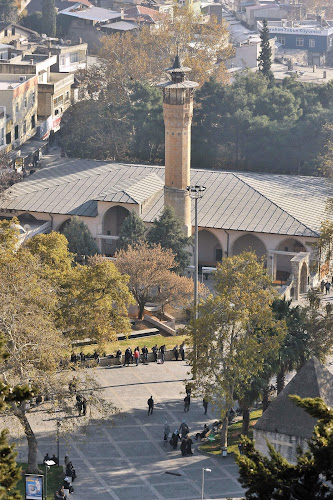
Kahramanmaraş Ulu Camii
Find Accommodations Nearby
Recommended Tours & Activities
Visitor Reviews
There are no reviews yet. Be the first one to write one.
Share Your Experience
Have you visited Zeugma Mosaics Museum? Help other travelers by leaving a review.