
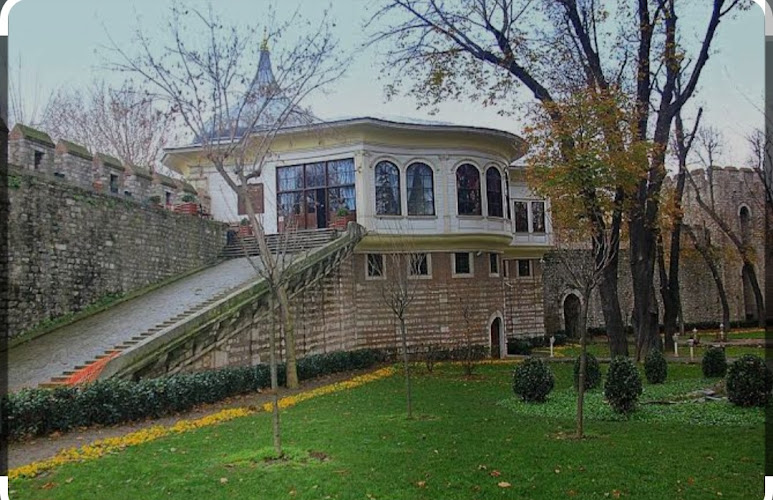
Alay Pavilion
About Alay Pavilion
Description
The Alay Pavilion stands as a testament to architectural beauty and historical significance that draws visitors from across the globe. This remarkable structure captures the imagination of anyone who appreciates the intersection of cultural heritage and impressive design. When you first lay eyes on this building, there's something almost ethereal about how it commands attention without being overly showy about it.
I've always believed that some places just have this unexplainable pull, and the Alay Pavilion definitely falls into that category. The building itself tells stories through its walls and structure, offering glimpses into a past that feels both distant and surprisingly relevant. What makes this place particularly special is how it manages to remain accessible to modern visitors while maintaining its authentic character.
The pavilion serves multiple purposes for today's travelers - it's equal parts educational experience, photographic paradise, and contemplative space. Many visitors find themselves spending far more time here than they initially planned, which honestly speaks volumes about the magnetic quality of the place. The structure has this way of making you slow down and really observe the details, something we don't do nearly enough in our rush-rush world.
And here's something worth mentioning - this isn't one of those stuffy historical sites where kids get bored within five minutes. Families genuinely enjoy exploring the pavilion together, with younger visitors finding their own sense of wonder in the architecture and surroundings. The space welcomes curiosity, and that's refreshing in a world where so many attractions feel like they're trying too hard to be everything to everyone.
Key Features
The Alay Pavilion offers several distinctive characteristics that make it worth including on any traveler's itinerary:
- Architectural design that showcases historical building techniques and aesthetic principles from its era of construction
- Excellent photographic opportunities throughout the structure, with natural lighting that changes character throughout the day
- Family-friendly environment that engages visitors of all ages without requiring extensive historical knowledge to appreciate
- Relatively uncrowded compared to other major tourist attractions, allowing for more personal exploration time
- Accessible layout that permits thorough exploration without excessive physical demands
- Authentic preservation that respects the original character while ensuring visitor safety and comfort
- Cultural significance that provides context for understanding broader regional history
- Peaceful atmosphere conducive to reflection and appreciation of architectural craftsmanship
- Strategic viewing points that offer perspectives on both the building itself and surrounding landscapes
- Educational value that doesn't feel forced or overly academic in presentation
Best Time to Visit
Timing your visit to the Alay Pavilion can significantly impact your experience, though I'll be honest - there's really no terrible time to go. That said, some periods definitely offer advantages over others.
Early mornings bring a special quality to the pavilion that afternoon visitors miss entirely. The light hits the building differently, and you'll likely have substantial portions of the site to yourself. There's something about being among the first people to walk through a historical space on any given day that just feels right. Plus, if you're serious about photography, those morning hours deliver the goods in terms of lighting conditions.
Late afternoons also have their appeal, particularly during seasons when the weather is more forgiving. The golden hour before sunset transforms the pavilion's appearance dramatically, and the temperature drop makes extended exploration more comfortable. But here's the thing - you're not alone in figuring this out, so expect slightly larger crowds during these prime times.
Weekdays generally see fewer visitors than weekends, which is pretty standard for most tourist attractions but particularly noticeable here. The difference isn't astronomical, but it's enough that you'll notice it in your ability to take unobstructed photos and spend quiet time with the architecture.
Weather considerations matter more than you might initially think. While the pavilion obviously exists year-round, certain seasons provide more comfortable conditions for the walking and standing you'll be doing. Extreme temperatures can cut visits shorter than intended, so checking forecasts before heading out isn't just cautious - it's smart planning.
School holiday periods bring more families, which changes the atmosphere somewhat. This isn't necessarily negative, just different. The energy level rises, and the site takes on a more social character. Some travelers prefer this liveliness, while others specifically avoid these windows.
How to Get There
Getting to the Alay Pavilion requires some planning, but it's absolutely manageable for most travelers. The location isn't exactly downtown in most cases, which means you'll need to think about transportation before you set out.
Taxis remain one of the most straightforward options for reaching the pavilion, particularly if you're traveling with family or a small group. The cost splits reasonably among passengers, and you get door-to-door service without navigating unfamiliar routes. Make sure your driver understands your destination clearly - having the name written in the local language helps tremendously if there's any communication barrier.
Public transportation can work depending on your comfort level with local transit systems. Buses often run near the pavilion area, though you might face a short walk from the nearest stop. This approach takes longer but costs significantly less than private transportation. And honestly? Sometimes the journey itself becomes part of the adventure, giving you street-level views of neighborhoods you wouldn't otherwise see.
Many visitors opt for organized tours that include the Alay Pavilion as part of broader itineraries. This removes navigation stress entirely and often packages the site with other nearby attractions. The trade-off is less flexibility in how long you spend at the pavilion and when you visit. Tour schedules don't always align with optimal viewing times.
If you're the independent type who's rented a car, driving yourself provides maximum flexibility. Parking availability varies, so arriving earlier rather than later improves your chances of finding convenient spots. Keep in mind that traffic patterns can be unpredictable, so build buffer time into your schedule.
Walking from nearby accommodation works for some travelers, particularly those who've specifically chosen lodging based on proximity to major sites. The feasibility of this option depends entirely on distances involved and your personal stamina levels.
Tips for Visiting
Making the most of your Alay Pavilion visit involves more than just showing up. These practical suggestions come from real experience and observations of what works.
Dress appropriately for a site that requires both respect for its historical nature and practical comfort for walking. Footwear matters more than you'd expect - the surfaces you'll encounter aren't always perfectly even, and uncomfortable shoes will absolutely cut your visit short. I learned this the hard way at too many historical sites before finally getting smart about it.
Bring water with you, especially during warmer months. While there might be vendors or facilities nearby, having your own supply means you're not cutting exploration short due to thirst. It's such a simple thing, but it makes a real difference in how long you can comfortably spend at the site.
Camera batteries and memory cards deserve attention before you leave your accommodation. The Alay Pavilion provides countless photographic opportunities, and there's nothing quite as frustrating as missing shots because your equipment wasn't prepared. Backup batteries have saved my trips more times than I can count.
Consider visiting twice if your schedule permits - once during your initial exploration and again after you've had time to process what you've seen. Second visits often reveal details you missed initially and allow you to spend more time with particular features that resonated with you.
Respect the site's historical significance through your behavior. This doesn't mean walking on eggshells, but basic courtesy about noise levels and treatment of the structure goes a long way. Other visitors appreciate it, and honestly, you'll have a better experience when everyone's being mindful.
Children benefit from some basic context before arriving, even if it's just explaining what makes the building special. This prep work doesn't need to be extensive - just enough to spark curiosity and set expectations. Kids who arrive with some framework for understanding tend to engage more meaningfully with what they're seeing.
Check for any temporary closures or special events before making definite plans. While rare, maintenance work or special occasions can affect access. A quick verification saves potential disappointment and wasted travel time.
Budget adequate time for your visit - rushing through defeats the entire purpose. Most people find that spending at least an hour allows for reasonable exploration without feeling hurried. But if the architecture really speaks to you, don't be surprised if two or three hours disappear without you noticing.
Sun protection deserves consideration during certain times of year. Sunscreen, hats, and sunglasses prevent the kind of discomfort that transforms a pleasant outing into an endurance test. The pavilion might offer some shaded areas, but don't count on spending your entire visit out of direct sunlight.
Local guides can enhance understanding significantly if you're someone who appreciates deeper context. While the pavilion rewards casual observation, having someone explain architectural details and historical background adds layers of meaning that self-guided visits might miss.
Key Features
- Ottoman-era pavilion architecture with intricate woodwork and carved ceilings
- Intimate scale offering framed views toward historic precincts and gardens
- Well-preserved interior details such as tiled hearths and decorative panels
- Close proximity to major historic sites like Topkapı Palace and Hagia Sophia
- Photogenic rooms and exterior façades ideal for architectural photography
Nearby Attractions
Tours & Activities
GetYourGuide provides this tour inventory. We may earn a commission if you book through it; verify current availability, prices, and terms with the provider.
Visitor Reviews
There are no reviews yet. Be the first one to write one.
Share Your Experience
Have you visited Alay Pavilion? Help other travelers by leaving a review.