
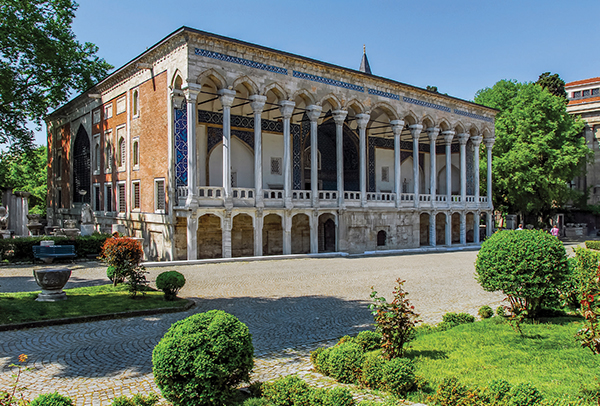
Tiled Pavilion Museum
About Tiled Pavilion Museum
Description
The Tiled Pavilion Museum stands as one of Istanbul's more underrated treasures, and honestly, that's part of its charm. Built way back in 1472 during the reign of Mehmed the Conqueror, this palace pavilion has survived centuries of Ottoman history to become a dedicated showcase for Islamic ceramics and tilework. And when you first catch sight of its facade, you'll understand why it deserves more attention than it typically gets. What makes this museum particularly fascinating is how it blends architectural influences from different cultures. You'll notice Greek and Persian elements woven throughout the structure, creating this unique aesthetic that tells the story of the Ottoman Empire's multicultural nature. The building itself is as much an exhibit as the pieces it houses, which is something I always appreciate when visiting historical sites. Inside, the collection focuses primarily on ceramics from various Islamic periods, with pieces ranging from the Seljuk era through to later Ottoman works. The tile collection is genuinely impressive, featuring intricate geometric patterns and calligraphy that showcase the artistic achievements of craftsmen from Iznik, Kütahya, and Damascus. These aren't just decorative objects stuck behind glass – they represent centuries of artistic tradition and technical mastery that evolved across the Islamic world. The museum occupies a relatively intimate space compared to Istanbul's larger institutions, which actually works in its favor. You can take your time examining individual pieces without feeling overwhelmed by massive crowds or endless galleries. It's the kind of place where you can actually have a conversation with your travel companion without disturbing dozens of other visitors.Key Features
The Tiled Pavilion Museum offers several distinctive characteristics that set it apart from other cultural attractions in Istanbul: • The building's original 15th-century architecture, featuring a columned portico adorned with stunning tilework that predates much of the interior collection • An exceptional assembly of Iznik tiles from the 16th and 17th centuries, considered the golden age of Ottoman ceramic production • Seljuk period ceramics that demonstrate the artistic continuity between pre-Ottoman and Ottoman eras • Persian influence evident in both architectural details and ceramic designs, highlighting cultural exchanges along historical trade routes • A courtyard area that provides a peaceful respite and photographic opportunities away from the museum's interior • Collections of ceramic panels that once decorated Ottoman palaces and mosques, giving insight into how these spaces originally appeared • Examples of underglaze and overglaze painting techniques that show the evolution of ceramic art over several centuries • Relatively fewer tourists compared to major Istanbul attractions, allowing for a more contemplative museum experience • Information placards in multiple languages that provide context for the pieces on display (though admittedly the English translations can be a bit rough in places) • The museum's connection to the broader Archaeological Museums complex, making it part of a larger cultural explorationBest Time to Visit
Timing your visit to the Tiled Pavilion Museum requires thinking about both seasonal considerations and daily schedules. From my experience with Istanbul's museum scene, you'll want to avoid the peak tourist months of July and August if possible. Not because the museum gets unbearably crowded – it rarely does – but because Istanbul itself becomes pretty intense during summer, and trudging through the heat between attractions isn't anyone's idea of a good time. Spring months, particularly April and May, offer ideal conditions for museum hopping in Istanbul. The weather's pleasant for walking between sites, and you'll encounter fewer tour groups. September and October provide similarly comfortable conditions, with the added bonus of autumn light that makes the museum's tilework absolutely glow. But here's something most guidebooks won't mention: winter visits have their own appeal. Yes, it's cold, but the Tiled Pavilion Museum takes on a different character when it's quiet and you can hear your footsteps echo through the galleries. Plus, Istanbul in winter means significantly lower accommodation costs and a more authentic local atmosphere. As for time of day, aim for early morning right when the museum opens. You'll have the galleries largely to yourself for at least the first hour. Mid-afternoon, especially after 2 PM on weekdays, also tends to be quiet. Avoid weekends if you prefer solitude – Turkish families often visit museums on Saturdays and Sundays, which is lovely in its own way but changes the atmosphere considerably. The museum typically closes one day per week (usually Monday, though this can change), so definitely verify the schedule before planning your itinerary. And don't make the mistake I did on my second visit – showing up thirty minutes before closing time. You need at least an hour to properly appreciate the collection, maybe ninety minutes if you're really into ceramics.How to Get There
Getting to the Tiled Pavilion Museum is refreshingly straightforward once you understand Istanbul's layout. The museum sits in the Gülhane area, essentially in the historic peninsula where most of Istanbul's major attractions cluster together. This means you've got multiple transportation options depending on where you're staying. The tram system is probably your best bet. Take the T1 line to Gülhane station, and from there it's about a ten-minute walk. As you exit the station, head toward Gülhane Park, and you'll see signs pointing toward the Archaeological Museums complex. The Tiled Pavilion is part of this complex, though it maintains its own distinct identity. Just follow the path through the park's edge, and you can't really miss it. If you're already exploring the Sultanahmet area – maybe you've just finished at Hagia Sophia or the Blue Mosque – you can easily walk to the museum. It's roughly fifteen to twenty minutes on foot from Sultanahmet Square, depending on your pace and how many times you stop for photos. The walk itself is pleasant, taking you past some gorgeous Ottoman-era buildings and through tree-lined streets. Taxis work too, obviously, though in Istanbul's traffic they're not always faster than walking or taking the tram. If you do take a taxi, just tell the driver "Çinili Köşk" (the Turkish name) or "Arkeoloji Müzeleri" (Archaeological Museums). Most drivers know these landmarks well. For those who've mastered Istanbul's bus system – and I salute you if you have because it's a bit of a maze – several bus lines stop near Gülhane. But honestly, unless you're coming from a neighborhood far from the tram line, the T1 is your simplest option. One thing worth mentioning: the entrance to the museum complex isn't immediately obvious if you're approaching from certain directions. Look for the entrance gates near Topkapı Palace, and you'll find clear signage from there. The whole complex shares a common ticketing area, which brings me to an important point – your ticket usually covers multiple museums in the complex, so plan accordingly.Tips for Visiting
Let me share some practical wisdom that'll make your visit smoother and more rewarding. First off, purchase a Museum Pass Istanbul if you're planning to visit multiple museums during your stay. It covers the Archaeological Museums complex including the Tiled Pavilion, plus dozens of other sites. The pass pays for itself after just three or four museums, and it lets you skip regular ticket lines. Photography is generally allowed, but check for any specific restrictions on flash photography. The low lighting in some galleries is intentional to protect the ceramics, so you might need to adjust your camera settings. And please, resist the temptation to use flash even if nobody's watching – those tiles have survived centuries, and we want them around for centuries more. Wear comfortable shoes. This might seem obvious, but the floors in older museums can be unforgiving, and you'll be standing more than you think. Plus, if you're exploring the broader Archaeological Museums complex in the same visit, you're looking at several hours on your feet. The museum doesn't have a cafe inside, so grab coffee or tea beforehand if you need caffeine to fully appreciate Byzantine-era ceramics. There are plenty of cafes in the surrounding area where you can fuel up first. Alternatively, Gülhane Park nearby has refreshment stands if you need a break afterward. Don't rush through assuming ceramic collections are boring. I've heard people say they're "not really into pottery" before visiting, then spend twice as long as planned because they got fascinated by the craftsmanship. Give the pieces a chance – read the descriptions, notice the details, think about the hands that created these objects hundreds of years ago. If you're visiting with kids, the museum can work surprisingly well despite being focused on fragile objects. Children often respond to the patterns and colors in the tiles, and the relatively compact size means younger visitors won't get exhausted like they might in larger museums. Just maybe avoid bringing toddlers who are in their "touch everything" phase. Bring a light jacket even in warm weather. Museums in older buildings sometimes maintain cooler temperatures for preservation purposes, and the Tiled Pavilion is no exception. You might find it chilly inside even on a hot Istanbul day. Finally, take your time in the courtyard area. Many visitors overlook this space entirely in their rush to see the collections, but the exterior tilework and architectural details deserve attention too. It's also one of the more peaceful spots in tourist-heavy Istanbul, perfect for catching your breath and processing what you've just seen before diving back into the city's beautiful chaos.Key Features
- Original 15th-century pavilion architecture with Seljuk influences
- Extensive collection of İznik tiles and Ottoman ceramics
- Intimate, small-scale galleries that highlight decorative motifs
- Close proximity to Istanbul Archaeological Museums, Hagia Sophia and Topkapı Palace
- Well-preserved exterior details like iwan terrace and cut tile decoration
More Details
Updated March 30, 2026
Table of Contents
Description
The Tiled Pavilion Museum stands as one of Istanbul’s more underrated treasures, and honestly, that’s part of its charm. Built way back in 1472 during the reign of Mehmed the Conqueror, this palace pavilion has survived centuries of Ottoman history to become a dedicated showcase for Islamic ceramics and tilework. And when you first catch sight of its facade, you’ll understand why it deserves more attention than it typically gets.
What makes this museum particularly fascinating is how it blends architectural influences from different cultures. You’ll notice Greek and Persian elements woven throughout the structure, creating this unique aesthetic that tells the story of the Ottoman Empire’s multicultural nature. The building itself is as much an exhibit as the pieces it houses, which is something I always appreciate when visiting historical sites.
Inside, the collection focuses primarily on ceramics from various Islamic periods, with pieces ranging from the Seljuk era through to later Ottoman works. The tile collection is genuinely impressive, featuring intricate geometric patterns and calligraphy that showcase the artistic achievements of craftsmen from Iznik, Kütahya, and Damascus. These aren’t just decorative objects stuck behind glass – they represent centuries of artistic tradition and technical mastery that evolved across the Islamic world.
The museum occupies a relatively intimate space compared to Istanbul’s larger institutions, which actually works in its favor. You can take your time examining individual pieces without feeling overwhelmed by massive crowds or endless galleries. It’s the kind of place where you can actually have a conversation with your travel companion without disturbing dozens of other visitors.
Key Features
The Tiled Pavilion Museum offers several distinctive characteristics that set it apart from other cultural attractions in Istanbul:
• The building’s original 15th-century architecture, featuring a columned portico adorned with stunning tilework that predates much of the interior collection
• An exceptional assembly of Iznik tiles from the 16th and 17th centuries, considered the golden age of Ottoman ceramic production
• Seljuk period ceramics that demonstrate the artistic continuity between pre-Ottoman and Ottoman eras
• Persian influence evident in both architectural details and ceramic designs, highlighting cultural exchanges along historical trade routes
• A courtyard area that provides a peaceful respite and photographic opportunities away from the museum’s interior
• Collections of ceramic panels that once decorated Ottoman palaces and mosques, giving insight into how these spaces originally appeared
• Examples of underglaze and overglaze painting techniques that show the evolution of ceramic art over several centuries
• Relatively fewer tourists compared to major Istanbul attractions, allowing for a more contemplative museum experience
• Information placards in multiple languages that provide context for the pieces on display (though admittedly the English translations can be a bit rough in places)
• The museum’s connection to the broader Archaeological Museums complex, making it part of a larger cultural exploration
Best Time to Visit
Timing your visit to the Tiled Pavilion Museum requires thinking about both seasonal considerations and daily schedules. From my experience with Istanbul’s museum scene, you’ll want to avoid the peak tourist months of July and August if possible. Not because the museum gets unbearably crowded – it rarely does – but because Istanbul itself becomes pretty intense during summer, and trudging through the heat between attractions isn’t anyone’s idea of a good time.
Spring months, particularly April and May, offer ideal conditions for museum hopping in Istanbul. The weather’s pleasant for walking between sites, and you’ll encounter fewer tour groups. September and October provide similarly comfortable conditions, with the added bonus of autumn light that makes the museum’s tilework absolutely glow.
But here’s something most guidebooks won’t mention: winter visits have their own appeal. Yes, it’s cold, but the Tiled Pavilion Museum takes on a different character when it’s quiet and you can hear your footsteps echo through the galleries. Plus, Istanbul in winter means significantly lower accommodation costs and a more authentic local atmosphere.
As for time of day, aim for early morning right when the museum opens. You’ll have the galleries largely to yourself for at least the first hour. Mid-afternoon, especially after 2 PM on weekdays, also tends to be quiet. Avoid weekends if you prefer solitude – Turkish families often visit museums on Saturdays and Sundays, which is lovely in its own way but changes the atmosphere considerably.
The museum typically closes one day per week (usually Monday, though this can change), so definitely verify the schedule before planning your itinerary. And don’t make the mistake I did on my second visit – showing up thirty minutes before closing time. You need at least an hour to properly appreciate the collection, maybe ninety minutes if you’re really into ceramics.
How to Get There
Getting to the Tiled Pavilion Museum is refreshingly straightforward once you understand Istanbul’s layout. The museum sits in the Gülhane area, essentially in the historic peninsula where most of Istanbul’s major attractions cluster together. This means you’ve got multiple transportation options depending on where you’re staying.
The tram system is probably your best bet. Take the T1 line to Gülhane station, and from there it’s about a ten-minute walk. As you exit the station, head toward Gülhane Park, and you’ll see signs pointing toward the Archaeological Museums complex. The Tiled Pavilion is part of this complex, though it maintains its own distinct identity. Just follow the path through the park’s edge, and you can’t really miss it.
If you’re already exploring the Sultanahmet area – maybe you’ve just finished at Hagia Sophia or the Blue Mosque – you can easily walk to the museum. It’s roughly fifteen to twenty minutes on foot from Sultanahmet Square, depending on your pace and how many times you stop for photos. The walk itself is pleasant, taking you past some gorgeous Ottoman-era buildings and through tree-lined streets.
Taxis work too, obviously, though in Istanbul’s traffic they’re not always faster than walking or taking the tram. If you do take a taxi, just tell the driver “Çinili Köşk” (the Turkish name) or “Arkeoloji Müzeleri” (Archaeological Museums). Most drivers know these landmarks well.
For those who’ve mastered Istanbul’s bus system – and I salute you if you have because it’s a bit of a maze – several bus lines stop near Gülhane. But honestly, unless you’re coming from a neighborhood far from the tram line, the T1 is your simplest option.
One thing worth mentioning: the entrance to the museum complex isn’t immediately obvious if you’re approaching from certain directions. Look for the entrance gates near Topkapı Palace, and you’ll find clear signage from there. The whole complex shares a common ticketing area, which brings me to an important point – your ticket usually covers multiple museums in the complex, so plan accordingly.
Tips for Visiting
Let me share some practical wisdom that’ll make your visit smoother and more rewarding. First off, purchase a Museum Pass Istanbul if you’re planning to visit multiple museums during your stay. It covers the Archaeological Museums complex including the Tiled Pavilion, plus dozens of other sites. The pass pays for itself after just three or four museums, and it lets you skip regular ticket lines.
Photography is generally allowed, but check for any specific restrictions on flash photography. The low lighting in some galleries is intentional to protect the ceramics, so you might need to adjust your camera settings. And please, resist the temptation to use flash even if nobody’s watching – those tiles have survived centuries, and we want them around for centuries more.
Wear comfortable shoes. This might seem obvious, but the floors in older museums can be unforgiving, and you’ll be standing more than you think. Plus, if you’re exploring the broader Archaeological Museums complex in the same visit, you’re looking at several hours on your feet.
The museum doesn’t have a cafe inside, so grab coffee or tea beforehand if you need caffeine to fully appreciate Byzantine-era ceramics. There are plenty of cafes in the surrounding area where you can fuel up first. Alternatively, Gülhane Park nearby has refreshment stands if you need a break afterward.
Don’t rush through assuming ceramic collections are boring. I’ve heard people say they’re “not really into pottery” before visiting, then spend twice as long as planned because they got fascinated by the craftsmanship. Give the pieces a chance – read the descriptions, notice the details, think about the hands that created these objects hundreds of years ago.
If you’re visiting with kids, the museum can work surprisingly well despite being focused on fragile objects. Children often respond to the patterns and colors in the tiles, and the relatively compact size means younger visitors won’t get exhausted like they might in larger museums. Just maybe avoid bringing toddlers who are in their “touch everything” phase.
Bring a light jacket even in warm weather. Museums in older buildings sometimes maintain cooler temperatures for preservation purposes, and the Tiled Pavilion is no exception. You might find it chilly inside even on a hot Istanbul day.
Finally, take your time in the courtyard area. Many visitors overlook this space entirely in their rush to see the collections, but the exterior tilework and architectural details deserve attention too. It’s also one of the more peaceful spots in tourist-heavy Istanbul, perfect for catching your breath and processing what you’ve just seen before diving back into the city’s beautiful chaos.
Key Highlights
- Original 15th-century pavilion architecture with Seljuk influences
- Extensive collection of İznik tiles and Ottoman ceramics
- Intimate, small-scale galleries that highlight decorative motifs
- Close proximity to Istanbul Archaeological Museums, Hagia Sophia and Topkapı Palace
- Well-preserved exterior details like iwan terrace and cut tile decoration
Location
Places to Stay Near Tiled Pavilion Museum
Find and Book a Tour
Explore More Travel Guides
No reviews found! Be the first to review!
Tiled Pavilion Museum is a prominent museums located in TR.
Visit us at: Cankurtaran, Cankurtaran Mahallesi Osman Hamdibey Yokuşu, Gülhane, 34122 Fatih/İstanbul, Türkiye.
Traveler Reviews for Tiled Pavilion Museum
There are no reviews yet. Be the first one to write one.
Have you visited Tiled Pavilion Museum? Help other travelers by sharing your review.
Nearby Attractions
You Might Also Like

Salepçioğlu Mosque
871. Sk. no:19 D:106

Uludag National Park
Find Accommodations Nearby
Recommended Tours & Activities
Visitor Reviews
There are no reviews yet. Be the first one to write one.
Share Your Experience
Have you visited Tiled Pavilion Museum? Help other travelers by leaving a review.