
Kahramanmaraş Ulu Camii
About Kahramanmaraş Ulu Camii
Description
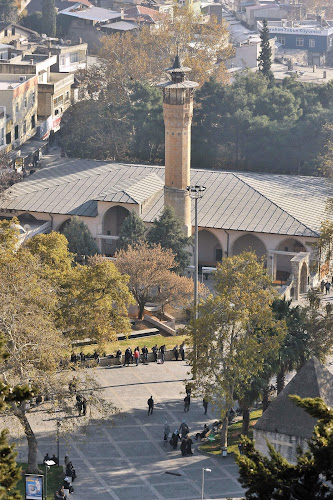
Alright, let’s get straight to it. If you like places with a bit of age, stories under the rafters (actual wood rafters, not just metaphorical ones), and a dash of architectural whimsy, then Kahramanmaraş Ulu Camii should absolutely be on your radar. This grand mosque – standing proud since the 15th century – quite literally has centuries of footsteps echoing inside its halls. Whenever I wander Turkish cities, I look for mosques like this one, and honestly, Ulu Camii gives off that real, lived-in historical feel that’s more than just a slap of paint or some dusty plaque on the wall.
The moment you catch sight of the wooden roof, which is a bit unusual compared to the more commonly domed Ottoman-style mosques, you realize Ulu Camii isn’t out to copy anybody. Personally, I think there’s something incredibly welcoming about woodwork done right – feels like the building’s got character. And don’t even get me started on the minaret! You’ll notice right away that it isn’t merely a stone spire reaching for the sky. Nope. The minaret is a kaleidoscope of ceramic plates and intricate decorations. Every time I see folks walk up and crane their necks to inspect the patterns, it reminds me that beauty can be both spiritual and material, intricately woven together.
Inside, you’ll probably experience a unique blend of tranquility and lowkey community buzz. There are quiet corners for prayer and reflection, yes, but you also see locals weaving in for a quick visit or chat. It’s not just a place of worship – it’s really a living, breathing part of Kahramanmaraş. And you don’t need to be deeply religious (or religious at all) to feel welcome. It’s the sort of space that invites you to peek into the past while you’re right in the present, which, let’s face it, we could all use once in a while.
Truth be told—like any destination that sees a lot of foot traffic—it has its highs and lows. Most visitors (myself included) walk away thoroughly impressed, raving about its details, serenity, and authenticity. A few leave with minor gripes, like occasional crowding or modern restorations not quite in line with their tastes. But I always find, if you bring a sense of openness and curiosity, you’re almost guaranteed to find something about Ulu Camii that grabs your heart or stirs your imagination.
Key Features
- Wooden Roof: Unlike the more familiar domed structures, Ulu Camii showcases an expansive wooden roof, lending a warm and intimate ambience. Honestly, I found myself just staring up, admiring the craftsmanship – like a medieval puzzle, but real life.
- Distinctive Minaret: It’s impossible to miss this one: a soaring minaret encrusted with bright, decorative ceramic plates. Up close, you can see the individual patterns and colors—each one seems to have its own story. I’d recommend bringing your camera, but honestly, the mental snapshot will linger longer.
- 15th-Century Heritage: This mosque has weathered the centuries, serving its community faithfully through every era. If “timeless” were a contest, Ulu Camii would be in the finals. You can almost feel the history built into the stones and timbers.
- Active Community Hub: It isn’t frozen in time—it’s still the beating heart for many locals, especially during prayer times and community gatherings. I personally enjoy that buzz, but if you’re after solitude, mid-morning is usually your best bet.
- Subtle Ornamental Work: There’s a quiet richness in the design; small flourishes, calligraphy, and tile work that reward a slow, curious stroll. Sometimes I spot new details hiding in plain sight on a return visit—always a treat for the observant traveler.
- Welcoming Atmosphere: Whether you’re rolling in with a camera, with kids, or just a pocket full of curiosity, visitors of every background are greeted warmly. Locals may even share a story or two if you linger in the courtyard.
Best Time to Visit
When it comes to timing your visit, I’m a huge advocate for mornings. There’s something genuinely special about the gentle hush before the noon crowd arrives and the sunlight slants through the courtyard. But listen, if you’re a night owl, you might still catch some magic in the late afternoon, especially when the light shifts and plays off those ceramic plates on the minaret (seriously, it’s a show all its own).
Avoiding the busiest times—like the main Friday prayer or immediately after big religious events—means you get to enjoy the peace and really soak up the atmosphere without being jostled about. If you’re a photographer or someone who just wants to savor the setting, weekdays trump weekends. I popped in once during a public holiday, and whew, it was bustling! Still beautiful, but not quite as peaceful.
Spring and autumn win out as my favorite seasons for any adventure in Kahramanmaraş. The weather’s pleasant—not scorching, not chilly—and everything outside, from nearby markets to gardens, just feels alive. Summer, on the other hand, can get sticky and hot (I learned the hard way: sweat and sightseeing, not my fave combo). Still, early mornings are doable year-round, and winter brings its own kind of still beauty, especially for those who appreciate a bit of frost on ancient stone.
How to Get There
Alright, here’s where the rubber meets the road – literally. Kahramanmaraş is pretty well-connected to the rest of Türkiye, so getting to the mosque is a breeze, even if you’re not a seasoned traveler. If you’re arriving by bus or minibus from the city center, you’re looking at just a short, leisurely walk once you hop off; most drivers know Ulu Camii by name, so don’t hesitate to ask for directions. Locals are famously helpful—an elderly gentleman once personally walked me partway just because I looked lost (thanks, uncle!).
Driving yourself? There’s nearby street parking, but as always with popular attractions, the early bird gets the best spot. If you prefer taxis, ride-hailing apps work fine here, and they tend to know all the main landmarks. For those with a little more adventure in their step, I’d actually recommend lacing up comfy shoes and strolling from the city’s main drag; you’ll pass historic shops, vibrant bakeries, and maybe even a street vendor selling ice-cold ayran (local secret for beating the heat).
Accessibility’s not terrible, but if you’ve got mobility challenges, be aware: some of the surrounding streets are a little uneven. Nothing impossible, though. Just plan to take it slower. I always say half the fun is in wandering a bit—you never know what side street graffiti or tiny tea shop you’ll discover on your way.
Tips for Visiting
If I had a lira for every time someone asked me how to get the most out of mosques like Ulu Camii, well, I’d have enough for coffee and baklava by now. Here’s what I learned, sometimes the hard way, and what might just help you squeeze every drop of experience from your visit:
- Dress Respectfully: This one’s a biggie. As with all mosques, you’ll want to cover shoulders and knees; ladies should bring a scarf for their hair. Even if you’re snapping pics and sightseeing, courtesy counts—it’s noticed and appreciated. One time, I saw a visitor offered a lovely patterned scarf by a local; little gestures go a long way.
- Shoes Off, Please: There’s a shoe rack near the entrance, and trust me, you don’t want to forget which pair is yours (I’ve left with someone else’s sandals before—apologies if that was you!). Pro tip: wear easy slip-on shoes if you can.
- Quiet Reflection: Even outside of prayer times, people come here for spiritual calm. Keep voices low and phones silent; the quiet lets the mood settle over you. I always find myself breathing deeper here.
- Appreciate the Craftsmanship: Don’t hurry through. Inspect the woodwork above, the ceramic minaret, the inlaid calligraphy—so many bits might escape you in a rush. Let your eyes wander, and your camera too, but ask before taking close-ups of people (locals are usually gracious, but it’s just polite).
- Local Interactions: If you see folks sitting in the courtyard, don’t be shy! I’ve heard more fascinating history and personal stories from casual chats here than from any guidebook. People are proud to share the mosque’s legacy.
- Pair With Nearby Attractions: You’re in a historically rich zone—pop into local markets or bakeries before or after your visit. There’s nothing like sipping hot tea while digesting fresh memories of centuries-old architecture.
- Check the Prayer Times: Plan your visit around
Key Features
- Key Features
- Best Time to Visit
- How to Get There
- Tips for Visiting
More Details
Updated June 9, 2025
Table of Contents
Description
Alright, let’s get straight to it. If you like places with a bit of age, stories under the rafters (actual wood rafters, not just metaphorical ones), and a dash of architectural whimsy, then Kahramanmaraş Ulu Camii should absolutely be on your radar. This grand mosque – standing proud since the 15th century – quite literally has centuries of footsteps echoing inside its halls. Whenever I wander Turkish cities, I look for mosques like this one, and honestly, Ulu Camii gives off that real, lived-in historical feel that’s more than just a slap of paint or some dusty plaque on the wall.
The moment you catch sight of the wooden roof, which is a bit unusual compared to the more commonly domed Ottoman-style mosques, you realize Ulu Camii isn’t out to copy anybody. Personally, I think there’s something incredibly welcoming about woodwork done right – feels like the building’s got character. And don’t even get me started on the minaret! You’ll notice right away that it isn’t merely a stone spire reaching for the sky. Nope. The minaret is a kaleidoscope of ceramic plates and intricate decorations. Every time I see folks walk up and crane their necks to inspect the patterns, it reminds me that beauty can be both spiritual and material, intricately woven together.
Inside, you’ll probably experience a unique blend of tranquility and lowkey community buzz. There are quiet corners for prayer and reflection, yes, but you also see locals weaving in for a quick visit or chat. It’s not just a place of worship – it’s really a living, breathing part of Kahramanmaraş. And you don’t need to be deeply religious (or religious at all) to feel welcome. It’s the sort of space that invites you to peek into the past while you’re right in the present, which, let’s face it, we could all use once in a while.
Truth be told—like any destination that sees a lot of foot traffic—it has its highs and lows. Most visitors (myself included) walk away thoroughly impressed, raving about its details, serenity, and authenticity. A few leave with minor gripes, like occasional crowding or modern restorations not quite in line with their tastes. But I always find, if you bring a sense of openness and curiosity, you’re almost guaranteed to find something about Ulu Camii that grabs your heart or stirs your imagination.
Key Features
- Wooden Roof: Unlike the more familiar domed structures, Ulu Camii showcases an expansive wooden roof, lending a warm and intimate ambience. Honestly, I found myself just staring up, admiring the craftsmanship – like a medieval puzzle, but real life.
- Distinctive Minaret: It’s impossible to miss this one: a soaring minaret encrusted with bright, decorative ceramic plates. Up close, you can see the individual patterns and colors—each one seems to have its own story. I’d recommend bringing your camera, but honestly, the mental snapshot will linger longer.
- 15th-Century Heritage: This mosque has weathered the centuries, serving its community faithfully through every era. If “timeless” were a contest, Ulu Camii would be in the finals. You can almost feel the history built into the stones and timbers.
- Active Community Hub: It isn’t frozen in time—it’s still the beating heart for many locals, especially during prayer times and community gatherings. I personally enjoy that buzz, but if you’re after solitude, mid-morning is usually your best bet.
- Subtle Ornamental Work: There’s a quiet richness in the design; small flourishes, calligraphy, and tile work that reward a slow, curious stroll. Sometimes I spot new details hiding in plain sight on a return visit—always a treat for the observant traveler.
- Welcoming Atmosphere: Whether you’re rolling in with a camera, with kids, or just a pocket full of curiosity, visitors of every background are greeted warmly. Locals may even share a story or two if you linger in the courtyard.
Best Time to Visit
When it comes to timing your visit, I’m a huge advocate for mornings. There’s something genuinely special about the gentle hush before the noon crowd arrives and the sunlight slants through the courtyard. But listen, if you’re a night owl, you might still catch some magic in the late afternoon, especially when the light shifts and plays off those ceramic plates on the minaret (seriously, it’s a show all its own).
Avoiding the busiest times—like the main Friday prayer or immediately after big religious events—means you get to enjoy the peace and really soak up the atmosphere without being jostled about. If you’re a photographer or someone who just wants to savor the setting, weekdays trump weekends. I popped in once during a public holiday, and whew, it was bustling! Still beautiful, but not quite as peaceful.
Spring and autumn win out as my favorite seasons for any adventure in Kahramanmaraş. The weather’s pleasant—not scorching, not chilly—and everything outside, from nearby markets to gardens, just feels alive. Summer, on the other hand, can get sticky and hot (I learned the hard way: sweat and sightseeing, not my fave combo). Still, early mornings are doable year-round, and winter brings its own kind of still beauty, especially for those who appreciate a bit of frost on ancient stone.
How to Get There
Alright, here’s where the rubber meets the road – literally. Kahramanmaraş is pretty well-connected to the rest of Türkiye, so getting to the mosque is a breeze, even if you’re not a seasoned traveler. If you’re arriving by bus or minibus from the city center, you’re looking at just a short, leisurely walk once you hop off; most drivers know Ulu Camii by name, so don’t hesitate to ask for directions. Locals are famously helpful—an elderly gentleman once personally walked me partway just because I looked lost (thanks, uncle!).
Driving yourself? There’s nearby street parking, but as always with popular attractions, the early bird gets the best spot. If you prefer taxis, ride-hailing apps work fine here, and they tend to know all the main landmarks. For those with a little more adventure in their step, I’d actually recommend lacing up comfy shoes and strolling from the city’s main drag; you’ll pass historic shops, vibrant bakeries, and maybe even a street vendor selling ice-cold ayran (local secret for beating the heat).
Accessibility’s not terrible, but if you’ve got mobility challenges, be aware: some of the surrounding streets are a little uneven. Nothing impossible, though. Just plan to take it slower. I always say half the fun is in wandering a bit—you never know what side street graffiti or tiny tea shop you’ll discover on your way.
Tips for Visiting
If I had a lira for every time someone asked me how to get the most out of mosques like Ulu Camii, well, I’d have enough for coffee and baklava by now. Here’s what I learned, sometimes the hard way, and what might just help you squeeze every drop of experience from your visit:
- Dress Respectfully: This one’s a biggie. As with all mosques, you’ll want to cover shoulders and knees; ladies should bring a scarf for their hair. Even if you’re snapping pics and sightseeing, courtesy counts—it’s noticed and appreciated. One time, I saw a visitor offered a lovely patterned scarf by a local; little gestures go a long way.
- Shoes Off, Please: There’s a shoe rack near the entrance, and trust me, you don’t want to forget which pair is yours (I’ve left with someone else’s sandals before—apologies if that was you!). Pro tip: wear easy slip-on shoes if you can.
- Quiet Reflection: Even outside of prayer times, people come here for spiritual calm. Keep voices low and phones silent; the quiet lets the mood settle over you. I always find myself breathing deeper here.
- Appreciate the Craftsmanship: Don’t hurry through. Inspect the woodwork above, the ceramic minaret, the inlaid calligraphy—so many bits might escape you in a rush. Let your eyes wander, and your camera too, but ask before taking close-ups of people (locals are usually gracious, but it’s just polite).
- Local Interactions: If you see folks sitting in the courtyard, don’t be shy! I’ve heard more fascinating history and personal stories from casual chats here than from any guidebook. People are proud to share the mosque’s legacy.
- Pair With Nearby Attractions: You’re in a historically rich zone—pop into local markets or bakeries before or after your visit. There’s nothing like sipping hot tea while digesting fresh memories of centuries-old architecture.
- Check the Prayer Times: Plan your visit around
Key Highlights
- Key Features
- Best Time to Visit
- How to Get There
- Tips for Visiting
Location
Places to Stay Near Kahramanmaraş Ulu Camii
Find and Book a Tour
Explore More Travel Guides
No reviews found! Be the first to review!
Traveler Reviews for Kahramanmaraş Ulu Camii
There are no reviews yet. Be the first one to write one.
Have you visited Kahramanmaraş Ulu Camii? Help other travelers by sharing your review.
You Might Also Like
Antalya Clock Tower
Park
GRAY TOUR
Find Accommodations Nearby
Recommended Tours & Activities
Visitor Reviews
There are no reviews yet. Be the first one to write one.
Share Your Experience
Have you visited Kahramanmaraş Ulu Camii? Help other travelers by leaving a review.