Description
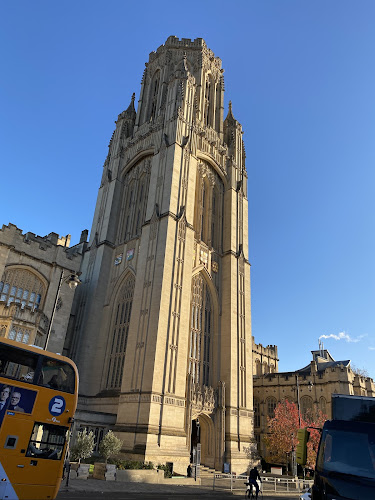
Standing tall above Bristol’s city center, the Wills Memorial Building commands attention with its imposing tower that reaches 215 feet into the sky. This architectural masterpiece represents one of the last great examples of Neo-Gothic design constructed in Britain, and honestly, when you first catch sight of it, the sheer scale will probably make you stop in your tracks. The building serves as the centerpiece of the University of Bristol, and it’s named after the Wills family – yes, those Wills, the tobacco dynasty that funded its construction back in the early 20th century.
What strikes visitors immediately is how this structure manages to feel both ancient and surprisingly modern at the same time. Completed in 1925, the building took nearly a decade to construct, and every stone seems placed with deliberate purpose. The architect George Oatley designed it as a tribute to medieval cathedral architecture, but with all the functionality needed for a working university. And it shows – this isn’t just a pretty facade for tourists to photograph, though you’ll definitely want to do that too.
The Great Hall inside is something else entirely. With its vaulted ceilings and intricate stonework, it feels like stepping into a different era. Many visitors say it reminds them of Hogwarts, and while that comparison gets thrown around a lot these days, in this case it’s actually pretty accurate. The university uses it for everything from graduation ceremonies to concerts, so there’s a living, breathing quality to the space that makes it more than just a museum piece.
I remember reading about how students and locals alike use the building as a landmark when giving directions – “meet me by the Wills Tower” is apparently a common phrase in Bristol. That speaks volumes about how integrated this structure has become in the city’s identity over the past century.
Key Features
The Wills Memorial Building offers several distinctive elements that make it worth exploring thoroughly:
- The iconic 215-foot tower that dominates Bristol’s skyline and provides a recognizable landmark visible from miles around the city
- Intricate stonework featuring elaborate carvings of mythical creatures, historical figures, and botanical designs that reward close inspection
- The magnificent Great Hall with its soaring vaulted ceiling, stained glass windows, and exceptional acoustics that host regular events
- Original wood paneling and period fixtures throughout the interior spaces that have been carefully preserved since the 1920s
- Multiple gathering spaces including smaller halls and meeting rooms that showcase different architectural styles within the Neo-Gothic framework
- Wheelchair accessible entrance and restroom facilities making the building approachable for visitors with mobility needs
- Student artwork and exhibitions that occasionally appear in public spaces, blending contemporary creativity with historic architecture
- Architectural details inspired by medieval cathedrals including flying buttresses, pointed arches, and decorative spires
- The building’s position at the top of Park Street, creating dramatic views both of and from the structure
- Historical exhibits and information panels that explain the building’s construction and the Wills family legacy
Best Time to Visit
Timing your visit to the Wills Memorial Building can make a significant difference in your experience. The building operates on an academic calendar, so understanding the university’s rhythm helps immensely.
During term time, roughly from late September through December and January through March, the building buzzes with student activity. This brings energy to the place, but it also means certain areas might be restricted or busier than usual. If you want to experience the building as a working university space rather than just a tourist attraction, these periods work brilliantly. You’ll see students rushing to lectures, study groups gathered in corners, and that authentic academic atmosphere that makes the building feel alive.
Summer months, particularly July and August, offer a different experience entirely. The campus quiets down considerably, and you’ll often have spaces nearly to yourself for photography and contemplation. But here’s the thing – some areas that are normally accessible might be closed for maintenance or private events, so it’s a bit of a gamble.
Early mornings throughout the year provide the best lighting for exterior photography. The way sunlight hits that honey-colored stone around 8 or 9 AM creates a warm glow that’s hard to capture later in the day. And frankly, you’ll avoid the tour groups that tend to arrive mid-morning.
Weekdays generally work better than weekends for access to interior spaces, though this varies depending on what events the university has scheduled. The building hosts numerous conferences, weddings, and special functions that can limit public access unexpectedly.
Weather-wise, Bristol’s climate means you should prepare for rain pretty much any time of year. The building looks particularly dramatic under moody grey skies, so don’t let typical British weather discourage your visit. Actually, some of my favorite photos of Gothic architecture have been taken on overcast days when the stone seems to absorb the atmosphere.
If you’re hoping to attend an event in the Great Hall – and I’d recommend trying to do so – check the university’s public events calendar. They occasionally host concerts, lectures, and exhibitions open to the public, which gives you legitimate access to spaces that might otherwise remain off-limits.
How to Get There
Reaching the Wills Memorial Building is straightforward thanks to Bristol’s well-connected transport system, though the city’s hilly terrain might surprise visitors who aren’t prepared for it.
By public transport, Bristol Temple Meads railway station serves as the main hub. From there, you can catch several bus routes that head toward the university area. The walk from Temple Meads takes roughly 30 minutes but it’s uphill – and I mean properly uphill. Park Street, which leads directly to the building, has a gradient that’ll remind your leg muscles they exist. Many visitors prefer taking a bus or taxi for this reason alone.
The city center bus station offers more direct routes, with several services stopping near the university. Look for buses heading toward Clifton or the university, and ask the driver if you’re unsure – Bristol bus drivers are generally quite helpful with tourists trying to find landmarks.
For those driving, here’s where things get trickier. Parking near the university is limited and expensive. The building itself doesn’t have a wheelchair accessible parking lot despite having accessible entrances, which seems like an oversight. Street parking around the area operates on strict time limits and resident-only zones. Your best bet involves using one of the city center car parks and either walking up (if you’re feeling energetic) or taking a short bus or taxi ride.
Walking from Bristol’s harbourside area takes about 20 minutes and involves that same challenging incline up Park Street. But the walk rewards you with interesting shops, cafes, and other historic buildings along the route. Just pace yourself, especially on warm days.
Cycling is popular in Bristol, and the city has decent cycle lanes, though again, that hill tests even experienced cyclists. The university provides bike parking facilities nearby.
If you’re staying in Clifton, the affluent area just beyond the university, the building becomes an easy walk – mostly downhill in fact, though remember you’ll be walking back uphill afterward.
Tips for Visiting
Making the most of your visit requires a bit of insider knowledge that guidebooks don’t always share.
First off, remember this is a functioning university building, not primarily a tourist attraction. Respect for students and staff using the space for work matters. That means keeping voices down in academic areas, not wandering into obvious staff-only zones, and being mindful during exam periods when stress levels run high.
Photography is generally permitted in public areas, but be aware of privacy concerns around students. The exterior offers unlimited opportunities for photos from various angles. Walking around the building’s perimeter reveals different architectural details and perspectives that many visitors miss by only viewing from Park Street.
Wear comfortable shoes – this cannot be emphasized enough. The surrounding area involves hills, stairs, and uneven paving. Those Instagram-worthy shots often require walking to multiple vantage points, and you’ll regret fashion choices that prioritize style over comfort.
Check ahead for public events or open days when access to interior spaces expands beyond what’s normally available. The university occasionally runs heritage open days or allows public access during specific events. Missing these opportunities means seeing only the building’s exterior and ground floor areas.
The restroom facilities exist but finding them when you need them can be confusing. Don’t hesitate to ask staff or students for directions – people generally help tourists who ask politely.
Combine your visit with exploration of the surrounding area. The university district contains several interesting buildings, and Clifton with its famous suspension bridge sits just a short walk away. Planning a half-day itinerary around this part of Bristol makes more sense than treating the Wills Building as an isolated stop.
Pack weather-appropriate clothing including rain gear. Bristol’s weather changes quickly, and standing around admiring architecture in unexpected rain isn’t fun. That said, the building’s entrance areas provide shelter if you need to wait out a shower.
For architecture enthusiasts, bringing binoculars might sound excessive but actually helps appreciate the detailed stonework and carvings on the upper levels. So much artistry exists above normal eye level that casual observers miss entirely.
Consider visiting during different times of day if possible. The building transforms as natural light shifts, and evening views with illumination create entirely different moods than daytime visits.
Finally, take time to simply sit on the surrounding walls or benches and observe. The building reveals itself better through patient observation than rushed photography sessions. Watch how light plays across the stone, notice which architectural elements draw your eye repeatedly, and absorb the sense of history that permeates this remarkable structure.