Tourist attraction 4.6 Bristol, United Kingdom of Great Britain and Northern IrelandCommunity Guide

Blaise Hamlet

Hallen Rd, Henbury, Bristol BS10 7QY, United Kingdom

Blaise Hamlet
1,762 Photos

About & Overview

Description

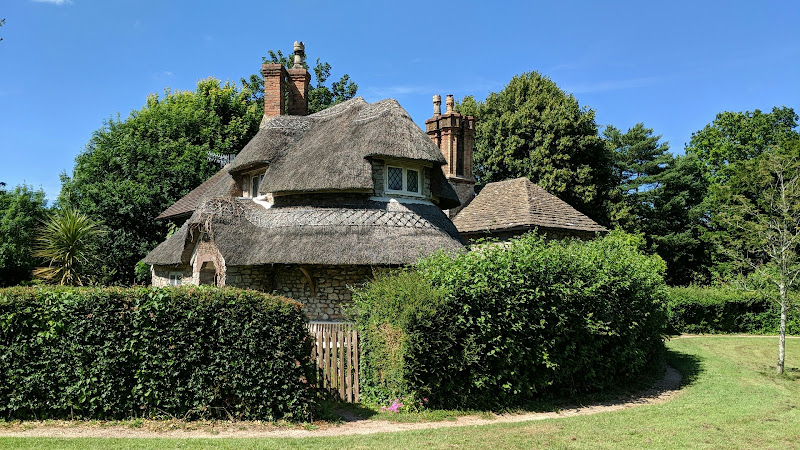
Tucked away on the edge of the Blaise Castle Estate in Henbury, Blaise Hamlet is an intimate cluster of nine early 19th-century cottages designed by Regency architect John Nash for retired employees of the Blaise estate. Set around a small, tranquil green with a central sundial, each cottage is uniquely picturesque β€” steep thatched roofs, arched doorways, dormer windows and charming garden walls give the hamlet a storybook quality. The cottages are Grade I listed and remain privately occupied, which adds to the sense of stepping into a lived-in slice of history rather than a staged attraction. Visitors come for more than architecture: the site offers a peaceful contrast to busy Bristol, photographic opportunities, and a glimpse into social history and early Victorian-era estate philanthropy. Combine a stroll through the hamlet with the wider Blaise Castle Estate parkland and house for a rewarding half-day outing that feels both relaxing and culturally rich.

Highlights & Key Features

  • Nine unique Regency-era cottages designed by John Nash
  • Picturesque central green with historic sundial
  • Grade I listed buildings and well-preserved period details
  • Set within the larger Blaise Castle Estate parkland
  • Accessible photographic and walking opportunities near Bristol

Visitor Guide & Information

Description

Blaise Hamlet stands as one of those rare architectural treasures that most people walk right past without ever knowing it exists. And honestly, that’s part of its charm. This collection of nine cottages built in the early 19th century represents architect John Nash’s vision of the Picturesque movement – a style that deliberately aimed to look rustic and slightly irregular, as if these little homes had sprouted organically from the English countryside rather than being carefully designed.

The hamlet was commissioned around 1810-1811 by John Scandrett Harford, a Quaker banker who wanted to provide retirement housing for his estate workers. Now, you might be thinking retirement cottages don’t sound particularly exciting, but trust me when I say Nash’s interpretation of worker housing was anything but ordinary. Each cottage looks different from its neighbors, with thatched roofs, decorative chimneys, and small diamond-paned windows that give off serious fairytale vibes. The cottages arrange themselves around a central green, creating this intimate village square that feels worlds away from modern Bristol.

What makes Blaise Hamlet genuinely special is how it captures this romanticized vision of rural life that was popular among wealthy Georgians. They wanted their workers housed in buildings that looked charmingly old-fashioned and pastoral, even when brand new. It’s a bit like set design, really – creating an idealized version of countryside living. Today the National Trust owns the property, and the cottages remain private residences, which means visitors can admire them from the outside but can’t peek inside. Some travelers find this frustrating, but there’s something rather poetic about these homes still serving their original purpose after more than two centuries.

Key Features

The Blaise Hamlet offers visitors several distinctive characteristics that set it apart from typical tourist attractions:

  • Architectural Significance: These cottages represent one of the earliest and finest examples of Picturesque architecture in England, with John Nash applying principles that would later influence garden suburb movements and cottage design across Britain and beyond
  • Individual Character: Each of the nine cottages has its own personality – different roof lines, unique chimney designs, and varied ornamental details that prevent any monotony despite the small scale of the hamlet
  • Living History: Unlike many heritage sites that function purely as museums, these cottages remain occupied private homes, adding an authentic lived-in quality that you can sense even from the exterior
  • Romantic Garden Setting: The central green and surrounding cottage gardens maintain that carefully cultivated β€œwild” aesthetic that Nash intended, with climbing plants, informal planting schemes, and mature trees framing the buildings
  • Thatched Roofs: The traditional thatching work showcases centuries-old building techniques, and if you visit at the right time you might even catch craftspeople maintaining these distinctive roofs
  • Compact Layout: The entire hamlet can be walked around in about fifteen minutes, making it perfect for travelers with limited time or those looking for a quick architectural fix between other Bristol attractions
  • Photographic Appeal: The cottages photograph beautifully in any season, offering that quintessentially English countryside aesthetic that travelers dream about
  • Historical Context: The site provides insight into early 19th-century social welfare concepts and how wealthy landowners viewed their responsibilities toward retired workers
  • Peaceful Atmosphere: Despite being technically within Bristol’s boundaries, Blaise Hamlet maintains a remarkably quiet, secluded feeling that contrasts sharply with urban environments

Best Time to Visit

Here’s where I get a bit opinionated – late spring through early autumn offers the most rewarding experience at Blaise Hamlet, roughly from May through September. During these months, the cottage gardens burst with growth, roses climb over doorways, and that Picturesque aesthetic Nash envisioned really comes alive. I personally think June hits the sweet spot when everything’s blooming but before the height of summer tourist crowds descend on Bristol’s better-known attractions.

But don’t completely write off autumn and winter visits. October brings this gorgeous golden light that makes the stone and thatch glow, and fallen leaves scattered across the green add their own rustic charm. Winter visits have a certain melancholy beauty, especially on crisp, clear days when frost outlines architectural details. The downside? Those shorter daylight hours mean you’ll need to plan carefully to catch good light for photographs.

Early mornings generally provide the best visiting conditions regardless of season. You’ll have the hamlet mostly to yourself, the light is typically softer and more flattering, and you’re less likely to feel awkward photographing what are, after all, people’s actual homes. Weekday visits tend to be quieter than weekends, though honestly Blaise Hamlet rarely feels crowded – it’s simply not on most tourists’ radar.

Weather considerations matter more here than at indoor attractions. The hamlet has no covered areas or facilities where you can shelter if rain hits, and muddy conditions can make the pathways around the green less pleasant. Check forecasts and plan accordingly. Summer afternoons can get quite warm with limited shade, so bring water since there aren’t facilities on-site.

School holiday periods don’t dramatically affect visitor numbers the way they might at theme parks or major museums, but you might encounter more families exploring the area. This isn’t necessarily negative – watching kids discover these storybook cottages can be genuinely delightful.

How to Get There

Getting to Blaise Hamlet requires a bit more effort than reaching Bristol’s central attractions, and I’ll be honest – this journey filters out casual visitors, which helps maintain the site’s peaceful character. The hamlet sits in the Henbury area, northwest of Bristol’s city center.

By car, you’re looking at roughly a 20-minute drive from central Bristol, traffic permitting. Parking presents the main challenge. There’s no dedicated visitor car park, and the narrow lanes surrounding the hamlet weren’t designed for modern vehicles. Limited street parking exists nearby, but please be considerate of residents. Many visitors combine Blaise Hamlet with nearby Blaise Castle Estate, which has proper parking facilities about a 15-minute walk away.

Public transportation works but requires patience. Several bus routes serve the Henbury area from Bristol city center, though you’ll still face a walk of 10-15 minutes from the nearest stops. The bus journey itself takes 30-40 minutes depending on traffic and your starting point. Check current routes and timetables before setting out since services change periodically.

Walking or cycling from the Blaise Castle Estate makes excellent sense if you’re already visiting that larger park area. The route takes you through pleasant surroundings, and combining both locations creates a more substantial outing that justifies the journey to this corner of Bristol. Cycling offers particular advantages given the parking limitations, though the hills in this area demand reasonable fitness levels.

Taxi or rideshare services provide the most straightforward option if you’re staying in central Bristol and want to visit specifically for the hamlet. This costs more than public transit but saves time and navigation hassles. Just be aware that arranging a return pickup might prove trickier since phone signals can be patchy, so plan ahead.

Tips for Visiting

First things first – manage your expectations about what this visit involves. You’re not entering the cottages, there’s no visitor center, no gift shop, and no guided tours. What you get is the experience of walking around a village green admiring beautiful architecture from the outside. Some travelers find this underwhelming after hyping themselves up, while others find the simplicity refreshing. Know which camp you’re likely to fall into before making the journey.

Photography deserves careful consideration since these are private homes. Yes, they’re heritage listed and yes, people photograph them constantly, but residents still deserve privacy and respect. Avoid peering into windows, keep reasonable distance from front doors, and be mindful if you see residents coming or going. The cottages photograph wonderfully from the central green without requiring intrusive angles. Early morning or early evening light provides the best conditions, avoiding harsh midday shadows.

Come prepared for basic outdoor conditions since there are literally no facilities on site. No restrooms, no water fountains, no benches, nothing. Use facilities before arriving, bring any refreshments you might want, and wear appropriate footwear since grass paths can get damp. This isn’t a place to spend three hours – most visitors find 20-40 minutes sufficient to walk around, photograph, and appreciate the architecture.

Background research dramatically enhances the experience. Reading up on John Nash, the Picturesque movement, and the hamlet’s history before visiting helps you notice details and understand design choices that might otherwise seem random. Many travelers mention feeling like they got more from their visit after learning about Nash’s other works and the social context of these retirement cottages.

Combine your visit with other nearby attractions to maximize your journey to this area. Blaise Castle Estate offers woodland walks, play areas, and the castle itself. The Avon Gorge and Clifton Suspension Bridge aren’t far if you’re driving. Building Blaise Hamlet into a broader Bristol itinerary makes logistical sense.

Respect the residents who call these cottages home. They didn’t choose to live in tourist attractions – they’re simply fortunate enough to inhabit architectural treasures. Keep voices down, don’t linger too long in front of any single cottage, and never knock on doors or attempt to peek inside. The more respectfully visitors behave, the more tolerant residents remain of tourist interest.

Weather contingency planning matters since there’s nowhere to shelter. If rain threatens, have a backup plan or be prepared to admire the cottages quickly then retreat. Conversely, sunny days call for sun protection since shade is limited around the central green.

Consider the season’s impact on how the cottages present themselves. Lush summer growth creates that romantic overgrown aesthetic but might obscure architectural details. Winter’s bare branches reveal structural elements more clearly but lack the garden charm. Neither is better or worse – just different, offering reasons to visit across multiple seasons if you’re an architecture enthusiast.

Finally, adjust your visit’s pace to match the location’s character. Blaise Hamlet isn’t about rushing from cottage to cottage checking boxes. It’s about slowing down, noticing how chimneys differ, observing how gardens complement buildings, and contemplating how these structures have sheltered people for over 200 years. Bring that mindset and you’ll find the experience considerably more rewarding than treating it as just another tourist stop to photograph and leave.

Community & Insider Notes

Last modified March 30, 2026

Description

Blaise Hamlet stands as one of those rare architectural treasures that most people walk right past without ever knowing it exists. And honestly, that’s part of its charm. This collection of nine cottages built in the early 19th century represents architect John Nash’s vision of the Picturesque movement – a style that deliberately aimed to look rustic and slightly irregular, as if these little homes had sprouted organically from the English countryside rather than being carefully designed.

The hamlet was commissioned around 1810-1811 by John Scandrett Harford, a Quaker banker who wanted to provide retirement housing for his estate workers. Now, you might be thinking retirement cottages don’t sound particularly exciting, but trust me when I say Nash’s interpretation of worker housing was anything but ordinary. Each cottage looks different from its neighbors, with thatched roofs, decorative chimneys, and small diamond-paned windows that give off serious fairytale vibes. The cottages arrange themselves around a central green, creating this intimate village square that feels worlds away from modern Bristol.

What makes Blaise Hamlet genuinely special is how it captures this romanticized vision of rural life that was popular among wealthy Georgians. They wanted their workers housed in buildings that looked charmingly old-fashioned and pastoral, even when brand new. It’s a bit like set design, really – creating an idealized version of countryside living. Today the National Trust owns the property, and the cottages remain private residences, which means visitors can admire them from the outside but can’t peek inside. Some travelers find this frustrating, but there’s something rather poetic about these homes still serving their original purpose after more than two centuries.

Key Features

The Blaise Hamlet offers visitors several distinctive characteristics that set it apart from typical tourist attractions:

  • Architectural Significance: These cottages represent one of the earliest and finest examples of Picturesque architecture in England, with John Nash applying principles that would later influence garden suburb movements and cottage design across Britain and beyond
  • Individual Character: Each of the nine cottages has its own personality – different roof lines, unique chimney designs, and varied ornamental details that prevent any monotony despite the small scale of the hamlet
  • Living History: Unlike many heritage sites that function purely as museums, these cottages remain occupied private homes, adding an authentic lived-in quality that you can sense even from the exterior
  • Romantic Garden Setting: The central green and surrounding cottage gardens maintain that carefully cultivated “wild” aesthetic that Nash intended, with climbing plants, informal planting schemes, and mature trees framing the buildings
  • Thatched Roofs: The traditional thatching work showcases centuries-old building techniques, and if you visit at the right time you might even catch craftspeople maintaining these distinctive roofs
  • Compact Layout: The entire hamlet can be walked around in about fifteen minutes, making it perfect for travelers with limited time or those looking for a quick architectural fix between other Bristol attractions
  • Photographic Appeal: The cottages photograph beautifully in any season, offering that quintessentially English countryside aesthetic that travelers dream about
  • Historical Context: The site provides insight into early 19th-century social welfare concepts and how wealthy landowners viewed their responsibilities toward retired workers
  • Peaceful Atmosphere: Despite being technically within Bristol’s boundaries, Blaise Hamlet maintains a remarkably quiet, secluded feeling that contrasts sharply with urban environments

Best Time to Visit

Here’s where I get a bit opinionated – late spring through early autumn offers the most rewarding experience at Blaise Hamlet, roughly from May through September. During these months, the cottage gardens burst with growth, roses climb over doorways, and that Picturesque aesthetic Nash envisioned really comes alive. I personally think June hits the sweet spot when everything’s blooming but before the height of summer tourist crowds descend on Bristol’s better-known attractions.

But don’t completely write off autumn and winter visits. October brings this gorgeous golden light that makes the stone and thatch glow, and fallen leaves scattered across the green add their own rustic charm. Winter visits have a certain melancholy beauty, especially on crisp, clear days when frost outlines architectural details. The downside? Those shorter daylight hours mean you’ll need to plan carefully to catch good light for photographs.

Early mornings generally provide the best visiting conditions regardless of season. You’ll have the hamlet mostly to yourself, the light is typically softer and more flattering, and you’re less likely to feel awkward photographing what are, after all, people’s actual homes. Weekday visits tend to be quieter than weekends, though honestly Blaise Hamlet rarely feels crowded – it’s simply not on most tourists’ radar.

Weather considerations matter more here than at indoor attractions. The hamlet has no covered areas or facilities where you can shelter if rain hits, and muddy conditions can make the pathways around the green less pleasant. Check forecasts and plan accordingly. Summer afternoons can get quite warm with limited shade, so bring water since there aren’t facilities on-site.

School holiday periods don’t dramatically affect visitor numbers the way they might at theme parks or major museums, but you might encounter more families exploring the area. This isn’t necessarily negative – watching kids discover these storybook cottages can be genuinely delightful.

How to Get There

Getting to Blaise Hamlet requires a bit more effort than reaching Bristol’s central attractions, and I’ll be honest – this journey filters out casual visitors, which helps maintain the site’s peaceful character. The hamlet sits in the Henbury area, northwest of Bristol’s city center.

By car, you’re looking at roughly a 20-minute drive from central Bristol, traffic permitting. Parking presents the main challenge. There’s no dedicated visitor car park, and the narrow lanes surrounding the hamlet weren’t designed for modern vehicles. Limited street parking exists nearby, but please be considerate of residents. Many visitors combine Blaise Hamlet with nearby Blaise Castle Estate, which has proper parking facilities about a 15-minute walk away.

Public transportation works but requires patience. Several bus routes serve the Henbury area from Bristol city center, though you’ll still face a walk of 10-15 minutes from the nearest stops. The bus journey itself takes 30-40 minutes depending on traffic and your starting point. Check current routes and timetables before setting out since services change periodically.

Walking or cycling from the Blaise Castle Estate makes excellent sense if you’re already visiting that larger park area. The route takes you through pleasant surroundings, and combining both locations creates a more substantial outing that justifies the journey to this corner of Bristol. Cycling offers particular advantages given the parking limitations, though the hills in this area demand reasonable fitness levels.

Taxi or rideshare services provide the most straightforward option if you’re staying in central Bristol and want to visit specifically for the hamlet. This costs more than public transit but saves time and navigation hassles. Just be aware that arranging a return pickup might prove trickier since phone signals can be patchy, so plan ahead.

Tips for Visiting

First things first – manage your expectations about what this visit involves. You’re not entering the cottages, there’s no visitor center, no gift shop, and no guided tours. What you get is the experience of walking around a village green admiring beautiful architecture from the outside. Some travelers find this underwhelming after hyping themselves up, while others find the simplicity refreshing. Know which camp you’re likely to fall into before making the journey.

Photography deserves careful consideration since these are private homes. Yes, they’re heritage listed and yes, people photograph them constantly, but residents still deserve privacy and respect. Avoid peering into windows, keep reasonable distance from front doors, and be mindful if you see residents coming or going. The cottages photograph wonderfully from the central green without requiring intrusive angles. Early morning or early evening light provides the best conditions, avoiding harsh midday shadows.

Come prepared for basic outdoor conditions since there are literally no facilities on site. No restrooms, no water fountains, no benches, nothing. Use facilities before arriving, bring any refreshments you might want, and wear appropriate footwear since grass paths can get damp. This isn’t a place to spend three hours – most visitors find 20-40 minutes sufficient to walk around, photograph, and appreciate the architecture.

Background research dramatically enhances the experience. Reading up on John Nash, the Picturesque movement, and the hamlet’s history before visiting helps you notice details and understand design choices that might otherwise seem random. Many travelers mention feeling like they got more from their visit after learning about Nash’s other works and the social context of these retirement cottages.

Combine your visit with other nearby attractions to maximize your journey to this area. Blaise Castle Estate offers woodland walks, play areas, and the castle itself. The Avon Gorge and Clifton Suspension Bridge aren’t far if you’re driving. Building Blaise Hamlet into a broader Bristol itinerary makes logistical sense.

Respect the residents who call these cottages home. They didn’t choose to live in tourist attractions – they’re simply fortunate enough to inhabit architectural treasures. Keep voices down, don’t linger too long in front of any single cottage, and never knock on doors or attempt to peek inside. The more respectfully visitors behave, the more tolerant residents remain of tourist interest.

Weather contingency planning matters since there’s nowhere to shelter. If rain threatens, have a backup plan or be prepared to admire the cottages quickly then retreat. Conversely, sunny days call for sun protection since shade is limited around the central green.

Consider the season’s impact on how the cottages present themselves. Lush summer growth creates that romantic overgrown aesthetic but might obscure architectural details. Winter’s bare branches reveal structural elements more clearly but lack the garden charm. Neither is better or worse – just different, offering reasons to visit across multiple seasons if you’re an architecture enthusiast.

Finally, adjust your visit’s pace to match the location’s character. Blaise Hamlet isn’t about rushing from cottage to cottage checking boxes. It’s about slowing down, noticing how chimneys differ, observing how gardens complement buildings, and contemplating how these structures have sheltered people for over 200 years. Bring that mindset and you’ll find the experience considerably more rewarding than treating it as just another tourist stop to photograph and leave.

Key Highlights

  • Nine unique Regency-era cottages designed by John Nash
  • Picturesque central green with historic sundial
  • Grade I listed buildings and well-preserved period details
  • Set within the larger Blaise Castle Estate parkland
  • Accessible photographic and walking opportunities near Bristol

Location

Places to Stay Near Blaise Hamlet

Find and Book a Tour

Explore More Travel Guides

No reviews found! Be the first to review!

Select a Rating5 Stars4 Stars3 Stars2 Stars1 Star

Blaise Hamlet is a prominent attractions located in Bristol.

Visit us at: Hallen Rd, Henbury, Bristol BS10 7QY, United Kingdom.

Nearby Attractions (Within 5 km)

Explore verified points of interest within walking or short transit distance.

No neighboring places mapped within 5 km yet.

Find Places to Stay Nearby

Stay22 provides this accommodation search. We may earn a commission if you book through it; verify current prices and terms with the provider.

Recommended Experiences & Activities

GetYourGuide provides this tour inventory. We may earn a commission if you book through it; verify current availability, prices, and terms with the provider.

Top Viator Experiences & Guided Tours in Bristol

We may earn a commission if you book through links on this page at no extra cost to you. All tours feature verified customer reviews and flexible cancellation options.

Traveler Reviews & Community Q&A

No traveler reviews yet. Share your experience below!

No traveler questions yet. Be the first to ask a local!

Real Journey Travels Community