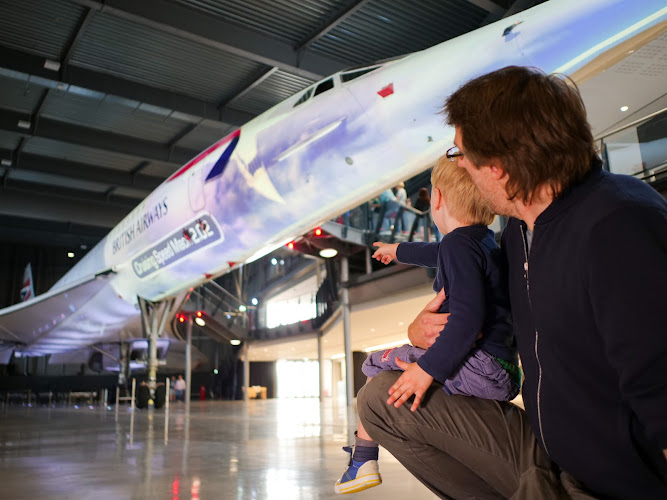
Perched at Filton on the northern edge of Bristol, Aerospace Bristol is a hands-on, narrative-driven museum celebrating the city’s world-class aviation heritage. Housed beside the historic Filton Airfield, the museum’s headline attraction is Concorde Alpha Foxtrot — the last Concorde ever built and the final one to fly — allowing visitors to step aboard a supersonic legend. Exhibits trace Bristol’s role from early flight and local engineering firms through military aircraft design to space-age innovation, with interactive displays, original artefacts and archival material that bring complex engineering stories to life. The venue blends family-friendly activities and serious technical detail, making it appealing to aviation enthusiasts, families and curious travellers alike. With a mix of immersive galleries, educational programming and special exhibitions, Aerospace Bristol offers a compact but richly textured visit that illuminates how one city helped shape global aerospace history — a must for anyone interested in design, technology and the human stories behind flight.
Highlights & Key Features
Concorde Alpha Foxtrot – step aboard the last Concorde to fly
Displays and artefacts from Bristol’s aviation and aerospace companies
Exhibits located on the historic Filton Airfield site
Special exhibitions, educational programmes and events
Visitor Guide & Information
Description
Aerospace Bristol stands as one of the most remarkable aviation museums in the United Kingdom, and honestly, it’s a place that deserves way more attention than it sometimes gets. Located in the historic city of Bristol, this museum celebrates the region’s extraordinary contribution to aerospace engineering and aviation history. The star of the show? The last Concorde ever built, and you can actually walk inside it – which is pretty mind-blowing when you think about it.
The museum occupies a purpose-built facility that opened in 2017, bringing together decades of Bristol’s aerospace heritage under one impressive roof. What makes this place special isn’t just the aircraft on display, though there are plenty of those. It’s the story it tells about human ingenuity, innovation, and that relentless drive to push boundaries that defined the 20th century’s aerospace industry. Bristol has been at the heart of British aviation since the early 1900s, and this museum captures that legacy in a way that feels both educational and genuinely exciting.
The collection spans over a century of aviation achievements, from early biplanes to supersonic passenger jets. And while Concorde Alpha Foxtrot gets most of the glory – rightfully so, because it’s absolutely stunning – the museum houses around 100 aircraft and aerospace-related exhibits that chronicle the evolution of flight. You’ll find everything from helicopters to fighter jets, engines that powered historic flights, and interactive displays that explain the science behind getting these massive machines off the ground.
What strikes visitors most is how the museum manages to balance technical detail with accessibility. You don’t need to be an aviation enthusiast to appreciate what’s on offer here. The exhibits are designed to engage everyone from young children experiencing their first museum visit to retired engineers who worked on these very aircraft. That’s actually quite a difficult balance to achieve, but Aerospace Bristol pulls it off remarkably well.
Key Features
The museum offers an impressive array of attractions and facilities that make it worth the visit:
• Concorde Alpha Foxtrot, the last Concorde ever built, displayed in a dedicated hangar where visitors can board the aircraft and experience the surprisingly compact passenger cabin
• Over 100 aircraft and aerospace exhibits spanning more than a century of aviation innovation
• Interactive galleries that explain the principles of flight, engineering challenges, and Bristol’s pivotal role in aerospace development
• A dedicated children’s area with hands-on activities that make learning about flight engaging for younger visitors
• Regular guided tours led by knowledgeable staff, many of whom have personal connections to Bristol’s aerospace industry
• Temporary exhibition spaces featuring rotating displays on various aviation and space exploration themes
• A full-service cafe and restaurant offering meals and refreshments throughout the day
• An extensive gift shop stocked with aviation-themed merchandise, books, and educational toys
• Wheelchair accessibility throughout the facility, including adapted access to most aircraft
• Free on-site parking for all visitors
• Theater presentations and educational films about aviation history
• Changing tables and family facilities that make visiting with young children considerably easier
• Free Wi-Fi throughout the museum complex
Best Time to Visit
Here’s the thing about museum visiting – timing really does matter, even when you’re indoors. Aerospace Bristol can get quite busy during school holidays, particularly during the summer months and around Easter. If you’re looking for a more relaxed experience where you can really take your time exploring the exhibits without navigating through crowds of excitable school groups, weekday mornings during term time are your best bet.
The museum tends to see its quietest periods during January and February, which actually makes these months ideal for a visit if you don’t mind the colder weather outside. You’ll have more space to explore, shorter wait times for boarding Concorde, and a generally more peaceful atmosphere. But honestly, there’s something quite nice about visiting during those darker winter months when you can escape the weather and immerse yourself in the warm, well-lit exhibition halls.
Weekend afternoons typically see the highest visitor numbers, especially on Saturdays. Sunday mornings can be surprisingly quiet though, as many families are occupied with other activities. If weekends are your only option, arriving right when the doors open gives you a solid hour or two before the crowds build up.
School holiday periods transform the museum into a much livelier environment. Depending on your perspective, this could be either appealing or something to avoid. The energy level certainly increases, and the children’s areas buzz with activity. For families with kids, this can actually enhance the experience – your children won’t feel self-conscious about being enthusiastic, and there’s a sense of shared excitement in the air.
The museum also hosts special events throughout the year, including evening openings, lectures by aviation experts, and commemorative events tied to significant dates in aerospace history. These can offer a completely different experience from a standard daytime visit and are worth checking out if you’re particularly interested in aviation history.
How to Get There
Getting to Aerospace Bristol is relatively straightforward, though you’ll want to plan your route depending on where you’re traveling from. The museum sits in Filton, on the northern edge of Bristol, which has its own interesting history as the site of the former British Aerospace works where many of the museum’s aircraft were actually built.
If you’re driving, the museum is well signposted from the M4 and M5 motorways. From the M4, take Junction 19 and follow the A4174 towards Bristol. From the M5, Junction 16 leads onto the A38, which connects to the route to Filton. The museum provides free on-site parking, which is honestly a blessing given how expensive parking can be at many UK attractions these days. The car park is spacious enough to accommodate most visitors, though it does fill up on busy days.
For those relying on public transport, it’s a bit more involved but definitely doable. Bristol Parkway railway station is the closest major train station, about three miles from the museum. From there, you can catch a bus or taxi. The local bus services connect central Bristol to Filton, though you’ll want to check current routes and timetables before setting out. The X1 and 73 bus routes have historically served the area, but bus services do change fairly regularly.
Bristol Temple Meads, the city’s main railway station, offers more frequent connections to other parts of the UK but sits further from the museum. You’ll need to combine train and bus travel or take a taxi for the final leg. Taxis from central Bristol to the museum typically cost between £15-25, depending on traffic.
If you’re flying into Bristol Airport, you’re looking at roughly a 30-40 minute drive to the museum. Hiring a car at the airport gives you the most flexibility, especially if you’re planning to explore other parts of Bristol and the surrounding area during your visit.
Tips for Visiting
Booking tickets online in advance isn’t just recommended – it’s pretty much essential, especially during peak periods. The museum uses a timed entry system that helps manage visitor numbers and ensures everyone gets a quality experience. Plus, you’ll often find that advance tickets are slightly cheaper than paying at the door.
Allow yourself at least three to four hours for a thorough visit. I know that sounds like a long time, but trust me, it goes quickly. Between exploring the main exhibition halls, touring Concorde, watching films in the theater, and grabbing something to eat, you’ll easily fill that time. And if you’re particularly interested in aviation or visiting with children who want to try all the interactive exhibits, you could happily spend an entire day here.
The cafe and restaurant on site serve decent food at reasonable prices for a museum venue. However, if you’re on a tight budget, there’s no restriction on bringing your own snacks. The outdoor areas near the entrance have some seating where you can have a picnic before or after your visit.
Wear comfortable shoes. This sounds obvious, but the museum covers a substantial area, and you’ll be on your feet for most of your visit. The floors are concrete in many areas, which can be tiring after a couple of hours of walking around.
Photography is allowed throughout the museum, which is fantastic because you’ll definitely want to capture some memories. The lighting can be challenging in some areas, so if you’re serious about getting good photos, consider the limitations of your camera or phone.
If you’re visiting with children, pace yourselves. The kids’ areas are excellent, but younger children can get overstimulated with so much to see and do. Taking breaks and maybe splitting your visit with some outdoor time in the surrounding area can help maintain everyone’s energy and enthusiasm.
The guided tours are absolutely worth joining if you have the opportunity. The guides often have personal connections to Bristol’s aerospace industry or deep knowledge of specific aircraft, and they share stories and details you won’t get from reading the information panels alone. These tours are included in your admission price, so you’re getting extra value.
Don’t skip the smaller exhibits in favor of just seeing Concorde. Yes, the supersonic jet is the headline attraction, but some of the most fascinating stories are told in the other galleries. The exhibits on helicopter development, the Bristol Brabazon, and the various military aircraft all deserve attention.
Check the museum’s event calendar before visiting. Special demonstrations, talks by former pilots and engineers, and themed family activities happen regularly and can really enhance your visit. Some events require separate booking or have limited spaces, so planning ahead pays off.
The gift shop is surprisingly good and stocks items beyond the usual museum tat. If you’re looking for thoughtful gifts for aviation enthusiasts or educational toys for children, it’s worth browsing. They stock some excellent books on aviation history too.
Finally, be patient with the Concorde boarding process. Everyone wants to see inside, and the aircraft’s narrow fuselage means only a limited number of people can move through at once. During busy periods, there might be a short wait, but it’s absolutely worth it. Standing inside a piece of engineering history that flew at twice the speed of sound is an experience you won’t forget.
Aerospace Bristol stands as one of the most remarkable aviation museums in the United Kingdom, and honestly, it’s a place that deserves way more attention than it sometimes gets. Located in the historic city of Bristol, this museum celebrates the region’s extraordinary contribution to aerospace engineering and aviation history. The star of the show? The last Concorde ever built, and you can actually walk inside it – which is pretty mind-blowing when you think about it.
The museum occupies a purpose-built facility that opened in 2017, bringing together decades of Bristol’s aerospace heritage under one impressive roof. What makes this place special isn’t just the aircraft on display, though there are plenty of those. It’s the story it tells about human ingenuity, innovation, and that relentless drive to push boundaries that defined the 20th century’s aerospace industry. Bristol has been at the heart of British aviation since the early 1900s, and this museum captures that legacy in a way that feels both educational and genuinely exciting.
The collection spans over a century of aviation achievements, from early biplanes to supersonic passenger jets. And while Concorde Alpha Foxtrot gets most of the glory – rightfully so, because it’s absolutely stunning – the museum houses around 100 aircraft and aerospace-related exhibits that chronicle the evolution of flight. You’ll find everything from helicopters to fighter jets, engines that powered historic flights, and interactive displays that explain the science behind getting these massive machines off the ground.
What strikes visitors most is how the museum manages to balance technical detail with accessibility. You don’t need to be an aviation enthusiast to appreciate what’s on offer here. The exhibits are designed to engage everyone from young children experiencing their first museum visit to retired engineers who worked on these very aircraft. That’s actually quite a difficult balance to achieve, but Aerospace Bristol pulls it off remarkably well.
Key Features
The museum offers an impressive array of attractions and facilities that make it worth the visit:
• Concorde Alpha Foxtrot, the last Concorde ever built, displayed in a dedicated hangar where visitors can board the aircraft and experience the surprisingly compact passenger cabin
• Over 100 aircraft and aerospace exhibits spanning more than a century of aviation innovation
• Interactive galleries that explain the principles of flight, engineering challenges, and Bristol’s pivotal role in aerospace development
• A dedicated children’s area with hands-on activities that make learning about flight engaging for younger visitors
• Regular guided tours led by knowledgeable staff, many of whom have personal connections to Bristol’s aerospace industry
• Temporary exhibition spaces featuring rotating displays on various aviation and space exploration themes
• A full-service cafe and restaurant offering meals and refreshments throughout the day
• An extensive gift shop stocked with aviation-themed merchandise, books, and educational toys
• Wheelchair accessibility throughout the facility, including adapted access to most aircraft
• Free on-site parking for all visitors
• Theater presentations and educational films about aviation history
• Changing tables and family facilities that make visiting with young children considerably easier
• Free Wi-Fi throughout the museum complex
Best Time to Visit
Here’s the thing about museum visiting – timing really does matter, even when you’re indoors. Aerospace Bristol can get quite busy during school holidays, particularly during the summer months and around Easter. If you’re looking for a more relaxed experience where you can really take your time exploring the exhibits without navigating through crowds of excitable school groups, weekday mornings during term time are your best bet.
The museum tends to see its quietest periods during January and February, which actually makes these months ideal for a visit if you don’t mind the colder weather outside. You’ll have more space to explore, shorter wait times for boarding Concorde, and a generally more peaceful atmosphere. But honestly, there’s something quite nice about visiting during those darker winter months when you can escape the weather and immerse yourself in the warm, well-lit exhibition halls.
Weekend afternoons typically see the highest visitor numbers, especially on Saturdays. Sunday mornings can be surprisingly quiet though, as many families are occupied with other activities. If weekends are your only option, arriving right when the doors open gives you a solid hour or two before the crowds build up.
School holiday periods transform the museum into a much livelier environment. Depending on your perspective, this could be either appealing or something to avoid. The energy level certainly increases, and the children’s areas buzz with activity. For families with kids, this can actually enhance the experience – your children won’t feel self-conscious about being enthusiastic, and there’s a sense of shared excitement in the air.
The museum also hosts special events throughout the year, including evening openings, lectures by aviation experts, and commemorative events tied to significant dates in aerospace history. These can offer a completely different experience from a standard daytime visit and are worth checking out if you’re particularly interested in aviation history.
How to Get There
Getting to Aerospace Bristol is relatively straightforward, though you’ll want to plan your route depending on where you’re traveling from. The museum sits in Filton, on the northern edge of Bristol, which has its own interesting history as the site of the former British Aerospace works where many of the museum’s aircraft were actually built.
If you’re driving, the museum is well signposted from the M4 and M5 motorways. From the M4, take Junction 19 and follow the A4174 towards Bristol. From the M5, Junction 16 leads onto the A38, which connects to the route to Filton. The museum provides free on-site parking, which is honestly a blessing given how expensive parking can be at many UK attractions these days. The car park is spacious enough to accommodate most visitors, though it does fill up on busy days.
For those relying on public transport, it’s a bit more involved but definitely doable. Bristol Parkway railway station is the closest major train station, about three miles from the museum. From there, you can catch a bus or taxi. The local bus services connect central Bristol to Filton, though you’ll want to check current routes and timetables before setting out. The X1 and 73 bus routes have historically served the area, but bus services do change fairly regularly.
Bristol Temple Meads, the city’s main railway station, offers more frequent connections to other parts of the UK but sits further from the museum. You’ll need to combine train and bus travel or take a taxi for the final leg. Taxis from central Bristol to the museum typically cost between £15-25, depending on traffic.
If you’re flying into Bristol Airport, you’re looking at roughly a 30-40 minute drive to the museum. Hiring a car at the airport gives you the most flexibility, especially if you’re planning to explore other parts of Bristol and the surrounding area during your visit.
Tips for Visiting
Booking tickets online in advance isn’t just recommended – it’s pretty much essential, especially during peak periods. The museum uses a timed entry system that helps manage visitor numbers and ensures everyone gets a quality experience. Plus, you’ll often find that advance tickets are slightly cheaper than paying at the door.
Allow yourself at least three to four hours for a thorough visit. I know that sounds like a long time, but trust me, it goes quickly. Between exploring the main exhibition halls, touring Concorde, watching films in the theater, and grabbing something to eat, you’ll easily fill that time. And if you’re particularly interested in aviation or visiting with children who want to try all the interactive exhibits, you could happily spend an entire day here.
The cafe and restaurant on site serve decent food at reasonable prices for a museum venue. However, if you’re on a tight budget, there’s no restriction on bringing your own snacks. The outdoor areas near the entrance have some seating where you can have a picnic before or after your visit.
Wear comfortable shoes. This sounds obvious, but the museum covers a substantial area, and you’ll be on your feet for most of your visit. The floors are concrete in many areas, which can be tiring after a couple of hours of walking around.
Photography is allowed throughout the museum, which is fantastic because you’ll definitely want to capture some memories. The lighting can be challenging in some areas, so if you’re serious about getting good photos, consider the limitations of your camera or phone.
If you’re visiting with children, pace yourselves. The kids’ areas are excellent, but younger children can get overstimulated with so much to see and do. Taking breaks and maybe splitting your visit with some outdoor time in the surrounding area can help maintain everyone’s energy and enthusiasm.
The guided tours are absolutely worth joining if you have the opportunity. The guides often have personal connections to Bristol’s aerospace industry or deep knowledge of specific aircraft, and they share stories and details you won’t get from reading the information panels alone. These tours are included in your admission price, so you’re getting extra value.
Don’t skip the smaller exhibits in favor of just seeing Concorde. Yes, the supersonic jet is the headline attraction, but some of the most fascinating stories are told in the other galleries. The exhibits on helicopter development, the Bristol Brabazon, and the various military aircraft all deserve attention.
Check the museum’s event calendar before visiting. Special demonstrations, talks by former pilots and engineers, and themed family activities happen regularly and can really enhance your visit. Some events require separate booking or have limited spaces, so planning ahead pays off.
The gift shop is surprisingly good and stocks items beyond the usual museum tat. If you’re looking for thoughtful gifts for aviation enthusiasts or educational toys for children, it’s worth browsing. They stock some excellent books on aviation history too.
Finally, be patient with the Concorde boarding process. Everyone wants to see inside, and the aircraft’s narrow fuselage means only a limited number of people can move through at once. During busy periods, there might be a short wait, but it’s absolutely worth it. Standing inside a piece of engineering history that flew at twice the speed of sound is an experience you won’t forget.
Key Highlights
Concorde Alpha Foxtrot – step aboard the last Concorde to fly
Aerospace Bristol: Step Aboard Concorde and 100+ Years of Bristol Aviation
Location: Hayes Way, Patchway, Bristol BS34 5BZ, United Kingdom (51.5233893, -2.5779715)
What it is: A modern aerospace museum on the historic Filton airfield, home to Concorde Alpha Foxtrot (G-BOAF)—the last Concorde built and the final one to fly—plus galleries spanning early flight, wartime engineering, the jet age, and space.Wikipedia
Why Go
If you’re curious about aviation you can actually walk under, around, and inside—this is the Bristol experience to prioritize. The museum combines a Grade II-listed WWI hangar filled with interactive galleries and restoration projects with a separate, purpose-built Concorde hangar. You get both deep engineering history and a signature, only-in-Bristol moment on Concorde.Wikipedia
Unmissable Highlights
1) Concorde Alpha Foxtrot
The final Concorde to be built and the last to fly. The aircraft is displayed in a dedicated hangar with interpretation explaining Concorde’s Bristol roots, design breakthroughs, and flying experience.Wikipedia
2) The WWI Hangar & Core Galleries
Housed in a Grade II-listed First World War hangar, the “timeline” galleries trace more than a century of aviation—from pioneers and box-kites to jets and space. Expect interactive exhibits, archive media, and significant Bristol-built aircraft and engines.Wikipedia
3) Conservation in Action
A working restoration space lets you watch volunteers conserve historic Bristol aircraft (e.g., Bristol Freighter/Fighter/Bolingbroke) and ask questions—excellent for engineering-minded visitors.Aerospace Bristol
4) Family Features
Kids’ activity trails, interactive displays, and an outdoor aeroplane-themed playground keep energy high; it’s a full half-day visit for families.Aerospace Bristol
Practical Planning (Hours, Tickets, Facilities)
Opening Hours
Generally 7 days a week, 10:00–16:30, with occasional changes for events or maintenance. Always check the official page before you go for date-specific exceptions.Aerospace Bristol
Ticket Prices & Good-to-Know
Adult (18+): £20 online / £22 at admissions
Child (4–17): £13.50 online / £15 at admissions
Student: £18 online / £20 at admissions
Under-4s & dedicated carers: Free
12-month free return included with a standard ticket (a strong value if you’ll be back in Bristol). Promotional offers may appear seasonally; pricing and offers can change—confirm on the museum site on the day you book.Aerospace Bristol
Accessibility
Wheelchair-friendly routes and café, benches throughout, accessible toilets, and Changing Places facilities.
Two wheelchairs available on request (pre-book recommended).Aerospace Bristol
Getting There (No Fuss Directions)
By Train + Bus/Taxi
Bristol Parkway is the nearest major station (~2.1 miles). From there, you can take a local bus or taxi to the museum.Aerospace Bristol
By Bus (from City Centre or Parkway)
From Bristol Parkway: First Y6 towards Cribbs Causeway → alight High Leaze Road (hourly service).
From Bristol City Centre: First 75 towards Cribbs Causeway → alight Gipsy Patch Lane; or Y6 towards Chipping Sodbury → alight Charlton Boulevard.
The nearest stops include Gipsy Patch Lane, High Leaze Road, Callicroft Road, and Charlton Boulevard—each about ½ mile with posted walking routes.Aerospace Bristol
By Car (and Parking)
Follow brown “Aerospace Bristol” signs from M5 J16/J17 or the A38 Filton Roundabout.
Free on-site parking is offered; there are donation points that support upkeep of the car park and outdoor play area.
Note: Hayes Way is a dual carriageway—depending on approach, you may need to pass the entrance and loop back at the roundabout. The entrance is just after Lidl.
The museum confirms it is outside Bristol’s ULEZ.Aerospace Bristol
Inside the Galleries: What You’ll Actually See
Bristol-built aircraft across eras, including early types (e.g., Bristol Scout/Boxkite replicas), inter-war and WWII subjects (e.g., Bristol Fighter; Bolingbroke—the Canadian-built Blenheim under restoration), plus a Sea Harrier linked to local aerospace history.
Engines and powerplants from the piston to the jet era, showing how Bristol’s engineering firms shaped British aviation and space-age propulsion.
Bristol motor vehicles and scale models add context to the region’s broader engineering story. (Specific displays under restoration or rotation can vary.)Wikipedia
On-Site Food & Amenities
Flightline Kitchen + Bar serves hot/cold drinks, sandwiches, meals, and bakes—useful if you’re timing your Concorde visit around lunch or bringing kids.Aerospace Bristol
Tips for a Smoother Visit
Book online for savings vs. walk-up and to lock in entry during peak family periods; your ticket includes 12 months of free returns, handy for Bristol frequent-flyers.Aerospace Bristol
Start with Concorde, then loop back to the WWI hangar. The Concorde hangar is the emotional high point; seeing it early avoids fatigue.
Allow 2.5–4 hours if you like to read interpretive panels and watch restoration work.
Check the “Opening Hours” page before you go—private events and training days are listed there and can alter access.Aerospace Bristol
If you’re car-free: route via Bristol Parkway + Y6 or City Centre + 75; the museum provides step-by-step walking directions from each stop.Aerospace Bristol
Responsible & Inclusive Visiting Notes
The museum actively works with local communities to expand representation in collections and interpretation; recent outreach included oral history projects with diverse Bristol groups. That’s a positive sign for inclusive storytelling—and it’s ongoing.Charity Register
For visitors with access needs, the dedicated accessibility page is detailed and current; consider pre-booking a wheelchair if needed.Aerospace Bristol
Hours & closures: verify the Opening Hours page for the exact date of your visit.Aerospace Bristol
Tickets & pricing: confirm live pricing and any limited-time offers on the Tickets page before purchase.Aerospace Bristol
Transport: bus routes and frequencies can change—cross-check the museum’s Find Us page on the same day.Aerospace Bristol
Sources
Official museum pages and reputable references were used to ensure accuracy as of October 30, 2025: opening hours, pricing, accessibility, “find us”/transport, café details, conservation workshop, and collection overview.Aerospace Bristol
Explore verified points of interest within walking or short transit distance.
No neighboring places mapped within 5 km yet.
Find Places to Stay Nearby
Stay22 provides this accommodation search. We may earn a commission if you book through it; verify current prices and terms with the provider.
🗺️
Interactive accommodation map requires marketing cookies to display live rates.
Recommended Experiences & Activities
GetYourGuide provides this tour inventory. We may earn a commission if you book through it; verify current availability, prices, and terms with the provider.
Top Viator Experiences & Guided Tours in Bristol
We may earn a commission if you book through links on this page at no extra cost to you. All tours feature verified customer reviews and flexible cancellation options.
 Real Journey Travels