
Palestine Museum & Cultural Centre
About Palestine Museum & Cultural Centre
Description
The Palestine Museum & Cultural Centre stands as an important repository of Palestinian heritage and contemporary cultural expression. I've always found that museums focused on specific cultural narratives have this particular weight to them - they're not just buildings with artifacts, they're living testimonies to resilience and identity. This institution serves that exact purpose, offering travelers a chance to understand Palestinian history, art, and culture through carefully curated exhibitions and educational programming. What makes this museum particularly significant is its role in preserving and sharing stories that might otherwise remain untold. The center doesn't just display objects behind glass cases; it creates an immersive experience where visitors can engage with Palestinian culture on multiple levels. From historical artifacts that trace back centuries to contemporary art installations that speak to modern Palestinian experiences, the museum bridges past and present in ways that really resonate with thoughtful travelers. The facility has earned considerable recognition among visitors, with many describing their experience as eye-opening and deeply moving. And honestly, that's exactly what a good cultural institution should do - challenge your perspectives while educating you. The museum achieves this through its thoughtful curation and the dedication of its staff, who bring these stories to life through their knowledge and passion. For travelers seeking authentic cultural experiences beyond typical tourist attractions, the Palestine Museum & Cultural Centre offers something genuinely meaningful. It's the kind of place where you might plan to spend an hour but end up staying three because there's just so much to absorb and process. The exhibitions rotate regularly, which means even repeat visitors often discover new perspectives and previously unseen collections.Key Features
The Palestine Museum & Cultural Centre distinguishes itself through several noteworthy characteristics that enhance the visitor experience:- Comprehensive historical exhibitions that document Palestinian heritage through various periods, providing context that many travelers might not encounter elsewhere
- Contemporary art galleries featuring works by Palestinian artists that offer fresh perspectives on cultural identity and modern experiences
- Educational programs and workshops that allow visitors to engage more deeply with Palestinian culture beyond passive observation
- Onsite services that enhance the overall visit, making it easier for travelers to spend extended time exploring the collections
- Family-friendly environment that welcomes visitors of all ages, with content and displays appropriate for children while remaining engaging for adults
- Rotating exhibitions that ensure fresh content and new perspectives with each visit, reflecting the dynamic nature of Palestinian culture
- Archival materials and documentation that serve researchers and curious travelers interested in deeper historical investigation
- Cultural events and special programming that coincide with significant dates and celebrations in Palestinian heritage
- Multilingual interpretation in many exhibits, accommodating international visitors who want to understand the full context of what they're viewing
- Photography collections that document everyday Palestinian life across different eras, offering intimate glimpses into personal and communal experiences
Best Time to Visit
Planning when to visit the Palestine Museum & Cultural Centre can significantly impact your experience. From what I've gathered through various visitor accounts and practical considerations, weekday mornings tend to offer the most peaceful atmosphere for those who prefer contemplative exploration without large crowds. There's something to be said for wandering through exhibits when you can really take your time without feeling rushed or jostled. That said, weekends often feature special programming and cultural events that can add another dimension to your visit. If you're interested in meeting locals and experiencing the museum as a living community space rather than just a quiet gallery, weekend afternoons might actually serve you better despite the increased foot traffic. The museum tends to see fewer international tourists during the shoulder seasons, but local visitation remains steady throughout the year. This creates interesting dynamics depending on what you're seeking. Summer months can get quite busy with school groups and families, which adds energy but might make detailed examination of exhibits more challenging. Special exhibitions often debut during significant cultural periods, and timing your visit to coincide with these openings can provide access to unique collections not available year-round. I'd recommend checking their programming calendar before finalizing your travel dates if you're particularly interested in specific aspects of Palestinian culture or history. Weather-wise, spring and fall offer the most comfortable conditions for exploring the area around the museum before or after your visit. The moderate temperatures make it pleasant to spend the whole day in the vicinity without the intense heat that can make summer afternoons somewhat draining. But honestly? The "best" time really depends on your personal travel style. If you're someone who thrives on bustling cultural energy, don't shy away from peak times. If you're more introspective and want space to really absorb what you're experiencing, those quieter weekday mornings are golden.How to Get There
Reaching the Palestine Museum & Cultural Centre requires some planning, but it's definitely manageable for determined travelers. The museum's location means you'll need to research current access conditions before your trip, as circumstances can change and what worked for previous visitors might need adjustment. Many travelers find that hiring a local guide or driver provides the smoothest experience, especially for first-time visitors to the region. These professionals navigate the practical aspects of getting there while offering cultural context that enriches the entire journey. And let's be honest - having someone who knows the area can transform what might otherwise be a stressful navigation challenge into an informative part of your adventure. Public transportation options exist, though they require more time and flexibility than private transport. You'll want to research current routes and schedules, as these can vary based on day of the week and time of year. Speaking with other travelers who've recently made the journey can provide up-to-date insights that guidebooks might miss. For those renting vehicles, GPS coordinates help, but don't rely solely on digital navigation. Having backup directions and the museum's contact information readily available proves invaluable if you encounter unexpected detours or road conditions. I always recommend downloading offline maps before heading out - there's nothing worse than losing signal right when you need directions most. Some organized tours include the museum as part of broader cultural itineraries, which can simplify logistics considerably. While this means less flexibility in how long you spend at the museum, it eliminates navigation stress and often provides expert commentary throughout the journey. Travel time varies significantly depending on your starting point, so build in extra time beyond what maps might suggest. Traffic patterns, checkpoint wait times, and other factors can all affect your journey. Better to arrive with time to spare than to rush through exhibits because you cut your schedule too tight.Tips for Visiting
Making the most of your visit to the Palestine Museum & Cultural Centre starts with setting realistic expectations about timing. This isn't a place to breeze through in thirty minutes. Plan for at least two to three hours minimum, though serious culture enthusiasts could easily spend half a day here without exhausting everything worth seeing. Dress respectfully and comfortably. You'll be doing considerable walking, and while the museum doesn't enforce a strict dress code, cultural sensitivity goes a long way in creating positive interactions with staff and other visitors. Comfortable shoes are non-negotiable - those beautiful but torturous shoes you packed can stay at the hotel. Photography policies vary throughout the museum, so ask before snapping pictures. Some exhibitions welcome photography while others restrict it to protect sensitive materials or respect cultural protocols. When in doubt, just ask a staff member rather than assuming. One thing visitors often mention appreciating is taking time to speak with museum staff and guides. These folks possess incredible knowledge and personal connections to the stories being told. Don't just read the placards and move on - engage, ask questions, and listen. Some of my most memorable museum experiences have come from conversations with people who work in these spaces and bring the collections to life through their own perspectives. Consider visiting the museum earlier in your trip rather than as an afterthought. The context and understanding you gain here can inform and enrich your experiences throughout the rest of your travels in the region. It's like getting the cultural framework first, then seeing how it manifests in daily life around you. The museum is good for kids, which is genuinely wonderful, but parents should prepare children for the serious nature of some content. This isn't an interactive children's museum with hands-on activities - it's a space documenting real history and culture, some of which addresses difficult topics. Age-appropriate conversations beforehand can help younger visitors engage meaningfully with what they're seeing. Since there isn't a restaurant onsite, eat before you arrive or bring snacks if you plan an extended visit. Getting hangry halfway through your museum experience benefits nobody. There are usually cafes or restaurants in the surrounding area where you can grab a meal before or after your visit. Take advantage of any available audio guides or informational materials. These resources provide depth that even the best signage can't match, offering multiple layers of interpretation that help visitors with varying levels of background knowledge appreciate the collections fully. Be prepared for an emotional experience. Museums documenting complex histories and ongoing cultural struggles aren't always easy to walk through. Give yourself permission to feel whatever comes up, and don't rush through exhibits just because they're challenging. The discomfort sometimes means you're actually learning and growing. Finally, remember that visiting responsibly means more than just following museum rules. Consider how your presence and actions impact the community this institution serves. Purchase items from the gift shop if possible, respect the space and people around you, and carry the stories you learn forward with accuracy and respect. Cultural tourism at its best involves mutual exchange and understanding, not just ticking boxes on an itinerary.Key Features
- Permanent exhibition of Palestinian heritage and contemporary life
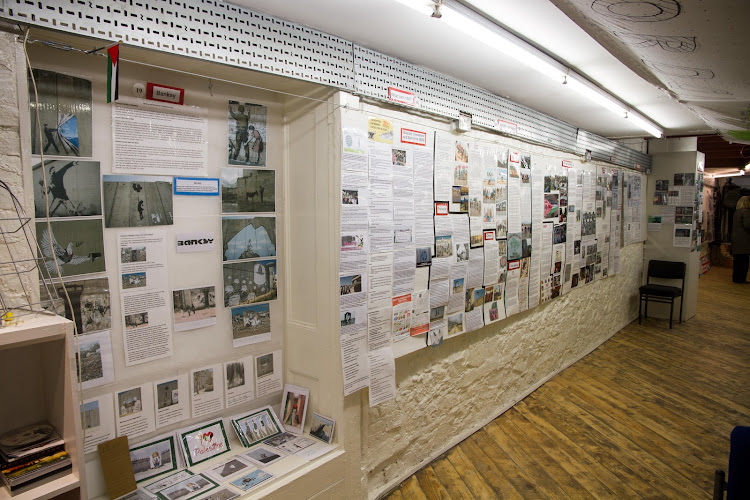
- Extensive photographic displays documenting daily life and historical events
- Traditional clothing, textiles and cultural artefacts
- Volunteer-led, community-curated interpretation and events
- Regular talks, film evenings and cultural exchanges (check locally for schedule)
More Details
Updated March 30, 2026
Table of Contents
- Description
- Key Features
- Best Time to Visit
- How to Get There
- Tips for Visiting
- Key Highlights
- Location
- Places to Stay Near Palestine Museum & Cultural Centre
- Find and Book a Tour
- Explore More Travel Guides
- Nearby Places You Might Like
- Traveler Reviews for Palestine Museum & Cultural Centre
- Share Your Experience
Description
The Palestine Museum & Cultural Centre stands as an important repository of Palestinian heritage and contemporary cultural expression. I’ve always found that museums focused on specific cultural narratives have this particular weight to them – they’re not just buildings with artifacts, they’re living testimonies to resilience and identity. This institution serves that exact purpose, offering travelers a chance to understand Palestinian history, art, and culture through carefully curated exhibitions and educational programming.
What makes this museum particularly significant is its role in preserving and sharing stories that might otherwise remain untold. The center doesn’t just display objects behind glass cases; it creates an immersive experience where visitors can engage with Palestinian culture on multiple levels. From historical artifacts that trace back centuries to contemporary art installations that speak to modern Palestinian experiences, the museum bridges past and present in ways that really resonate with thoughtful travelers.
The facility has earned considerable recognition among visitors, with many describing their experience as eye-opening and deeply moving. And honestly, that’s exactly what a good cultural institution should do – challenge your perspectives while educating you. The museum achieves this through its thoughtful curation and the dedication of its staff, who bring these stories to life through their knowledge and passion.
For travelers seeking authentic cultural experiences beyond typical tourist attractions, the Palestine Museum & Cultural Centre offers something genuinely meaningful. It’s the kind of place where you might plan to spend an hour but end up staying three because there’s just so much to absorb and process. The exhibitions rotate regularly, which means even repeat visitors often discover new perspectives and previously unseen collections.
Key Features
The Palestine Museum & Cultural Centre distinguishes itself through several noteworthy characteristics that enhance the visitor experience:
- Comprehensive historical exhibitions that document Palestinian heritage through various periods, providing context that many travelers might not encounter elsewhere
- Contemporary art galleries featuring works by Palestinian artists that offer fresh perspectives on cultural identity and modern experiences
- Educational programs and workshops that allow visitors to engage more deeply with Palestinian culture beyond passive observation
- Onsite services that enhance the overall visit, making it easier for travelers to spend extended time exploring the collections
- Family-friendly environment that welcomes visitors of all ages, with content and displays appropriate for children while remaining engaging for adults
- Rotating exhibitions that ensure fresh content and new perspectives with each visit, reflecting the dynamic nature of Palestinian culture
- Archival materials and documentation that serve researchers and curious travelers interested in deeper historical investigation
- Cultural events and special programming that coincide with significant dates and celebrations in Palestinian heritage
- Multilingual interpretation in many exhibits, accommodating international visitors who want to understand the full context of what they’re viewing
- Photography collections that document everyday Palestinian life across different eras, offering intimate glimpses into personal and communal experiences
Best Time to Visit
Planning when to visit the Palestine Museum & Cultural Centre can significantly impact your experience. From what I’ve gathered through various visitor accounts and practical considerations, weekday mornings tend to offer the most peaceful atmosphere for those who prefer contemplative exploration without large crowds. There’s something to be said for wandering through exhibits when you can really take your time without feeling rushed or jostled.
That said, weekends often feature special programming and cultural events that can add another dimension to your visit. If you’re interested in meeting locals and experiencing the museum as a living community space rather than just a quiet gallery, weekend afternoons might actually serve you better despite the increased foot traffic.
The museum tends to see fewer international tourists during the shoulder seasons, but local visitation remains steady throughout the year. This creates interesting dynamics depending on what you’re seeking. Summer months can get quite busy with school groups and families, which adds energy but might make detailed examination of exhibits more challenging.
Special exhibitions often debut during significant cultural periods, and timing your visit to coincide with these openings can provide access to unique collections not available year-round. I’d recommend checking their programming calendar before finalizing your travel dates if you’re particularly interested in specific aspects of Palestinian culture or history.
Weather-wise, spring and fall offer the most comfortable conditions for exploring the area around the museum before or after your visit. The moderate temperatures make it pleasant to spend the whole day in the vicinity without the intense heat that can make summer afternoons somewhat draining.
But honestly? The “best” time really depends on your personal travel style. If you’re someone who thrives on bustling cultural energy, don’t shy away from peak times. If you’re more introspective and want space to really absorb what you’re experiencing, those quieter weekday mornings are golden.
How to Get There
Reaching the Palestine Museum & Cultural Centre requires some planning, but it’s definitely manageable for determined travelers. The museum’s location means you’ll need to research current access conditions before your trip, as circumstances can change and what worked for previous visitors might need adjustment.
Many travelers find that hiring a local guide or driver provides the smoothest experience, especially for first-time visitors to the region. These professionals navigate the practical aspects of getting there while offering cultural context that enriches the entire journey. And let’s be honest – having someone who knows the area can transform what might otherwise be a stressful navigation challenge into an informative part of your adventure.
Public transportation options exist, though they require more time and flexibility than private transport. You’ll want to research current routes and schedules, as these can vary based on day of the week and time of year. Speaking with other travelers who’ve recently made the journey can provide up-to-date insights that guidebooks might miss.
For those renting vehicles, GPS coordinates help, but don’t rely solely on digital navigation. Having backup directions and the museum’s contact information readily available proves invaluable if you encounter unexpected detours or road conditions. I always recommend downloading offline maps before heading out – there’s nothing worse than losing signal right when you need directions most.
Some organized tours include the museum as part of broader cultural itineraries, which can simplify logistics considerably. While this means less flexibility in how long you spend at the museum, it eliminates navigation stress and often provides expert commentary throughout the journey.
Travel time varies significantly depending on your starting point, so build in extra time beyond what maps might suggest. Traffic patterns, checkpoint wait times, and other factors can all affect your journey. Better to arrive with time to spare than to rush through exhibits because you cut your schedule too tight.
Tips for Visiting
Making the most of your visit to the Palestine Museum & Cultural Centre starts with setting realistic expectations about timing. This isn’t a place to breeze through in thirty minutes. Plan for at least two to three hours minimum, though serious culture enthusiasts could easily spend half a day here without exhausting everything worth seeing.
Dress respectfully and comfortably. You’ll be doing considerable walking, and while the museum doesn’t enforce a strict dress code, cultural sensitivity goes a long way in creating positive interactions with staff and other visitors. Comfortable shoes are non-negotiable – those beautiful but torturous shoes you packed can stay at the hotel.
Photography policies vary throughout the museum, so ask before snapping pictures. Some exhibitions welcome photography while others restrict it to protect sensitive materials or respect cultural protocols. When in doubt, just ask a staff member rather than assuming.
One thing visitors often mention appreciating is taking time to speak with museum staff and guides. These folks possess incredible knowledge and personal connections to the stories being told. Don’t just read the placards and move on – engage, ask questions, and listen. Some of my most memorable museum experiences have come from conversations with people who work in these spaces and bring the collections to life through their own perspectives.
Consider visiting the museum earlier in your trip rather than as an afterthought. The context and understanding you gain here can inform and enrich your experiences throughout the rest of your travels in the region. It’s like getting the cultural framework first, then seeing how it manifests in daily life around you.
The museum is good for kids, which is genuinely wonderful, but parents should prepare children for the serious nature of some content. This isn’t an interactive children’s museum with hands-on activities – it’s a space documenting real history and culture, some of which addresses difficult topics. Age-appropriate conversations beforehand can help younger visitors engage meaningfully with what they’re seeing.
Since there isn’t a restaurant onsite, eat before you arrive or bring snacks if you plan an extended visit. Getting hangry halfway through your museum experience benefits nobody. There are usually cafes or restaurants in the surrounding area where you can grab a meal before or after your visit.
Take advantage of any available audio guides or informational materials. These resources provide depth that even the best signage can’t match, offering multiple layers of interpretation that help visitors with varying levels of background knowledge appreciate the collections fully.
Be prepared for an emotional experience. Museums documenting complex histories and ongoing cultural struggles aren’t always easy to walk through. Give yourself permission to feel whatever comes up, and don’t rush through exhibits just because they’re challenging. The discomfort sometimes means you’re actually learning and growing.
Finally, remember that visiting responsibly means more than just following museum rules. Consider how your presence and actions impact the community this institution serves. Purchase items from the gift shop if possible, respect the space and people around you, and carry the stories you learn forward with accuracy and respect. Cultural tourism at its best involves mutual exchange and understanding, not just ticking boxes on an itinerary.
Key Highlights
- Permanent exhibition of Palestinian heritage and contemporary life
- Extensive photographic displays documenting daily life and historical events
- Traditional clothing, textiles and cultural artefacts
- Volunteer-led, community-curated interpretation and events
- Regular talks, film evenings and cultural exchanges (check locally for schedule)
Location
Places to Stay Near Palestine Museum & Cultural Centre
Find and Book a Tour
Explore More Travel Guides
No reviews found! Be the first to review!
Palestine Museum & Cultural Centre is a prominent museums located in Bristol.
Visit us at: 27 Broad St, Bristol BS1 2HG, United Kingdom.
Traveler Reviews for Palestine Museum & Cultural Centre
There are no reviews yet. Be the first one to write one.
Have you visited Palestine Museum & Cultural Centre? Help other travelers by sharing your review.
Nearby Attractions
You Might Also Like

Brunel's SS Great Britain

Bristol Cathedral

Windmill Hill City Farm
Find Accommodations Nearby
Recommended Tours & Activities
Visitor Reviews
There are no reviews yet. Be the first one to write one.
Share Your Experience
Have you visited Palestine Museum & Cultural Centre? Help other travelers by leaving a review.