About Wabilahi Taofic Mosque, Ile Ife

Description

The Wabilahi Taofic Mosque stands as a significant religious landmark in Ile Ife, one of Nigeria's most historically rich cities. This place of worship serves the Muslim community in what many consider the spiritual homeland of the Yoruba people. And honestly, there's something pretty remarkable about finding this mosque in a city that's primarily known for its ancient Yoruba traditions and cultural heritage. When travelers think about Ile Ife, their minds usually jump straight to the famous Ooni's Palace or the remarkable bronze and terracotta sculptures that have made this city an archaeological treasure. But the Wabilahi Taofic Mosque represents something equally important - the religious diversity and peaceful coexistence that defines modern Nigeria. The mosque welcomes worshippers throughout the day, and visitors who approach with respect and genuine curiosity will find themselves warmly received. I've always believed that understanding a place means looking at all its dimensions, not just the ones highlighted in glossy travel brochures. The presence of this mosque in Ile Ife tells you something essential about the city's character. It's a place where different faiths have learned to share space, where ancient traditions meet contemporary religious practices, and where the call to prayer echoes through streets that have witnessed thousands of years of human civilization. The mosque itself might not have the ornate architecture you'd find in some of the grand mosques across North Africa or the Middle East, but it serves its purpose beautifully. It's functional, it's accessible, and it's genuine. The facilities are well-maintained, and worshippers have access to restrooms which might seem like a small detail but trust me, when you're traveling in Nigeria, these practical considerations matter quite a bit.

Key Features

The Wabilahi Taofic Mosque offers several notable aspects that make it worth acknowledging during your visit to Ile Ife: • Clean and accessible restroom facilities for worshippers and visitors, which demonstrates the mosque's commitment to maintaining proper amenities • A welcoming atmosphere that reflects the inclusive spirit of the Ile Ife community, where Muslims and adherents of traditional religions have coexisted for generations • Regular prayer times that follow the Islamic calendar, providing structure to the daily rhythms of the surrounding neighborhood • A location that places it within the broader context of Ile Ife's religious landscape, offering travelers a more complete picture of the city's spiritual life • Modest architectural design that prioritizes function and community gathering over elaborate decoration, staying true to Islamic principles of simplicity • An active congregation that brings life to the mosque throughout the week, particularly during Friday prayers when the community gathers in larger numbers • The opportunity for respectful non-Muslim visitors to learn about Islamic practices in a West African context, which differs in some interesting ways from Islamic traditions in other parts of the world

Best Time to Visit

Timing your visit to the Wabilahi Taofic Mosque requires some thoughtfulness, especially if you're not Muslim yourself. The best approach is to visit outside of prayer times unless you're specifically interested in observing the prayers (which you can do quietly from a respectful distance if permitted). Friday afternoons are when the mosque sees its largest gatherings for Jumu'ah prayers. If you want to witness the mosque at its most active, this would be the time, though you'll want to stay completely out of the way and only observe if you've received permission. But honestly, if you're just wanting to see the building and understand its place in the community, weekday mornings or early afternoons work better. The dry season, running roughly from November through March, makes visiting any outdoor location in Ile Ife more comfortable. The harmattan winds can make things dusty during December and January, but at least you won't be dealing with the intense rainfall that characterizes the wet season months. I remember trying to navigate Nigerian cities during heavy rains once, and let me tell you, it's not an experience I'm rushing to repeat. If you're planning your trip around Islamic holidays, that's another consideration entirely. During Ramadan, the mosque takes on special significance as a gathering place for breaking fast. Eid al-Fitr and Eid al-Adha bring the community together in celebration. These times offer unique cultural experiences, but they're also when the mosque will be most crowded and when casual visiting might not be appropriate. Early morning visits, perhaps around 8 or 9 AM, give you a chance to see the mosque in its daily context without interfering with anyone's worship. The light at that time of day is also wonderful for photography, though always ask permission before taking pictures, especially of people.

How to Get There

Getting to the Wabilahi Taofic Mosque in Ile Ife involves first getting yourself to this ancient city, which is located in Osun State in southwestern Nigeria. Most international travelers will arrive through Lagos, which is about 220 kilometers away - a journey that takes anywhere from 3 to 5 hours depending on traffic conditions and your mode of transport. From Lagos, you've got options. The most comfortable choice is hiring a private car with a driver who knows the route well. This isn't cheap, but it gives you flexibility and comfort that you won't find in public transport. Expect to negotiate rates, because that's just how things work in Nigeria. The alternative is taking one of the buses that run regularly between Lagos and Ile Ife. Companies operate these routes daily, and while the vehicles can be cramped and the journey slower, it's authentic Nigerian travel. Once you're actually in Ile Ife, the city is navigable but not always straightforward for first-time visitors. The streets don't follow a rigid grid pattern, and signage can be inconsistent. Local motorcycle taxis, known as okadas, are everywhere and can zip you around town quickly and cheaply. But you need to agree on the fare before you climb on, and you should probably have a local contact or your hotel help you communicate the destination clearly. Regular taxis and ride-hailing services like Uber do operate in Ile Ife, though with less coverage than you'd find in Lagos or Abuja. Your hotel or guesthouse can usually arrange transport for you, which adds a bit to the cost but saves considerable hassle. Walking around Ile Ife is possible in some areas, but the heat and humidity make it challenging for extended distances. The city wasn't really designed with pedestrians in mind, so sidewalks can be irregular or nonexistent.

Tips for Visiting

Approaching the Wabilahi Taofic Mosque requires cultural sensitivity and practical preparation. First and foremost, dress modestly. This applies regardless of your gender, but it's particularly important for women. Long sleeves, long pants or skirts, and headscarves for women aren't just respectful - they're expected. Men should avoid shorts and sleeveless shirts. Remove your shoes before entering the mosque. You'll see where others have left theirs, and you should follow suit. Wearing socks is a good idea because the floors can get quite warm, especially during the afternoon heat. If you're visiting as a non-Muslim, make your intentions clear. Approach someone who appears to be in charge or a regular worshipper and politely explain that you're a traveler interested in learning about the mosque. Most people will appreciate your honesty and curiosity. Nigerians are generally hospitable folks, and Muslims in Ile Ife tend to be welcoming to respectful visitors. Don't visit during prayer times unless you're there specifically to pray. The five daily prayers are sacred times, and wandering around gawking while people are trying to worship is just plain rude. If you happen to be there when prayers begin, either join in if you're Muslim or quietly find a spot out of the way and wait patiently. Photography deserves special mention. Always, always ask permission before taking photos inside the mosque or of people praying. Some folks won't mind at all, others will prefer you didn't. Respect whatever answer you receive. I learned this lesson the hard way years back when I assumed silence meant consent - it doesn't. Bring small bills in naira for any donations you might want to make or for transportation. ATMs exist in Ile Ife, but they're not always reliable, and the mosque itself certainly won't have card payment options. Stay hydrated but be mindful during Ramadan. If you're visiting during the fasting month, it's considerate not to eat, drink, or smoke in front of people who are fasting, particularly near the mosque. Learn a few basic greetings in Yoruba or at least in Arabic if you can. "As-salamu alaykum" (peace be upon you) is universally understood among Muslims and will earn you immediate goodwill. The response you'll hear is "Wa alaykumu s-salam" (and upon you, peace). Consider timing your visit as part of a broader exploration of Ile Ife's religious sites. The city has numerous traditional shrines, Christian churches, and other places of worship that together paint a complete picture of its spiritual landscape. The mosque isn't really a standalone destination - it makes most sense as part of understanding the whole city. Finally, be patient and flexible. Things in Nigeria generally don't run on the strict schedules that Western travelers might expect. If someone tells you they'll show you around "just now," that could mean five minutes or it could mean an hour. The mosque might be closed when you expect it to be open, or something might be happening that prevents casual visits. Roll with it, adjust your plans, and remember that these unexpected moments often become the most memorable parts of any journey.
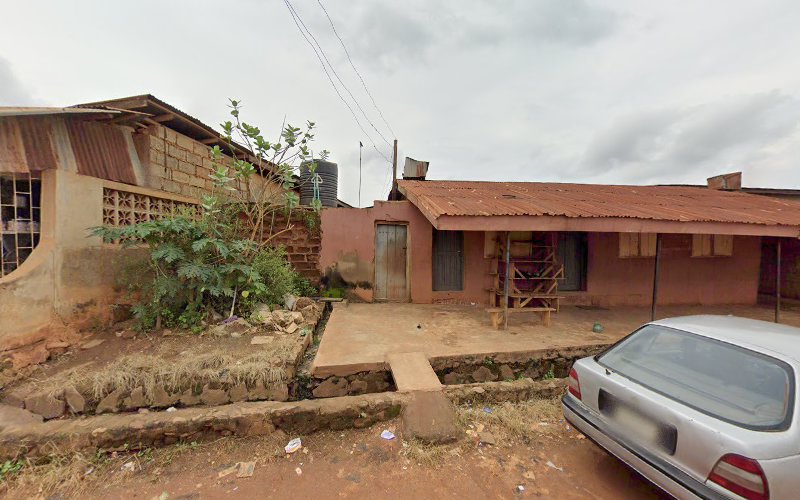

Key Features

  • Active neighborhood mosque serving the local Muslim community
  • Simple, locally influenced architectural details and prayer hall
  • Opportunity to observe daily prayers and community gatherings
  • Convenient central location in Ilé-Ifẹ̀ near major streets
  • Good access for cultural travelers interested in everyday religious life

More Details

Updated March 30, 2026

Description

The Wabilahi Taofic Mosque stands as a significant religious landmark in Ile Ife, one of Nigeria’s most historically rich cities. This place of worship serves the Muslim community in what many consider the spiritual homeland of the Yoruba people. And honestly, there’s something pretty remarkable about finding this mosque in a city that’s primarily known for its ancient Yoruba traditions and cultural heritage.

When travelers think about Ile Ife, their minds usually jump straight to the famous Ooni’s Palace or the remarkable bronze and terracotta sculptures that have made this city an archaeological treasure. But the Wabilahi Taofic Mosque represents something equally important – the religious diversity and peaceful coexistence that defines modern Nigeria. The mosque welcomes worshippers throughout the day, and visitors who approach with respect and genuine curiosity will find themselves warmly received.

I’ve always believed that understanding a place means looking at all its dimensions, not just the ones highlighted in glossy travel brochures. The presence of this mosque in Ile Ife tells you something essential about the city’s character. It’s a place where different faiths have learned to share space, where ancient traditions meet contemporary religious practices, and where the call to prayer echoes through streets that have witnessed thousands of years of human civilization.

The mosque itself might not have the ornate architecture you’d find in some of the grand mosques across North Africa or the Middle East, but it serves its purpose beautifully. It’s functional, it’s accessible, and it’s genuine. The facilities are well-maintained, and worshippers have access to restrooms which might seem like a small detail but trust me, when you’re traveling in Nigeria, these practical considerations matter quite a bit.

Key Features

The Wabilahi Taofic Mosque offers several notable aspects that make it worth acknowledging during your visit to Ile Ife:

• Clean and accessible restroom facilities for worshippers and visitors, which demonstrates the mosque’s commitment to maintaining proper amenities

• A welcoming atmosphere that reflects the inclusive spirit of the Ile Ife community, where Muslims and adherents of traditional religions have coexisted for generations

• Regular prayer times that follow the Islamic calendar, providing structure to the daily rhythms of the surrounding neighborhood

• A location that places it within the broader context of Ile Ife’s religious landscape, offering travelers a more complete picture of the city’s spiritual life

• Modest architectural design that prioritizes function and community gathering over elaborate decoration, staying true to Islamic principles of simplicity

• An active congregation that brings life to the mosque throughout the week, particularly during Friday prayers when the community gathers in larger numbers

• The opportunity for respectful non-Muslim visitors to learn about Islamic practices in a West African context, which differs in some interesting ways from Islamic traditions in other parts of the world

Best Time to Visit

Timing your visit to the Wabilahi Taofic Mosque requires some thoughtfulness, especially if you’re not Muslim yourself. The best approach is to visit outside of prayer times unless you’re specifically interested in observing the prayers (which you can do quietly from a respectful distance if permitted).

Friday afternoons are when the mosque sees its largest gatherings for Jumu’ah prayers. If you want to witness the mosque at its most active, this would be the time, though you’ll want to stay completely out of the way and only observe if you’ve received permission. But honestly, if you’re just wanting to see the building and understand its place in the community, weekday mornings or early afternoons work better.

The dry season, running roughly from November through March, makes visiting any outdoor location in Ile Ife more comfortable. The harmattan winds can make things dusty during December and January, but at least you won’t be dealing with the intense rainfall that characterizes the wet season months. I remember trying to navigate Nigerian cities during heavy rains once, and let me tell you, it’s not an experience I’m rushing to repeat.

If you’re planning your trip around Islamic holidays, that’s another consideration entirely. During Ramadan, the mosque takes on special significance as a gathering place for breaking fast. Eid al-Fitr and Eid al-Adha bring the community together in celebration. These times offer unique cultural experiences, but they’re also when the mosque will be most crowded and when casual visiting might not be appropriate.

Early morning visits, perhaps around 8 or 9 AM, give you a chance to see the mosque in its daily context without interfering with anyone’s worship. The light at that time of day is also wonderful for photography, though always ask permission before taking pictures, especially of people.

How to Get There

Getting to the Wabilahi Taofic Mosque in Ile Ife involves first getting yourself to this ancient city, which is located in Osun State in southwestern Nigeria. Most international travelers will arrive through Lagos, which is about 220 kilometers away – a journey that takes anywhere from 3 to 5 hours depending on traffic conditions and your mode of transport.

From Lagos, you’ve got options. The most comfortable choice is hiring a private car with a driver who knows the route well. This isn’t cheap, but it gives you flexibility and comfort that you won’t find in public transport. Expect to negotiate rates, because that’s just how things work in Nigeria. The alternative is taking one of the buses that run regularly between Lagos and Ile Ife. Companies operate these routes daily, and while the vehicles can be cramped and the journey slower, it’s authentic Nigerian travel.

Once you’re actually in Ile Ife, the city is navigable but not always straightforward for first-time visitors. The streets don’t follow a rigid grid pattern, and signage can be inconsistent. Local motorcycle taxis, known as okadas, are everywhere and can zip you around town quickly and cheaply. But you need to agree on the fare before you climb on, and you should probably have a local contact or your hotel help you communicate the destination clearly.

Regular taxis and ride-hailing services like Uber do operate in Ile Ife, though with less coverage than you’d find in Lagos or Abuja. Your hotel or guesthouse can usually arrange transport for you, which adds a bit to the cost but saves considerable hassle.

Walking around Ile Ife is possible in some areas, but the heat and humidity make it challenging for extended distances. The city wasn’t really designed with pedestrians in mind, so sidewalks can be irregular or nonexistent.

Tips for Visiting

Approaching the Wabilahi Taofic Mosque requires cultural sensitivity and practical preparation. First and foremost, dress modestly. This applies regardless of your gender, but it’s particularly important for women. Long sleeves, long pants or skirts, and headscarves for women aren’t just respectful – they’re expected. Men should avoid shorts and sleeveless shirts.

Remove your shoes before entering the mosque. You’ll see where others have left theirs, and you should follow suit. Wearing socks is a good idea because the floors can get quite warm, especially during the afternoon heat.

If you’re visiting as a non-Muslim, make your intentions clear. Approach someone who appears to be in charge or a regular worshipper and politely explain that you’re a traveler interested in learning about the mosque. Most people will appreciate your honesty and curiosity. Nigerians are generally hospitable folks, and Muslims in Ile Ife tend to be welcoming to respectful visitors.

Don’t visit during prayer times unless you’re there specifically to pray. The five daily prayers are sacred times, and wandering around gawking while people are trying to worship is just plain rude. If you happen to be there when prayers begin, either join in if you’re Muslim or quietly find a spot out of the way and wait patiently.

Photography deserves special mention. Always, always ask permission before taking photos inside the mosque or of people praying. Some folks won’t mind at all, others will prefer you didn’t. Respect whatever answer you receive. I learned this lesson the hard way years back when I assumed silence meant consent – it doesn’t.

Bring small bills in naira for any donations you might want to make or for transportation. ATMs exist in Ile Ife, but they’re not always reliable, and the mosque itself certainly won’t have card payment options.

Stay hydrated but be mindful during Ramadan. If you’re visiting during the fasting month, it’s considerate not to eat, drink, or smoke in front of people who are fasting, particularly near the mosque.

Learn a few basic greetings in Yoruba or at least in Arabic if you can. “As-salamu alaykum” (peace be upon you) is universally understood among Muslims and will earn you immediate goodwill. The response you’ll hear is “Wa alaykumu s-salam” (and upon you, peace).

Consider timing your visit as part of a broader exploration of Ile Ife’s religious sites. The city has numerous traditional shrines, Christian churches, and other places of worship that together paint a complete picture of its spiritual landscape. The mosque isn’t really a standalone destination – it makes most sense as part of understanding the whole city.

Finally, be patient and flexible. Things in Nigeria generally don’t run on the strict schedules that Western travelers might expect. If someone tells you they’ll show you around “just now,” that could mean five minutes or it could mean an hour. The mosque might be closed when you expect it to be open, or something might be happening that prevents casual visits. Roll with it, adjust your plans, and remember that these unexpected moments often become the most memorable parts of any journey.

Key Highlights

  • Active neighborhood mosque serving the local Muslim community
  • Simple, locally influenced architectural details and prayer hall
  • Opportunity to observe daily prayers and community gatherings
  • Convenient central location in Ilé-Ifẹ̀ near major streets
  • Good access for cultural travelers interested in everyday religious life

Location

Places to Stay Near Wabilahi Taofic Mosque, Ile Ife

Find and Book a Tour

Explore More Travel Guides

No reviews found! Be the first to review!

Wabilahi Taofic Mosque, Ile Ife is a prominent Mosque located in Ife.

Visit us at: FHX5+JJ8, Olofin St, 220101, Ife, Osun, Nigeria.

Traveler Reviews for Wabilahi Taofic Mosque, Ile Ife

There are no reviews yet. Be the first one to write one.

Share Your Experience

Have you visited Wabilahi Taofic Mosque, Ile Ife? Help other travelers by sharing your review.

Nearby Attractions

Ooni's Palace (Ilé-Ifẹ̀) — royal palace and cultural site Ife Museum and archaeological sites — Yoruba art and ancient bronzes Local markets and traditional craft areas in Ilé-Ifẹ̀

Find Accommodations Nearby

Recommended Tours & Activities

Visitor Reviews

There are no reviews yet. Be the first one to write one.

Share Your Experience

Have you visited Wabilahi Taofic Mosque, Ile Ife? Help other travelers by leaving a review.