
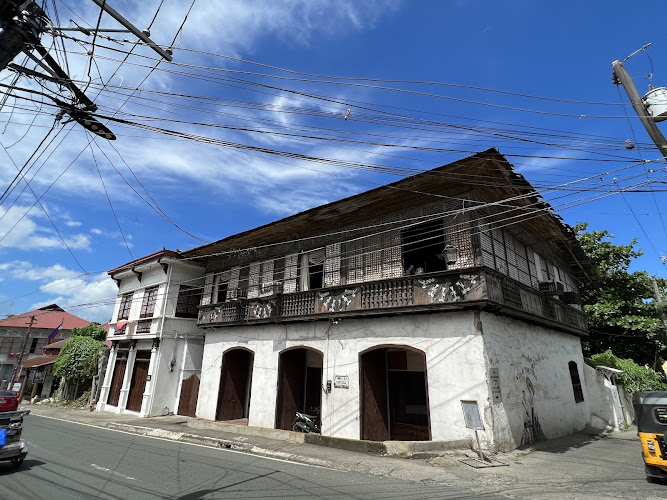
Villa Tortuga
About Villa Tortuga
Description
Key Features
- Authentic Heritage House: This actual 19th-century bahay na bato (stone house) offers a slice of the illustrious old Taal, with original furniture and period details you won’t find in chain hotels or modern restos. It’s like stepping back into your lola’s grandest daydreams.
- Filipino Dining Experience: The restaurant inside Villa Tortuga serves classic Filipino dishes. Think kare-kare, crispy pata, pancit, and more, with all the deep, rich flavors you crave after a morning of sightseeing. I’m still dreaming about their adobo (it’s that good).
- Period Costume Experience: Visitors can rent and don traditional Filipino costumes—turning lunch into a playful, living history selfie-session. Great for families, history buffs, Instagram lovers, or anyone prone to spontaneous fun (it’s near impossible to take yourself too seriously in a barong or saya).
- Hands-on Cultural Immersion: Depending on your mood, you can join in guided tours or interactive activities about Filipino traditions, colonial-era life, and the stories behind every ornately-framed photograph.
- Kid-Friendly Atmosphere: The villa is a real hit with kids. No “don’t touch” museum stuffiness here—just space to play dress-up, sample goodies, and learn a little without even knowing it.
- Free Street Parking: Maybe not a deal-breaker, but finding free street parking in the heritage town area is a gift, honestly. Just come early if you want to snag a spot, especially on weekends.
- Photogenic Ambiance: Every wall, every window has a story. Bring your camera or good phone—trust me, you’ll want to remember the light as it glows through those capiz shells at golden hour.
Best Time to Visit
How to Get There
Tips for Visiting
- Call Ahead for Costume Experiences: The period costume sessions can fill up fast, especially for bigger groups and weekends. If you’re dreaming of a family “throwback” photo shoot, best to call in advance or message them before your visit—avoid the disappointment of missing out on the fun dress-up.
- Cash is King: While the tourism scene is picking up, not every attraction is fully cashless. Make sure to have small bills handy for meals, souvenirs, or tipping guides and staff. ATMs aren’t always a stone’s throw away in town.
- Wear Comfortable Shoes: Taal’s historic district invites wandering. There are cobblestones, uneven paths, and not much in the way of pedestrian ramps—stylish sandals or sneakers work better than heels if you ask me.
- Time Your Visit: Arrive mid-morning to dodge both the lunch rush and the afternoon heat. You get first dibs on costumes, better seating, and natural lighting for all your candid shots.
- Bring the Kids—And Your Curiosity: It’s more relaxed than you might expect. Unlike formal museums, Villa Tortuga encourages guests (yes, children included) to interact, ask questions, and experience everything up close. Don’t rush—half the fun is hearing tales straight from the folks who run the place.
- Respect the History: While it’s fun
Key Features
- Key Features
- Best Time to Visit
- How to Get There
- Tips for Visiting
More Details
Updated June 9, 2025
Table of Contents
Description
You don’t need to be a hardcore historian to appreciate Villa Tortuga’s character. Maybe you’re drawn to the drama of the old world, or just really into Filipino food with a legit local twist. Or maybe, like me, you simply have a thing for oddball spots that skip the usual tourist traps. It’s an experience—there’s the food of course, but also these opportunities to dress up in period costumes (sometimes you gotta ham it up for social media, right?). It’s one part museum, one part eatery, and just a pinch of theatre. The villa straddles that fine line between homey and grand, between the past and the present.
Not everything’s perfect, don’t get me wrong. If you need wheelchair access or prefer hassle-free parking, it might cramp your style, as accessibility really isn’t its strong suit. But honestly, a ton of folks seem to come away from Villa Tortuga with a genuine smile, raving about how unique and memorable it feels. Sure, a couple of people have nitpicked (and hey, what place escapes criticism?), but for the most part, it delivers on its promise of a taste of heritage, in a setting that’s just the right balance of quirky and authentic.
So if you’re rambling through Batangas, and itching for something off-kilter, Villa Tortuga promises more than just pretty photos—if you’re open to it, it serves up nostalgia, flavor, a bit of role-play, and maybe (just maybe!) a better understanding of how the past still feeds the present in the Philippines. Come hungry. Bring a sense of humor. Prepare to leave with a few stories clutching your sleeve.
Key Features
- Authentic Heritage House: This actual 19th-century bahay na bato (stone house) offers a slice of the illustrious old Taal, with original furniture and period details you won’t find in chain hotels or modern restos. It’s like stepping back into your lola’s grandest daydreams.
- Filipino Dining Experience: The restaurant inside Villa Tortuga serves classic Filipino dishes. Think kare-kare, crispy pata, pancit, and more, with all the deep, rich flavors you crave after a morning of sightseeing. I’m still dreaming about their adobo (it’s that good).
- Period Costume Experience: Visitors can rent and don traditional Filipino costumes—turning lunch into a playful, living history selfie-session. Great for families, history buffs, Instagram lovers, or anyone prone to spontaneous fun (it’s near impossible to take yourself too seriously in a barong or saya).
- Hands-on Cultural Immersion: Depending on your mood, you can join in guided tours or interactive activities about Filipino traditions, colonial-era life, and the stories behind every ornately-framed photograph.
- Kid-Friendly Atmosphere: The villa is a real hit with kids. No “don’t touch” museum stuffiness here—just space to play dress-up, sample goodies, and learn a little without even knowing it.
- Free Street Parking: Maybe not a deal-breaker, but finding free street parking in the heritage town area is a gift, honestly. Just come early if you want to snag a spot, especially on weekends.
- Photogenic Ambiance: Every wall, every window has a story. Bring your camera or good phone—trust me, you’ll want to remember the light as it glows through those capiz shells at golden hour.
Best Time to Visit
If you want that lazy-day, slow-tourist magic, aim for weekdays, especially outside major holidays. Taal gets its fair share of love for all its preserved charm, so weekends and long breaks fill up with families, road-trippers, and even whole barangays of students on field trips. You might get lucky with a quieter morning, but come lunchtime, it can get busy.
During the cooler “ber” months (September to February), you’ll catch a gentle breeze swishing through the ancestral windows. It’s not freezing by any stretch (it’s Batangas, not Baguio), but it’s comfortable enough to wander about in full costume without melting into a puddle. Plus, the late afternoon sun in these months really brings out the mellow colors of the villa’s woodwork. December is gorgeous with the town’s pre-Christmas sparkle—though expect more visitors.
March to May means summer heat. If you can handle the warmth, it’s fiesta season in Taal. There’s a lively buzz everywhere, but also higher temps and humidity. Bring a fan, dress cool under that maria clara, and reward yourself with halo-halo or a cold sago’t gulaman from town afterwards.
Rainy season (June to August) sees fewer tourists, and honestly, visiting then has its own chill charm—the soothing sound of rain on antique roofing, that cool breeze running through centuries-old hallways. Just pack an umbrella, the occasional downpour is part of the adventure.
My two cents: Go for an early brunch or lunch, let the day build around you, and use the late afternoon for a leisurely stroll to soak up the rest of historic Taal before heading off.
How to Get There
From Manila, it’s about a 2-2.5 hour drive (traffic gods willing). Take the South Luzon Expressway (SLEX), then STAR Tollway, and exit towards Lipa. From there, follow signs to Taal. The town itself is compact, the kind of place where you’ll want to ditch Google Maps and trust a local tricycle kuya if you’re feeling lost (I’ve done it, it works). Parking isn’t gated, but free street parking is usually close by the villa—best come early, especially on busy days to snag a good spot.
Prefer to commute? Buses headed for Lemery (from Buendia or Alabang terminals) run several times a day. You’ll hop off at Lemery, then catch a jeepney or tricycle for the 10-15 minute ride into Taal’s heritage district. It’s a bit of a patchwork journey, but worth every step-and-ride for the sight of cobblestoned streets lined with old houses.
If you’re feeling adventurous, some folks even do day trips from Tagaytay—a popular route for those who want to squeeze in lake views and volcano shots before diving into Filipino history.
Here’s something I wish I learned sooner: signals can be spotty in heritage town centers, so it helps to screenshot your mapped route or ask directions from the ever-hospitable locals. They’ll probably throw in a few “must-see”s around Taal you never expected.
Tips for Visiting
- Call Ahead for Costume Experiences: The period costume sessions can fill up fast, especially for bigger groups and weekends. If you’re dreaming of a family “throwback” photo shoot, best to call in advance or message them before your visit—avoid the disappointment of missing out on the fun dress-up.
- Cash is King: While the tourism scene is picking up, not every attraction is fully cashless. Make sure to have small bills handy for meals, souvenirs, or tipping guides and staff. ATMs aren’t always a stone’s throw away in town.
- Wear Comfortable Shoes: Taal’s historic district invites wandering. There are cobblestones, uneven paths, and not much in the way of pedestrian ramps—stylish sandals or sneakers work better than heels if you ask me.
- Time Your Visit: Arrive mid-morning to dodge both the lunch rush and the afternoon heat. You get first dibs on costumes, better seating, and natural lighting for all your candid shots.
- Bring the Kids—And Your Curiosity: It’s more relaxed than you might expect. Unlike formal museums, Villa Tortuga encourages guests (yes, children included) to interact, ask questions, and experience everything up close. Don’t rush—half the fun is hearing tales straight from the folks who run the place.
- Respect the History: While it’s fun
Key Highlights
- Key Features
- Best Time to Visit
- How to Get There
- Tips for Visiting
Location
Places to Stay Near Villa Tortuga
Find and Book a Tour
Explore More Travel Guides
No reviews found! Be the first to review!
Traveler Reviews for Villa Tortuga
There are no reviews yet. Be the first one to write one.
Have you visited Villa Tortuga? Help other travelers by sharing your review.
You Might Also Like
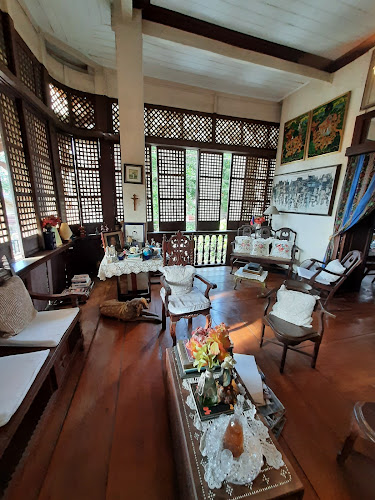
Goco Ancestral House
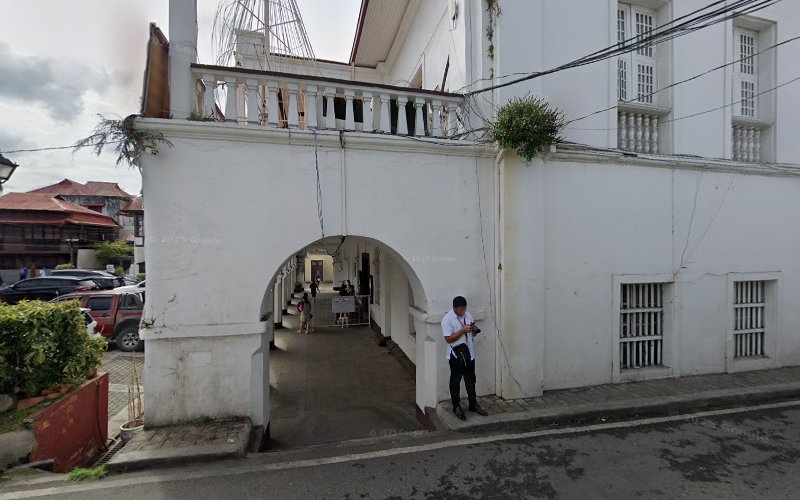
Bayan ng Taal Historical Marker
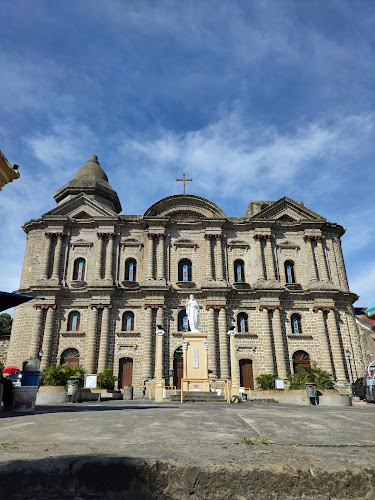
Taal Basilica Historical Marker
Find Accommodations Nearby
Recommended Tours & Activities
Visitor Reviews
There are no reviews yet. Be the first one to write one.
Share Your Experience
Have you visited Villa Tortuga? Help other travelers by leaving a review.