
Taal Basilica Historical Marker
About Taal Basilica Historical Marker
Description
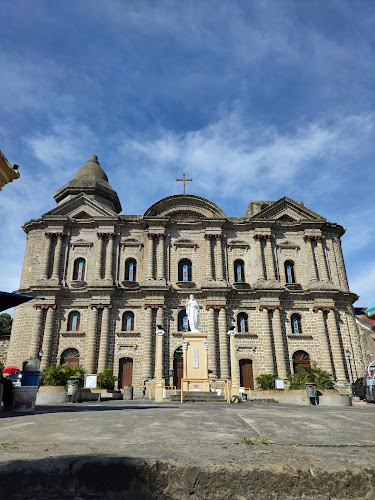
So, you’re considering a trip to the legendary Taal Basilica Historical Marker—smart move, if you ask me. Let me just start by saying that this is not your run-of-the-mill church or some random plaque stuck on a wall. There’s history here, yes, but there’s also an air of real reverence that seeps right through those centuries-old limestone blocks. You don’t have to be an architecture nerd or a history buff to get something worthwhile out of it, either. If you’re anything like me and you’ve got a soft spot for places that have seen countless Filipinos walk through their grand doors—full of hope, maybe in awe—then you’re about to enjoy yourself.
The Taal Basilica, officially known as Basilica de San Martin de Tours, towers over the heritage town like a gentle giant. When you stand in front of the Historical Marker, it’s pretty hard not to think about all the generations that have passed by, each probably pausing a moment to read the words and soak up the magnitude of what happened here. To put it simply, you’re looking at a testament to Philippine faith, endurance, and artistry—the sort of spot where stories seem to echo off the stone. The marker itself documents the rich saga of the basilica, dating back to the Spanish colonial era, surviving eruptions, invasions, and time itself. I remember standing there once with a coffee in hand (pro tip: bring one if you arrive in the morning!), letting my mind wander to the 19th-century townsfolk gathering right where I stood. It’s oddly grounding and pretty magical in a quiet way.
What really sealed the deal for me? The place is truly accessible—ramp entrances, proper parking, good for the kids, families, history geeks, and casual travelers all feel just as welcome. The experiences and little moments you’ll collect are what set this place apart from other “historical markers.” Sure, some reviews mention crowds or the odd spot of dust (it is a real, living church still, not a museum under glass), but I’d call it all part of the rhythm of Filipino daily life.
Key Features
- Largest Catholic Church in Asia: Can you believe it? The Taal Basilica isn’t just famous for its history; it literally holds the title as the largest Catholic church in Asia. When you’re standing below those jaw-dropping columns, you feel it.
- Meticulously Preserved Heritage Marker: The Historical Marker goes beyond dry facts. It’s a vivid account that brings the basilica’s story to life for locals and travelers alike.
- Iconic Baroque Architecture: From the façade’s intricate statues and carvings to the dizzying dome inside—it’s a must-see for anyone who ever doodled cathedrals on their notebook margins. (Yeah, guilty.)
- Wheelchair Accessible Entrances and Parking: Accessibility isn’t just a feature, it’s a necessity. People with mobility challenges don’t have to miss out here.
- Family Friendly: The site is a go-to for school trips, families, and kids—lots to learn, plenty of room to marvel, and a sense of security.
- Panoramic Views: Stand atop the steps or peer out from the bell tower (worth the climb, if you’re up for it). The view of Taal town and the nearby lake feels almost cinematic.
- Active Parish: Unlike some sleepy landmarks, there are often local masses and community events—meaning you get a real slice of Philippine culture, especially on Sundays or feast days.
- Photo Opportunities: Every inch of this basilica and marker is a photographer’s goldmine. Even if you’re just a phone snapper, trust me, the #nofilter moments are endless.
- Rich Local Legends and Anecdotes: I once overheard a guide share ghost stories about the crypts and secret tunnels. Not officially sanctioned, but they add some flair!
- Nearby Historical Sights: Walk five minutes and you’ll stumble upon Museo nina Leon at Galicano Apacible, Casa Villavicencio, and ancestral homes dating to the 1800s—pure culture overload.
Best Time to Visit
I’ll be honest: There’s no outright “bad” time to visit the Taal Basilica Historical Marker, but timing can seriously level up your experience. If you’re gunning for that picture-perfect, crowd-free wander, weekdays—especially Tuesday and Wednesday—are usually your best bets. The mornings are fresh, cooler, and you’ll catch local residents starting their day, maybe even see schoolkids capturing the marker for a project.
Avoid major religious holidays unless you intentionally want the big, energetic crowd and the buzz of a fiesta atmosphere. The annual feast of Saint Martin of Tours (Nov 11) is a can’t-miss cultural event if you like your history with a dash of local flavor, but, and this is a big but, peace and quiet go out the window. I once came during Holy Week expecting mild reverence and instead joined what felt like half the province sharing joy, prayers, and local snacks!
For photographers and golden hour chasers—the sunlight hits the basilica best just after sunrise and just before sunset, turning those ancient stones into something almost ethereal. Rainy season (June to October) is less predictable; the basilica stays open, but the adjacent park and steps can get a tad slippery. Bring an umbrella and sensible shoes if you’re here then.
How to Get There
Getting to the Taal Basilica Historical Marker can feel like a journey through time, not just geography. If you’re traveling from Manila, buses heading toward Lemery, Batangas, are your friend. From the Lemery terminal, tricycles and jeepneys routinely make the short hop to Taal town proper, and honestly, those rides are half the fun—windows down, breeze in your hair, with the view steadily shifting from urban hustle to heritage chic.
If you’re self-driving (hello, road trip enthusiasts), Batangas’ main highways are well-paved, though you should expect narrower roads up the final stretch once you pass Taal town’s historic archway. There’s wheelchair-accessible parking—no need to fret if you’re bringing Grandma or pushing a stroller. Google Maps works like a charm here, but I recommend also asking a local—Filipinos have a knack for directions, and you might get a friendly “welcome to Taal!” along the way.
Coming from nearby points in Batangas or Tagaytay? Jeepneys and buses abound, but prepare for a bit of walking as the immediate vicinity is best navigated on foot. Don’t be afraid to slow down and peek into the little shops or stalls on your way; some of my favorite souvenirs were impulse finds en route to the basilica.
Tips for Visiting
- Dress respectfully. It’s a functioning house of worship. Shoulders and knees covered, if possible. I once forgot and ended up with an emergency shawl from a kindly local vendor—a lifesaver.
- Start early. Not just for fewer people, but also to beat the heat. The stone tiles can soak up the sun—trust me, your shoes will thank you around noon.
- Cameras up! You might want a real camera, yes, but phone photographers will still leave happy. Play with angles—those arches and vistas practically frame themselves.
- Stay hydrated. Bring your own water bottle, especially if you plan to climb the steps or explore nearby alleys.
- Read the historical marker in full. Don’t just snap a photo and walk away—the story’s in the details. Each line paints a picture of resistance, resilience, and local pride.
- Engage with locals. Sometimes a casual chat will reveal the juiciest bits of history and folklore you’d never find in guidebooks.
- Check schedules. If you want to attend Mass or a festival, browse ahead online or check parish boards for timing. The vibe changes completely when the plaza fills up with music and prayer.
- Accessibility counts. Wheelchair users and those with strollers will find ramps and accessible parking. But watch for cobblestone patches—they’re charming, but can be bumpy.
- Bring spare cash.
You Might Also Like
100 Baloy Long Beach Rd
11th World Scout Jamboree Memorial Rotonda
3 Springs Mountain Park
Tours & Activities
GetYourGuide provides this tour inventory. We may earn a commission if you book through it; verify current availability, prices, and terms with the provider.
Visitor Reviews
There are no reviews yet. Be the first one to write one.
Share Your Experience
Have you visited Taal Basilica Historical Marker? Help other travelers by leaving a review.