

Cabadbaran City Philippines
About Cabadbaran City Philippines
Description
Cabadbaran City in the heart of Agusan del Norte, Philippines, calls out to the sort of traveler who likes their present-day adventure blended with a generous dose of local culture, heritage, and honest-to-goodness, small-town charm. It's one of those places where ancient meets modern, where it's normal to wake up to sea breezes and fall asleep to the sound of a bustling provincial city winding down. If you're someone (like me) who'd rather wander leafy side streets and haggle for fresh lanzones at the public market rather than pose in front of the same Instagrammable sign every tourist has seen, then Cabadbaran can really sneak up and surprise you. Seriously, the place has this almost stubborn sense of authenticity.
Most visitors are drawn to the distinct mix of Spanish colonial heritage and the local Mindanao flavor, which you’ll notice simply by strolling around. I remember the first time I saw one of the old ancestral homes in Cabadbaran, I quietly stood on the road, taking it all in—there’s real history here. The city’s Museo de Cabadbaran, which is, by the way, often overlooked by larger guidebooks, showcases a trove of artifacts that’ll make you want to revisit your Social Studies classes and actually listen this time. Whether you're a history buff or just a bit of a nosy parker (no judgment here, I do the same), you’ll find real narrative threads tying the province together at this museum.
Despite being a capital city for Agusan del Norte, Cabadbaran doesn’t act like it has something to prove. The people are unhurried and genuine—conversational and helpful, especially when you show a little curiosity about their city’s identity. The Caraga region as a whole is celebrated for outdoor adventure and striking natural beauty, but Cabadbaran manages to sweeten the pot with family-run holiday apartments for rent. These are generally homey, apartment-style lodgings that might not pass for fancy resorts but are clean, comfortable, and often come with a view of coconut groves or even a peek of mountains on a clear day.
If you’re the kind to want both a good night’s sleep and a slice of local life—without blowing the travel budget—staying in one of those apartments feels just right. You get more space, a kitchen to try your hand at Mindanao’s hearty stews, and—bonus—a base from which to wander the nearby sites at your own pace. The city also doubles as a springboard: you’re not far from Butuan, Surigao, and the rest of Caraga region’s river and forest adventures.
Echoes of a rich cultural heritage are everywhere, from local cuisine in small roadside eateries (I still remember my first taste of tinolang isda, with hints of young ginger and river greens), to the old Spanish-style houses. Museo de Cabadbaran is a must-visit—not your typical stuffy museum, but a real touchstone of the community spirit, telling the story of how Cabadbaran grew from a simple pueblo into the lively city it is today.
Cabadbaran might not be overrun by crowds, but ask anyone who’s spent time here and they’ll talk about the city’s festivals—like the Dagkot Festival. If you’re like me and appreciate those unexpectedly joyful local celebrations that don’t exist to meet tourist expectations, you’ll want to check the calendar.
Key Features
- Spanish Colonial and Ancestral Houses: Walk among well-preserved heritage homes, some dating back over a century, that reveal the city’s ties to a bygone era.
- Museo de Cabadbaran: Features an eclectic collection of local artifacts, including pre-Hispanic relics, tools, and even rescued heirlooms from prominent local families. Not your average local museum—there’s a palpable respect for the city's layered past.
- Homey Holiday Apartments: The city’s holiday apartment rentals are ideal for families and independent travelers, striking a balance between comfort, space, and Filipino hospitality. Many units are just a quick hop from markets and main attractions.
- Vibrant Festivals (without the usual crowds): Experience the annual Dagkot Festival, a remarkable celebration of lights rooted in local tradition, and a fine opportunity to mingle with friendly locals.
- Easy Access to Caraga’s Natural Wonders: Use Cabadbaran as your base to explore Agusan del Norte’s rivers, lush mountains, and even nearby beach escapes. Mountains such as Mount Hilong-Hilong beckon for hiking and adventure.
- Regional Cuisine: Sample Mindanao delicacies and locally sourced produce, with plenty of eateries serving regional favorites. Get ready for seafood that rivals the best spots in Butuan, and delicacies you’ll rave about back home.
- Warm, Unhurried Community: Discover a place where people take time to greet you, offer directions—or stories of their city’s evolution from a small town to a capital of Agusan del Norte.
- Quiet Streets, Accessible Location: Cabadbaran offers the tranquility of a provincial city but with easy connections to places like Butuan and Surigao, keeping the whole Mindanao adventure within reach.
Best Time to Visit
If you’re the type who hates a soggy suitcase and enjoys clear skies, shoot for December through May. This is the dry season in most of northern Mindanao, with mild breezes coming in off the waters and just enough sunshine to keep the city’s green spaces looking lush. If you’re aiming for that unique local flavor, try planning your trip around the Dagkot Festival, which generally happens in July. Trust me, there’s something about the city during festival season—string lights zig-zagging the streets, spontaneous street performances, impromptu feasts—that really transforms the usual day-to-day vibe.
On the flip side, the rainy season (July to November) isn’t a complete washout. In fact, it’s shoulder season for both crowds and prices. Showers tend to be short and refreshing—you might just want to pack a lightweight rain jacket and some sturdy shoes. Oddly enough, I’ve had some of the most memorable walks on misty mornings here, as the city wakes up to the sound of rooster crows and the scent of wet earth. There’s really no “bad” month, unless you’re averse to a bit of tropical unpredictability.
How to Get There
Cabadbaran City is strategically located in Agusan del Norte, smack dab in one of the best-connected parts of the Caraga region. Most travelers touch down in Butuan City (which has the nearest airport—Butuan Bancasi), and from there, it’s a pretty straightforward drive northeast along well-paved roads. We’re talking about a scenic 30-40 minutes by private car, van, or public bus—easy-peasy compared to some Mindanao traffic nightmares.
If you’re coming from Cebu, Manila, or Davao, frequent flights land in Butuan daily. Once at the airport, local jeepneys, multi-cabs, or even ride-hailing services (like the motorcycle version of Grab—yes, it’s a thing!) can shuttle you to Cabadbaran. The roads hug swathes of farmland and the Agusan River, making for that “real Philippines” road trip feel. If you’re planning on using public transport, the buses running the Butuan-Surigao route will drop you right in the city center, where you can hail a tricycle or habal-habal to your accommodation.
Sticklers for adventure can even travel here overland from Cagayan de Oro or Surigao City. Both journeys can be an experience all on their own if you don’t mind a few hours’ travel and like checking out the countryside. By the way, the highway scenery isn’t just background filler. Look out for rice paddies, coconut trees, and the silhouette of mountains, especially if you’re a first-timer to Mindanao’s northern provinces.
Tips for Visiting
- Dive into local history—Don’t skim past the Museo de Cabadbaran. Even if you’re not a “museum person,” spend an hour here. The collection of artifacts, local tools, and rescued heirlooms will anchor your understanding of the city’s soul.
- Go beyond the guidebook—Chat with tricycle drivers and fruit vendors. If you want to know about hidden springs, the best halo-halo in town, or why there are old Spanish houses on almost every corner, locals are your best bet. You’ll find directions better than any app could offer (and sometimes a story about their childhood in a different barrio).
- Book your place early—Holiday apartments are in high demand during festival season and major holidays. These are mostly family-run, and you might just find yourself treated to free pancit or coffee when you check in!
- Respect the pace—The province’s warmth is matched by the laid-back culture. Don’t expect everything to run on the clock—enjoy it! Leave a little space in your itinerary for spontaneous invitations, whether to a village fiesta, or an afternoon fishing trip along the Agusan River.
- Packing pointers—Bring light, breathable clothing; a rain jacket if it’s between July and November; and slippers you don’t mind wearing to the beach or the market. Pro tip from me: always carry bottled water and sunscreen, no matter the season.
- #NoFilter needed—Seriously, save your phone storage. The Spanish colonial homes, morning fog on the mountains, and simple street scenes are best experienced with your eyes, not your camera lens.
- Stay safe and connected—Mobile signal is good in the city but can get spotty in mountain barangays. Let someone from your apartment rental know where you’re headed if you plan day trips out of town.
- Respect heritage sites—Whether you’re taking photos of the Museo de Cabadbaran or just walking past ancestral homes, be mindful. Many places are still private residences, and people are proud of their family legacy.
And really—just let yourself get a little lost (figuratively, hopefully not literally). Cabadbaran isn’t trying to be the next big tourism hub. Instead, it offers you a window into a living, breathing Filipino city that treasures its history, with the Caraga region’s best adventures just a short ride away. Don’t be surprised if you find yourself plotting a return trip before you’ve even left—sometimes the homiest places leave the biggest mark.
Key Features
- Key Features
- Best Time to Visit
- How to Get There
- Tips for Visiting
More Details
Updated August 2, 2025
Table of Contents
Description
Cabadbaran City in the heart of Agusan del Norte, Philippines, calls out to the sort of traveler who likes their present-day adventure blended with a generous dose of local culture, heritage, and honest-to-goodness, small-town charm. It’s one of those places where ancient meets modern, where it’s normal to wake up to sea breezes and fall asleep to the sound of a bustling provincial city winding down. If you’re someone (like me) who’d rather wander leafy side streets and haggle for fresh lanzones at the public market rather than pose in front of the same Instagrammable sign every tourist has seen, then Cabadbaran can really sneak up and surprise you. Seriously, the place has this almost stubborn sense of authenticity.
Most visitors are drawn to the distinct mix of Spanish colonial heritage and the local Mindanao flavor, which you’ll notice simply by strolling around. I remember the first time I saw one of the old ancestral homes in Cabadbaran, I quietly stood on the road, taking it all in—there’s real history here. The city’s Museo de Cabadbaran, which is, by the way, often overlooked by larger guidebooks, showcases a trove of artifacts that’ll make you want to revisit your Social Studies classes and actually listen this time. Whether you’re a history buff or just a bit of a nosy parker (no judgment here, I do the same), you’ll find real narrative threads tying the province together at this museum.
Despite being a capital city for Agusan del Norte, Cabadbaran doesn’t act like it has something to prove. The people are unhurried and genuine—conversational and helpful, especially when you show a little curiosity about their city’s identity. The Caraga region as a whole is celebrated for outdoor adventure and striking natural beauty, but Cabadbaran manages to sweeten the pot with family-run holiday apartments for rent. These are generally homey, apartment-style lodgings that might not pass for fancy resorts but are clean, comfortable, and often come with a view of coconut groves or even a peek of mountains on a clear day.
If you’re the kind to want both a good night’s sleep and a slice of local life—without blowing the travel budget—staying in one of those apartments feels just right. You get more space, a kitchen to try your hand at Mindanao’s hearty stews, and—bonus—a base from which to wander the nearby sites at your own pace. The city also doubles as a springboard: you’re not far from Butuan, Surigao, and the rest of Caraga region’s river and forest adventures.
Echoes of a rich cultural heritage are everywhere, from local cuisine in small roadside eateries (I still remember my first taste of tinolang isda, with hints of young ginger and river greens), to the old Spanish-style houses. Museo de Cabadbaran is a must-visit—not your typical stuffy museum, but a real touchstone of the community spirit, telling the story of how Cabadbaran grew from a simple pueblo into the lively city it is today.
Cabadbaran might not be overrun by crowds, but ask anyone who’s spent time here and they’ll talk about the city’s festivals—like the Dagkot Festival. If you’re like me and appreciate those unexpectedly joyful local celebrations that don’t exist to meet tourist expectations, you’ll want to check the calendar.
Key Features
- Spanish Colonial and Ancestral Houses: Walk among well-preserved heritage homes, some dating back over a century, that reveal the city’s ties to a bygone era.
- Museo de Cabadbaran: Features an eclectic collection of local artifacts, including pre-Hispanic relics, tools, and even rescued heirlooms from prominent local families. Not your average local museum—there’s a palpable respect for the city’s layered past.
- Homey Holiday Apartments: The city’s holiday apartment rentals are ideal for families and independent travelers, striking a balance between comfort, space, and Filipino hospitality. Many units are just a quick hop from markets and main attractions.
- Vibrant Festivals (without the usual crowds): Experience the annual Dagkot Festival, a remarkable celebration of lights rooted in local tradition, and a fine opportunity to mingle with friendly locals.
- Easy Access to Caraga’s Natural Wonders: Use Cabadbaran as your base to explore Agusan del Norte’s rivers, lush mountains, and even nearby beach escapes. Mountains such as Mount Hilong-Hilong beckon for hiking and adventure.
- Regional Cuisine: Sample Mindanao delicacies and locally sourced produce, with plenty of eateries serving regional favorites. Get ready for seafood that rivals the best spots in Butuan, and delicacies you’ll rave about back home.
- Warm, Unhurried Community: Discover a place where people take time to greet you, offer directions—or stories of their city’s evolution from a small town to a capital of Agusan del Norte.
- Quiet Streets, Accessible Location: Cabadbaran offers the tranquility of a provincial city but with easy connections to places like Butuan and Surigao, keeping the whole Mindanao adventure within reach.
Best Time to Visit
If you’re the type who hates a soggy suitcase and enjoys clear skies, shoot for December through May. This is the dry season in most of northern Mindanao, with mild breezes coming in off the waters and just enough sunshine to keep the city’s green spaces looking lush. If you’re aiming for that unique local flavor, try planning your trip around the Dagkot Festival, which generally happens in July. Trust me, there’s something about the city during festival season—string lights zig-zagging the streets, spontaneous street performances, impromptu feasts—that really transforms the usual day-to-day vibe.
On the flip side, the rainy season (July to November) isn’t a complete washout. In fact, it’s shoulder season for both crowds and prices. Showers tend to be short and refreshing—you might just want to pack a lightweight rain jacket and some sturdy shoes. Oddly enough, I’ve had some of the most memorable walks on misty mornings here, as the city wakes up to the sound of rooster crows and the scent of wet earth. There’s really no “bad” month, unless you’re averse to a bit of tropical unpredictability.
How to Get There
Cabadbaran City is strategically located in Agusan del Norte, smack dab in one of the best-connected parts of the Caraga region. Most travelers touch down in Butuan City (which has the nearest airport—Butuan Bancasi), and from there, it’s a pretty straightforward drive northeast along well-paved roads. We’re talking about a scenic 30-40 minutes by private car, van, or public bus—easy-peasy compared to some Mindanao traffic nightmares.
If you’re coming from Cebu, Manila, or Davao, frequent flights land in Butuan daily. Once at the airport, local jeepneys, multi-cabs, or even ride-hailing services (like the motorcycle version of Grab—yes, it’s a thing!) can shuttle you to Cabadbaran. The roads hug swathes of farmland and the Agusan River, making for that “real Philippines” road trip feel. If you’re planning on using public transport, the buses running the Butuan-Surigao route will drop you right in the city center, where you can hail a tricycle or habal-habal to your accommodation.
Sticklers for adventure can even travel here overland from Cagayan de Oro or Surigao City. Both journeys can be an experience all on their own if you don’t mind a few hours’ travel and like checking out the countryside. By the way, the highway scenery isn’t just background filler. Look out for rice paddies, coconut trees, and the silhouette of mountains, especially if you’re a first-timer to Mindanao’s northern provinces.
Tips for Visiting
- Dive into local history—Don’t skim past the Museo de Cabadbaran. Even if you’re not a “museum person,” spend an hour here. The collection of artifacts, local tools, and rescued heirlooms will anchor your understanding of the city’s soul.
- Go beyond the guidebook—Chat with tricycle drivers and fruit vendors. If you want to know about hidden springs, the best halo-halo in town, or why there are old Spanish houses on almost every corner, locals are your best bet. You’ll find directions better than any app could offer (and sometimes a story about their childhood in a different barrio).
- Book your place early—Holiday apartments are in high demand during festival season and major holidays. These are mostly family-run, and you might just find yourself treated to free pancit or coffee when you check in!
- Respect the pace—The province’s warmth is matched by the laid-back culture. Don’t expect everything to run on the clock—enjoy it! Leave a little space in your itinerary for spontaneous invitations, whether to a village fiesta, or an afternoon fishing trip along the Agusan River.
- Packing pointers—Bring light, breathable clothing; a rain jacket if it’s between July and November; and slippers you don’t mind wearing to the beach or the market. Pro tip from me: always carry bottled water and sunscreen, no matter the season.
- #NoFilter needed—Seriously, save your phone storage. The Spanish colonial homes, morning fog on the mountains, and simple street scenes are best experienced with your eyes, not your camera lens.
- Stay safe and connected—Mobile signal is good in the city but can get spotty in mountain barangays. Let someone from your apartment rental know where you’re headed if you plan day trips out of town.
- Respect heritage sites—Whether you’re taking photos of the Museo de Cabadbaran or just walking past ancestral homes, be mindful. Many places are still private residences, and people are proud of their family legacy.
And really—just let yourself get a little lost (figuratively, hopefully not literally). Cabadbaran isn’t trying to be the next big tourism hub. Instead, it offers you a window into a living, breathing Filipino city that treasures its history, with the Caraga region’s best adventures just a short ride away. Don’t be surprised if you find yourself plotting a return trip before you’ve even left—sometimes the homiest places leave the biggest mark.
Key Highlights
- Key Features
- Best Time to Visit
- How to Get There
- Tips for Visiting
Location
Places to Stay Near Cabadbaran City Philippines
Find and Book a Tour
Explore More Travel Guides
No reviews found! Be the first to review!
Traveler Reviews for Cabadbaran City Philippines
There are no reviews yet. Be the first one to write one.
Have you visited Cabadbaran City Philippines? Help other travelers by sharing your review.
You Might Also Like
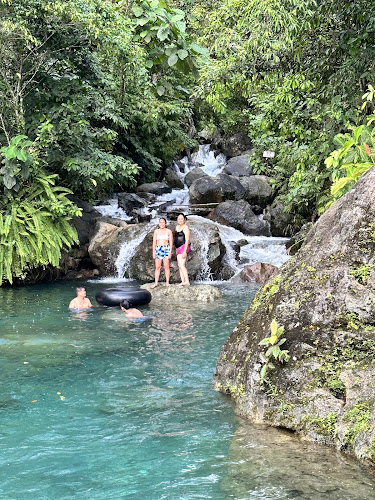
Tumipi Cold Spring

MrBon

Cong.Edelmiro Amante Firing Range
Find Accommodations Nearby
Recommended Tours & Activities
Visitor Reviews
There are no reviews yet. Be the first one to write one.
Share Your Experience
Have you visited Cabadbaran City Philippines? Help other travelers by leaving a review.