
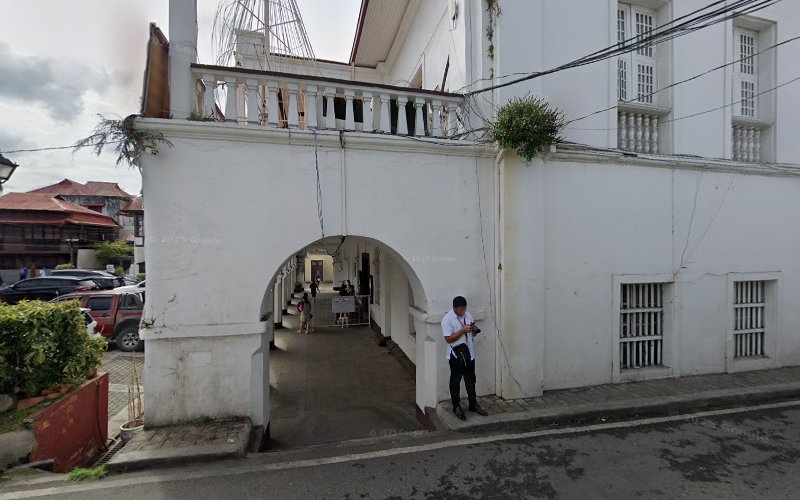
Bayan ng Taal Historical Marker
About Bayan ng Taal Historical Marker
Description
Key Features
- Cultural Significance: The marker commemorates the pivotal role of Taal in Philippine history, anchoring centuries of stories and events you likely never heard in school textbooks, especially about the Spanish era and Filipino resilience.
- Authentic Heritage Setting: Located amidst real-life Taal, surrounded by ancestral homes and heritage architecture—this isn’t some sterile museum, it’s living, breathing history. Peek at those capiz windows and crumbling walls while you’re at it.
- Photogenic Spot: The marker and its surroundings make a top-tier backdrop for travelers who adore street-style travel photos, historic buildings, and those classic, sunlit provincial vibes. I’ve lost count of how many photo-happy folks I’ve spotted here (not judging—I’m usually one of them).
- Kid-Friendly: It's safe and welcoming for families; younger visitors can easily grasp the significance thanks to the site’s straightforward display. And full disclosure—I’ve eavesdropped on more than one history-minded parent turning the visit into a lively impromptu storytelling session for their kids.
- Easy Access: You don’t have to trek or hike up a mountain; the marker is right in a central spot in town, making it a hassle-free addition to any Batangas itinerary.
- Gateway to Heritage Walks: Think of the marker as the kickoff point for exploring the rest of Taal. Ancestral mansions, the legendary Taal Basilica, plus local crafts and food, are all steps away.
- Educational Value: It’s like a cheat-sheet for Philippine history. Local guides often include this marker in their tours, so you get a goldmine of info without it getting overwhelming.
- Memorable Souvenirs Nearby: And while this isn’t about the marker, a trip here puts you steps away from Taal’s famous handmade balisongs (pocket knives) and barong shirts. I always tell friends: your history lesson isn’t complete till you browse at least one souvenir stall.
Best Time to Visit
How to Get There
Tips for Visiting
- Wear comfy shoes. Taal’s streets can be uneven, and trust me, you don’t want to twist an ankle on cobbles. Learned that the hard way during a hurried photo sprint—never again with those slippery sandals.
- Bring sun protection or an umbrella. The sun can have a field day during the dry months, and most nearby trees are for shade, not shelter. Don’t trust the weather app too much; the sun here is both friend and foe.
- Pack small bills and coins. Local stores and drivers appreciate exact fare, and bargaining for local goods just has a warm, old-school feel—makes the experience a touch more authentic.
- Respect the space. A lot of elders visit and local students pass by, so keeping noise and parking respectful goes a long way. Seeing how the locals value their own history always makes me pause and act a little more reverently, and so should we.
- Take time to listen. Don’t just read the marker—chat with a local. In my experience, asking simple questions often leads to stories no guidebook will tell you.
- Combine your visit with Taal Basilica and local eateries. A tour of the marker isn’t the full Taal experience without a steaming bowl of Lomi or some empanadas after. Honestly, a food stop is a must.
- Check local hours, but don’t stress if you’re late. Unlike big city attractions, this marker has a relaxed, small-town pace—there’s little risk of “closing time” drama, which suits forgetful folks (like me) perfectly.
- Photo ops—be creative! Don’t just snap the marker itself. Use the classic lamp posts, colonial houses, or side-street vendors as your frame. My best memory: a local kid photobombing my marker selfie—honestly, it made the shot.
- Be curious, be patient. It’s a small site, but see it in context. Let yourself wander, take your time, and soak in that unique mix of nostalgia and
Key Features
- Key Features
- Best Time to Visit
- How to Get There
- Tips for Visiting
More Details
Updated June 9, 2025
Table of Contents
Description
This isn’t your run-of-the-mill spot you’d breeze through. It’s like being back in school, only cooler, because the stories here—old, tangled, sometimes tragic, always fascinating—are literally written into the fabric of the town. And there’s something extra special knowing that generations of Taalenos (the local folks) still pass by this spot—maybe pausing, maybe not—to acknowledge the proud, sometimes heart-wrenching, but always resilient narrative of their town.
What stands out about the Bayan ng Taal Historical Marker is that it’s not locked away behind velvet ropes or glass. Real people go to school, do their shopping, or walk to church, with these stories looking on. It’s ordinary in the most extraordinary way. If you’re like me, you want your travel memories to have chapters, not just snaps for the ‘gram. The marker delivers those, layered deep.
But hey, I get it—some historical markers can feel like overhyped plaques. Not this one. The surroundings, the architecture, and the undeniable whisper of olden times make it legit, especially if you can soak it in during a less crowded hour. And with Taal’s reputation as the heritage capital of Batangas, you know this marker has earned its spot. Even the kiddos (I remember my niece nearly tripping over her own excitement here) end up wanting to learn a thing or two. That’s rare!
So whether you’re chasing old church facades, colonial streets, or you just love a good historical rabbit hole, Bayan ng Taal’s marker lets you feel like you’re in on a local secret.
Key Features
- Cultural Significance: The marker commemorates the pivotal role of Taal in Philippine history, anchoring centuries of stories and events you likely never heard in school textbooks, especially about the Spanish era and Filipino resilience.
- Authentic Heritage Setting: Located amidst real-life Taal, surrounded by ancestral homes and heritage architecture—this isn’t some sterile museum, it’s living, breathing history. Peek at those capiz windows and crumbling walls while you’re at it.
- Photogenic Spot: The marker and its surroundings make a top-tier backdrop for travelers who adore street-style travel photos, historic buildings, and those classic, sunlit provincial vibes. I’ve lost count of how many photo-happy folks I’ve spotted here (not judging—I’m usually one of them).
- Kid-Friendly: It’s safe and welcoming for families; younger visitors can easily grasp the significance thanks to the site’s straightforward display. And full disclosure—I’ve eavesdropped on more than one history-minded parent turning the visit into a lively impromptu storytelling session for their kids.
- Easy Access: You don’t have to trek or hike up a mountain; the marker is right in a central spot in town, making it a hassle-free addition to any Batangas itinerary.
- Gateway to Heritage Walks: Think of the marker as the kickoff point for exploring the rest of Taal. Ancestral mansions, the legendary Taal Basilica, plus local crafts and food, are all steps away.
- Educational Value: It’s like a cheat-sheet for Philippine history. Local guides often include this marker in their tours, so you get a goldmine of info without it getting overwhelming.
- Memorable Souvenirs Nearby: And while this isn’t about the marker, a trip here puts you steps away from Taal’s famous handmade balisongs (pocket knives) and barong shirts. I always tell friends: your history lesson isn’t complete till you browse at least one souvenir stall.
Best Time to Visit
Morning visits are golden, especially if you want time to soak in quiet, take uncrowded photos, and just mosey about before traffic or the heat kicks in. Avoid Sundays if you can—it gets busy with locals heading to the nearby Taal Basilica. I had a one-off Sunday midday visit once: lots of charm, yes, but also more people and a few noisy tricycles.
If you’re crazy for local fiestas or want more energy, check the Taal town calendar for festivals, like the Taal Town Fiesta in January. But for history purists, regular weekdays mean fewer distractions and more chance to linger without feeling rushed. Trust me, there’s nothing more magical than having a bit of history all to yourself, except maybe scoring a halo-halo in the plaza after.
How to Get There
If public transport’s more your thing—you’re in luck! Buses bound for Lemery from Cubao, Buendia, or Alabang can get you close, just check with the conductor for your stop (pro tip: never be shy about triple-checking, they know you’re probably a traveler from your camera bag anyway). From Lemery Terminal, tricycles or jeepneys are ready to ferry you straight into Taal’s town center. More often than not, I’ve found local drivers are a fountain of info; they love sharing which landmarks to hit—don’t be surprised if you’re told to check out multiple old houses along the way.
If you choose to ride with a group, van rentals are a thing too, though make sure to book early on weekends or holidays. Either drive yourself or let someone else pilot—it’s an adventure, and the last bits of rural highway give you those perfect countryside views. And yes, please bring some tunes for the ride—nothing complements Batangas’ rolling hills like a good playlist.
Tips for Visiting
- Wear comfy shoes. Taal’s streets can be uneven, and trust me, you don’t want to twist an ankle on cobbles. Learned that the hard way during a hurried photo sprint—never again with those slippery sandals.
- Bring sun protection or an umbrella. The sun can have a field day during the dry months, and most nearby trees are for shade, not shelter. Don’t trust the weather app too much; the sun here is both friend and foe.
- Pack small bills and coins. Local stores and drivers appreciate exact fare, and bargaining for local goods just has a warm, old-school feel—makes the experience a touch more authentic.
- Respect the space. A lot of elders visit and local students pass by, so keeping noise and parking respectful goes a long way. Seeing how the locals value their own history always makes me pause and act a little more reverently, and so should we.
- Take time to listen. Don’t just read the marker—chat with a local. In my experience, asking simple questions often leads to stories no guidebook will tell you.
- Combine your visit with Taal Basilica and local eateries. A tour of the marker isn’t the full Taal experience without a steaming bowl of Lomi or some empanadas after. Honestly, a food stop is a must.
- Check local hours, but don’t stress if you’re late. Unlike big city attractions, this marker has a relaxed, small-town pace—there’s little risk of “closing time” drama, which suits forgetful folks (like me) perfectly.
- Photo ops—be creative! Don’t just snap the marker itself. Use the classic lamp posts, colonial houses, or side-street vendors as your frame. My best memory: a local kid photobombing my marker selfie—honestly, it made the shot.
- Be curious, be patient. It’s a small site, but see it in context. Let yourself wander, take your time, and soak in that unique mix of nostalgia and
Key Highlights
- Key Features
- Best Time to Visit
- How to Get There
- Tips for Visiting
Location
Places to Stay Near Bayan ng Taal Historical Marker
Find and Book a Tour
Explore More Travel Guides
No reviews found! Be the first to review!
Traveler Reviews for Bayan ng Taal Historical Marker
There are no reviews yet. Be the first one to write one.
Have you visited Bayan ng Taal Historical Marker? Help other travelers by sharing your review.
You Might Also Like
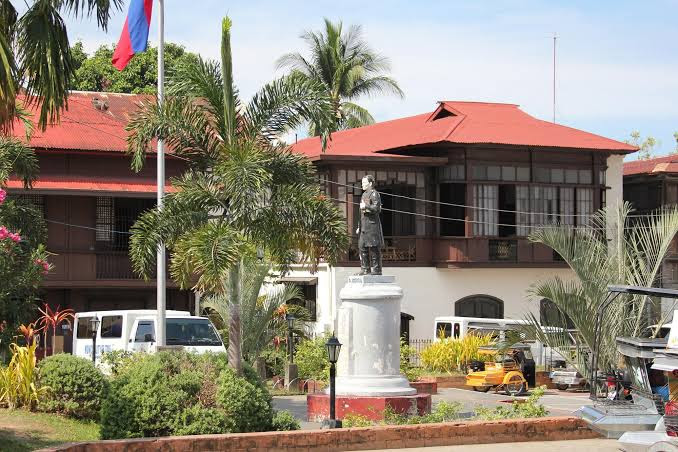
Casa Conchita
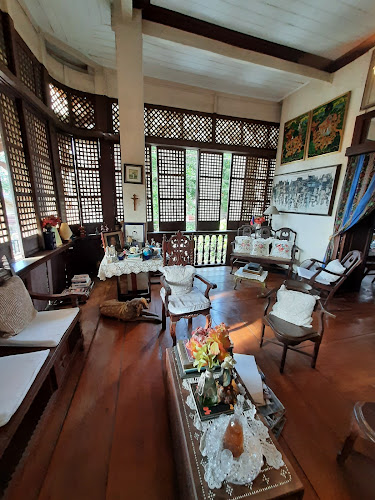
Goco Ancestral House
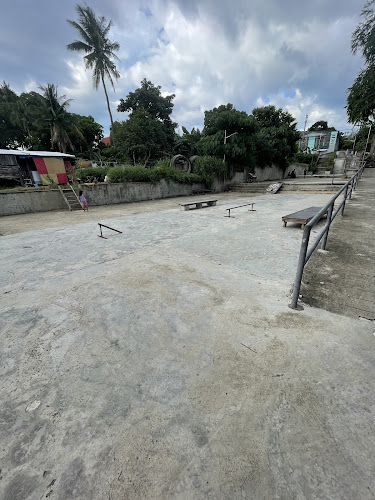
Taal Skate Park
Find Accommodations Nearby
Recommended Tours & Activities
Visitor Reviews
There are no reviews yet. Be the first one to write one.
Share Your Experience
Have you visited Bayan ng Taal Historical Marker? Help other travelers by leaving a review.