
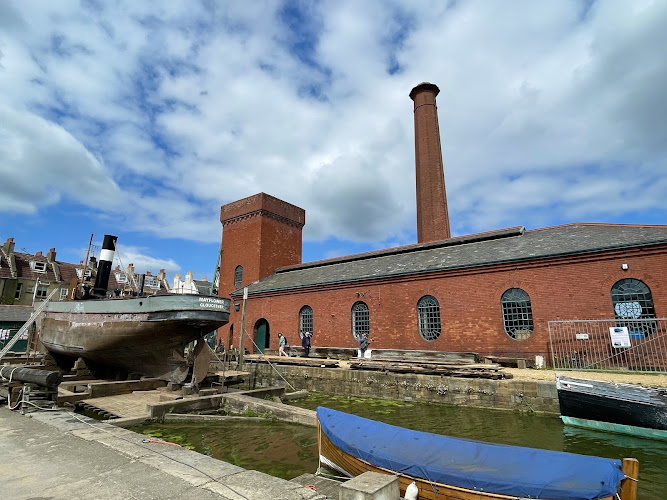
Underfall Yard
About Underfall Yard
Description
Underfall Yard represents one of those rare industrial heritage sites that manages to feel alive rather than preserved in amber. Located in Bristol's historic harbour area, this Victorian-era boatyard has been operating continuously since 1882, which honestly makes it one of the longest-running working boatyards in Britain. And that's not just a fun fact to toss around at dinner parties – you can actually feel the weight of that history when you walk through the place. What strikes most visitors first is how authentic everything feels here. This isn't some sanitized museum experience where you peer at exhibits behind glass. Real craftspeople still repair boats using traditional techniques, and you might catch the smell of varnish or hear the rhythmic sound of tools working wood. The site served as the hydraulic pumping station for Bristol's harbour system back in its heyday, and the original Victorian engineering is still visible throughout the complex. The interactive visitor centre does an excellent job of telling the story without being dry or overly academic. You'll learn about the Brunel-designed infrastructure that made Bristol's floating harbour possible, and how Underfall Yard fit into that larger engineering marvel. But beyond the educational aspects, there's something genuinely charming about watching modern boat repair work happening in spaces that have served the same purpose for over 140 years. The cafe serves as more than just a pit stop for refreshments. It occupies space within the historic buildings and offers views across the water, making it a pleasant spot to absorb the atmosphere even if you're not particularly nautical-minded. The whole site feels unpretentious and welcoming, which seems fitting for a place that's always been about practical work rather than showmanship.Key Features
- Working boatyard where visitors can observe traditional and modern boat repair techniques in action, offering a genuine glimpse into maritime craftsmanship
- Victorian hydraulic pumping station with original machinery that once powered Bristol's entire harbour system, including massive underground accumulators
- Interactive visitor centre providing hands-on exhibits about harbour history, engineering principles, and Bristol's maritime heritage
- Guided tours led by knowledgeable volunteers who often have personal connections to the harbour and can share stories you won't find in guidebooks
- Waterfront cafe serving breakfast and lunch with outdoor seating areas perfect for watching harbour activity
- Regular events including boat shows, heritage open days, and craft demonstrations that bring different aspects of maritime culture to life
- Fully accessible facilities with wheelchair-friendly entrances, parking, and restrooms making it welcoming for all visitors
- Original slipways and docks where boats are still launched and hauled out using methods that haven't changed much in a century
- Small museum spaces showcasing tools, photographs, and artifacts from the yard's long operational history
- Educational programs for schools and groups interested in engineering, maritime history, or traditional crafts
Best Time to Visit
Timing your visit to Underfall Yard really depends on what kind of experience you're after. The site operates year-round, but each season offers something different. Spring and early summer, roughly April through June, tends to be ideal for most travelers. The weather's generally cooperative without being sweltering, and this is when boat owners are preparing their vessels for the sailing season. You'll see more activity in the working boatyard during these months, which honestly makes the whole experience more engaging. There's something fascinating about watching a boat being lifted out of the water or seeing craftspeople applying fresh varnish to wooden hulls. Summer months bring longer opening hours and typically more events. The cafe's outdoor seating becomes much more appealing when you can sit in the sunshine watching harbour traffic. But be aware that July and August also bring more visitors, particularly during school holidays. It's never overwhelmingly crowded – this isn't a theme park – but you might find the tours filling up faster. Autumn has its own appeal, particularly September and early October. The tourist numbers drop off a bit, but the weather often stays mild in Bristol. The lower sun angle can create beautiful lighting conditions for photography, and there's something atmospheric about the harbour as the days grow shorter. Winter visits require more planning since opening hours are reduced. But I'd argue there's something special about seeing a working boatyard in the off-season. The cafe becomes a cozy refuge, and you get a more authentic sense of the place as a working facility rather than a tourist attraction. Just check opening times before making the journey, as some days may be closed entirely during winter months. Weekdays generally offer a quieter experience than weekends, though weekend visitors often find more special events or demonstrations scheduled. If you're interested in a guided tour, booking ahead is wise regardless of when you visit, as tour group sizes are limited to maintain quality.How to Get There
Getting to Underfall Yard is straightforward enough, though Bristol's harbour area can be a bit confusing if you're not familiar with the city's layout. The good news is that multiple transport options work well. If you're arriving by car, the site provides wheelchair-accessible parking, though spaces are somewhat limited. Bristol's harbour area wasn't exactly designed with modern traffic in mind, and parking can get tight during busy periods. Several public car parks serve the general harbour area, and from most of them, Underfall Yard is within reasonable walking distance. The walk along the harbourside is pleasant anyway, so don't stress too much about parking right at the entrance. Public transport probably makes more sense for many visitors. Bristol Temple Meads railway station sits about two miles from Underfall Yard, and from there you've got options. Several bus routes serve the harbour area, or you can walk it in roughly 30-40 minutes depending on your pace. The walk takes you through some interesting parts of Bristol, so it's not wasted time. Local buses provide good coverage of the harbour area, with several routes stopping within a short walk of Underfall Yard. The Bristol Ferry Boat Company operates harbour ferries that stop near the site, which is honestly one of the more enjoyable ways to arrive if you're already exploring the harbour area. There's something fitting about approaching a historic boatyard by water. For those cycling, Bristol has been improving its cycling infrastructure, and the harbourside features dedicated cycle paths for much of its length. Bike parking is available near the entrance. Walking from Bristol city centre takes about 25-30 minutes and follows the harbourside for most of the route. The path is well-maintained and signed, though it does get busy with joggers, cyclists, and other pedestrians during peak times.Tips for Visiting
First thing – don't expect a massive attraction with hours of structured activities. Underfall Yard rewards visitors who take their time and pay attention to details. Budget around two hours for a thorough visit including a tour, though you could easily spend half a day if you're really into maritime heritage or engineering. The guided tours are absolutely worth joining. Yes, you can explore much of the site independently, but the volunteer guides possess knowledge and stories that bring the place alive in ways that signage simply can't match. These folks often have decades of experience with Bristol's harbour, and they're genuinely passionate about sharing it. Tours run at scheduled times, so check the current timetable and plan accordingly. Wear practical footwear. This is a working boatyard, not a shopping mall. Surfaces can be uneven, occasionally wet, and you'll be doing some walking. Those fashionable shoes might look great in photos, but they'll make you miserable by the end of your visit. Bring a camera, but be respectful about photographing people working. Most craftspeople don't mind, but asking first is just good manners. The machinery, boats, and harbour views offer plenty of photographic opportunities without invading anyone's workspace. The cafe deserves more than just a quick coffee stop. Their menu isn't extensive, but what they do is generally well-executed, and the setting makes even a simple lunch feel special. Arriving for breakfast before exploring the site works well, as does finishing your visit with lunch while reflecting on what you've seen. If you're bringing children, understand that this isn't a playground. It's a working industrial site with real machinery and tools. The interactive elements in the visitor centre will keep kids engaged, but very young children need close supervision, particularly near the water. That said, many kids find watching actual boat work fascinating, especially if you help them understand what's happening. Check the events calendar before your visit. Special open days, craft demonstrations, and themed events happen regularly and can significantly enhance your experience. Some events require separate booking or have different admission arrangements. The site is fully accessible, which is genuinely commendable for a Victorian industrial facility. Wheelchair users can access all main areas, though some of the older buildings have their limitations. Staff members are helpful about working around any accessibility challenges. Consider combining your visit with other harbour attractions. Underfall Yard sits within Bristol's larger harbour complex, and several other museums, galleries, and attractions are within walking distance. The harbour ferry can turn multiple separate visits into a pleasant day of exploration. Finally, remember that this remains a working boatyard first and tourist attraction second. Operations sometimes take priority over visitor access, and what you see will vary depending on what boats are currently being worked on. That variability is part of the charm – you're seeing a living piece of maritime heritage, not a static display.Key Features
- Working Victorian boatyard with live restoration and repair activity
- Historic underfall sluices and engineering displays explaining harbour hydraulics
- Visitor centre and interactive exhibits about Bristol’s maritime history
- Regular events, guided tours and occasional hands-on workshops
- Picturesque harbour-side location with views of Spike Island and nearby waterfront
More Details
Updated March 30, 2026
Table of Contents
Description
Underfall Yard represents one of those rare industrial heritage sites that manages to feel alive rather than preserved in amber. Located in Bristol’s historic harbour area, this Victorian-era boatyard has been operating continuously since 1882, which honestly makes it one of the longest-running working boatyards in Britain. And that’s not just a fun fact to toss around at dinner parties – you can actually feel the weight of that history when you walk through the place.
What strikes most visitors first is how authentic everything feels here. This isn’t some sanitized museum experience where you peer at exhibits behind glass. Real craftspeople still repair boats using traditional techniques, and you might catch the smell of varnish or hear the rhythmic sound of tools working wood. The site served as the hydraulic pumping station for Bristol’s harbour system back in its heyday, and the original Victorian engineering is still visible throughout the complex.
The interactive visitor centre does an excellent job of telling the story without being dry or overly academic. You’ll learn about the Brunel-designed infrastructure that made Bristol’s floating harbour possible, and how Underfall Yard fit into that larger engineering marvel. But beyond the educational aspects, there’s something genuinely charming about watching modern boat repair work happening in spaces that have served the same purpose for over 140 years.
The cafe serves as more than just a pit stop for refreshments. It occupies space within the historic buildings and offers views across the water, making it a pleasant spot to absorb the atmosphere even if you’re not particularly nautical-minded. The whole site feels unpretentious and welcoming, which seems fitting for a place that’s always been about practical work rather than showmanship.
Key Features
- Working boatyard where visitors can observe traditional and modern boat repair techniques in action, offering a genuine glimpse into maritime craftsmanship
- Victorian hydraulic pumping station with original machinery that once powered Bristol’s entire harbour system, including massive underground accumulators
- Interactive visitor centre providing hands-on exhibits about harbour history, engineering principles, and Bristol’s maritime heritage
- Guided tours led by knowledgeable volunteers who often have personal connections to the harbour and can share stories you won’t find in guidebooks
- Waterfront cafe serving breakfast and lunch with outdoor seating areas perfect for watching harbour activity
- Regular events including boat shows, heritage open days, and craft demonstrations that bring different aspects of maritime culture to life
- Fully accessible facilities with wheelchair-friendly entrances, parking, and restrooms making it welcoming for all visitors
- Original slipways and docks where boats are still launched and hauled out using methods that haven’t changed much in a century
- Small museum spaces showcasing tools, photographs, and artifacts from the yard’s long operational history
- Educational programs for schools and groups interested in engineering, maritime history, or traditional crafts
Best Time to Visit
Timing your visit to Underfall Yard really depends on what kind of experience you’re after. The site operates year-round, but each season offers something different.
Spring and early summer, roughly April through June, tends to be ideal for most travelers. The weather’s generally cooperative without being sweltering, and this is when boat owners are preparing their vessels for the sailing season. You’ll see more activity in the working boatyard during these months, which honestly makes the whole experience more engaging. There’s something fascinating about watching a boat being lifted out of the water or seeing craftspeople applying fresh varnish to wooden hulls.
Summer months bring longer opening hours and typically more events. The cafe’s outdoor seating becomes much more appealing when you can sit in the sunshine watching harbour traffic. But be aware that July and August also bring more visitors, particularly during school holidays. It’s never overwhelmingly crowded – this isn’t a theme park – but you might find the tours filling up faster.
Autumn has its own appeal, particularly September and early October. The tourist numbers drop off a bit, but the weather often stays mild in Bristol. The lower sun angle can create beautiful lighting conditions for photography, and there’s something atmospheric about the harbour as the days grow shorter.
Winter visits require more planning since opening hours are reduced. But I’d argue there’s something special about seeing a working boatyard in the off-season. The cafe becomes a cozy refuge, and you get a more authentic sense of the place as a working facility rather than a tourist attraction. Just check opening times before making the journey, as some days may be closed entirely during winter months.
Weekdays generally offer a quieter experience than weekends, though weekend visitors often find more special events or demonstrations scheduled. If you’re interested in a guided tour, booking ahead is wise regardless of when you visit, as tour group sizes are limited to maintain quality.
How to Get There
Getting to Underfall Yard is straightforward enough, though Bristol’s harbour area can be a bit confusing if you’re not familiar with the city’s layout. The good news is that multiple transport options work well.
If you’re arriving by car, the site provides wheelchair-accessible parking, though spaces are somewhat limited. Bristol’s harbour area wasn’t exactly designed with modern traffic in mind, and parking can get tight during busy periods. Several public car parks serve the general harbour area, and from most of them, Underfall Yard is within reasonable walking distance. The walk along the harbourside is pleasant anyway, so don’t stress too much about parking right at the entrance.
Public transport probably makes more sense for many visitors. Bristol Temple Meads railway station sits about two miles from Underfall Yard, and from there you’ve got options. Several bus routes serve the harbour area, or you can walk it in roughly 30-40 minutes depending on your pace. The walk takes you through some interesting parts of Bristol, so it’s not wasted time.
Local buses provide good coverage of the harbour area, with several routes stopping within a short walk of Underfall Yard. The Bristol Ferry Boat Company operates harbour ferries that stop near the site, which is honestly one of the more enjoyable ways to arrive if you’re already exploring the harbour area. There’s something fitting about approaching a historic boatyard by water.
For those cycling, Bristol has been improving its cycling infrastructure, and the harbourside features dedicated cycle paths for much of its length. Bike parking is available near the entrance.
Walking from Bristol city centre takes about 25-30 minutes and follows the harbourside for most of the route. The path is well-maintained and signed, though it does get busy with joggers, cyclists, and other pedestrians during peak times.
Tips for Visiting
First thing – don’t expect a massive attraction with hours of structured activities. Underfall Yard rewards visitors who take their time and pay attention to details. Budget around two hours for a thorough visit including a tour, though you could easily spend half a day if you’re really into maritime heritage or engineering.
The guided tours are absolutely worth joining. Yes, you can explore much of the site independently, but the volunteer guides possess knowledge and stories that bring the place alive in ways that signage simply can’t match. These folks often have decades of experience with Bristol’s harbour, and they’re genuinely passionate about sharing it. Tours run at scheduled times, so check the current timetable and plan accordingly.
Wear practical footwear. This is a working boatyard, not a shopping mall. Surfaces can be uneven, occasionally wet, and you’ll be doing some walking. Those fashionable shoes might look great in photos, but they’ll make you miserable by the end of your visit.
Bring a camera, but be respectful about photographing people working. Most craftspeople don’t mind, but asking first is just good manners. The machinery, boats, and harbour views offer plenty of photographic opportunities without invading anyone’s workspace.
The cafe deserves more than just a quick coffee stop. Their menu isn’t extensive, but what they do is generally well-executed, and the setting makes even a simple lunch feel special. Arriving for breakfast before exploring the site works well, as does finishing your visit with lunch while reflecting on what you’ve seen.
If you’re bringing children, understand that this isn’t a playground. It’s a working industrial site with real machinery and tools. The interactive elements in the visitor centre will keep kids engaged, but very young children need close supervision, particularly near the water. That said, many kids find watching actual boat work fascinating, especially if you help them understand what’s happening.
Check the events calendar before your visit. Special open days, craft demonstrations, and themed events happen regularly and can significantly enhance your experience. Some events require separate booking or have different admission arrangements.
The site is fully accessible, which is genuinely commendable for a Victorian industrial facility. Wheelchair users can access all main areas, though some of the older buildings have their limitations. Staff members are helpful about working around any accessibility challenges.
Consider combining your visit with other harbour attractions. Underfall Yard sits within Bristol’s larger harbour complex, and several other museums, galleries, and attractions are within walking distance. The harbour ferry can turn multiple separate visits into a pleasant day of exploration.
Finally, remember that this remains a working boatyard first and tourist attraction second. Operations sometimes take priority over visitor access, and what you see will vary depending on what boats are currently being worked on. That variability is part of the charm – you’re seeing a living piece of maritime heritage, not a static display.
Key Highlights
- Working Victorian boatyard with live restoration and repair activity
- Historic underfall sluices and engineering displays explaining harbour hydraulics
- Visitor centre and interactive exhibits about Bristol’s maritime history
- Regular events, guided tours and occasional hands-on workshops
- Picturesque harbour-side location with views of Spike Island and nearby waterfront
Location
Places to Stay Near Underfall Yard
Find and Book a Tour
Explore More Travel Guides
No reviews found! Be the first to review!
Underfall Yard is a prominent attractions located in Bristol.
Visit us at: Underfall Yard, Cumberland Rd, Bristol BS1 6XG, Royaume-Uni.
Traveler Reviews for Underfall Yard
There are no reviews yet. Be the first one to write one.
Have you visited Underfall Yard? Help other travelers by sharing your review.
Nearby Attractions
You Might Also Like

Clifton Down

Brunel's SS Great Britain

Boundless Adventures - Kenosha Zipline & Aerial Park
Find Accommodations Nearby
Recommended Tours & Activities
Visitor Reviews
There are no reviews yet. Be the first one to write one.
Share Your Experience
Have you visited Underfall Yard? Help other travelers by leaving a review.