
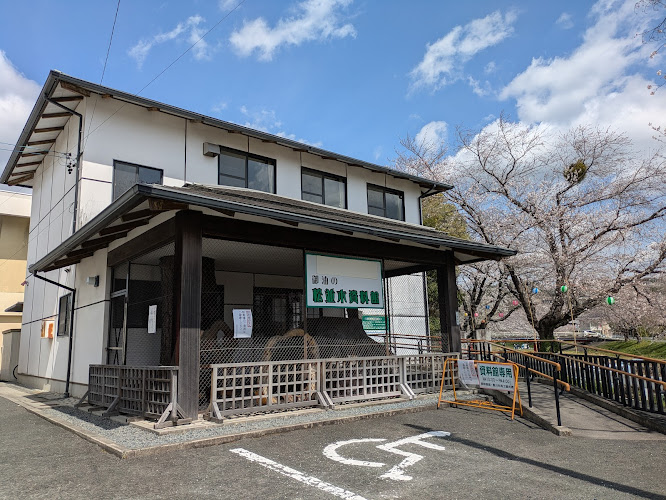
Toyogawashi Goyunomatsunamiki Museum
About Toyogawashi Goyunomatsunamiki Museum
Description
The Toyogawashi Goyunomatsunamiki Museum stands as a quietly proud local history museum in Aichi prefecture, with a particular reputation for preserving and showcasing ukiyo-e and related paper arts. The museum does not shout for attention — it prefers to be discovered slowly, by people who like to linger. It offers a focused look at the region's cultural identity: its woodblock prints, local narratives, and the tactile history of paper and printmaking. Visitors will find that the displays are arranged to tell a sequence of stories — not just objects behind glass, but threads connecting artisans, everyday life, and the landscapes that inspired many prints.
The curatorial approach leans toward intimacy rather than spectacle. Galleries are compact and thoughtfully lit, encouraging close inspection of delicate prints and paper textures. There is a pleasing restraint to the exhibitions: labels are informative without being pedantic, and the interpretation favors context — social, economic, and artistic — over lofty, disconnected art talk. That makes the museum especially good for travelers who like to learn the backstories that make a place memorable over the long haul.
Among the museum's strengths is its attention to ukiyo-e, the genre of woodblock prints that helped define visual culture in Edo-period Japan. But it is not an ukiyo-e temple solely for connoisseurs; the museum frames those prints within local life. So one sees not only celebrated artists' works but also the ways such imagery circulated locally: merchant connections, festival iconography, everyday tools and textiles pictured in prints that mirror real folk practices. This gives visitors a richer sense of how art and ordinary life braided together in the region.
Accessibility is practical here. The facility provides a wheelchair accessible restroom — a detail that sounds small until one needs it. The museum also maintains basic amenities like restrooms on site, though visitors should not expect on-premises dining options. That said, the environment encourages a slower pace: benches to sit on while reading labels, a few quiet corners for reflection, and an overall family-friendly layout. The lack of a restaurant can be a blessing; it keeps the place calm and ensures the focus is on the collections and the museum’s stories rather than a bustling café scene.
For travelers who enjoy niche museums, Toyogawashi Goyunomatsunamiki rewards time spent. The exhibition program sometimes rotates to highlight particular themes — certain printmakers, papermaking methods, or neighborhood histories — so repeat visits can feel fresh. Some displays include objects that are tactile or tangible: paper samples, tools, occasionally workshop-style setups (check the schedule). Those who appreciate hands-on detail tend to walk away with a clearer sense of how materials, techniques, and community memory intersect here.
It should be said: the experience is modest, not grand. This is not the Tokyo mega-museum experience. It’s smaller, often quieter, and more immediate. That quality is precisely what many travelers end up loving. The museum is the sort of place that rewards curiosity and time. Go expecting a thoughtful local narrative and you’ll leave with a better understanding of Toyokawa’s cultural threads — and maybe a new appreciation for how paper and print carried stories across generations.
Key Features
- Focused ukiyo-e collection with works that reflect regional themes and daily life rather than only famous names.
- Local history displays that connect printmaking, papermaking techniques, and community stories.
- Compact, easy-to-navigate galleries that encourage close viewing and reflection.
- Wheelchair accessible restroom, and basic on-site restrooms for visitor convenience.
- Periodic rotating exhibitions that highlight special topics — sometimes tools, sometimes neighborhood histories.
- Quiet atmosphere ideal for travelers who prefer slow, thoughtful museum visits.
- Informative labels and contextual interpretation geared toward non-specialists and curious visitors.
Best Time to Visit
The best time to visit the museum depends on what kind of experience the traveler wants. For crowd-free quiet and relaxed viewing, weekdays in mid-morning or early afternoon are usually ideal. Many travelers find that visiting right after opening — when the light is gentle and labels are easy to read without a crowd — makes the prints and paper details pop. If one enjoys a livelier scene, weekends and local holiday periods bring more families and regional visitors, which can be pleasant if you like overhearing local conversations that add color to exhibits.
Seasonally, spring and autumn are popular times to combine a museum visit with other local sightseeing. Cherry blossom season and the autumn leaf period attract more visitors to the area generally, so plan for a little extra time if touring then. Conversely, the quieter off-season months — late winter and early summer outside school breaks — can offer a more contemplative visit. If the museum hosts special exhibitions or workshops, those events often draw a spike in attendance; check the museum's event calendar before planning a trip if a particular exhibition is the main draw.
One practical tip based on experience: museums of this scale tend to have shorter opening hours than large metropolitan institutions. Arrive earlier in the day to avoid disappointment. And if weather is unpredictable — typhoon season in Japan can be dramatic — have a backup plan since smaller museums sometimes close during severe weather.
How to Get There
Getting to the museum is typically straightforward for travelers based in the region. Most visitors reach the area via Toyokawa by train; from Toyokawa station it’s usually a short bus or taxi ride to the local neighborhood where the museum sits. Trains that serve this part of Aichi prefecture are frequent enough, but schedules vary by service, so consulting a local timetable on the morning of travel is a good idea.
For those driving, regional roads are well-maintained and the general area is easy to navigate with a GPS. Parking in the immediate neighborhood can be limited during peak local events, so arriving earlier in the day helps. Taxis are a reliable option for shorter hops from major transit points if visitors prefer not to fuss with bus schedules. Travelers coming from larger nearby cities may find it comfortable to combine the museum visit with other local stops, making a half-day or full-day itinerary rather than a single hop.
Some visitors come as part of a cultural route that includes other small museums and shrines in the Aichi region. If that appeals, plan the travel sequence to avoid crisscrossing — group attractions geographically to save time. Public transport plus a bit of walking often provides the most relaxed way to see the neighborhood; bring comfortable shoes, because some of the best local details are in alleys and small streets that encourage slow exploration.
Tips for Visiting
The guide suggests a handful of practical tips to make the most of a visit.
- Plan for 60 to 90 minutes. This museum rewards slow looking; don’t rush. If exhibitions align with a special topic or workshop, add extra time.
- Check opening hours in advance. This is one of those places that may close mid-afternoon or have shorter hours on certain days. Arrive earlier rather than later.
- Photography policy varies. Flash is almost always prohibited for prints, and some exhibits may restrict photography entirely. Ask at the desk if in doubt — staff are usually helpful and will point out which pieces are safe to photograph.
- No on-site restaurant — bring a small snack or plan a meal before or after. There are pleasant local cafés nearby, but they can fill up, especially on weekends.
- Accessibility is taken seriously here with a wheelchair accessible restroom. Still, if mobility is a concern, call ahead to confirm full access and any accommodations needed.
- Cash and cards: smaller museums sometimes prefer cash for admission and purchases. Bring some local currency just in case; credit card acceptance may be limited.
- Look for tactile or material displays. If the museum is featuring papermaking, there may be sample materials or demonstrations. These are gold for understanding how prints were made, so don’t rush past them.
- Ask questions. Staff and volunteers often have great local knowledge, and the best stories about objects come from people who live with them every day. A quick chat can reveal neighborhood lore that isn’t on the labels.
- Combine the trip. This museum sits in a part of Aichi that rewards exploratory walking. Pair it with a stroll, a local market, or a shrine to stretch the visit into a small cultural circuit.
Finally, a small personal aside from the writer: once, on a rainy afternoon, the museum felt like a warm pocket of history. The light through the windows softened the colors of the prints and a staff member showed a visitor a small paper sample, explaining how the fibers made a particular effect. It was an ordinary moment, but it stuck. That kind of slow, human detail is what makes the Toyogawashi Goyunomatsunamiki Museum memorable — not because it's the biggest, but because it keeps the local stories close and hands them to visitors in a way that feels honest and unpretentious. If the traveler walks away with a single new piece of knowledge about papermaking, ukiyo-e, or local customs, then the museum has done its job well.
Key Features
- Focused ukiyo-e collection with works that reflect regional themes and daily life rather than only famous names.
- Local history displays that connect printmaking, papermaking techniques, and community stories.
- Compact, easy-to-navigate galleries that encourage close viewing and reflection.
- Wheelchair accessible restroom, and basic on-site restrooms for visitor convenience.
- Periodic rotating exhibitions that highlight special topics — sometimes tools, sometimes neighborhood histories.
- Quiet atmosphere ideal for travelers who prefer slow, thoughtful museum visits.
- Informative labels and contextual interpretation geared toward non-specialists and curious visitors.
- Plan for 60 to 90 minutes. This museum rewards slow looking; don’t rush. If exhibitions align with a special topic or workshop, add extra time.
More Details
Updated August 30, 2025
Table of Contents
- Description
- Key Features
- Best Time to Visit
- How to Get There
- Tips for Visiting
- Key Highlights
- Location
- Places to Stay Near Toyogawashi Goyunomatsunamiki Museum
- Find and Book a Tour
- Explore More Travel Guides
- Nearby Places You Might Like
- Traveler Reviews for Toyogawashi Goyunomatsunamiki Museum
- Share Your Experience
Description
The Toyogawashi Goyunomatsunamiki Museum stands as a quietly proud local history museum in Aichi prefecture, with a particular reputation for preserving and showcasing ukiyo-e and related paper arts. The museum does not shout for attention — it prefers to be discovered slowly, by people who like to linger. It offers a focused look at the region’s cultural identity: its woodblock prints, local narratives, and the tactile history of paper and printmaking. Visitors will find that the displays are arranged to tell a sequence of stories — not just objects behind glass, but threads connecting artisans, everyday life, and the landscapes that inspired many prints.
The curatorial approach leans toward intimacy rather than spectacle. Galleries are compact and thoughtfully lit, encouraging close inspection of delicate prints and paper textures. There is a pleasing restraint to the exhibitions: labels are informative without being pedantic, and the interpretation favors context — social, economic, and artistic — over lofty, disconnected art talk. That makes the museum especially good for travelers who like to learn the backstories that make a place memorable over the long haul.
Among the museum’s strengths is its attention to ukiyo-e, the genre of woodblock prints that helped define visual culture in Edo-period Japan. But it is not an ukiyo-e temple solely for connoisseurs; the museum frames those prints within local life. So one sees not only celebrated artists’ works but also the ways such imagery circulated locally: merchant connections, festival iconography, everyday tools and textiles pictured in prints that mirror real folk practices. This gives visitors a richer sense of how art and ordinary life braided together in the region.
Accessibility is practical here. The facility provides a wheelchair accessible restroom — a detail that sounds small until one needs it. The museum also maintains basic amenities like restrooms on site, though visitors should not expect on-premises dining options. That said, the environment encourages a slower pace: benches to sit on while reading labels, a few quiet corners for reflection, and an overall family-friendly layout. The lack of a restaurant can be a blessing; it keeps the place calm and ensures the focus is on the collections and the museum’s stories rather than a bustling café scene.
For travelers who enjoy niche museums, Toyogawashi Goyunomatsunamiki rewards time spent. The exhibition program sometimes rotates to highlight particular themes — certain printmakers, papermaking methods, or neighborhood histories — so repeat visits can feel fresh. Some displays include objects that are tactile or tangible: paper samples, tools, occasionally workshop-style setups (check the schedule). Those who appreciate hands-on detail tend to walk away with a clearer sense of how materials, techniques, and community memory intersect here.
It should be said: the experience is modest, not grand. This is not the Tokyo mega-museum experience. It’s smaller, often quieter, and more immediate. That quality is precisely what many travelers end up loving. The museum is the sort of place that rewards curiosity and time. Go expecting a thoughtful local narrative and you’ll leave with a better understanding of Toyokawa’s cultural threads — and maybe a new appreciation for how paper and print carried stories across generations.
Key Features
- Focused ukiyo-e collection with works that reflect regional themes and daily life rather than only famous names.
- Local history displays that connect printmaking, papermaking techniques, and community stories.
- Compact, easy-to-navigate galleries that encourage close viewing and reflection.
- Wheelchair accessible restroom, and basic on-site restrooms for visitor convenience.
- Periodic rotating exhibitions that highlight special topics — sometimes tools, sometimes neighborhood histories.
- Quiet atmosphere ideal for travelers who prefer slow, thoughtful museum visits.
- Informative labels and contextual interpretation geared toward non-specialists and curious visitors.
Best Time to Visit
The best time to visit the museum depends on what kind of experience the traveler wants. For crowd-free quiet and relaxed viewing, weekdays in mid-morning or early afternoon are usually ideal. Many travelers find that visiting right after opening — when the light is gentle and labels are easy to read without a crowd — makes the prints and paper details pop. If one enjoys a livelier scene, weekends and local holiday periods bring more families and regional visitors, which can be pleasant if you like overhearing local conversations that add color to exhibits.
Seasonally, spring and autumn are popular times to combine a museum visit with other local sightseeing. Cherry blossom season and the autumn leaf period attract more visitors to the area generally, so plan for a little extra time if touring then. Conversely, the quieter off-season months — late winter and early summer outside school breaks — can offer a more contemplative visit. If the museum hosts special exhibitions or workshops, those events often draw a spike in attendance; check the museum’s event calendar before planning a trip if a particular exhibition is the main draw.
One practical tip based on experience: museums of this scale tend to have shorter opening hours than large metropolitan institutions. Arrive earlier in the day to avoid disappointment. And if weather is unpredictable — typhoon season in Japan can be dramatic — have a backup plan since smaller museums sometimes close during severe weather.
How to Get There
Getting to the museum is typically straightforward for travelers based in the region. Most visitors reach the area via Toyokawa by train; from Toyokawa station it’s usually a short bus or taxi ride to the local neighborhood where the museum sits. Trains that serve this part of Aichi prefecture are frequent enough, but schedules vary by service, so consulting a local timetable on the morning of travel is a good idea.
For those driving, regional roads are well-maintained and the general area is easy to navigate with a GPS. Parking in the immediate neighborhood can be limited during peak local events, so arriving earlier in the day helps. Taxis are a reliable option for shorter hops from major transit points if visitors prefer not to fuss with bus schedules. Travelers coming from larger nearby cities may find it comfortable to combine the museum visit with other local stops, making a half-day or full-day itinerary rather than a single hop.
Some visitors come as part of a cultural route that includes other small museums and shrines in the Aichi region. If that appeals, plan the travel sequence to avoid crisscrossing — group attractions geographically to save time. Public transport plus a bit of walking often provides the most relaxed way to see the neighborhood; bring comfortable shoes, because some of the best local details are in alleys and small streets that encourage slow exploration.
Tips for Visiting
The guide suggests a handful of practical tips to make the most of a visit.
- Plan for 60 to 90 minutes. This museum rewards slow looking; don’t rush. If exhibitions align with a special topic or workshop, add extra time.
- Check opening hours in advance. This is one of those places that may close mid-afternoon or have shorter hours on certain days. Arrive earlier rather than later.
- Photography policy varies. Flash is almost always prohibited for prints, and some exhibits may restrict photography entirely. Ask at the desk if in doubt — staff are usually helpful and will point out which pieces are safe to photograph.
- No on-site restaurant — bring a small snack or plan a meal before or after. There are pleasant local cafés nearby, but they can fill up, especially on weekends.
- Accessibility is taken seriously here with a wheelchair accessible restroom. Still, if mobility is a concern, call ahead to confirm full access and any accommodations needed.
- Cash and cards: smaller museums sometimes prefer cash for admission and purchases. Bring some local currency just in case; credit card acceptance may be limited.
- Look for tactile or material displays. If the museum is featuring papermaking, there may be sample materials or demonstrations. These are gold for understanding how prints were made, so don’t rush past them.
- Ask questions. Staff and volunteers often have great local knowledge, and the best stories about objects come from people who live with them every day. A quick chat can reveal neighborhood lore that isn’t on the labels.
- Combine the trip. This museum sits in a part of Aichi that rewards exploratory walking. Pair it with a stroll, a local market, or a shrine to stretch the visit into a small cultural circuit.
Finally, a small personal aside from the writer: once, on a rainy afternoon, the museum felt like a warm pocket of history. The light through the windows softened the colors of the prints and a staff member showed a visitor a small paper sample, explaining how the fibers made a particular effect. It was an ordinary moment, but it stuck. That kind of slow, human detail is what makes the Toyogawashi Goyunomatsunamiki Museum memorable — not because it’s the biggest, but because it keeps the local stories close and hands them to visitors in a way that feels honest and unpretentious. If the traveler walks away with a single new piece of knowledge about papermaking, ukiyo-e, or local customs, then the museum has done its job well.
Key Highlights
- Focused ukiyo-e collection with works that reflect regional themes and daily life rather than only famous names.
- Local history displays that connect printmaking, papermaking techniques, and community stories.
- Compact, easy-to-navigate galleries that encourage close viewing and reflection.
- Wheelchair accessible restroom, and basic on-site restrooms for visitor convenience.
- Periodic rotating exhibitions that highlight special topics — sometimes tools, sometimes neighborhood histories.
- Quiet atmosphere ideal for travelers who prefer slow, thoughtful museum visits.
- Informative labels and contextual interpretation geared toward non-specialists and curious visitors.
- Plan for 60 to 90 minutes. This museum rewards slow looking; don’t rush. If exhibitions align with a special topic or workshop, add extra time.
Location
Places to Stay Near Toyogawashi Goyunomatsunamiki Museum
Find and Book a Tour
Explore More Travel Guides
No reviews found! Be the first to review!
Traveler Reviews for Toyogawashi Goyunomatsunamiki Museum
There are no reviews yet. Be the first one to write one.
Have you visited Toyogawashi Goyunomatsunamiki Museum? Help other travelers by sharing your review.
You Might Also Like
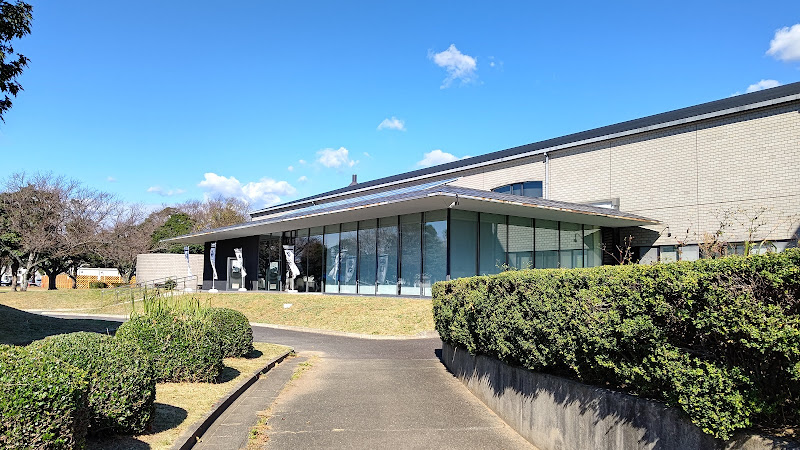
Sakuragaoka Museum
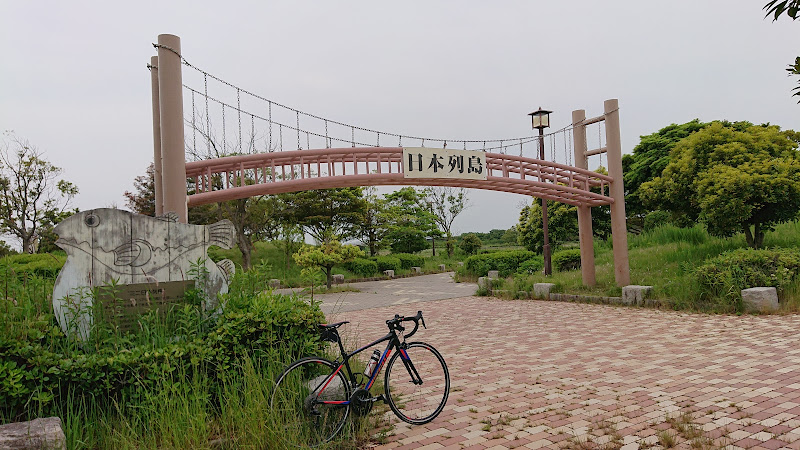
Nippon-retto Park
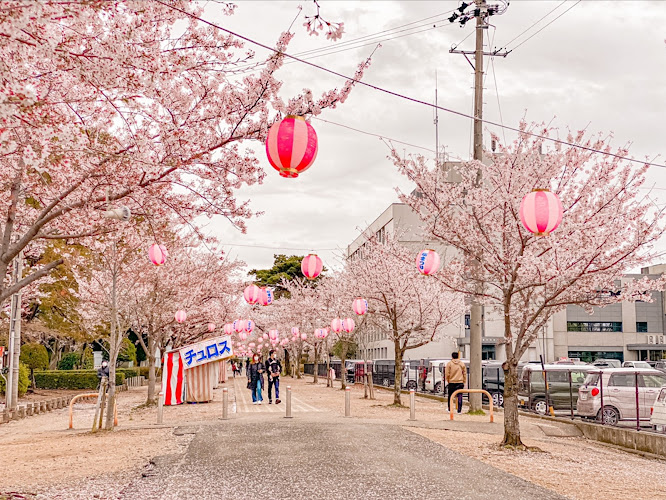
Toyokawa Park
Find Accommodations Nearby
Recommended Tours & Activities
Visitor Reviews
There are no reviews yet. Be the first one to write one.
Share Your Experience
Have you visited Toyogawashi Goyunomatsunamiki Museum? Help other travelers by leaving a review.