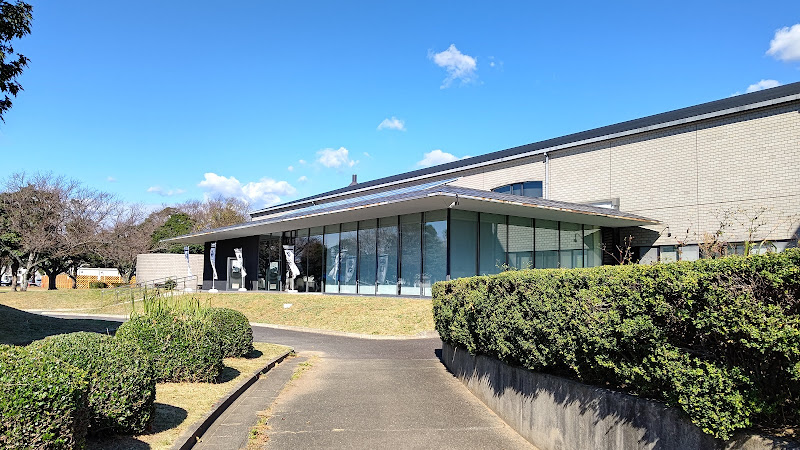
Sakuragaoka Museum in Toyokawa, Aichi is a quietly engaging cultural stop that mixes local history, artful displays, and a pleasant outdoor park area. The museum focuses on the region’s heritage and small-scale contemporary exhibits, presenting material in a way that feels approachable rather than formal or intimidating. Visitors will find rotating exhibitions, community-curated displays, and a few permanent pieces that speak to Toyokawa’s local identity. The site is compact enough to be enjoyed in 1 to 2 hours but substantial enough that curious visitors often stay longer.
The building itself is thoughtfully designed for accessibility: there is a wheelchair accessible entrance, parking, and restroom. That design choice shows up in everyday details—wide doorways, ramps, and clear signage—that make moving around easier for families with strollers and people using mobility aids. There’s no on-site restaurant, so the museumaires rely on a small picnic lawn and benches in the adjacent park for snack breaks. Restroom facilities are available, which is surprisingly welcome when traveling with kids or older relatives.
What sets Sakuragaoka Museum apart is its local focus. Many of the exhibits celebrate Toyokawa’s craftsmen, seasonal traditions, and agricultural past. Exhibitions can include everything from pottery and folk arts to photographic retrospectives of community life. It isn’t a massive national museum with huge-ticket artifacts; instead, it’s the kind of place that rewards a calm, curious visitor who likes to dig into local storylines. That intimacy means the experience often feels personal—staff are friendly, volunteers sometimes give impromptu tours, and the atmosphere encourages questions. If a traveler wants polished blockbuster shows, this isn’t it. But if one wants layered, human-scale cultural context while visiting Toyokawa, it fits the bill nicely.
Expect a family-friendly environment. The museum explicitly notes it is good for kids and the layout accommodates small groups and school visits. Outdoor space nearby invites a brief stroll after viewing exhibits, and seasonal plantings—particularly cherry blossoms in spring—add an extra layer of charm for photographers and slow-movers alike. Accessibility, modest parking, and an emphasis on community stories make Sakuragaoka Museum a relaxed, useful stop for people touring the region.
Key Features
- Community-centered exhibitions showcasing local crafts, history, and rotating contemporary works
- Wheelchair accessible entrance, parking lot, and restroom—designed to be inclusive
- Free on-site parking for visitors (handy for day-trippers and families)
- Good for kids: educational displays and layouts suitable for school groups
- Restroom facilities available on-site; note: no museum restaurant, so plan ahead for food
- Compact layout — practical to explore in 60–120 minutes, great for building into a half-day itinerary
- Adjacent park areas for picnics, short walks, and seasonal flower viewing
- Friendly, local staff and volunteers who often provide context that doesn’t appear on labels
- Quiet atmosphere ideal for reflective visitors and small-group tours
- Good stop on a broader Toyokawa route—pair with local shrines, marketplaces, or nature walks
Best Time to Visit
The ideal time to visit depends on what the traveler wants. For fewer crowds and a calmer visit, mid-morning on a weekday is usually best. Weekends attract families and local groups, which can be lively and fun, but also busier. For photographers and those chasing seasonal color, spring—when cherry trees in surrounding green spaces bloom—and late autumn, when nearby trees change color, are particularly rewarding times for a short park stroll after the museum visit.
If someone prefers cooler weather and gentler light, aim for late afternoon during spring or fall. The museum’s compact rooms catch soft natural light in the afternoon, and the park space feels mellow. Summer brings school groups and local kids, which is great if the visitor enjoys community energy. Winter may be quieter and is often the best time for slower, more contemplative exploration of exhibits without any rush.
Special exhibitions and local events can change the experience. If the traveler wants a deeper community vibe—workshops, craft demonstrations, or volunteers on hand—check the museum’s event calendar before planning the trip. Those community days are where the place really shines, giving a chance to watch a craft demo or join a short hands-on session. But note: there is no on-site restaurant, so for longer events it’s smart to plan a picnic or bring snacks.
How to Get There
Sakuragaoka Museum Toyokawa Japan is accessible by several modes, though the most convenient depends on the traveler’s base. From central Toyokawa, the museum is a short local bus ride or a quick taxi trip—travel time is generally brief, so it works well as a half-day stop. Drivers will appreciate the free on-site parking, which makes combining the visit with other nearby sites easy. Parking can fill on busy weekends, though, so early arrival is recommended if driving.
For regional travelers coming from Nagoya or other cities, the museum is an easy addition to a day trip itinerary. Trains to Toyokawa are common; once in Toyokawa, local buses and taxis serve the museum area. Travelers who prefer walking should be prepared for a short stroll if their transit stop isn’t right outside the museum gates—comfortable shoes help. For cycling visitors, the park-adjacent location makes it pleasant to approach by bike during fair weather.
Navigation apps are useful here; local signage is clear but often in Japanese. It’s a good idea to have a rough map or GPS coordinates in hand, especially for first-time visitors who may be connecting from a train station. Parking is free and on-site; still, weekend parking can get busy, so arriving a little earlier than planned takes stress out of the day.
Tips for Visiting
1. Time allocation: Plan for 60–120 minutes. Many visitors find an hour enough for the basic exhibits, but 90–120 minutes allows for a relaxed pace, reading labels, and enjoying the adjacent park. If a workshop or special event is happening, add another hour.
2. Food and drink: There is no restaurant on-site. Bring light snacks or a picnic if visiting for several hours, especially with children. The museum’s outdoor seating and park lawns make casual eating comfortable, weather permitting. Water bottles are recommended because vending options near the museum may be limited.
3. Accessibility and mobility: The museum is wheelchair accessible from entrance to restroom and has on-site parking designed for accessible use. Strollers are manageable. However, if someone requires specific assistance, calling ahead for staff help is sensible—staff are generally helpful and used to accommodating visitors with different needs.
4. Photography and etiquette: Photography policies vary by exhibition. Many permanent and outdoor spaces allow non-flash photos, but temporary exhibits might restrict shooting. When in doubt, ask staff. Also, the museum values quiet observation—voices that are too loud can disturb other visitors—so keep conversations at a respectful volume.
5. Language helpfulness: Exhibit labels are primarily in Japanese. To get more from the visit, bring a translation app or download a phrasebook with basic museum vocabulary. Sometimes volunteers or staff can give short English explanations, but this is not guaranteed. That said, visual displays are well curated; even without full language comprehension, the exhibits often tell their stories visually.
6. Combine it with local spots: The museum pairs well with other Toyokawa attractions—shrines, local markets, and neighborhood parks. Since the museum visit is compact, pairing it with a nearby lunch spot or a short market stroll makes for a pleasant half-day trip. Just keep in mind the lack of an on-site restaurant when planning mealtimes.
7. Crowd strategy: For the quietest visit, arrive when the doors open or mid-afternoon on a weekday. Weekends and public holidays bring more families and school groups. Arriving early also helps secure a convenient parking spot and gives time to enjoy the outdoor areas before they fill up.
8. Family essentials: If traveling with kids, bring coloring pads or lightweight activities for downtime, especially if waiting for workshops to begin. The museum is child-friendly but not a theme park, so small comforts—snacks, a sweater, comfortable shoes—make the experience smoother for everyone.
9. Budget and tickets: Admission is generally modest, but prices change for special exhibitions. Cash may be preferred for small purchases or local events, so having some on hand is useful. If the visitor is planning to attend a workshop or special event, reserving a spot in advance is wise when possible.
10. Respect local practices: Exhibits often represent local traditions and personal histories. Show respect—no touching items unless clearly allowed, and follow instructions for handling community artifacts. It’s a small museum, and considerate behavior helps preserve not only objects but also the relationships between the museum and its community contributors.
Final note: Sakuragaoka Museum offers a quietly rewarding experience for people who like to learn about place-based culture in a thoughtful setting. It doesn’t shout—the charms are subtle—but that’s part of its appeal. Whether the traveler is on a slow regional tour of Toyokawa or looking for a low-key cultural stop, the museum is a practical, accessible choice. Pack a snack, allow an hour or two, and let curiosity lead the way.
 Real Journey Travels