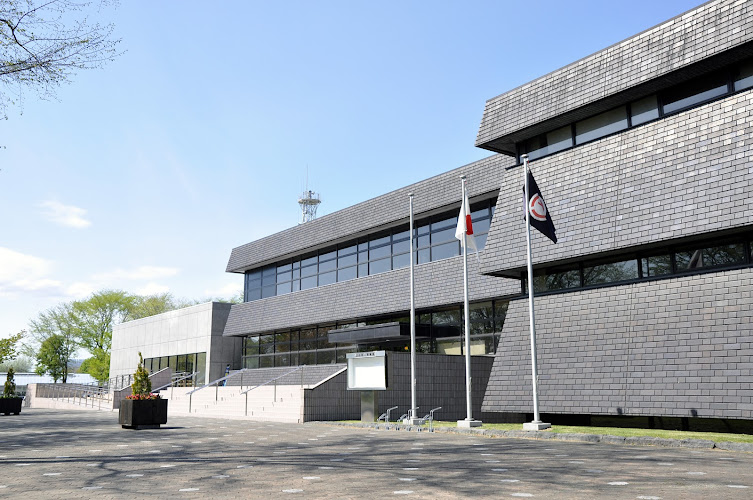
It presents a mix of art, local history and natural science that surprises many first-time visitors who might have expected only paintings on the walls. Instead, the collection spans prehistoric fossils, displays about Ainu culture, rotating contemporary exhibitions, and hands-on pieces that invite curiosity rather than quiet reverence. The building itself is clean-lined and approachable, the sort of place where people linger—not because they are obliged to, but because the exhibits coax them into slow looking.
Travelers who arrive expecting a traditional art-only museum often leave pleasantly puzzled in a good way. The museum balances visual art with regional storytelling: case studies of local artists sit next to geological specimens that tell the story of Hokkaido long before cities were mapped. That interplay makes the museum useful for more than a rainy afternoon; it becomes a bridge between natural history and human expression, and that makes for memorable viewing. People who tend to skip museums on trips often end up staying, drawn in by an exhibit that manages to surprise and teach at once.
Accessibility is a clear priority here, and that matters for families, travelers with mobility needs, and anyone pushing a stroller. There is a wheelchair-accessible entrance, on-site parking with accessible spaces, accessible restrooms, and even wheelchair rental. These practical details are not window dressing. They help turn a museum visit from a logistical headache into something that just happens. And yes, free parking on site is a small thing that quietly changes the whole day—no frantic nearby-lot hunting, no time wasted, which in turn lets people arrive relaxed and ready to look.
Admission is charged, but many visitors report that the fee feels fair given the breadth of exhibits and the care put into the displays. For families, the museum is kid-friendly—interactive elements, clear signage, and displays at reachable heights in some areas make it genuinely good for younger visitors. That said, it’s not a play space; it’s more like an inviting classroom where curiosity is rewarded. There’s public Wi-Fi available for those who want to look up an artist mid-viewing or share a standout piece with friends back home. On the practical side, note that there is no in-house restaurant, so plan ahead for meals. There are usually cafes or convenience stores nearby, but bringing a small snack can be comforting, especially with kids.
One of the museum’s distinctive strengths is its collection related to Ainu culture. Exhibits approach Ainu history and art with respect and contextual care, and the museum often includes explanatory panels and materials that go beyond surface-level descriptions. For travelers seeking a deeper understanding of Hokkaido’s indigenous heritage, this is a meaningful stop. And while not everything about Ainu culture can be conveyed in a single visit, the museum serves as a good starting point for those willing to read, ask questions, and follow up with other local sites and cultural centers.
Another frequently noted highlight is the museum’s prehistoric fossil displays. These exhibits are arranged to tell geological stories—how the land has changed, which creatures once roamed the area, and how these ancient narratives intersect with present-day Tomakomai. The fossils are presented with clear labels and interesting contextual information that appeals to non-specialists. It’s one thing to see bones behind glass; it’s another to read a short, well-crafted panel that ties those bones to the shifting seas and climates of the region. That kind of storytelling is what the museum does best.
Visitors should also expect rotating exhibitions. The temporary shows vary in scale and topic: contemporary artists from Hokkaido, thematic exhibits that explore design or photography, and sometimes collaborative displays that bring in pieces from other museums. Because of this rotation, repeat visits can feel fresh; someone who came when the museum first opened might find a very different program on a subsequent trip. That makes it a worthwhile stop even for those spending several days in Tomakomai.
Staff at the museum are generally helpful and willing to answer questions. Practical notes posted by the front desk cover basic things—where to find accessible restrooms, where to pick up a wheelchair if needed, and how to navigate galleries with strollers. The presence of friendly, informative staff changes a visit from passive viewing to an engaging experience where viewers can follow curiosities. A local volunteer or guide might point out a small detail in a piece that suddenly reorients how you see it. Those little interactions are undervalued, but they add a lot to a day spent inside.
Atmosphere here is calm without being solemn. The layout invites slow movement and reflection, but there are also moments that are attention-grabbing—an oversized installation, a fossil that seems impossibly old, or a textile whose pattern carries deep cultural meaning. The interplay of quiet galleries and bold displays makes pacing intuitive: one moment we’re reading a dense panel about coastal geology, and the next we’re catching our breath in front of a striking contemporary sculpture. For travelers, that mix is ideal. You won’t be exhausted after two rooms, and you won’t feel underwhelmed after wandering the whole museum.
Practical items that often matter to travelers: there is free parking on-site; restrooms include gender-neutral options; the museum accepts admission payments but lacks an on-site restaurant; and Wi-Fi is available. These are small but crucial details when planning a day trip or structuring an itinerary. Many visitors appreciate having these facts spelled out before arrival, because they avoid surprises and help allocate time effectively. The presence of accessible parking and restrooms is particularly notable for a regional museum—this is not always a given in smaller cities, and its availability speaks to good planning.
Finally, the museum’s setting in Tomakomai makes it a convenient cultural stop on a broader Hokkaido itinerary. It pairs well with outdoor excursions and other local cultural sites, making it a flexible option whether someone has a few hours or a full day to spare. If the weather is wet or colder, the museum provides a satisfying indoor alternative; if the sun is out, it still stands as a worthwhile detour before heading to coastal views or regional parks. In short, the Tomakomai City Art Museum is the kind of place that rewards curiosity and patience. It might not be the largest museum in Japan, but it is smartly curated, easy to navigate, and kind to the thoughtful traveler who wants to learn about Hokkaido’s art, people, and natural history without any pretense.
 Real Journey Travels