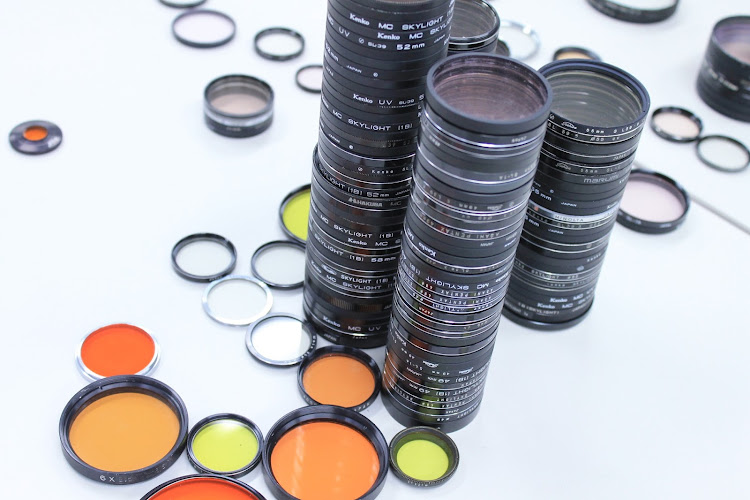
It presents a mix of vintage cameras, rare lenses, and contemporary photographic works that together chart how people have looked at the world through glass and metal. The museum aims to be both a reference point for camera enthusiasts and a gentle invitation for casual visitors who might otherwise think of photography only as a phone app. Its gallery rooms are arranged so that the collection feels like a conversation—old mechanical icons murmuring to modern digital experiments—and that approach makes the visit surprisingly lively.
Accessibility is a clear priority here: there is on-site parking with designated wheelchair-accessible spots, restrooms equipped for wheelchair users, and at least one gender-neutral restroom. Those practical details matter, and the museum does them well. Free Wi-Fi is available, which is handy because many people want to upload their shots or look up the makers and models that catch their eye. There is no full-service restaurant on the premises, but the surrounding neighborhood in Takaoka has plenty of cafes and small eateries within easy reach, so visitors rarely go hungry.
The overall vibe of the Fukuoka Camera Museum is intimate rather than monumental. It is not a sprawling national institution; it is a local gem with a focused mission. That makes it great for a relaxed afternoon when you want to learn without feeling rushed. It also means the exhibits rotate often; temporary shows highlight local photographers and specific technical themes, while the permanent displays let you trace the evolution of camera design and photographic technique. And for those who appreciate details, the museum often labels objects with manufacturing dates, tweaks, and telling anecdotes about how certain models transformed amateur or professional practice.
Many travelers come expecting a dry, technical collection and leave surprised by the storytelling. There are quirky bits too—prototype cameras no longer in production, a few lovingly restored rangefinders, and displays that encourage a closer look at the mechanics behind aperture and shutter speed. The museum tends to attract a mixed crowd: students working on assignments, older collectors nostalgic for their first SLR, couples on a day trip, and travelers who are just curious. Staff are approachable and knowledgeable; they will happily answer questions or suggest which exhibits are must-sees when time is limited.
Key Features
- Compact, easy-to-navigate layout well suited for a relaxed 60–90 minute visit
Best Time to Visit
The ideal time to visit the Fukuoka Camera Museum depends on what the visitor values most. For quieter gallery time and the chance to linger over technical details, weekdays outside public holidays work best; mornings often feel especially peaceful. But if a traveler wants to catch a temporary exhibition or a workshop, it is worth checking the museum calendar beforehand because those pop-up events are popular and can draw crowds.
Seasonality matters in a practical sense. Toyama prefecture experiences distinct seasons: spring brings milder weather and comfortable walking conditions, while autumn offers crisp air and clear skies that make approaching the museum a pleasant part of a day of sightseeing. Summer weekends can be busier, especially during national holiday periods like Golden Week and mid-August Obon, so if avoiding crowds matters, steer clear of those peak days. Winter visits have their own charm; fewer tourists mean more personal attention from staff and the galleries can feel cozy under soft lighting.
Visitors who are photographers themselves might plan a trip around workshop dates or guided talks, which are the best opportunities to handle equipment, learn techniques, and meet others with shared interests. Booking a weekday morning appointment if a private group session is desired can result in a more tailored experience.
How to Get There
The museum is located in Takaoka, Toyama prefecture, within convenient reach of regional transport hubs. Most travelers reach the area by taking a train to the nearest city station and then continuing by local bus or taxi. For those who prefer driving, the museum’s on-site parking makes it easy to arrive on your own schedule. The dedicated accessible parking spots take some of the stress out of driving with mobility needs, which is appreciated by many families and older visitors.
If arriving by public transit, expect a short onward trip from central Takaoka. Local buses and taxis are frequent enough that the last leg of the journey is short and straightforward. Many visitors combine a trip to the museum with a stroll through nearby streets or a visit to local shops and cafes, so allowing time for walking around helps the day feel less rushed. Maps and transit apps will point toward the museum area; signage in Takaoka is generally clear and in multiple languages at major transit nodes.
Driving is particularly handy if the visitor plans to bring photographic gear or intends to travel to several spots in the region. On-site parking limits the amount of carrying required, and the museum’s location makes it a logical stop on a broader Toyama or Hokuriku itinerary. For those renting a car, bear in mind that narrow streets and local traffic patterns can slow travel times at peak hours, so allot a cushion of time if the visit is timed around other reservations or tours.
Tips for Visiting
Plan for 60–90 minutes for a satisfying visit, though serious camera nerds could happily spend longer. If your heart is set on particular exhibits or workshops, check the museum’s schedule before you go; special displays rotate, and workshops can sell out. Also, while the museum provides Wi-Fi, cell signal in some parts of Toyama can be spotty, so download any maps or tickets you might need ahead of time just in case.
Bring your camera, of course, but be mindful of exhibit rules: some displays prohibit flash or tripod use. And do take advantage of the Wi-Fi to look up camera models or photographers you find intriguing—sometimes the label gives just a hint, and a quick search fills in the backstory. If you love hands-on experiences, ask staff about demonstration times; when available these are the moments that make the visit memorable.
Accessibility features are straightforward, but if you rely on particular services or assistance, a brief call ahead can save time. The staff are used to accommodating visitors with different needs and are happy to provide guidance about the most accessible routes through the museum. For families, the compact layout helps keep children engaged without long, exhausting walks, and the nearby eateries make snack breaks easy.
Cash and cards: payment options vary by museum and by season; having a little cash on hand is never a bad idea for ticketing, purchases, or nearby cafés. Dress in layers—Toyama’s coastal climate can shift in a day—so that you can be comfortable moving between indoor galleries and outdoor walks around Takaoka. And if you come with a list of camera models or photographers you want to see, bring it; part of the joy here is ticking items off that list as you go.
Finally, the museum rewards curiosity. Even if a visitor thinks cameras are all similar, a close look at mechanical differences and the stories behind certain designs tends to change minds. People often walk out with at least one surprising takeaway—maybe a new favorite photographer, or a rekindled desire to shoot on film. And who knows, you might stumble on an exhibit that sparks your next trip in Toyama or inspires a photo series of your own. The museum is small enough to feel personal, but rich enough to leave a lasting impression.
 Real Journey Travels