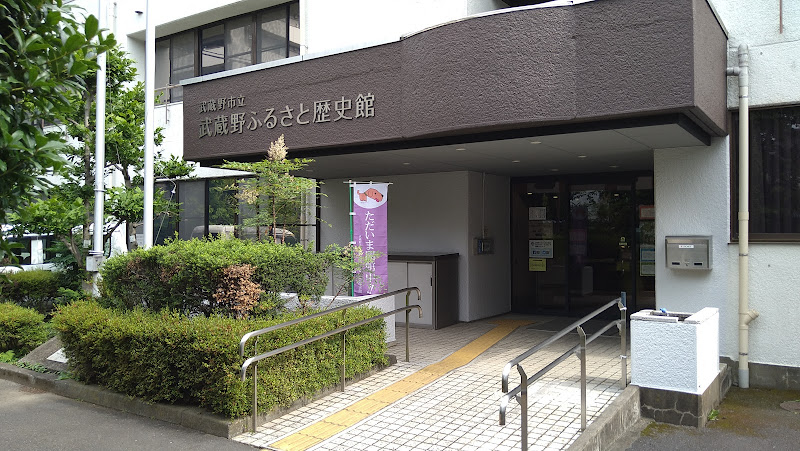
It’s not a massive museum where you’ll get lost in endless halls, but instead, it offers a deep dive into the story of Musashino—its people, its industries, and its role in Japan’s more turbulent moments. The museum highlights the area’s history, from its natural landscapes to its wartime past, including the bombing of the Nakajima Airplane Factory during World War II. It’s the kind of museum where you can actually feel the weight of history without being overwhelmed by it.
The atmosphere here is thoughtful and a bit contemplative. Some visitors see it as modest, while others find it surprisingly moving. I personally think it’s the kind of place that rewards curiosity—if you go in expecting flashy exhibits, you might be underwhelmed. But if you’re the type who enjoys quiet details, like the way an old tool was used or how a community rebuilt after devastation, you’ll probably leave with a lot to think about. Families often bring kids here, since the exhibits are accessible and easy to understand, but adults traveling solo or in small groups will probably get the most out of it. And yes, it’s wheelchair accessible, which is a big plus in my book.
It’s not perfect—some displays feel a little dated, and you might wish for more English explanations—but the heart of the museum is in the right place. It’s a community-driven space that preserves local memory, and that gives it a warmth you don’t always find in larger, more polished institutions.
Best Time to Visit
If you ask me, weekdays are the sweet spot. The museum doesn’t get as crowded as Tokyo’s big-name attractions, but weekends can still bring in families and school groups. On a weekday afternoon, you might find yourself wandering the galleries almost alone, which makes it easier to soak in the exhibits without distractions.
Season-wise, I’d say spring and autumn are the best times. Why? Because Musashino itself is beautiful during those months. Imagine spending a couple of hours at the museum, then heading to nearby Inokashira Park where the cherry blossoms or autumn leaves are in full swing. It makes for a really balanced day—history indoors, nature outdoors. Summer can be a bit hot and sticky, while winter is fine but less atmospheric unless you’re into crisp, chilly walks.
How to Get There
The museum is located in Musashino City, which is part of western Tokyo. If you’re already in central Tokyo, the easiest way is to hop on a JR Chuo Line train and get off at Kichijoji or Mitaka Station. From there, it’s a short bus ride or a manageable walk, depending on how much energy you’ve got that day. I usually prefer walking because the neighborhood is charming in its own understated way—you’ll pass small shops, cafes, and residential streets that give you a feel for everyday life here.
If you’re traveling with kids or carrying heavy bags, the bus option is more convenient. Signage in English isn’t always perfect, but locals are friendly and usually happy to help if you look lost. Just keep a translation app handy, and you’ll be fine.
Tips for Visiting
First off, don’t rush. Even though the museum isn’t huge, it deserves at least an hour or two of your time. Take a moment to watch the documentary films—they’re not overly long, but they give important context that ties the exhibits together.
Second, if you don’t read Japanese, you might want to do a little homework beforehand. Reading up on Musashino’s wartime history or the Nakajima Airplane Factory will help you appreciate the exhibits more. Some displays do have English, but not all. I once brought a Japanese friend along, and it made the visit much richer because they could explain nuances I would’ve missed.
Third, plan your day so you can explore the surrounding area too. The museum itself won’t take up your whole day, so pair it with a stroll through Inokashira Park, a visit to Ghibli Museum if you’re lucky enough to snag tickets, or just some leisurely shopping in Kichijoji. It turns the museum into part of a bigger, more memorable outing.
And finally—don’t expect perfection. Some people might find the exhibits a bit plain or old-fashioned, but I think that’s part of the charm. It feels authentic, like you’re stepping into a community’s memory rather than a polished tourist attraction. Go in with an open mind, and you’ll probably leave with a deeper appreciation for this corner of Tokyo.
 Real Journey Travels