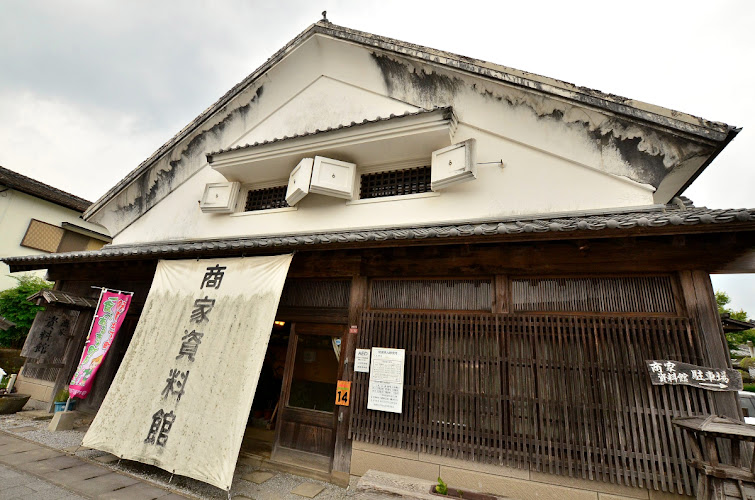
At first glance, it might seem like a small-town museum tucked away in the historic Obi Castle district, but once inside, it opens a door into the everyday life of Japan during the Edo period and beyond. The building itself has a story to tell—it was constructed back in 1870 by Yamamoto Gohei, a forestry expert, using an enormous Obi cedar tree that was already over 200 years old at the time. That alone feels like stepping into a living piece of history.
What makes the museum stand out isn’t just its collection of merchant tools, household artifacts, and business records from the days when Obi thrived as a castle town. It’s the way these objects are displayed in a setting that feels authentic and lived-in. You don’t just see the exhibits; you feel the rhythm of daily life from centuries ago. Some visitors find it modest compared to larger museums, but that’s also part of its charm—it’s more intimate, more personal, and it doesn’t overwhelm you with endless displays. Instead, it leaves space for your imagination to fill in the gaps.
It’s not a flashy attraction with interactive screens or modern gimmicks, but if you’re the kind of traveler who enjoys peeling back the layers of a place slowly, the Shoka Museum rewards you with quiet insights. And honestly, that’s what makes it special.
Best Time to Visit
If you ask locals, spring and autumn are the sweet spots for visiting Nichinan and the Shoka Museum. In spring, the Obi Castle town is dotted with cherry blossoms, and walking between the museum and the castle ruins feels like strolling through a postcard. Autumn, on the other hand, brings cooler air and fiery foliage that makes the wooden structure of the museum feel even cozier.
Summer can be hot and humid, and while the museum offers a cool retreat, exploring the surrounding area might feel sticky. Winter is quieter, with fewer tourists, so if you enjoy having places almost to yourself, that’s a good bet too. Personally, I found autumn afternoons particularly magical—something about the golden light hitting the cedar wood just makes the whole place glow.
How to Get There
Reaching the Shoka Museum is fairly straightforward if you’re already exploring Miyazaki Prefecture. Most travelers head to Obi Castle town first, and the museum is right within walking distance of the main attractions there. If you’re coming by train, Obi Station on the JR Nichinan Line is your stop. From there, it’s about a 15-minute walk through the charming old streets to the museum.
For those driving, parking is available at the Obi Kanko Parking Lot, which is free and convenient. From the lot, it’s just a short stroll to the museum and other highlights in the area. Honestly, walking is half the fun here—you get to soak in the atmosphere of the preserved merchant town on your way.
Tips for Visiting
First tip: don’t rush. The Shoka Museum isn’t huge, but it’s the kind of place where slowing down makes all the difference. Take time to notice the details—the grain of the cedar beams, the way tools were worn from use, the faint smell of old wood. It’s those little things that bring the past to life.
Second, bring some water and maybe a snack if you’re planning to spend the day in Obi, since the museum itself doesn’t have a café or restaurant. Luckily, the town has small eateries and tea houses nearby where you can refuel afterward.
Third, pair your visit with other sites in Obi Castle town. The museum gives you context for the merchant class, while the castle ruins and samurai residences add layers to the story. Together, they create a fuller picture of what life was like centuries ago.
And finally—don’t worry if you don’t speak Japanese fluently. While not everything is translated, the objects themselves speak volumes. Plus, the staff are friendly and used to visitors from abroad, so you’ll feel welcome. If you’re like me, you might even find yourself imagining the daily hustle of merchants and families who once walked these same floors. That’s the kind of travel memory that sticks.
 Real Journey Travels