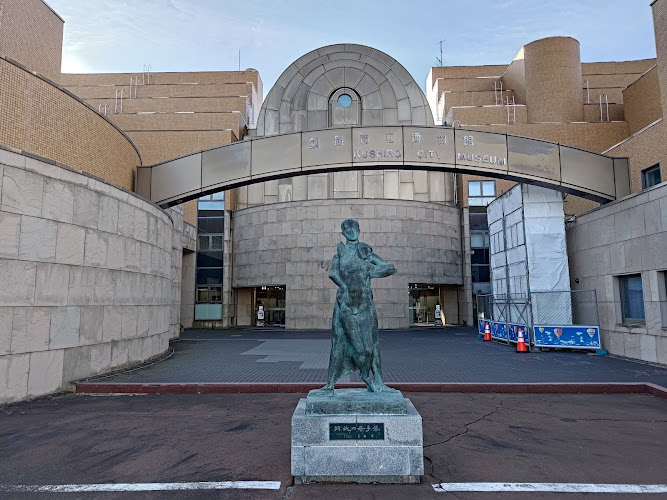
At first glance, it’s the building itself that catches the eye—its tiered, crane-inspired design feels both modern and deeply tied to the region’s natural heritage. Step inside, and it becomes clear that this isn’t just a museum; it’s a time capsule of Kushiro’s story. From the sprawling wetlands and rare red-crowned cranes to the traditions of the Ainu people, the museum walks you through centuries of history and culture in a way that feels both educational and personal.
It’s not a massive museum that will overwhelm you, but it’s also not the kind you breeze through in 15 minutes. The exhibits are thoughtfully laid out, with dioramas, fossils, and even an aquarium of hibuna goldfish that kids tend to linger around. One entire floor is devoted to Ainu culture, and it’s one of the largest such displays in Japan. That alone makes it worth a visit if you’ve ever been curious about indigenous traditions that rarely get the spotlight elsewhere. While some displays may feel a bit old-school, the charm is in the details—it’s the kind of place where you’ll find yourself unexpectedly fascinated by a taxidermy bird or a centuries-old fishing tool.
Overall, the museum leaves a warm impression. It’s accessible, family-friendly, and doesn’t try too hard to be flashy. Instead, it leans on authenticity and the richness of its collections. Sure, if you’re someone who only enjoys cutting-edge interactive displays, you might find it a little dated in spots. But for most travelers, especially those curious about Hokkaido’s unique environment and people, this museum hits the sweet spot between learning and exploring at your own pace.
Best Time to Visit
The museum is open year-round, but timing your visit can add a little extra magic. If you’re already in Kushiro during winter, pairing a museum trip with a crane-watching excursion at Kushiro Shitsugen National Park is a winning combo. The museum gives you the background story, and then you get to see the red-crowned cranes in the wild—it’s like the exhibits come alive. Summer visits are also rewarding, especially if you’re exploring Lake Akan or the marshlands nearby. On rainy days, the museum is a perfect escape, offering a cozy way to still connect with the region without braving the weather.
How to Get There
Kushiro City Museum sits along Lake Harutori, a short ride from central Kushiro. Travelers arriving by train at JR Kushiro Station can hop on a local bus or take a quick taxi ride—usually under 15 minutes. If you’re driving, the free on-site parking is a huge perk, especially in a city where attractions can be spread out. For those who like walking, it’s about half an hour on foot from the station, though the uphill stretch near the museum might leave you a bit winded. Personally, I’d recommend the bus or taxi unless you’re really into stretching your legs.
Tips for Visiting
First off, give yourself at least 1–2 hours. It’s not the Louvre, but rushing through would mean missing the quirky details that make this place special. If you’re traveling with kids, the hands-on displays and fish tank are lifesavers—they’ll stay entertained while you soak in the history. And don’t skip the Ainu floor; even if you think you’ve seen cultural exhibits before, this one feels particularly immersive.
Photography is allowed in many areas, but always double-check the signs—some artifacts are sensitive. The signage is mostly in Japanese, though there are English descriptions in key sections. If you know a few words of Japanese, it helps, but honestly, the visuals and dioramas speak for themselves. Bring a light jacket too; like many museums in Japan, the air conditioning can be stronger than expected in summer. And if you’re planning to explore more of Kushiro afterward, the museum makes a great starting point for understanding the land and people before heading out into the marshes or the fishing port.
One last thought—don’t expect a café or restaurant inside. That was a surprise to me the first time I visited. Plan to eat before or after your trip. Luckily, central Kushiro has plenty of local spots serving seafood that’s as fresh as it gets. So, think of the museum as a satisfying appetizer before diving into the city’s food scene.
 Real Journey Travels