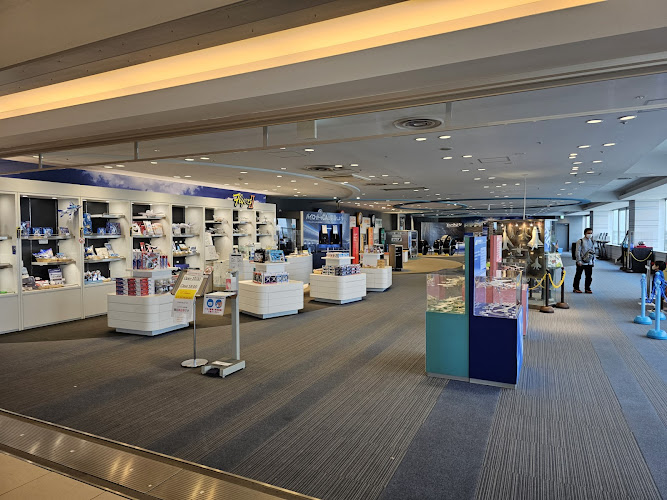
The SKY Museum at the Domestic Terminal in Chitose, Hokkaido, is an aviation-focused attraction that quietly earns a spot on many travelers’ itineraries. It presents aircraft history, cockpit displays, and interactive exhibits in an accessible, compact format that suits the curious passenger with a layover or the aviation enthusiast with a day to spare. The museum is designed for straightforward exploration: exhibits are laid out logically, signage is bilingual in many areas, and there are touchpoints—literally—where visitors can handle replica controls or try simple flight-simulator stations.
Visitors will notice that the space balances technical detail with approachable storytelling. There are panels about regional air routes, the evolution of aircraft used in northern Japan, and a respectful nod to safety procedures and local aviation milestones. The physical environment is friendly to families and travelers with limited mobility. Restroom facilities are on-site and there are wheelchair-accessible entrances, restrooms, and parking—so the logistics of getting around are easier than a lot of airport-adjacent attractions.
It’s not huge, and it doesn’t pretend to be. But that’s part of the appeal. People who might expect a sprawling museum will find something curated, efficient, and immediately relevant to the travel experience. A veteran traveler once remarked that a brief visit to the SKY Museum felt like a pocket-sized primer on Hokkaido’s skies—enough to spark curiosity without eating an entire day. That’s apt: this is a place for quick inspiration as much as for deeper interest.
What the museum does especially well is connect the machines to the people who operate and maintain them. There are photo displays, uniforms, tools, and anecdotal captions that give human scale to the engineering. And yes, there’s a small section geared toward kids: simple explanations, hands-on elements, and enough color to keep younger attention spans engaged. Payment systems accept credit cards, which is a relief for travelers who prefer to avoid carrying much cash; and the restrooms and seating areas are kept in clean, practical condition.
Overall sentiment—if one reads between the lines of many traveler accounts—is positive. The place is often praised for its convenience, cleanliness, and suitability for families. There are occasional notes about the exhibit breadth (some wish for more interactive or longer displays), but such comments are balanced by frequent appreciation for the museum’s accessibility and the neat little surprises tucked into its panels. For anyone passing through Chitose’s Domestic Terminal, the SKY Museum is a compact stop that rewards curiosity without demanding a huge time investment.
Key Features
- Interactive flight-simulator stations and cockpit mockups that let visitors experiment with basic controls and learn about pilot perspectives.
- Exhibits focused on regional air routes, aircraft used in northern Japan, and the history of aviation in Hokkaido—contextualized with photos and artifacts.
- Family-friendly displays and kid-oriented explanations to keep younger visitors engaged while adults explore technical content.
- Wheelchair accessible entrance, parking, and restrooms, making the museum genuinely navigable for visitors with reduced mobility.
- On-site restrooms and seating areas for short rests between exhibits; practical and clean, not flashy.
- Credit card-friendly payments at the entrance and for any on-site purchases—convenient for international travelers.
- Concise exhibit layout designed for efficient visits—ideal for layovers or short windows of time.
- Photographic and written tributes to airline staff, maintenance crews, and local aviation pioneers—adds human interest to technical displays.
- Multilingual signage in key sections, easing comprehension for non-Japanese speakers.
- A compact shop area with aviation-themed souvenirs and practical travel items for impulse buys before departure.
Best Time to Visit
The SKY Museum works well year-round because it is indoors and climate-controlled, but a few timing details can help visitors get the most out of the experience. Mid-morning on weekdays tends to be the calmest time—fewer families and fewer simultaneous tours. If a quiet visit is what one seeks, aiming for a weekday between 10:00 and 12:00 often yields the clearest access to interactive stations without a wait.
During peak travel periods—holiday weekends and local travel seasons—expect short lines at the simulator stations and a busier atmosphere in the terminal overall. That said, a slightly busier museum can be energizing: children laughing at the mock cockpit, pilots who stop by to take a nostalgic look, and the hum of travelers’ conversations. For photographers, early morning light spilling into the terminal can make exterior plane shots a little nicer before security and crowds pick up.
Seasonal context matters too. Hokkaido winters are famous, and the Domestic Terminal often sees lively traveler traffic tied to winter sports season. Visitors who are in Chitose for ski trips should factor in extra time for baggage and commute, but the museum itself remains a handy stop on the way into or out of the terminal. In short: a short detour during quieter morning hours is recommended, but the museum is forgiving and useful any time the terminal is open.
How to Get There
The SKY Museum is located within the Domestic Terminal area of the Chitose airport complex. It is intentionally set up for convenience for air travelers, so entering the museum is straightforward if one is already in the terminal. For visitors arriving by car or bus, the terminal has clear signage that directs to the Domestic Terminal facilities; the museum sits inside the public area, meaning no additional security clearance is required just to visit exhibitions.
Public transport to the airport is frequent and reliable. Local trains and shuttle buses connect Chitose with central Sapporo and surrounding towns. Many travelers coming from Sapporo will take the rapid train or airport bus, then follow simple indoor signage to the Domestic Terminal when they arrive. For those driving, short-term parking near the terminal is available; the museum’s wheelchair-accessible parking makes arrival easier for mobility-impaired visitors.
Walk-in visitors who are staying nearby sometimes make a short trip for the museum and other terminal amenities. Because the museum is inside the terminal building, visitors can combine the stop with airport shopping, meals, or simply plane-watching from terminal windows. Navigating the terminal is generally intuitive—look for Domestic Terminal directions on arrival signage and then follow the museum signs on the public concourse.
Tips for Visiting
Plan a short time slot. The museum is compact, and a focused visit of 30–60 minutes will cover the highlights. People who love aircraft and historical detail can easily spend longer, but most travelers will find that an hour is plenty unless they linger at interactive exhibits or read every caption closely.
Bring a camera. The museum allows photography in most areas, and the cockpit mockups and display panels make for fun, easy shots. It’s helpful to bring a lightweight camera or phone with enough battery—flight-simulator stations and interactive displays can be memorable to capture. That said, be courteous: if someone is using a simulator, wait your turn and avoid stepping into their shot while they’re engaged.
Use the museum as a layover activity. If a traveler has a few hours between flights, the SKY Museum is an ideal, low-stress diversion that keeps one inside the terminal while offering a sense of place. It’s particularly useful for families with children who need to burn off a little energy before a flight.
Ask the staff questions. The museum staff are often happy to provide local context—like how regional air services have evolved or what days certain aircraft are more likely to be visible. Staff can also point out the less obvious exhibits or suggest the best angle for photos. It’s a small thing, but a friendly chat can turn a pass-through stop into a memorable exchange.
Watch for quiet times at interactive stations. If a simulator is occupied, the wait isn’t usually long; visitors who return later in their airport stay will often find it freed up. If a family is in a rush, it’s useful to prioritize which exhibits matter most—cockpit mockups first, then historical panels, for example.
Consider the weather outside. On clear days, the terminal’s windows are great for plane-spotting. On snowy or gusty days (Hokkaido winter can be dramatic), the museum is a cozy, informative indoor alternative that still connects visitors to aviation outside the glass. And yes, there’s a certain comfort in watching planes come and go while staying warm inside.
Be mindful of accessibility features. Parking, entrances, and restrooms are wheelchair accessible, but if a visitor requires specific assistance, it can help to contact airport information desks ahead of time. The museum’s layout is favorable for mobility aids, but peak crowds can change how easily one navigates the space.
Budget a small amount for the shop. The museum’s souvenir selection is modest but thoughtfully curated: small models, patches, and useful travel items. Visitors who want a compact keepsake or a practical travel tool will find something appropriate without needing to over-spend.
Finally, temper expectations. The SKY Museum is efficient and well put together, not an encyclopedic national museum. Those looking for a deep, museum-scale experience may be slightly underwhelmed, while travelers seeking an informative, friendly stop in the Domestic Terminal will likely be pleasantly surprised. It’s one of those places where practicality meets passion: short, focused, and quietly satisfying.
In sum, the SKY Museum at Chitose’s Domestic Terminal is a neat, traveler-minded attraction. It keeps accessibility, family needs, and quick experiences in mind, offering an enjoyable pocket of aviation culture for anyone passing through Hokkaido’s skies. Visitors who take a short detour often leave with a better sense of the region’s aviation story—and maybe, just maybe, a small souvenir tucked into their carry-on.
 Real Journey Travels