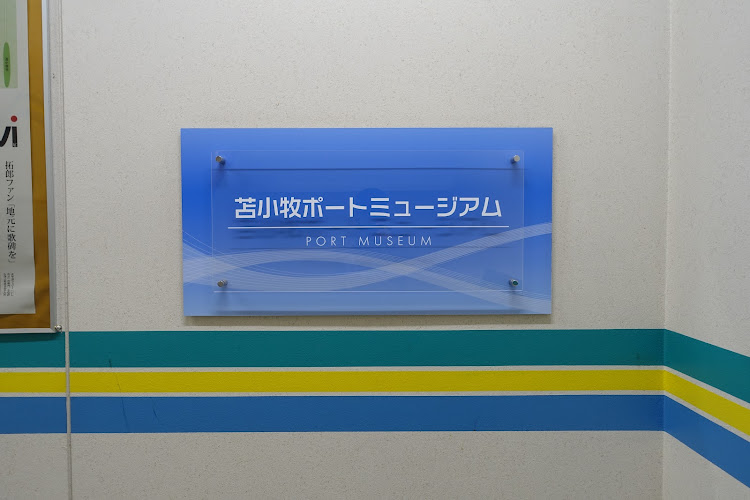
The Tomakomai Port Museum sits as a pragmatic, quietly proud tribute to a working harbor and the ferries that have shaped the city’s relationship with the sea. It is a museum that prefers to show rather than shout: large-scale ship models, interactive displays about cargo handling, navigation tools, and a surprisingly human collection of photographs and oral histories. The tone is educational, often hands-on, and aimed at people who want to understand how a modern port functions while still appreciating the romance of boats, ferries, and coastal trade.
Visitors will find that the museum balances technical detail with approachable storytelling. Exhibits explain how ferries are loaded and secured, how ports handle seasonal ice in Hokkaido, and how Tomakomai’s waterfront evolved from small fishing piers to an important industrial gateway. There are scale models that reward close inspection, ship diagrams that reveal what lies below deck, and kid-friendly stations where children can learn the basics of buoyancy and knot-tying. The whole place feels like a cross between a maritime school and a neighborhood museum — in the best way. It respects its subject matter without getting lost in jargon.
Accessibility is taken seriously here. A wheelchair-friendly entrance and restrooms make it straightforward for visitors with mobility concerns to move through the space, and on-site parking helps those arriving by car. Families with young children report that the layout is forgiving, with places to sit and an on-site restaurant for a practical break between galleries. Overall, the museum is relaxed but informative: it invites questions and, if the visitor is curious, will answer them in detail.
One detail that stands out — and this is the kind of thing that sparks an unexpected smile — is how the museum frames the everyday work of a port as a kind of choreography. Cranes, trucks, and ferries all have timing and rhythm. The displays make that visible. People who come expecting only historical artifacts often leave impressed by how contemporary and dynamic the port world still is. For travelers who like to combine sightseeing with a deeper local understanding, the Tomakomai Port Museum is a quietly satisfying stop.
Key Features
- Extensive exhibits on ferry operations, cargo handling, and port logistics tailored for both adults and children
- Hands-on displays and interactive stations ideal for families — knot-tying, ship simulators, and buoyancy experiments
- Scale models of vessels and cross-section diagrams that reveal engineering details in plain language
- Accessible facilities: wheelchair-accessible entrance, accessible parking and restrooms
- On-site parking to make arrival by car convenient for travelers and locals alike
- On-site restaurant for meals or quick snacks, plus clean restroom facilities throughout
- Educational panels and audio-visual presentations that explain Tomakomai’s maritime history and present-day role
- Photo-friendly viewing areas where visitors can watch ferries come and go — good for ship-spotters and casual photographers
- Programs and exhibits appropriate for kids, making it a family-friendly stop in Tomakomai
- Practical information for travelers: ferry timetables, port maps, and seasonal considerations are often on display
Best Time to Visit
Timing here depends on what kind of experience the visitor wants. Summer months in Hokkaido generally deliver milder weather and clearer harbour views, which makes being outside near the quay more pleasant. If someone wants to pair the museum with watching ships from the promenade or taking a short coastal walk, mid-spring through early autumn is a safe bet. That said, winter in Tomakomai — with its cold, crisp air and occasional dramatic skies — gives the port a stark, industrial beauty that many photographers love. So, no single season is off the table.
Weekdays, particularly mornings, are the sweet spot for quieter galleries and staff who can give more detailed explanations. If a traveler wants to avoid local school groups and weekend families, plan for a weekday visit shortly after opening. Conversely, if a visitor wants to catch special demonstrations or family-oriented activities, check the museum’s event schedule; weekends sometimes bring extra programming aimed at kids and casual audiences. It’s also worth noting that the port’s rhythm changes with the shipping calendar — mornings often bring container handling and ferry arrivals, while afternoons might feel more laid back.
The museum is compact yet dense with information, so a well-paced visit of 1.5 to 2 hours will let a curious traveler explore the major exhibits without feeling rushed. Those who love model ships, engineering diagrams, or maritime history might linger longer. In short: go early on a weekday if you want quiet and the ability to ask questions; go on a fine summer afternoon if you want to combine the museum with time outdoors at the waterfront.
How to Get There
The museum’s location near the working harbor means it’s straightforward to reach whether arriving by public transport, taxi, or car. Visitors traveling from Tomakomai Station will find a short taxi or local bus ride practical; the port area is not tucked away but it is purposefully industrial, so expect a transition from urban streets to harbour-side roads. For drivers, on-site parking takes a lot of the stress out of arrival, especially for families or for those carrying camera gear and strollers.
Public buses that serve the port district are the most wallet-friendly option for solo travelers. Taxis are plentiful around the main transit hubs and are useful for visitors who prefer door-to-door convenience, or who are arriving with luggage or during off-peak bus hours. Guidance and signage at the port tend to be clear, but if someone feels unsure, local staff are usually helpful and can point out ferry schedules or the best spots for watching vessel movements.
Those combining the museum visit with other Tomakomai attractions should plan an itinerary that groups waterfront activities together: the museum, a harbor promenade, and a nearby café or seafood market make for a coherent half-day. Remember that travel times can shift with seasonal traffic and ferry operations, so give a little buffer when catching onward transport.
Tips for Visiting
Practical tips make a visit smoother and more enjoyable. First: allocate time. The museum is compact but interesting, and 90–120 minutes is a realistic window to see the exhibits at a relaxed pace. If the visitor is a person who loves reading every placard, add an extra half hour. Second: come prepared for the weather. The harbor can be breezy even on warm days, so layers are your friend. In winter, bundling up is non-negotiable.
Families should take advantage of the kid-friendly zones. Children often appreciate the hands-on demonstrations more than the adults expect, and the museum’s layout makes it easy to keep an eye on little ones while still enjoying the more technical displays. There’s an on-site restaurant, which is handy when hunger strikes mid-visit — it’s not fine dining, but it’s functional and welcomed after a morning of explorations. Restrooms and accessible facilities are available, which is a relief for travelers with mobility needs or small children.
A few small travel hacks that have saved time for many visitors: bring small change for parking meters if using short-stay lots, or check in advance whether credit cards are accepted for entrance fees and purchases. Photography is generally permitted in public areas, but if there are special exhibits or restricted zones, the museum staff will indicate that — it’s polite to ask if in doubt. For those who love to learn more, strike up a conversation with staff members; they often have local stories about the port that don’t make it into the exhibit text and those anecdotes can be the real highlight.
One little anecdote from a guide’s memory: during a rainy afternoon visit, a small group of schoolchildren were invited to watch a short live demonstration about how cargo is measured and secured. The kids peppered the demonstrator with questions, and the entire tone of the museum that day shifted from passive learning to a lively, communal experience. The guide says it’s moments like that which make the Tomakomai Port Museum more than just displays and models — it becomes a place where curiosity is rewarded.
Finally, consider pairing the museum with nearby maritime experiences: a harbor-side walk, a local seafood lunch, or an observation point for ferry watching. Those who time their visit to match ferry arrivals will get a stronger sense of the port’s scale and activity. And if the visitor loves details, keep an eye out for panels that explain seasonal ice management and logistics specific to Hokkaido — those are the kinds of local insights that give the museum extra depth.
For travelers who like a blend of practical knowledge and quiet discovery, the Tomakomai Port Museum offers a richly rewarding stop. It’s earnest about its subject, polite about the drama, and quietly proud of the work done daily at the docks. A visit here will leave one with a better understanding of how ocean routes, ferries, and port operations knit together the economy and daily life of Tomakomai Japan — and perhaps, a fresh appreciation for the choreography that keeps goods and people moving across the water.
 Real Journey Travels