
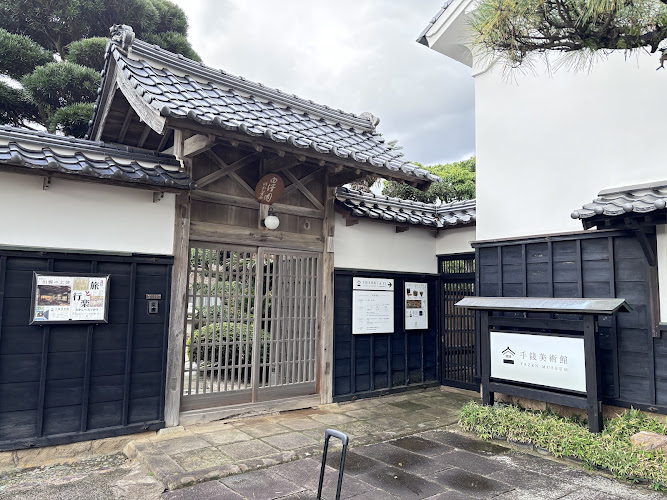
Tezen Museum
About Tezen Museum
Description
The Tezen Museum in Izumo, Shimane is a compact, quietly compelling museum that focuses on pottery and local history with the sort of unpretentious charm that rewards slow, curious visitors. Located in a region of Japan known for its spiritual traditions and handcraft heritage, the museum presents a focused collection of ceramics, tools, and contextual displays that trace how clay, kiln, and community interwove over centuries. The presentation leans toward the tactile and human—objects are shown with clear explanations about technique, provenance, and daily use, which helps temper the common museum dilemma of looking at beautiful things without understanding them.
Because the museum sits in a smaller city context rather than a big tourist hub, it feels more like a neighborhood institution than a blockbuster destination. That is part of its appeal. The exhibits are thoughtfully arranged to tell stories: the evolution of local pottery styles, seasonal patterns in rural life, and the relationship between form and function in everyday objects. Some galleries emphasize the delicate beauty of glazed pieces, while others display fragments, tools, and kiln remnants that illuminate production processes. Together they form a narrative that is both artistic and ethnographic.
Accessibility and practical considerations are straightforward. The site provides wheelchair accessible parking and an accessible restroom, which is especially helpful for travelers who plan to drive through Shimane’s quieter roads. Restroom facilities are available on site, though visitors should note there is no on-site restaurant, so planning a nearby meal or packing snacks is a good idea. The overall atmosphere is calm and unhurried, making it a fine stop for anyone interested in ceramics, Japanese craft traditions, or the quieter side of Izumo’s cultural landscape.
One thing to emphasize: the museum best suits visitors who like detail. If a person enjoys reading labels, leaning in to study glaze variations, or hearing the soft clink of pottery pieces in a small gallery, the Tezen Museum will feel like a discovery. It is not a place of huge installations or noisy crowds. Instead, it invites lingering, and that is where the museum reveals its charms—subtle connections between material, maker, and place that larger institutions sometimes smooth over.
Key Features
- Specialization in pottery and ceramic arts with displays that explore both aesthetic and utilitarian aspects
- Local history context: exhibits that link pottery to regional life and cultural practices
- Wheelchair accessible parking lot and wheelchair accessible restroom for better mobility access
- On-site restrooms available; no restaurant on premises, so bring snacks or plan dining elsewhere
- Small, easy-to-navigate galleries—ideal for relaxed, focused visits
- Interpretive labels and contextual information aimed at both casual visitors and craft enthusiasts
- A calm, low-traffic environment that makes it suitable for reflective visits, study, or photography within posted rules
- Local craft emphasis—an excellent place to learn about regional kilns and material culture in Shimane
Best Time to Visit
Timing matters here more for atmosphere than for necessity. The museum rarely experiences the crush associated with big urban attractions, so weekday visits typically yield the quietest experience and the most personal interaction with staff. Mid-morning shortly after opening is often the sweetest window: light is good for viewing glazes and details, and the galleries are usually empty enough to hear the soft echoes of footsteps and the occasional docent’s voice.
Seasonally, spring and autumn are appealing for those who want to pair the visit with outdoor exploration. Cherry blossoms and fresh greenery in spring, and clear, crisp autumn days with changing leaves, add an extra visual layer to a day in Izumo. October is culturally interesting in this region because of traditional festivals tied to the local shrine calendar, and while the museum itself doesn’t become a festival site, the surrounding area can feel charged with ritual energy and local events. If someone prefers the quietest possible experience, late winter weekdays are often very peaceful, although daylight hours are shorter then.
Visitors who prefer a livelier scene should consider checking local event calendars. Special exhibitions, short-term shows, or pottery demonstrations—when scheduled—can make a standard visit feel like a small festival of craft. But if the goal is close, contemplative looking, choose weekdays and arrive early. The museum’s moderate size means a two-hour visit is usually sufficient, though craft lovers often linger longer.
How to Get There
The Tezen Museum is most easily reached by a combination of regional transport and local roads. Travelers coming from within Shimane or neighboring prefectures frequently drive: the museum provides a wheelchair accessible parking lot, and the surrounding roads are scenic and generally easy to navigate. Driving gives the greatest flexibility for pairing the museum visit with other local stops.
Public transport options are available in the broader Izumo area, with regional trains and buses connecting the city to surrounding towns. From the main transport hubs, local buses and taxis can bridge the final miles to the museum. Taxis are a reliable option for visitors carrying luggage or museum purchases, and they also remove the stress of navigating rural bus schedules. If someone is unsure about bus times, a taxi from the nearest train station is a practical, if slightly more costly, choice.
For international travelers, combining a flight into the nearest regional airport with a shuttle or car rental often makes sense. Rental cars are popular with visitors who plan to explore multiple attractions across Shimane prefecture, since public transit timetables can be sparse in rural stretches. Regardless of mode, it’s wise to check the museum’s opening hours in advance and to factor in extra time for scenic detours and photo stops—there are lovely pockets of countryside and small-town charm along the way.
Tips for Visiting
Plan for a relaxed pace. The Tezen Museum rewards slow looking, so build in at least 90 minutes to two hours to browse without hurry. If pottery is a new interest, this is a great place to start because labels and displays make techniques and local contexts easy to grasp.
Bring a small notebook or use a note app for sketches and thoughts. Many visitors find that writing down kiln names, glaze types, or potters’ names enhances memory and makes shopping or future research easier. If someone is into collecting, jotting down details helps when comparing pieces later or when seeking local artisans.
Respect photography restrictions. Museums often have rules about flash and tripods to protect fragile glazes and to maintain a quiet atmosphere. The safe bet is to ask at the desk or look for signage. If photography is allowed, low-light shots without flash often capture the subtle textures of clay and glaze best.
Mind footwear and weather. The building layout encourages slow movement and close examination, so comfortable shoes are a must. If someone plans to walk between nearby sites, check local weather and pack a light umbrella or jacket. There’s no restaurant at the museum, so plan food breaks accordingly. Nearby cafes and eateries serve local flavors; sampling local rice dishes or small sweets can be a nice complement to a cultural day out.
Ask questions. Staff at smaller museums often know intimate details about the collection and local history that aren’t published. A brief chat can yield recommendations for lesser-known pottery studios, upcoming markets, or even private workshops. That human connection is one of the little pleasures of visiting local cultural institutions.
Finally, treat purchases thoughtfully. If the museum offers pottery for sale or information about local kilns, consider the logistics of shipping, especially for fragile items. Many visitors prefer buying smaller pieces or packaged items that travel well, while arranging local shipping for larger works. And if someone falls in love with a piece, asking about the maker and how to contact them directly is a perfectly reasonable step—artists and small studios often appreciate that interest.
In short, the Tezen Museum is a measured, intimate cultural stop that complements a broader exploration of Izumo and Shimane. It is particularly satisfying for travelers who take pleasure in craftsmanship, history, and quiet discovery. With good accessibility, clear interpretive text, and a calm setting, it’s an accessible and enriching visit—one that repays attention with small, luminous details about clay, kiln, and human life across time.
Key Features
- Specialization in pottery and ceramic arts with displays that explore both aesthetic and utilitarian aspects
- Local history context: exhibits that link pottery to regional life and cultural practices
- Wheelchair accessible parking lot and wheelchair accessible restroom for better mobility access
- On-site restrooms available; no restaurant on premises, so bring snacks or plan dining elsewhere
- Small, easy-to-navigate galleries—ideal for relaxed, focused visits
- Interpretive labels and contextual information aimed at both casual visitors and craft enthusiasts
- A calm, low-traffic environment that makes it suitable for reflective visits, study, or photography within posted rules
- Local craft emphasis—an excellent place to learn about regional kilns and material culture in Shimane
More Details
Updated August 30, 2025
Table of Contents
Description
The Tezen Museum in Izumo, Shimane is a compact, quietly compelling museum that focuses on pottery and local history with the sort of unpretentious charm that rewards slow, curious visitors. Located in a region of Japan known for its spiritual traditions and handcraft heritage, the museum presents a focused collection of ceramics, tools, and contextual displays that trace how clay, kiln, and community interwove over centuries. The presentation leans toward the tactile and human—objects are shown with clear explanations about technique, provenance, and daily use, which helps temper the common museum dilemma of looking at beautiful things without understanding them.
Because the museum sits in a smaller city context rather than a big tourist hub, it feels more like a neighborhood institution than a blockbuster destination. That is part of its appeal. The exhibits are thoughtfully arranged to tell stories: the evolution of local pottery styles, seasonal patterns in rural life, and the relationship between form and function in everyday objects. Some galleries emphasize the delicate beauty of glazed pieces, while others display fragments, tools, and kiln remnants that illuminate production processes. Together they form a narrative that is both artistic and ethnographic.
Accessibility and practical considerations are straightforward. The site provides wheelchair accessible parking and an accessible restroom, which is especially helpful for travelers who plan to drive through Shimane’s quieter roads. Restroom facilities are available on site, though visitors should note there is no on-site restaurant, so planning a nearby meal or packing snacks is a good idea. The overall atmosphere is calm and unhurried, making it a fine stop for anyone interested in ceramics, Japanese craft traditions, or the quieter side of Izumo’s cultural landscape.
One thing to emphasize: the museum best suits visitors who like detail. If a person enjoys reading labels, leaning in to study glaze variations, or hearing the soft clink of pottery pieces in a small gallery, the Tezen Museum will feel like a discovery. It is not a place of huge installations or noisy crowds. Instead, it invites lingering, and that is where the museum reveals its charms—subtle connections between material, maker, and place that larger institutions sometimes smooth over.
Key Features
- Specialization in pottery and ceramic arts with displays that explore both aesthetic and utilitarian aspects
- Local history context: exhibits that link pottery to regional life and cultural practices
- Wheelchair accessible parking lot and wheelchair accessible restroom for better mobility access
- On-site restrooms available; no restaurant on premises, so bring snacks or plan dining elsewhere
- Small, easy-to-navigate galleries—ideal for relaxed, focused visits
- Interpretive labels and contextual information aimed at both casual visitors and craft enthusiasts
- A calm, low-traffic environment that makes it suitable for reflective visits, study, or photography within posted rules
- Local craft emphasis—an excellent place to learn about regional kilns and material culture in Shimane
Best Time to Visit
Timing matters here more for atmosphere than for necessity. The museum rarely experiences the crush associated with big urban attractions, so weekday visits typically yield the quietest experience and the most personal interaction with staff. Mid-morning shortly after opening is often the sweetest window: light is good for viewing glazes and details, and the galleries are usually empty enough to hear the soft echoes of footsteps and the occasional docent’s voice.
Seasonally, spring and autumn are appealing for those who want to pair the visit with outdoor exploration. Cherry blossoms and fresh greenery in spring, and clear, crisp autumn days with changing leaves, add an extra visual layer to a day in Izumo. October is culturally interesting in this region because of traditional festivals tied to the local shrine calendar, and while the museum itself doesn’t become a festival site, the surrounding area can feel charged with ritual energy and local events. If someone prefers the quietest possible experience, late winter weekdays are often very peaceful, although daylight hours are shorter then.
Visitors who prefer a livelier scene should consider checking local event calendars. Special exhibitions, short-term shows, or pottery demonstrations—when scheduled—can make a standard visit feel like a small festival of craft. But if the goal is close, contemplative looking, choose weekdays and arrive early. The museum’s moderate size means a two-hour visit is usually sufficient, though craft lovers often linger longer.
How to Get There
The Tezen Museum is most easily reached by a combination of regional transport and local roads. Travelers coming from within Shimane or neighboring prefectures frequently drive: the museum provides a wheelchair accessible parking lot, and the surrounding roads are scenic and generally easy to navigate. Driving gives the greatest flexibility for pairing the museum visit with other local stops.
Public transport options are available in the broader Izumo area, with regional trains and buses connecting the city to surrounding towns. From the main transport hubs, local buses and taxis can bridge the final miles to the museum. Taxis are a reliable option for visitors carrying luggage or museum purchases, and they also remove the stress of navigating rural bus schedules. If someone is unsure about bus times, a taxi from the nearest train station is a practical, if slightly more costly, choice.
For international travelers, combining a flight into the nearest regional airport with a shuttle or car rental often makes sense. Rental cars are popular with visitors who plan to explore multiple attractions across Shimane prefecture, since public transit timetables can be sparse in rural stretches. Regardless of mode, it’s wise to check the museum’s opening hours in advance and to factor in extra time for scenic detours and photo stops—there are lovely pockets of countryside and small-town charm along the way.
Tips for Visiting
Plan for a relaxed pace. The Tezen Museum rewards slow looking, so build in at least 90 minutes to two hours to browse without hurry. If pottery is a new interest, this is a great place to start because labels and displays make techniques and local contexts easy to grasp.
Bring a small notebook or use a note app for sketches and thoughts. Many visitors find that writing down kiln names, glaze types, or potters’ names enhances memory and makes shopping or future research easier. If someone is into collecting, jotting down details helps when comparing pieces later or when seeking local artisans.
Respect photography restrictions. Museums often have rules about flash and tripods to protect fragile glazes and to maintain a quiet atmosphere. The safe bet is to ask at the desk or look for signage. If photography is allowed, low-light shots without flash often capture the subtle textures of clay and glaze best.
Mind footwear and weather. The building layout encourages slow movement and close examination, so comfortable shoes are a must. If someone plans to walk between nearby sites, check local weather and pack a light umbrella or jacket. There’s no restaurant at the museum, so plan food breaks accordingly. Nearby cafes and eateries serve local flavors; sampling local rice dishes or small sweets can be a nice complement to a cultural day out.
Ask questions. Staff at smaller museums often know intimate details about the collection and local history that aren’t published. A brief chat can yield recommendations for lesser-known pottery studios, upcoming markets, or even private workshops. That human connection is one of the little pleasures of visiting local cultural institutions.
Finally, treat purchases thoughtfully. If the museum offers pottery for sale or information about local kilns, consider the logistics of shipping, especially for fragile items. Many visitors prefer buying smaller pieces or packaged items that travel well, while arranging local shipping for larger works. And if someone falls in love with a piece, asking about the maker and how to contact them directly is a perfectly reasonable step—artists and small studios often appreciate that interest.
In short, the Tezen Museum is a measured, intimate cultural stop that complements a broader exploration of Izumo and Shimane. It is particularly satisfying for travelers who take pleasure in craftsmanship, history, and quiet discovery. With good accessibility, clear interpretive text, and a calm setting, it’s an accessible and enriching visit—one that repays attention with small, luminous details about clay, kiln, and human life across time.
Key Highlights
- Specialization in pottery and ceramic arts with displays that explore both aesthetic and utilitarian aspects
- Local history context: exhibits that link pottery to regional life and cultural practices
- Wheelchair accessible parking lot and wheelchair accessible restroom for better mobility access
- On-site restrooms available; no restaurant on premises, so bring snacks or plan dining elsewhere
- Small, easy-to-navigate galleries—ideal for relaxed, focused visits
- Interpretive labels and contextual information aimed at both casual visitors and craft enthusiasts
- A calm, low-traffic environment that makes it suitable for reflective visits, study, or photography within posted rules
- Local craft emphasis—an excellent place to learn about regional kilns and material culture in Shimane
Location
Places to Stay Near Tezen Museum
Find and Book a Tour
Explore More Travel Guides
No reviews found! Be the first to review!
Traveler Reviews for Tezen Museum
There are no reviews yet. Be the first one to write one.
Have you visited Tezen Museum? Help other travelers by sharing your review.
You Might Also Like
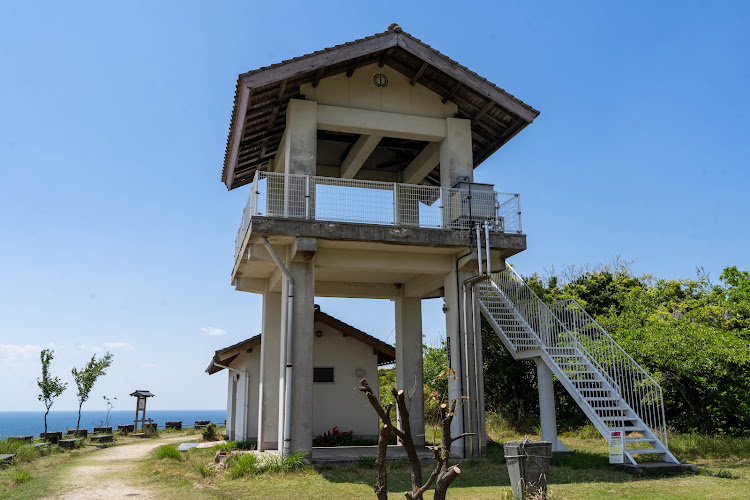
Honozan Park
Kamosu Jinja
Karakama Shrine
Find Accommodations Nearby
Recommended Tours & Activities
Visitor Reviews
There are no reviews yet. Be the first one to write one.
Share Your Experience
Have you visited Tezen Museum? Help other travelers by leaving a review.