

Shimane Museum of Ancient Izumo
About Shimane Museum of Ancient Izumo
Description
The Shimane Museum of Ancient Izumo is a quietly impressive, modern museum dedicated to one of Japan’s most storied religious sites. Inside a clean, thoughtfully lit space visitors will find excavated bronze artifacts and structural remains recovered from the Izumo Grand Shrine dating to the 1200s. It presents archaeology and ritual history not as dry glass cases but as a narrative — the kind that makes you lean in and want to touch the timeline (not literally; the signs will politely stop you).
This place feels like a well-told island secret: contemporary architecture, roomy galleries, and a model building that recreates the shrine complex in a way that suddenly makes the ancient world comprehensible. And yes, the model building exhibit is worth peering at for 20 minutes even if you’re usually the type to skim museums. There is a clarity here — of objects, of context, and of story — that turns small bronze fragments into whole scenes in the mind.
Practical things matter here too. The museum has wheelchair-accessible entrances, parking and restrooms, a small restaurant space for light meals and coffee, and family-friendly amenities that actually make visiting with kids feasible. Parents, you’ll appreciate the straightforward layout and the places to sit when little legs are tired. The displays are designed to be approachable for children, with tactile or visual elements that spark curiosity without dumbing things down.
Visitors often report a sense of reverence mixed with curiosity. The museum does a fine job of situating those recovered materials — ritual implements, fragments of altar fittings, decorative bronze — within the broader archaeological story of Izumo. If you like history that feels alive, or archaeology that explains why people lived and believed the way they did, this museum will reward you. If you’re imagining floor-to-ceiling ancient relics, you’ll get some of that, but you’ll also get modern interpretive panels, scale models, and multimedia that make the past approachable.
Key Features
- Modern exhibition space showcasing excavated bronze artifacts and shrine remains from the 1200s linked to the Izumo Grand Shrine
- Large, detailed model building of the shrine complex offering a bird’s-eye view of ancient architecture and layout
- Clear, family-friendly displays with interactive elements that engage children and adults alike
- Wheelchair-accessible entrance, parking, and restrooms for easy access
- On-site restaurant for light meals, snacks, and a pause in your sightseeing day
- Quiet, reflective atmosphere suitable for contemplative visits as well as guided tours
- Interpretive panels and multimedia that explain archaeological techniques, dating methods, and ritual significance
- Photograph-friendly zones mixed with restricted areas where conservation matters more than selfies — signage is clear
Best Time to Visit
Spring and autumn are the sweet spots. Temperatures are comfortable and the surrounding Izumo area presents lovely seasonal colors. Weekdays, outside of national holidays, tend to be less crowded — which is a big plus if you enjoy lingering over exhibits or want clear photos of the model building. Mornings within an hour or two of opening are often quietest; the light in the galleries is designed to be easy on artifacts, not on camera dynamics, so earlier visits help if you’re chasing good photos.
That said, the museum’s atmosphere shifts with the calendar. If you time your visit around local festivals at the Izumo Grand Shrine, expect more domestic tourists and a more festive, lively mood. If solitude and slow reading of display text are your thing, avoid festival dates and weekends. And if you only have a rainy day, the museum is perfect — it's indoor, interesting, and you’ll leave with a better grasp of why Izumo matters in Japanese mythology and history.
How to Get There
Getting to the Shimane Museum of Ancient Izumo is straightforward whether you’re arriving by car, train plus local transport, or taxi. If you’re based in Izumo city, local buses and taxis run regularly and will drop you within easy walking distance — expect the last leg to be a short stroll from the nearest stop. Driving is convenient and the museum provides accessible parking, which is a relief if you’re carrying small kids or bulky camera gear.
From regional train stations the easiest option is a short taxi ride or a local bus; signage around the area is in Japanese and English, but having a smartphone map or asking the driver to drop you at the museum name in Japanese helps reduce guesswork. If you’re combining visits — say starting at Izumo Grand Shrine and then moving on — ask at the shrine’s tourist desk about the simplest transit options for the day. Walking between sites is possible if you enjoy a longer, scenic route, but be ready for variable sidewalks and some uphill stretches.
Pro tip: taxis in rural Japan are reliable and often the fastest choice for short hops. They aren’t cheap by city standards, but they do save time and reduce fuss, especially with kids or when the weather is against you. If you rent a car, plan parking ahead of busier seasons; the museum’s parking is accessible but can fill on busy days.
Tips for Visiting
Bring curiosity and comfortable shoes. You’ll be standing and reading more than you might expect. Here are practical, slightly opinionated tips that come from someone who’s wandered through this museum multiple times and tends to overpack snacks.
- Start with the model building. It’s tempting to run straight to the artifacts, but the scale model gives context that makes the rest of the exhibits click faster. Spend 10–20 minutes here and you’ll understand why certain bronze pieces are so important.
- Download or request audio guides if available. They clarify technical bits — dating methods, restoration notes — without making you stare at tiny text for ages. If audio guides aren’t available, ask staff for recommendations on must-see labels; they’re helpful and kind.
- Take breaks in the restaurant. The food isn’t Michelin-level, but it’s honest, quick, and keeps energy up. I once met an elderly couple there who shared tips on a quiet viewing spot — small conversations like that make museum days memorable.
- If you’re traveling with kids, engage them with a scavenger hunt: count the number of different bronze motifs, or spot items that look like modern things. It keeps them moving and learning. The displays are designed to be approachable, but a little game helps — trust me.
- Check signage for photography rules. Some sacred or sensitive items may be restricted; follow instructions to help preserve fragile artifacts. There are plenty of photo-friendly displays and the model building is usually okay for pictures.
- Combine tickets or plan a full Izumo day. The museum pairs beautifully with the nearby Izumo Grand Shrine and other local heritage spots. If you have limited time, plan the order — shrine then museum often works well because the museum expands on what you’ve just seen at the shrine.
- Give yourself at least 90 minutes. Rushing through a place like this steals the payoff. If you love history, set aside two hours. If you’re traveling with kids, budget more time for breaks and snacks.
- Respect quiet zones. This museum often attracts people who want a reflective experience; whispering and softer behavior is appreciated in several galleries.
- Ask about temporary exhibitions. The museum rotates special exhibits that dive deeper into specific finds or conservation topics; those can be unexpectedly excellent and are worth catching if they align with your visit.
- Pack layers. The galleries are climate-controlled for conservation, and sometimes that means cooler indoor temperatures even in warm months. A light jacket or scarf is a good idea.
Finally, a small personal note: museums like this reward patience. If at first glance the cases feel sparse, give them time. The real pleasure comes from connecting small objects — a bronze fragment, a carved detail — to a much larger human story. On quiet afternoons, wandering these rooms has felt like reading someone else’s private diary about devotion, craft, and change. It’s the kind of museum where you come for details and leave with a surprisingly full sense of place.
Key Features
- Modern exhibition space showcasing excavated bronze artifacts and shrine remains from the 1200s linked to the Izumo Grand Shrine
- Large, detailed model building of the shrine complex offering a bird’s-eye view of ancient architecture and layout
- Clear, family-friendly displays with interactive elements that engage children and adults alike
- Wheelchair-accessible entrance, parking, and restrooms for easy access
- On-site restaurant for light meals, snacks, and a pause in your sightseeing day
- Quiet, reflective atmosphere suitable for contemplative visits as well as guided tours
- Interpretive panels and multimedia that explain archaeological techniques, dating methods, and ritual significance
- Photograph-friendly zones mixed with restricted areas where conservation matters more than selfies — signage is clear
More Details
Updated August 30, 2025
Table of Contents
Description
The Shimane Museum of Ancient Izumo is a quietly impressive, modern museum dedicated to one of Japan’s most storied religious sites. Inside a clean, thoughtfully lit space visitors will find excavated bronze artifacts and structural remains recovered from the Izumo Grand Shrine dating to the 1200s. It presents archaeology and ritual history not as dry glass cases but as a narrative — the kind that makes you lean in and want to touch the timeline (not literally; the signs will politely stop you).
This place feels like a well-told island secret: contemporary architecture, roomy galleries, and a model building that recreates the shrine complex in a way that suddenly makes the ancient world comprehensible. And yes, the model building exhibit is worth peering at for 20 minutes even if you’re usually the type to skim museums. There is a clarity here — of objects, of context, and of story — that turns small bronze fragments into whole scenes in the mind.
Practical things matter here too. The museum has wheelchair-accessible entrances, parking and restrooms, a small restaurant space for light meals and coffee, and family-friendly amenities that actually make visiting with kids feasible. Parents, you’ll appreciate the straightforward layout and the places to sit when little legs are tired. The displays are designed to be approachable for children, with tactile or visual elements that spark curiosity without dumbing things down.
Visitors often report a sense of reverence mixed with curiosity. The museum does a fine job of situating those recovered materials — ritual implements, fragments of altar fittings, decorative bronze — within the broader archaeological story of Izumo. If you like history that feels alive, or archaeology that explains why people lived and believed the way they did, this museum will reward you. If you’re imagining floor-to-ceiling ancient relics, you’ll get some of that, but you’ll also get modern interpretive panels, scale models, and multimedia that make the past approachable.
Key Features
- Modern exhibition space showcasing excavated bronze artifacts and shrine remains from the 1200s linked to the Izumo Grand Shrine
- Large, detailed model building of the shrine complex offering a bird’s-eye view of ancient architecture and layout
- Clear, family-friendly displays with interactive elements that engage children and adults alike
- Wheelchair-accessible entrance, parking, and restrooms for easy access
- On-site restaurant for light meals, snacks, and a pause in your sightseeing day
- Quiet, reflective atmosphere suitable for contemplative visits as well as guided tours
- Interpretive panels and multimedia that explain archaeological techniques, dating methods, and ritual significance
- Photograph-friendly zones mixed with restricted areas where conservation matters more than selfies — signage is clear
Best Time to Visit
Spring and autumn are the sweet spots. Temperatures are comfortable and the surrounding Izumo area presents lovely seasonal colors. Weekdays, outside of national holidays, tend to be less crowded — which is a big plus if you enjoy lingering over exhibits or want clear photos of the model building. Mornings within an hour or two of opening are often quietest; the light in the galleries is designed to be easy on artifacts, not on camera dynamics, so earlier visits help if you’re chasing good photos.
That said, the museum’s atmosphere shifts with the calendar. If you time your visit around local festivals at the Izumo Grand Shrine, expect more domestic tourists and a more festive, lively mood. If solitude and slow reading of display text are your thing, avoid festival dates and weekends. And if you only have a rainy day, the museum is perfect — it’s indoor, interesting, and you’ll leave with a better grasp of why Izumo matters in Japanese mythology and history.
How to Get There
Getting to the Shimane Museum of Ancient Izumo is straightforward whether you’re arriving by car, train plus local transport, or taxi. If you’re based in Izumo city, local buses and taxis run regularly and will drop you within easy walking distance — expect the last leg to be a short stroll from the nearest stop. Driving is convenient and the museum provides accessible parking, which is a relief if you’re carrying small kids or bulky camera gear.
From regional train stations the easiest option is a short taxi ride or a local bus; signage around the area is in Japanese and English, but having a smartphone map or asking the driver to drop you at the museum name in Japanese helps reduce guesswork. If you’re combining visits — say starting at Izumo Grand Shrine and then moving on — ask at the shrine’s tourist desk about the simplest transit options for the day. Walking between sites is possible if you enjoy a longer, scenic route, but be ready for variable sidewalks and some uphill stretches.
Pro tip: taxis in rural Japan are reliable and often the fastest choice for short hops. They aren’t cheap by city standards, but they do save time and reduce fuss, especially with kids or when the weather is against you. If you rent a car, plan parking ahead of busier seasons; the museum’s parking is accessible but can fill on busy days.
Tips for Visiting
Bring curiosity and comfortable shoes. You’ll be standing and reading more than you might expect. Here are practical, slightly opinionated tips that come from someone who’s wandered through this museum multiple times and tends to overpack snacks.
- Start with the model building. It’s tempting to run straight to the artifacts, but the scale model gives context that makes the rest of the exhibits click faster. Spend 10–20 minutes here and you’ll understand why certain bronze pieces are so important.
- Download or request audio guides if available. They clarify technical bits — dating methods, restoration notes — without making you stare at tiny text for ages. If audio guides aren’t available, ask staff for recommendations on must-see labels; they’re helpful and kind.
- Take breaks in the restaurant. The food isn’t Michelin-level, but it’s honest, quick, and keeps energy up. I once met an elderly couple there who shared tips on a quiet viewing spot — small conversations like that make museum days memorable.
- If you’re traveling with kids, engage them with a scavenger hunt: count the number of different bronze motifs, or spot items that look like modern things. It keeps them moving and learning. The displays are designed to be approachable, but a little game helps — trust me.
- Check signage for photography rules. Some sacred or sensitive items may be restricted; follow instructions to help preserve fragile artifacts. There are plenty of photo-friendly displays and the model building is usually okay for pictures.
- Combine tickets or plan a full Izumo day. The museum pairs beautifully with the nearby Izumo Grand Shrine and other local heritage spots. If you have limited time, plan the order — shrine then museum often works well because the museum expands on what you’ve just seen at the shrine.
- Give yourself at least 90 minutes. Rushing through a place like this steals the payoff. If you love history, set aside two hours. If you’re traveling with kids, budget more time for breaks and snacks.
- Respect quiet zones. This museum often attracts people who want a reflective experience; whispering and softer behavior is appreciated in several galleries.
- Ask about temporary exhibitions. The museum rotates special exhibits that dive deeper into specific finds or conservation topics; those can be unexpectedly excellent and are worth catching if they align with your visit.
- Pack layers. The galleries are climate-controlled for conservation, and sometimes that means cooler indoor temperatures even in warm months. A light jacket or scarf is a good idea.
Finally, a small personal note: museums like this reward patience. If at first glance the cases feel sparse, give them time. The real pleasure comes from connecting small objects — a bronze fragment, a carved detail — to a much larger human story. On quiet afternoons, wandering these rooms has felt like reading someone else’s private diary about devotion, craft, and change. It’s the kind of museum where you come for details and leave with a surprisingly full sense of place.
Key Highlights
- Modern exhibition space showcasing excavated bronze artifacts and shrine remains from the 1200s linked to the Izumo Grand Shrine
- Large, detailed model building of the shrine complex offering a bird’s-eye view of ancient architecture and layout
- Clear, family-friendly displays with interactive elements that engage children and adults alike
- Wheelchair-accessible entrance, parking, and restrooms for easy access
- On-site restaurant for light meals, snacks, and a pause in your sightseeing day
- Quiet, reflective atmosphere suitable for contemplative visits as well as guided tours
- Interpretive panels and multimedia that explain archaeological techniques, dating methods, and ritual significance
- Photograph-friendly zones mixed with restricted areas where conservation matters more than selfies — signage is clear
Location
Places to Stay Near Shimane Museum of Ancient Izumo
Find and Book a Tour
Explore More Travel Guides
No reviews found! Be the first to review!
Traveler Reviews for Shimane Museum of Ancient Izumo
There are no reviews yet. Be the first one to write one.
Have you visited Shimane Museum of Ancient Izumo? Help other travelers by sharing your review.
You Might Also Like

Tebikigaura Daiba Park
Izumo Tourism Association
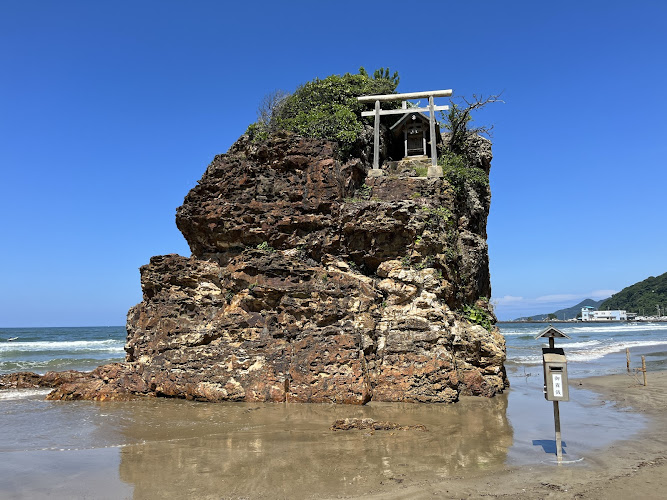
Inasa Beach
Find Accommodations Nearby
Recommended Tours & Activities
Visitor Reviews
There are no reviews yet. Be the first one to write one.
Share Your Experience
Have you visited Shimane Museum of Ancient Izumo? Help other travelers by leaving a review.