
Torkui
About Torkui
Description
The Torkui stands as one of those rare discoveries that hasn't yet been overrun by the typical tourist crowds, and honestly, that's part of its charm. When travelers venture to this attraction, they're stepping into a space that still maintains an authentic connection to its roots - something that's becoming increasingly hard to find these days. What strikes most visitors first is the genuine atmosphere that permeates the area. Unlike many heavily commercialized tourist spots where you feel like you're just another face in an endless stream of selfie-takers, the Torkui offers something more substantial. It's the kind of place where you can actually breathe, take your time, and absorb what's around you without feeling rushed or pressured to move along. The experience here tends to resonate differently with each person who visits. Some travelers come seeking a specific cultural connection, while others stumble upon it almost by accident and find themselves pleasantly surprised. And that element of surprise - that unexpected delight - is really what makes exploring worthwhile, isn't it? I've always believed the best travel memories come from places that exceed expectations rather than simply meeting them. The Torkui represents a slice of authentic experience in an increasingly homogenized travel landscape. Visitors who take the time to explore thoroughly often discover layers of meaning and connection that aren't immediately obvious from a quick glance. It rewards patience and genuine curiosity, which is refreshing in our age of rapid-fire tourism where people sometimes spend more time looking through their phone screens than actually experiencing what's in front of them.Key Features
The Torkui offers several distinctive characteristics that set it apart from more conventional tourist destinations: • An authentic atmosphere that hasn't been diluted by over-commercialization or excessive tourist infrastructure • A genuine sense of place that connects visitors to local culture and traditions in meaningful ways • The opportunity for contemplative exploration without the constant jostling of massive tour groups • An environment that encourages visitors to slow down and engage more deeply with their surroundings • Space for personal interpretation and connection, allowing each visitor's experience to be uniquely their own • The chance to witness something that hasn't been dramatically altered to meet tourist expectations • A peaceful setting that provides respite from the sensory overload common at major tourist sites • The flexibility to explore at your own pace without rigid schedules or prescribed routes • An experience that feels discovery-oriented rather than pre-packaged • The satisfaction of visiting somewhere that still feels relatively untouched by mass tourismBest Time to Visit
Timing your visit to the Torkui can significantly impact your experience, though I'll be honest - without heavy tourist traffic year-round, you've got more flexibility than you might at other attractions. Generally speaking, shoulder seasons tend to offer the most comfortable conditions for exploration. You'll want to consider weather patterns in the region, as extreme temperatures or heavy precipitation can affect both your comfort level and accessibility. Spring and autumn often provide that sweet spot of moderate temperatures and clearer skies, making extended outdoor exploration more enjoyable. But here's something people don't always consider: sometimes visiting during less "ideal" weather conditions can actually enhance the experience. I remember once visiting a similar attraction during a light drizzle, and the atmosphere was completely transformed - more intimate, more mysterious. The point being, don't completely write off visiting during off-peak weather if that's when your schedule allows. Early mornings consistently offer the best experience regardless of season. There's something special about being among the first visitors of the day, when the atmosphere is still fresh and undisturbed. The quality of light during these hours also tends to be superior for photography, if that's important to you. Weekdays generally see fewer visitors than weekends, which should surprise exactly no one. If you have flexibility in your travel dates, choosing a Tuesday or Wednesday over a Saturday can make a noticeable difference in how crowded the space feels. Local festivals or events can either enhance or complicate your visit, depending on what you're seeking. Some travelers thrive on the energy of special celebrations, while others prefer the quieter, more contemplative atmosphere of regular days. Consider what type of experience you're after and plan accordingly.How to Get There
Reaching the Torkui requires a bit of planning, but that's part of what keeps it from being overrun with casual visitors who haven't done their homework. Most travelers will need to arrange transportation specifically to reach the site, as it's not typically on major public transportation routes. This isn't necessarily a disadvantage - it just means you need to be more intentional about your visit. Renting a vehicle often provides the most flexibility and convenience, allowing you to explore at your own pace and potentially discover other interesting spots along the way. If you're relying on local transportation options, you'll want to research schedules in advance and possibly connect with local guides or tourism offices for the most current information. Transportation options in less heavily touristed areas can be less predictable than what you might be used to in major cities, so building some buffer time into your schedule is wise. The journey itself can be part of the experience. Rather than viewing travel time as something to simply endure, consider it an opportunity to observe the landscape and local life. Some of my most memorable travel moments have happened during supposedly "boring" transit portions of trips. For international travelers, you'll likely need to reach a major regional hub first, then arrange onward transportation. This might involve multiple modes of transport, which admittedly can be tiring, but also adds to the sense of genuine travel rather than just tourism. Navigation apps can be helpful, but don't rely on them exclusively. Local knowledge often trumps digital mapping in areas that aren't heavily documented online. Don't be afraid to ask for directions or clarification - most people appreciate when visitors make the effort to engage respectfully.Tips for Visiting
Making the most of your visit to the Torkui involves some practical preparation combined with the right mindset. First off, do your homework before arriving. While I'm generally against over-planning every minute of a trip, understanding basic context about what you're visiting enhances appreciation significantly. Read up on the cultural and historical background so you're not just looking at things superficially without understanding their significance. Dress appropriately for both the weather and the cultural context. Comfortable walking shoes are non-negotiable - you'll likely be on your feet more than you expect. And layers are almost always a good idea, even in temperate seasons, since conditions can change throughout the day. Bring water and possibly snacks, as facilities may be limited. This isn't Disneyland with refreshment stands every hundred feet. Being self-sufficient allows you to explore without constantly needing to backtrack for basic necessities. Respect the space and any local customs or guidelines. Just because a place isn't crawling with security guards doesn't mean anything goes. Be mindful of your behavior and its potential impact on both the site itself and other visitors' experiences. Photography is typically allowed, but be thoughtful about it. Sure, you want to document your visit, but try not to experience the entire thing through your phone screen. I've seen too many travelers so focused on capturing content for social media that they barely actually see what they're visiting. Take some photos, absolutely, but then put the camera away for a while and just be present. Engage with locals if the opportunity arises naturally. Some of the richest travel experiences come from conversations and connections with people who actually live in the places we're visiting. But read the room - there's a difference between friendly openness and intrusive pestering. Allow more time than you think you'll need. Rushing through any worthwhile attraction diminishes the experience. Build in buffer time so you can linger over things that capture your interest without constantly checking your watch. Consider visiting more than once if you're in the area for an extended period. Different times of day can reveal completely different aspects of the same place. Morning light, afternoon shadows, evening atmosphere - each brings its own character. Keep an open mind and manage your expectations. The Torkui may not be the most famous or Instagram-worthy destination, but that's precisely what allows it to offer something more authentic. Sometimes the most rewarding experiences come from places that don't try too hard to impress. Finally, leave no trace of your visit except perhaps in your memory and photographs. Taking care of less-commercialized attractions helps ensure they remain accessible and unspoiled for future travelers. We all have a responsibility to be thoughtful visitors rather than just consumers of experiences.Key Features
- Key Features
- Best Time to Visit
- How to Get There
- Tips for Visiting
More Details
Updated March 30, 2026
Table of Contents
Description
The Torkui stands as one of those rare discoveries that hasn’t yet been overrun by the typical tourist crowds, and honestly, that’s part of its charm. When travelers venture to this attraction, they’re stepping into a space that still maintains an authentic connection to its roots – something that’s becoming increasingly hard to find these days.
What strikes most visitors first is the genuine atmosphere that permeates the area. Unlike many heavily commercialized tourist spots where you feel like you’re just another face in an endless stream of selfie-takers, the Torkui offers something more substantial. It’s the kind of place where you can actually breathe, take your time, and absorb what’s around you without feeling rushed or pressured to move along.
The experience here tends to resonate differently with each person who visits. Some travelers come seeking a specific cultural connection, while others stumble upon it almost by accident and find themselves pleasantly surprised. And that element of surprise – that unexpected delight – is really what makes exploring worthwhile, isn’t it? I’ve always believed the best travel memories come from places that exceed expectations rather than simply meeting them.
The Torkui represents a slice of authentic experience in an increasingly homogenized travel landscape. Visitors who take the time to explore thoroughly often discover layers of meaning and connection that aren’t immediately obvious from a quick glance. It rewards patience and genuine curiosity, which is refreshing in our age of rapid-fire tourism where people sometimes spend more time looking through their phone screens than actually experiencing what’s in front of them.
Key Features
The Torkui offers several distinctive characteristics that set it apart from more conventional tourist destinations:
• An authentic atmosphere that hasn’t been diluted by over-commercialization or excessive tourist infrastructure
• A genuine sense of place that connects visitors to local culture and traditions in meaningful ways
• The opportunity for contemplative exploration without the constant jostling of massive tour groups
• An environment that encourages visitors to slow down and engage more deeply with their surroundings
• Space for personal interpretation and connection, allowing each visitor’s experience to be uniquely their own
• The chance to witness something that hasn’t been dramatically altered to meet tourist expectations
• A peaceful setting that provides respite from the sensory overload common at major tourist sites
• The flexibility to explore at your own pace without rigid schedules or prescribed routes
• An experience that feels discovery-oriented rather than pre-packaged
• The satisfaction of visiting somewhere that still feels relatively untouched by mass tourism
Best Time to Visit
Timing your visit to the Torkui can significantly impact your experience, though I’ll be honest – without heavy tourist traffic year-round, you’ve got more flexibility than you might at other attractions.
Generally speaking, shoulder seasons tend to offer the most comfortable conditions for exploration. You’ll want to consider weather patterns in the region, as extreme temperatures or heavy precipitation can affect both your comfort level and accessibility. Spring and autumn often provide that sweet spot of moderate temperatures and clearer skies, making extended outdoor exploration more enjoyable.
But here’s something people don’t always consider: sometimes visiting during less “ideal” weather conditions can actually enhance the experience. I remember once visiting a similar attraction during a light drizzle, and the atmosphere was completely transformed – more intimate, more mysterious. The point being, don’t completely write off visiting during off-peak weather if that’s when your schedule allows.
Early mornings consistently offer the best experience regardless of season. There’s something special about being among the first visitors of the day, when the atmosphere is still fresh and undisturbed. The quality of light during these hours also tends to be superior for photography, if that’s important to you.
Weekdays generally see fewer visitors than weekends, which should surprise exactly no one. If you have flexibility in your travel dates, choosing a Tuesday or Wednesday over a Saturday can make a noticeable difference in how crowded the space feels.
Local festivals or events can either enhance or complicate your visit, depending on what you’re seeking. Some travelers thrive on the energy of special celebrations, while others prefer the quieter, more contemplative atmosphere of regular days. Consider what type of experience you’re after and plan accordingly.
How to Get There
Reaching the Torkui requires a bit of planning, but that’s part of what keeps it from being overrun with casual visitors who haven’t done their homework.
Most travelers will need to arrange transportation specifically to reach the site, as it’s not typically on major public transportation routes. This isn’t necessarily a disadvantage – it just means you need to be more intentional about your visit. Renting a vehicle often provides the most flexibility and convenience, allowing you to explore at your own pace and potentially discover other interesting spots along the way.
If you’re relying on local transportation options, you’ll want to research schedules in advance and possibly connect with local guides or tourism offices for the most current information. Transportation options in less heavily touristed areas can be less predictable than what you might be used to in major cities, so building some buffer time into your schedule is wise.
The journey itself can be part of the experience. Rather than viewing travel time as something to simply endure, consider it an opportunity to observe the landscape and local life. Some of my most memorable travel moments have happened during supposedly “boring” transit portions of trips.
For international travelers, you’ll likely need to reach a major regional hub first, then arrange onward transportation. This might involve multiple modes of transport, which admittedly can be tiring, but also adds to the sense of genuine travel rather than just tourism.
Navigation apps can be helpful, but don’t rely on them exclusively. Local knowledge often trumps digital mapping in areas that aren’t heavily documented online. Don’t be afraid to ask for directions or clarification – most people appreciate when visitors make the effort to engage respectfully.
Tips for Visiting
Making the most of your visit to the Torkui involves some practical preparation combined with the right mindset.
First off, do your homework before arriving. While I’m generally against over-planning every minute of a trip, understanding basic context about what you’re visiting enhances appreciation significantly. Read up on the cultural and historical background so you’re not just looking at things superficially without understanding their significance.
Dress appropriately for both the weather and the cultural context. Comfortable walking shoes are non-negotiable – you’ll likely be on your feet more than you expect. And layers are almost always a good idea, even in temperate seasons, since conditions can change throughout the day.
Bring water and possibly snacks, as facilities may be limited. This isn’t Disneyland with refreshment stands every hundred feet. Being self-sufficient allows you to explore without constantly needing to backtrack for basic necessities.
Respect the space and any local customs or guidelines. Just because a place isn’t crawling with security guards doesn’t mean anything goes. Be mindful of your behavior and its potential impact on both the site itself and other visitors’ experiences.
Photography is typically allowed, but be thoughtful about it. Sure, you want to document your visit, but try not to experience the entire thing through your phone screen. I’ve seen too many travelers so focused on capturing content for social media that they barely actually see what they’re visiting. Take some photos, absolutely, but then put the camera away for a while and just be present.
Engage with locals if the opportunity arises naturally. Some of the richest travel experiences come from conversations and connections with people who actually live in the places we’re visiting. But read the room – there’s a difference between friendly openness and intrusive pestering.
Allow more time than you think you’ll need. Rushing through any worthwhile attraction diminishes the experience. Build in buffer time so you can linger over things that capture your interest without constantly checking your watch.
Consider visiting more than once if you’re in the area for an extended period. Different times of day can reveal completely different aspects of the same place. Morning light, afternoon shadows, evening atmosphere – each brings its own character.
Keep an open mind and manage your expectations. The Torkui may not be the most famous or Instagram-worthy destination, but that’s precisely what allows it to offer something more authentic. Sometimes the most rewarding experiences come from places that don’t try too hard to impress.
Finally, leave no trace of your visit except perhaps in your memory and photographs. Taking care of less-commercialized attractions helps ensure they remain accessible and unspoiled for future travelers. We all have a responsibility to be thoughtful visitors rather than just consumers of experiences.
Key Highlights
- Key Features
- Best Time to Visit
- How to Get There
- Tips for Visiting
Location
Places to Stay Near Torkui
Find and Book a Tour
Explore More Travel Guides
No reviews found! Be the first to review!
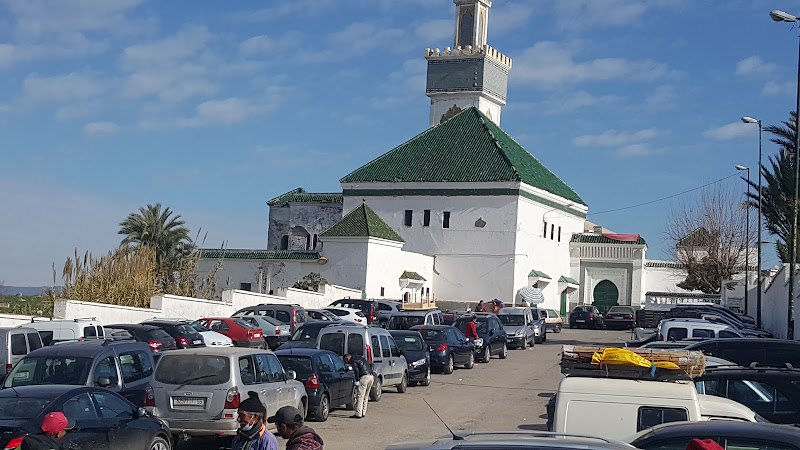
Torkui is a prominent attractions located in Meknes.
Visit us at: VCRJ+JJC, Ave Zine El Abidine, Meknes, Morocco.
Traveler Reviews for Torkui
There are no reviews yet. Be the first one to write one.
Have you visited Torkui? Help other travelers by sharing your review.
You Might Also Like

Meknes
Bab El Mers باب المرس
Mausoleum of al-Hadi ben Issa
Find Accommodations Nearby
Recommended Tours & Activities
Visitor Reviews
There are no reviews yet. Be the first one to write one.
Share Your Experience
Have you visited Torkui? Help other travelers by leaving a review.