

Madrasa Bou Inania
About Madrasa Bou Inania
Description
The Madrasa Bou Inania stands as one of Morocco's most breathtaking examples of Islamic architecture, and honestly, when you first step through its entrance, the sheer artistry might just take your breath away. Built during the Merinid dynasty in the 14th century, this former religious school represents the pinnacle of Moroccan craftsmanship and architectural ambition. Unlike many other madrasas scattered throughout Morocco, this one served dual purposes as both an educational institution and a place of worship, which was pretty unusual for its time. What makes this place particularly special is how it manages to feel intimate despite its grand scale. The Merinid Sultan Abu Inan Faris commissioned this masterpiece between 1350 and 1357, sparing absolutely no expense in its construction. And you can tell—every surface seems to compete for your attention with intricate geometric patterns, swooping Arabic calligraphy, and carved cedar wood that's aged to a gorgeous honey color over the centuries. The building occupies a prime location in the medina, and while it might not be the biggest monument you'll encounter in Morocco, it packs an incredible amount of detail into its relatively compact footprint. I've heard from travelers who spent over an hour just sitting in the courtyard, trying to absorb all the visual information their eyes were taking in. The craftsmanship extends from floor to ceiling, with zellij tilework that showcases patterns so complex you wonder how human hands managed to piece them together. But here's something that doesn't always get mentioned in guidebooks—the rooftop. Yes, visitors can climb up to the roof terrace, and the views you'll get of the surrounding medina and the city beyond are absolutely worth the climb. It gives you this wonderful perspective on how the madrasa fits into the urban fabric of Fez, surrounded by the chaotic beauty of one of the world's oldest continuously inhabited cities.Key Features
The Madrasa Bou Inania offers visitors a remarkable collection of architectural and decorative elements that showcase medieval Islamic artistry at its finest:- Ornate Central Courtyard - The heart of the madrasa features an open-air courtyard with a marble fountain, surrounded by walls covered in geometric zellij mosaics that create mesmerizing patterns in green, blue, and white
- Intricate Wood Carving - The cedar wood screens, doors, and eaves display some of the most elaborate carved designs you'll find anywhere, with arabesques and Islamic geometric patterns that took master craftsmen years to complete
- Student Cells - Small dormitory rooms line the upper floors where religious students once lived and studied, giving visitors a glimpse into the daily life of medieval scholars
- Prayer Hall - An active prayer space adorned with stunning stucco work and carved plaster that demonstrates the building's continued religious significance
- Bronze and Onyx Decorations - The entrance doors feature intricate bronze work, while onyx marble columns add an element of luxury to the overall design
- Arabic Calligraphy - Quranic verses and religious inscriptions cover the walls in beautiful Kufic and cursive scripts, creating a visual rhythm throughout the space
- Water Clock Remains - Though no longer functional, the remnants of an ancient water clock can still be seen, representing the scientific achievements of the period
- Rooftop Terrace - The accessible roof provides panoramic views over the Fez medina, its minarets, and the surrounding hills
- Green-Tiled Minaret - The distinctive minaret with its green ceramic tiles serves as a landmark visible from various points in the city
Best Time to Visit
Timing your visit to the Madrasa Bou Inania can significantly impact your experience, and I'd say this is one of those places where the season matters quite a bit. The building is open year-round, but Morocco's climate and tourist patterns mean some periods are definitely more pleasant than others. Spring months from March through May offer probably the most comfortable conditions for exploring. The temperatures hover in that sweet spot where you're not sweating through your clothes or shivering in the shadows. The light during these months is particularly beautiful too—it filters into the courtyard in this golden way that makes the zellij tiles practically glow. Plus, the crowds tend to be more manageable than during peak summer, though Fez is never exactly empty of tourists. Fall, specifically October and November, presents another excellent window for visiting. The summer heat has broken, but you're not yet dealing with the winter rains that can sometimes dampen your medina wanderings. I've talked to photographers who swear by autumn light in Fez, claiming it adds this warm quality to the already warm-toned cedar wood and terracotta details. Now, about summer—July and August can be brutal. We're talking temperatures that regularly climb above 95 degrees Fahrenheit, and the madrasa's stone surfaces absorb and radiate that heat. The rooftop, which is normally a highlight, can feel like standing in an oven during midday summer hours. If you must visit during summer, aim for early morning right when they open, or late afternoon when the worst heat has passed. Winter brings its own considerations. December through February can actually be quite cold, especially in the mornings, and the madrasa doesn't have heating. The stone floors and walls stay chilly, so dress in layers. But there's a silver lining—winter brings fewer tourists, meaning you might get those magical moments where you have the courtyard almost entirely to yourself. Regarding time of day, early morning visits around opening time offer the best experience regardless of season. The tour groups typically arrive later, and there's something special about seeing the morning light creep across the courtyard as the city wakes up around you. Late afternoon can also work well, though it gets progressively busier as people tick it off their sightseeing lists.How to Get There
Getting to the Madrasa Bou Inania requires navigating the Fez medina, which can be an adventure in itself. The madrasa sits in the heart of the old city, and you should know right away that no cars or taxis can drive directly to it—the medina's narrow alleyways were designed for donkeys and foot traffic, not automobiles. If you're staying within the medina, walking is your only option, and honestly, it's the best way to experience the neighborhood anyway. The madrasa is located near Talaa Kebira, one of the main thoroughfares through the medina. Most hotels and riads can give you directions, though be prepared for the fact that street signs are scarce and the layout can be confusing. First-time visitors often get turned around at least once or twice. For those staying in the Ville Nouvelle (the new city), you'll need to take a taxi to one of the medina gates. Bab Boujloud is probably the most convenient entry point for reaching the madrasa. From there, it's about a 10-15 minute walk through the souks and alleyways. The route takes you downhill along Talaa Kebira—just keep heading down and you'll spot the madrasa's distinctive entrance on your right. Hiring a local guide for your first visit makes a lot of sense, particularly if you're not comfortable navigating unfamiliar urban spaces. Guides can be arranged through your accommodation or found near the major gates (though negotiate the price beforehand to avoid misunderstandings). They know all the shortcuts and can provide historical context that enriches the experience. If you're determined to go it alone, download an offline map application before you venture into the medina. GPS still works in the narrow streets, though the signal can be wonky. And here's a practical tip—take photos of distinctive landmarks or shop fronts along your route so you can find your way back. The walk from Bab Boujloud takes you past some of Fez's most atmospheric sections, including portions of the famous leather tanneries and countless artisan workshops. Allow extra time because you'll want to pause and observe the street life unfolding around you.Tips for Visiting
Making the most of your visit to the Madrasa Bou Inania involves some practical preparation and knowing what to expect once you arrive. First thing—bring cash in small denominations. The entrance fee is quite reasonable, but they won't necessarily have change for large bills, and card payments aren't accepted. Dress modestly out of respect for this religious site. While the madrasa functions primarily as a tourist attraction now, it's still considered sacred space. That means covering shoulders and knees at minimum. Women don't need to cover their hair, but having a scarf handy isn't a bad idea. You'll see some visitors in shorts and tank tops being turned away or asked to cover up, which delays everyone. Photography is generally permitted in most areas, but the prayer hall may have restrictions depending on whether it's being used for worship. Pay attention to any posted signs, and be respectful if people are praying. Flash photography can be frowned upon as it's distracting and can damage the historic pigments and dyes in the textiles and woodwork over time. The floors can be slippery, particularly on the stairs leading to the upper levels and roof. Wear shoes with decent grip rather than flip-flops or smooth-soled shoes. I've seen people nearly take spills on those polished marble surfaces. Speaking of the roof—definitely go up if it's open. Some visitors skip it because they're tired or don't realize it's accessible. That would be a mistake. The perspective you gain on the madrasa's architecture from above, plus those medina views, add a whole other dimension to the visit. Just watch your step and be mindful of the low barriers in some spots. Plan to spend at least 45 minutes to an hour here if you want to really absorb the details. Rushing through defeats the purpose. Find a spot to sit in the courtyard—there are usually some benches or ledges—and just observe. Notice how the light changes, how the patterns repeat and vary, how the space was designed to encourage contemplation. If you're visiting during peak tourist season, patience becomes important. The courtyard isn't huge, and when multiple tour groups arrive simultaneously, it can feel crowded and lose some of its peaceful atmosphere. Waiting 15-20 minutes for groups to cycle through can completely transform your experience. Bring a small notebook or sketchbook if you're artistically inclined. The geometric patterns provide endless inspiration, and I've watched artists spend ages trying to capture the intricate designs. It's a meditative practice that helps you notice details you'd otherwise overlook. Consider hiring one of the official guides available at the entrance if you want deeper historical and architectural context. The information plaques are limited, and a knowledgeable guide can explain the symbolism in the decorative elements, the construction techniques, and the madrasa's place in Moroccan history. Make sure they're an official guide with proper credentials though. Finally, combine your visit with exploration of the surrounding area. The madrasa sits among some of Fez's most interesting neighborhoods, with traditional fondouks, active workshops, and local cafes nearby. Grabbing mint tea at a small cafe after your visit gives you time to process what you've seen and watch daily life unfold in one of Morocco's most historic cities.Key Features
- Key Features
- Best Time to Visit
- How to Get There
- Tips for Visiting
More Details
Updated March 30, 2026
Table of Contents
Description
The Madrasa Bou Inania stands as one of Morocco’s most breathtaking examples of Islamic architecture, and honestly, when you first step through its entrance, the sheer artistry might just take your breath away. Built during the Merinid dynasty in the 14th century, this former religious school represents the pinnacle of Moroccan craftsmanship and architectural ambition. Unlike many other madrasas scattered throughout Morocco, this one served dual purposes as both an educational institution and a place of worship, which was pretty unusual for its time.
What makes this place particularly special is how it manages to feel intimate despite its grand scale. The Merinid Sultan Abu Inan Faris commissioned this masterpiece between 1350 and 1357, sparing absolutely no expense in its construction. And you can tell—every surface seems to compete for your attention with intricate geometric patterns, swooping Arabic calligraphy, and carved cedar wood that’s aged to a gorgeous honey color over the centuries.
The building occupies a prime location in the medina, and while it might not be the biggest monument you’ll encounter in Morocco, it packs an incredible amount of detail into its relatively compact footprint. I’ve heard from travelers who spent over an hour just sitting in the courtyard, trying to absorb all the visual information their eyes were taking in. The craftsmanship extends from floor to ceiling, with zellij tilework that showcases patterns so complex you wonder how human hands managed to piece them together.
But here’s something that doesn’t always get mentioned in guidebooks—the rooftop. Yes, visitors can climb up to the roof terrace, and the views you’ll get of the surrounding medina and the city beyond are absolutely worth the climb. It gives you this wonderful perspective on how the madrasa fits into the urban fabric of Fez, surrounded by the chaotic beauty of one of the world’s oldest continuously inhabited cities.
Key Features
The Madrasa Bou Inania offers visitors a remarkable collection of architectural and decorative elements that showcase medieval Islamic artistry at its finest:
- Ornate Central Courtyard – The heart of the madrasa features an open-air courtyard with a marble fountain, surrounded by walls covered in geometric zellij mosaics that create mesmerizing patterns in green, blue, and white
- Intricate Wood Carving – The cedar wood screens, doors, and eaves display some of the most elaborate carved designs you’ll find anywhere, with arabesques and Islamic geometric patterns that took master craftsmen years to complete
- Student Cells – Small dormitory rooms line the upper floors where religious students once lived and studied, giving visitors a glimpse into the daily life of medieval scholars
- Prayer Hall – An active prayer space adorned with stunning stucco work and carved plaster that demonstrates the building’s continued religious significance
- Bronze and Onyx Decorations – The entrance doors feature intricate bronze work, while onyx marble columns add an element of luxury to the overall design
- Arabic Calligraphy – Quranic verses and religious inscriptions cover the walls in beautiful Kufic and cursive scripts, creating a visual rhythm throughout the space
- Water Clock Remains – Though no longer functional, the remnants of an ancient water clock can still be seen, representing the scientific achievements of the period
- Rooftop Terrace – The accessible roof provides panoramic views over the Fez medina, its minarets, and the surrounding hills
- Green-Tiled Minaret – The distinctive minaret with its green ceramic tiles serves as a landmark visible from various points in the city
Best Time to Visit
Timing your visit to the Madrasa Bou Inania can significantly impact your experience, and I’d say this is one of those places where the season matters quite a bit. The building is open year-round, but Morocco’s climate and tourist patterns mean some periods are definitely more pleasant than others.
Spring months from March through May offer probably the most comfortable conditions for exploring. The temperatures hover in that sweet spot where you’re not sweating through your clothes or shivering in the shadows. The light during these months is particularly beautiful too—it filters into the courtyard in this golden way that makes the zellij tiles practically glow. Plus, the crowds tend to be more manageable than during peak summer, though Fez is never exactly empty of tourists.
Fall, specifically October and November, presents another excellent window for visiting. The summer heat has broken, but you’re not yet dealing with the winter rains that can sometimes dampen your medina wanderings. I’ve talked to photographers who swear by autumn light in Fez, claiming it adds this warm quality to the already warm-toned cedar wood and terracotta details.
Now, about summer—July and August can be brutal. We’re talking temperatures that regularly climb above 95 degrees Fahrenheit, and the madrasa’s stone surfaces absorb and radiate that heat. The rooftop, which is normally a highlight, can feel like standing in an oven during midday summer hours. If you must visit during summer, aim for early morning right when they open, or late afternoon when the worst heat has passed.
Winter brings its own considerations. December through February can actually be quite cold, especially in the mornings, and the madrasa doesn’t have heating. The stone floors and walls stay chilly, so dress in layers. But there’s a silver lining—winter brings fewer tourists, meaning you might get those magical moments where you have the courtyard almost entirely to yourself.
Regarding time of day, early morning visits around opening time offer the best experience regardless of season. The tour groups typically arrive later, and there’s something special about seeing the morning light creep across the courtyard as the city wakes up around you. Late afternoon can also work well, though it gets progressively busier as people tick it off their sightseeing lists.
How to Get There
Getting to the Madrasa Bou Inania requires navigating the Fez medina, which can be an adventure in itself. The madrasa sits in the heart of the old city, and you should know right away that no cars or taxis can drive directly to it—the medina’s narrow alleyways were designed for donkeys and foot traffic, not automobiles.
If you’re staying within the medina, walking is your only option, and honestly, it’s the best way to experience the neighborhood anyway. The madrasa is located near Talaa Kebira, one of the main thoroughfares through the medina. Most hotels and riads can give you directions, though be prepared for the fact that street signs are scarce and the layout can be confusing. First-time visitors often get turned around at least once or twice.
For those staying in the Ville Nouvelle (the new city), you’ll need to take a taxi to one of the medina gates. Bab Boujloud is probably the most convenient entry point for reaching the madrasa. From there, it’s about a 10-15 minute walk through the souks and alleyways. The route takes you downhill along Talaa Kebira—just keep heading down and you’ll spot the madrasa’s distinctive entrance on your right.
Hiring a local guide for your first visit makes a lot of sense, particularly if you’re not comfortable navigating unfamiliar urban spaces. Guides can be arranged through your accommodation or found near the major gates (though negotiate the price beforehand to avoid misunderstandings). They know all the shortcuts and can provide historical context that enriches the experience.
If you’re determined to go it alone, download an offline map application before you venture into the medina. GPS still works in the narrow streets, though the signal can be wonky. And here’s a practical tip—take photos of distinctive landmarks or shop fronts along your route so you can find your way back.
The walk from Bab Boujloud takes you past some of Fez’s most atmospheric sections, including portions of the famous leather tanneries and countless artisan workshops. Allow extra time because you’ll want to pause and observe the street life unfolding around you.
Tips for Visiting
Making the most of your visit to the Madrasa Bou Inania involves some practical preparation and knowing what to expect once you arrive. First thing—bring cash in small denominations. The entrance fee is quite reasonable, but they won’t necessarily have change for large bills, and card payments aren’t accepted.
Dress modestly out of respect for this religious site. While the madrasa functions primarily as a tourist attraction now, it’s still considered sacred space. That means covering shoulders and knees at minimum. Women don’t need to cover their hair, but having a scarf handy isn’t a bad idea. You’ll see some visitors in shorts and tank tops being turned away or asked to cover up, which delays everyone.
Photography is generally permitted in most areas, but the prayer hall may have restrictions depending on whether it’s being used for worship. Pay attention to any posted signs, and be respectful if people are praying. Flash photography can be frowned upon as it’s distracting and can damage the historic pigments and dyes in the textiles and woodwork over time.
The floors can be slippery, particularly on the stairs leading to the upper levels and roof. Wear shoes with decent grip rather than flip-flops or smooth-soled shoes. I’ve seen people nearly take spills on those polished marble surfaces.
Speaking of the roof—definitely go up if it’s open. Some visitors skip it because they’re tired or don’t realize it’s accessible. That would be a mistake. The perspective you gain on the madrasa’s architecture from above, plus those medina views, add a whole other dimension to the visit. Just watch your step and be mindful of the low barriers in some spots.
Plan to spend at least 45 minutes to an hour here if you want to really absorb the details. Rushing through defeats the purpose. Find a spot to sit in the courtyard—there are usually some benches or ledges—and just observe. Notice how the light changes, how the patterns repeat and vary, how the space was designed to encourage contemplation.
If you’re visiting during peak tourist season, patience becomes important. The courtyard isn’t huge, and when multiple tour groups arrive simultaneously, it can feel crowded and lose some of its peaceful atmosphere. Waiting 15-20 minutes for groups to cycle through can completely transform your experience.
Bring a small notebook or sketchbook if you’re artistically inclined. The geometric patterns provide endless inspiration, and I’ve watched artists spend ages trying to capture the intricate designs. It’s a meditative practice that helps you notice details you’d otherwise overlook.
Consider hiring one of the official guides available at the entrance if you want deeper historical and architectural context. The information plaques are limited, and a knowledgeable guide can explain the symbolism in the decorative elements, the construction techniques, and the madrasa’s place in Moroccan history. Make sure they’re an official guide with proper credentials though.
Finally, combine your visit with exploration of the surrounding area. The madrasa sits among some of Fez’s most interesting neighborhoods, with traditional fondouks, active workshops, and local cafes nearby. Grabbing mint tea at a small cafe after your visit gives you time to process what you’ve seen and watch daily life unfold in one of Morocco’s most historic cities.
Key Highlights
- Key Features
- Best Time to Visit
- How to Get There
- Tips for Visiting
Location
Places to Stay Near Madrasa Bou Inania
Find and Book a Tour
Explore More Travel Guides
No reviews found! Be the first to review!
Madrasa Bou Inania is a prominent attractions located in Meknes.
Visit us at: VCWM+3V8, Meknes, Morocco.
Traveler Reviews for Madrasa Bou Inania
There are no reviews yet. Be the first one to write one.
Have you visited Madrasa Bou Inania? Help other travelers by sharing your review.
You Might Also Like
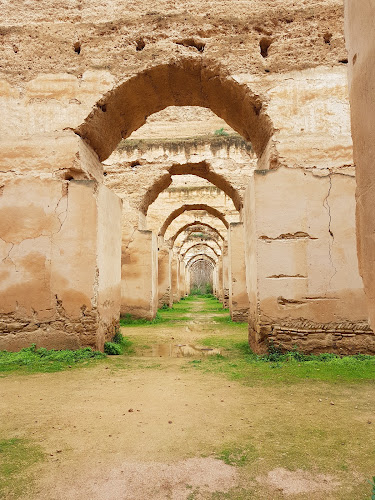
Royal Stables
Friendly Morocco
مركن السيارات
Find Accommodations Nearby
Recommended Tours & Activities
Visitor Reviews
There are no reviews yet. Be the first one to write one.
Share Your Experience
Have you visited Madrasa Bou Inania? Help other travelers by leaving a review.