
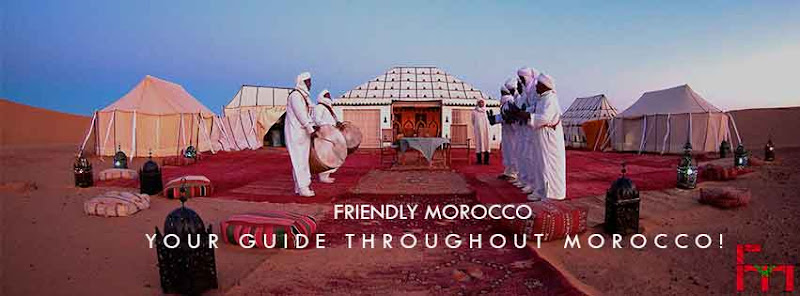
Friendly Morocco
About Friendly Morocco
Description
Friendly Morocco operates as an information service center dedicated to helping travelers navigate the complexities of exploring this North African nation. The facility serves as a tourist attraction in its own right, offering personalized guidance and resources for those planning their Moroccan adventure. What sets this establishment apart is its focus on demystifying travel logistics in a country where language barriers and cultural differences can sometimes pose challenges for international visitors. I've noticed over the years that many travelers underestimate how overwhelming it can be to plan a trip to Morocco without local insight. And that's precisely where services like these become invaluable. The staff here understands that modern travelers want authentic experiences but also need practical support - whether that's arranging transportation through the Atlas Mountains, securing accommodations in riads, or understanding local customs that aren't always obvious from guidebooks. The atmosphere maintains a welcoming approach to tourism consultation, with knowledgeable staff who can help craft itineraries based on specific interests. Whether someone's drawn to Morocco's imperial cities, the Sahara Desert, coastal towns, or mountain villages, this information hub provides the groundwork for memorable journeys. It's the kind of place where you can ask those "silly" questions that you're too embarrassed to post on travel forums - trust me, there are no silly questions when you're navigating a new country. What makes this resource particularly useful is its understanding that not every traveler fits the same mold. Solo adventurers have different needs than families with children, and luxury seekers approach Morocco differently than budget backpackers. The personalized attention helps visitors avoid common pitfalls while discovering opportunities they might have otherwise missed.Key Features
Visitors to Friendly Morocco can expect several practical advantages that enhance their overall travel experience: • Customized travel planning assistance tailored to individual preferences, budgets, and time constraints • Information about lesser-known destinations beyond the typical tourist circuit that most international guidebooks overlook • Guidance on cultural etiquette and local customs that help visitors engage respectfully with Moroccan communities • Assistance with language translation and communication strategies for navigating markets, restaurants, and transportation • Up-to-date information on seasonal events, festivals, and regional celebrations happening during your visit • Recommendations for authentic dining experiences, from street food stalls to family-run restaurants • Support with transportation logistics including train schedules, bus routes, and private driver arrangements • Insight into pricing norms and negotiation practices for shopping in souks and medinas • Safety tips and practical advice for specific regions and activities throughout Morocco • Connections to reputable local guides, tour operators, and accommodation providers • Current information about visa requirements, entry procedures, and health considerations • Suggestions for off-season travel opportunities that offer better value and fewer crowdsBest Time to Visit
Planning when to utilize information services like this often coincides with when you're organizing your actual Morocco trip, but there's something to be said for visiting early in your planning process - maybe even months before departure. The ideal season for traveling to Morocco generally falls between March and May, then again from September through November. These shoulder seasons offer comfortable temperatures across most of the country, though Morocco's diverse geography means weather varies dramatically by region. But here's the thing - when you consult with travel information services, you want to do it well ahead of these peak periods to secure better arrangements and avoid last-minute stress. Winter months from December through February bring snow to the Atlas Mountains and cooler temperatures to imperial cities like Fes and Marrakech. If you're interested in skiing or prefer fewer tourists, this period has its advantages. Summer, particularly July and August, can be brutally hot in cities and desert regions, though coastal areas like Essaouira remain pleasantly cool. Ramadan represents another consideration for timing your visit. The dates shift annually based on the lunar calendar, and while Morocco remains open to tourists during this holy month, restaurant hours change, some attractions have modified schedules, and the overall rhythm of daily life transforms. Getting information about how Ramadan might affect your specific travel plans proves especially valuable if your dates overlap with this period. I remember when I first started researching Morocco, I didn't realize that visiting during certain festivals could either enhance or complicate travel plans. The Rose Festival in Kelaat M'Gouna or the Fes Festival of World Sacred Music can be incredible experiences, but they also mean increased demand for accommodations and services. Consulting with local experts helps you understand these nuances. Early morning or late afternoon visits to information centers tend to be less crowded than midday, allowing for more thorough consultations. And honestly, if you're already in Morocco, stopping by during your first day or two can help you adjust plans based on current conditions rather than what you researched months ago from home.How to Get There
Accessing tourism information services in Morocco typically means navigating the country's urban centers where such facilities are most commonly located. Major cities like Marrakech, Casablanca, Fes, and Rabat serve as primary hubs for international arrivals and naturally house the most comprehensive visitor resources. Most international travelers arrive through Mohammed V International Airport in Casablanca or Marrakech Menara Airport. From these entry points, reaching information service centers usually involves taking a taxi, using ride-sharing apps that have become increasingly available in Moroccan cities, or arranging private transfers. The petit taxi system - those small vehicles painted different colors depending on the city - provides an affordable option for local travel, though drivers sometimes don't speak English, which is where having addresses written in Arabic becomes helpful. Train travel in Morocco is surprisingly comfortable and reliable, especially on routes operated by ONCF (the national railway company) connecting major cities. The trains between Casablanca, Rabat, Fes, and Marrakech run regularly and offer both first and second-class seating. This can be an excellent way to reach different cities where you might find specialized tourism information services. For visitors already in Morocco, most information centers are situated in accessible areas of city centers, often near medinas or in newer ville nouvelle districts. Walking is frequently the easiest approach once you're in the general vicinity, though navigating the winding streets of old medinas can test even experienced travelers' sense of direction. Don't be shy about asking shopkeepers for directions - Moroccans are generally helpful, though you might receive guidance that's more enthusiastic than accurate. Bus services operated by companies like CTM and Supratours connect smaller towns to major cities, providing another transportation option. These tend to be more budget-friendly than trains but take longer and offer less comfort on extended journeys. If you're driving, car rentals are available at airports and in cities, though driving in Morocco requires patience, defensive skills, and nerves of steel when navigating urban traffic. Parking near information centers in old city areas can be challenging, so plan accordingly.Tips for Visiting
Making the most of information services requires some preparation and the right mindset. First off, come with specific questions but remain open to suggestions that might differ from your preconceived plans. I've found that travelers who balance research with flexibility get the best results when consulting local experts. Bring a notebook or use your phone to take detailed notes during consultations. You'll receive a lot of information, and it's easy to forget specifics about that recommended restaurant in the Kasbah or the name of the driver who specializes in Atlas Mountain excursions. Don't rely solely on memory when you're absorbing recommendations about unfamiliar places. Timing matters more than you might expect. Arriving when staff aren't rushed means you'll receive more personalized attention. Weekday mornings often work better than weekend afternoons when other tourists are also seeking assistance. And yeah, sometimes you need to wait a bit, but that patience usually pays off in quality service. Be clear about your budget from the start. Tourism professionals can suggest options across various price ranges, but they can't read minds. If you're backpacking on $30 daily, say so. If you want luxury experiences, communicate that too. There's no judgment - just different types of travel that require different planning approaches. Language can be a barrier, so having key phrases in French or Arabic written down helps, though many information services catering to tourists employ multilingual staff. Still, demonstrating effort to communicate in local languages - even just basic greetings - tends to open doors and create warmer interactions. Dress modestly, particularly when visiting information centers in more conservative areas. Morocco is relatively liberal compared to some Muslim-majority countries, but respectful clothing shows cultural awareness. For women, this generally means covering shoulders and knees; for men, avoiding tank tops and very short shorts. Consider the cultural context of timing. Fridays hold religious significance, and some services may have reduced hours. During prayer times, you might notice temporary closures or reduced availability, particularly in smaller facilities. Ask about current conditions rather than relying solely on what you've read online. Political situations, weather patterns, road conditions, and local events can shift quickly. Information that was accurate when you booked your flight months ago might need updating. Don't hesitate to request written recommendations or business cards. When a staff member suggests a specific guide or restaurant, having contact information in writing prevents miscommunication and provides backup if you get lost trying to find places later. Verify costs and services upfront for any bookings or arrangements made through information services. Understanding exactly what's included prevents misunderstandings and ensures everyone has the same expectations. Finally, remember that Morocco operates on a different pace than many Western countries. What feels like inefficiency might just be a more relationship-oriented approach to business. Rushing consultations or appearing impatient generally works against you. Embrace the slower rhythm, accept the mint tea if offered, and trust that the process, while different, produces results.Key Features
- Multilingual information desk offering maps and personalized itineraries
- Advice and bookings for local guided tours and day trips (e.g., Volubilis, Moulay Idriss)
- Printed and digital resources on Meknes’ medina, monuments, and riads
- Local transport and market hours guidance with up-to-date practical tips
- Friendly, small-scale service with insider recommendations for food and lesser-known sites
More Details
Updated March 30, 2026
Table of Contents
Description
Friendly Morocco operates as an information service center dedicated to helping travelers navigate the complexities of exploring this North African nation. The facility serves as a tourist attraction in its own right, offering personalized guidance and resources for those planning their Moroccan adventure. What sets this establishment apart is its focus on demystifying travel logistics in a country where language barriers and cultural differences can sometimes pose challenges for international visitors.
I’ve noticed over the years that many travelers underestimate how overwhelming it can be to plan a trip to Morocco without local insight. And that’s precisely where services like these become invaluable. The staff here understands that modern travelers want authentic experiences but also need practical support – whether that’s arranging transportation through the Atlas Mountains, securing accommodations in riads, or understanding local customs that aren’t always obvious from guidebooks.
The atmosphere maintains a welcoming approach to tourism consultation, with knowledgeable staff who can help craft itineraries based on specific interests. Whether someone’s drawn to Morocco’s imperial cities, the Sahara Desert, coastal towns, or mountain villages, this information hub provides the groundwork for memorable journeys. It’s the kind of place where you can ask those “silly” questions that you’re too embarrassed to post on travel forums – trust me, there are no silly questions when you’re navigating a new country.
What makes this resource particularly useful is its understanding that not every traveler fits the same mold. Solo adventurers have different needs than families with children, and luxury seekers approach Morocco differently than budget backpackers. The personalized attention helps visitors avoid common pitfalls while discovering opportunities they might have otherwise missed.
Key Features
Visitors to Friendly Morocco can expect several practical advantages that enhance their overall travel experience:
• Customized travel planning assistance tailored to individual preferences, budgets, and time constraints
• Information about lesser-known destinations beyond the typical tourist circuit that most international guidebooks overlook
• Guidance on cultural etiquette and local customs that help visitors engage respectfully with Moroccan communities
• Assistance with language translation and communication strategies for navigating markets, restaurants, and transportation
• Up-to-date information on seasonal events, festivals, and regional celebrations happening during your visit
• Recommendations for authentic dining experiences, from street food stalls to family-run restaurants
• Support with transportation logistics including train schedules, bus routes, and private driver arrangements
• Insight into pricing norms and negotiation practices for shopping in souks and medinas
• Safety tips and practical advice for specific regions and activities throughout Morocco
• Connections to reputable local guides, tour operators, and accommodation providers
• Current information about visa requirements, entry procedures, and health considerations
• Suggestions for off-season travel opportunities that offer better value and fewer crowds
Best Time to Visit
Planning when to utilize information services like this often coincides with when you’re organizing your actual Morocco trip, but there’s something to be said for visiting early in your planning process – maybe even months before departure.
The ideal season for traveling to Morocco generally falls between March and May, then again from September through November. These shoulder seasons offer comfortable temperatures across most of the country, though Morocco’s diverse geography means weather varies dramatically by region. But here’s the thing – when you consult with travel information services, you want to do it well ahead of these peak periods to secure better arrangements and avoid last-minute stress.
Winter months from December through February bring snow to the Atlas Mountains and cooler temperatures to imperial cities like Fes and Marrakech. If you’re interested in skiing or prefer fewer tourists, this period has its advantages. Summer, particularly July and August, can be brutally hot in cities and desert regions, though coastal areas like Essaouira remain pleasantly cool.
Ramadan represents another consideration for timing your visit. The dates shift annually based on the lunar calendar, and while Morocco remains open to tourists during this holy month, restaurant hours change, some attractions have modified schedules, and the overall rhythm of daily life transforms. Getting information about how Ramadan might affect your specific travel plans proves especially valuable if your dates overlap with this period.
I remember when I first started researching Morocco, I didn’t realize that visiting during certain festivals could either enhance or complicate travel plans. The Rose Festival in Kelaat M’Gouna or the Fes Festival of World Sacred Music can be incredible experiences, but they also mean increased demand for accommodations and services. Consulting with local experts helps you understand these nuances.
Early morning or late afternoon visits to information centers tend to be less crowded than midday, allowing for more thorough consultations. And honestly, if you’re already in Morocco, stopping by during your first day or two can help you adjust plans based on current conditions rather than what you researched months ago from home.
How to Get There
Accessing tourism information services in Morocco typically means navigating the country’s urban centers where such facilities are most commonly located. Major cities like Marrakech, Casablanca, Fes, and Rabat serve as primary hubs for international arrivals and naturally house the most comprehensive visitor resources.
Most international travelers arrive through Mohammed V International Airport in Casablanca or Marrakech Menara Airport. From these entry points, reaching information service centers usually involves taking a taxi, using ride-sharing apps that have become increasingly available in Moroccan cities, or arranging private transfers. The petit taxi system – those small vehicles painted different colors depending on the city – provides an affordable option for local travel, though drivers sometimes don’t speak English, which is where having addresses written in Arabic becomes helpful.
Train travel in Morocco is surprisingly comfortable and reliable, especially on routes operated by ONCF (the national railway company) connecting major cities. The trains between Casablanca, Rabat, Fes, and Marrakech run regularly and offer both first and second-class seating. This can be an excellent way to reach different cities where you might find specialized tourism information services.
For visitors already in Morocco, most information centers are situated in accessible areas of city centers, often near medinas or in newer ville nouvelle districts. Walking is frequently the easiest approach once you’re in the general vicinity, though navigating the winding streets of old medinas can test even experienced travelers’ sense of direction. Don’t be shy about asking shopkeepers for directions – Moroccans are generally helpful, though you might receive guidance that’s more enthusiastic than accurate.
Bus services operated by companies like CTM and Supratours connect smaller towns to major cities, providing another transportation option. These tend to be more budget-friendly than trains but take longer and offer less comfort on extended journeys.
If you’re driving, car rentals are available at airports and in cities, though driving in Morocco requires patience, defensive skills, and nerves of steel when navigating urban traffic. Parking near information centers in old city areas can be challenging, so plan accordingly.
Tips for Visiting
Making the most of information services requires some preparation and the right mindset. First off, come with specific questions but remain open to suggestions that might differ from your preconceived plans. I’ve found that travelers who balance research with flexibility get the best results when consulting local experts.
Bring a notebook or use your phone to take detailed notes during consultations. You’ll receive a lot of information, and it’s easy to forget specifics about that recommended restaurant in the Kasbah or the name of the driver who specializes in Atlas Mountain excursions. Don’t rely solely on memory when you’re absorbing recommendations about unfamiliar places.
Timing matters more than you might expect. Arriving when staff aren’t rushed means you’ll receive more personalized attention. Weekday mornings often work better than weekend afternoons when other tourists are also seeking assistance. And yeah, sometimes you need to wait a bit, but that patience usually pays off in quality service.
Be clear about your budget from the start. Tourism professionals can suggest options across various price ranges, but they can’t read minds. If you’re backpacking on $30 daily, say so. If you want luxury experiences, communicate that too. There’s no judgment – just different types of travel that require different planning approaches.
Language can be a barrier, so having key phrases in French or Arabic written down helps, though many information services catering to tourists employ multilingual staff. Still, demonstrating effort to communicate in local languages – even just basic greetings – tends to open doors and create warmer interactions.
Dress modestly, particularly when visiting information centers in more conservative areas. Morocco is relatively liberal compared to some Muslim-majority countries, but respectful clothing shows cultural awareness. For women, this generally means covering shoulders and knees; for men, avoiding tank tops and very short shorts.
Consider the cultural context of timing. Fridays hold religious significance, and some services may have reduced hours. During prayer times, you might notice temporary closures or reduced availability, particularly in smaller facilities.
Ask about current conditions rather than relying solely on what you’ve read online. Political situations, weather patterns, road conditions, and local events can shift quickly. Information that was accurate when you booked your flight months ago might need updating.
Don’t hesitate to request written recommendations or business cards. When a staff member suggests a specific guide or restaurant, having contact information in writing prevents miscommunication and provides backup if you get lost trying to find places later.
Verify costs and services upfront for any bookings or arrangements made through information services. Understanding exactly what’s included prevents misunderstandings and ensures everyone has the same expectations.
Finally, remember that Morocco operates on a different pace than many Western countries. What feels like inefficiency might just be a more relationship-oriented approach to business. Rushing consultations or appearing impatient generally works against you. Embrace the slower rhythm, accept the mint tea if offered, and trust that the process, while different, produces results.
Key Highlights
- Multilingual information desk offering maps and personalized itineraries
- Advice and bookings for local guided tours and day trips (e.g., Volubilis, Moulay Idriss)
- Printed and digital resources on Meknes’ medina, monuments, and riads
- Local transport and market hours guidance with up-to-date practical tips
- Friendly, small-scale service with insider recommendations for food and lesser-known sites
Location
Places to Stay Near Friendly Morocco
Find and Book a Tour
Explore More Travel Guides
No reviews found! Be the first to review!
Friendly Morocco is a prominent attractions located in Meknes.
Visit us at: N8 lot Radia, Touarga, Meknes 50006, Maroko.
Traveler Reviews for Friendly Morocco
There are no reviews yet. Be the first one to write one.
Have you visited Friendly Morocco? Help other travelers by sharing your review.
Nearby Attractions
You Might Also Like
Meknes lahbilyin

Zawiya Shaykh Muhammad al-Habib (Habibiya Darqawia Shadhiliyya)

Great Mosque of Meknes
Find Accommodations Nearby
Recommended Tours & Activities
Visitor Reviews
There are no reviews yet. Be the first one to write one.
Share Your Experience
Have you visited Friendly Morocco? Help other travelers by leaving a review.