Château Roslane
About Château Roslane
Description
Château Roslane stands as one of Morocco's most intriguing destinations where wine culture meets historical grandeur in an unexpected setting. This four-star property operates simultaneously as a working vineyard, a hotel, and a window into the region's complex past. When I first heard about a château producing wine in Morocco, I'll admit I was skeptical—but that's exactly what makes this place so fascinating. The property sprawls across sun-drenched vineyards that challenge every preconception about North African wine production. And honestly, it's this element of surprise that draws travelers from around the world. The château itself carries architectural weight, with its design echoing French colonial influences while incorporating local materials and sensibilities. Walking through the grounds, you'll notice how the building seems to dialogue with the landscape rather than dominating it. What sets Château Roslane apart from typical hotel stays is its dual identity. By day, you're surrounded by rows of carefully tended vines stretching toward distant hills. By evening, you're sampling wines that prove Morocco's viticulture deserves serious attention. The estate produces several varietals that have earned recognition beyond the country's borders, though you won't find these bottles in just any shop back home. The guest experience here leans toward those who appreciate authenticity over polish. Some travelers have noted that service can be inconsistent—and yeah, that's a fair observation. But there's something to be said for staying somewhere that hasn't been completely sanitized for tourism. The staff genuinely seems proud of their wine heritage, and when you engage them in conversation about the terroir or production methods, their passion becomes infectious.Key Features
The amenities and attractions at Château Roslane paint a picture of comfortable exploration rather than luxury indulgence: • An outdoor pool that becomes absolutely essential during summer months when temperatures climb and you need somewhere to cool off between vineyard tours • Complimentary Wi-Fi throughout the property, which works well enough for staying connected though you might want to embrace occasional digital detox moments • Free parking facilities that make this destination particularly accessible for travelers exploring Morocco by car • Air conditioning in rooms—a feature you'll genuinely appreciate given the climate patterns in this region • Wine tasting experiences that go beyond the superficial, offering real insight into Moroccan viticulture and the specific challenges of growing grapes in this terroir • Guided vineyard tours where you can walk among the vines and understand the agricultural cycle that makes everything possible • Historical architecture that tells stories of colonial influence, local adaptation, and the evolution of wine culture in an unexpected place • On-site dining featuring local cuisine with wine pairings that actually make sense instead of feeling forced • Spacious grounds perfect for evening strolls when the heat subsides and the light turns golden across the vineyards • A quieter atmosphere compared to bustling city hotels, ideal for travelers seeking respite from Morocco's more chaotic urban centersBest Time to Visit
Timing your visit to Château Roslane really matters, and I mean really matters. The experience shifts dramatically depending on when you arrive. Spring months from March through May offer probably the sweetest spot for most travelers. The vines are waking up, temperatures hover in that comfortable range where you're not constantly seeking shade, and the surrounding landscape explodes with color. I've talked to visitors who arrived in April and couldn't stop raving about the wildflowers dotting the hillsides. This season also means you can comfortably explore both the vineyards and the wider region without battling extreme heat. Fall, particularly September through early November, presents another excellent window. Harvest season brings an entirely different energy to the château. You might witness the actual grape picking, see the production facilities in full operation, and taste wines at various stages of development. There's something special about being present when a vineyard transitions from growing to producing—it's when all that patient agricultural work comes to fruition. Summer visits require a certain mindset. June through August brings serious heat that can reach uncomfortable levels, especially during midday hours. But if you're strategic—morning vineyard walks, afternoon pool time, evening tastings—it's totally manageable. Plus, you'll likely find better availability and potentially more favorable rates. The pool becomes your best friend during these months, trust me on that. Winter sees fewer visitors, and while temperatures drop, they rarely become truly cold by European or North American standards. December through February can actually be quite pleasant for those who overheat easily. However, some of the outdoor magic diminishes, and the vineyard looks pretty dormant. It's not the ideal time for first-time visitors, though return guests might appreciate the peaceful atmosphere.How to Get There
Reaching Château Roslane requires some planning since it's not located in any major city center. The property sits in wine country, which by definition means you're venturing beyond typical tourist circuits. Renting a car provides the most flexible and frankly the most enjoyable approach. Morocco's road infrastructure has improved significantly in recent years, and driving yourself allows you to explore the surrounding region at your own pace. The route takes you through landscapes that shift from urban to rural, offering glimpses of daily Moroccan life that tour buses miss entirely. Just be prepared for driving styles that might differ from what you're accustomed to back home. If you're not comfortable driving in Morocco—and that's a completely reasonable position—hiring a private driver becomes your next best option. Many hotels in major cities can arrange this service. Yes, it costs more than self-driving, but you gain someone with local knowledge who can navigate effectively and potentially offer insights along the way. Plus, you can relax and actually look at the scenery instead of watching for turns. Taxi services from nearby cities remain possible though you'll want to negotiate prices beforehand and confirm return arrangements. Don't just assume you can easily catch a taxi when you're ready to leave—this isn't Manhattan. Public transportation doesn't really serve this area well. While Morocco has an excellent train system connecting major cities, getting from stations to rural vineyards requires additional transport that can get complicated. Budget travelers might make it work, but it'll test your patience and problem-solving skills. Some visitors book their stay as part of organized wine tours that include transportation. This option works particularly well if you're planning to visit multiple vineyards and want professional guidance throughout the experience.Tips for Visiting
Making the most of Château Roslane involves knowing a few things that guidebooks don't always mention. Book your vineyard tour and tasting in advance, even if you're staying overnight. The estate can only accommodate certain numbers for guided experiences, and showing up expecting immediate availability sometimes leads to disappointment. A quick email or phone call before arrival saves potential frustration. Bring appropriate clothing for vineyard walking. This means closed-toe shoes with decent grip—those cute sandals won't cut it when you're navigating uneven terrain between vine rows. A hat and sunscreen are non-negotiable unless you enjoy resembling a lobster by day's end. Check-in time starts at 3:00 PM and check-out happens at noon, which is pretty standard but worth planning around. If you're arriving early, the staff will usually store luggage while you explore the grounds or enjoy lunch. Don't waste precious afternoon hours sitting in your car waiting for room access. Engage with the staff about wine even if you're not an expert. Some of my most memorable travel moments come from admitting ignorance and letting passionate locals educate me. The people working at Château Roslane generally love sharing their knowledge, and you'll gain so much more than just wine facts—you'll understand the cultural significance of what they're building here. Consider extending your stay beyond one night if your schedule allows. The property rewards slower exploration. Rushing through a vineyard visit and then driving off means missing the subtle pleasures—like watching sunset color the vines, or enjoying a second tasting where you actually remember what you learned during the first one. The on-site restaurant deserves your attention. While you could theoretically eat elsewhere, the kitchen prepares dishes specifically designed to complement their wines. It's not fancy fusion cuisine trying too hard—just solid food that makes sense with what you're drinking. Pack layers because temperature swings between day and night can surprise visitors. Even if it's blazing hot at 3:00 PM, you might want a light jacket by 9:00 PM, especially during spring and fall. Respect the working vineyard nature of the property. This isn't a theme park version of a winery—it's an actual agricultural operation. Stay on designated paths, don't pick grapes as souvenirs, and follow any guidance from staff about areas that are off-limits. Purchase wine to take home if you enjoy what you taste. These bottles make meaningful souvenirs that you genuinely can't find elsewhere. Just check your airline's regulations about transporting alcohol in luggage before you buy cases of the stuff. Finally, approach your stay with realistic expectations. Château Roslane offers a distinctive experience rooted in authenticity, history, and viticulture. It's not trying to be a five-star resort with white-glove service. What you'll get is more interesting—a genuine connection to a place where wine, history, and Moroccan culture intersect in ways that challenge assumptions and create lasting memories.Key Features
- Working vineyard and on‑site winery with tastings
- Intimate four‑star boutique hotel rooms and suites
- Spanish‑Moorish architecture set in landscaped gardens
- Spa facilities and outdoor swimming pool
- Close proximity to Meknès and Roman site of Volubilis
More Details
Updated March 30, 2026
Table of Contents
Description
Château Roslane stands as one of Morocco’s most intriguing destinations where wine culture meets historical grandeur in an unexpected setting. This four-star property operates simultaneously as a working vineyard, a hotel, and a window into the region’s complex past. When I first heard about a château producing wine in Morocco, I’ll admit I was skeptical—but that’s exactly what makes this place so fascinating.
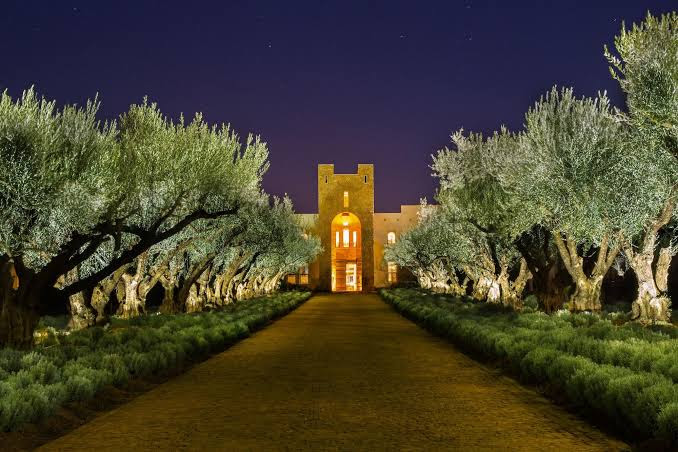
The property sprawls across sun-drenched vineyards that challenge every preconception about North African wine production. And honestly, it’s this element of surprise that draws travelers from around the world. The château itself carries architectural weight, with its design echoing French colonial influences while incorporating local materials and sensibilities. Walking through the grounds, you’ll notice how the building seems to dialogue with the landscape rather than dominating it.
What sets Château Roslane apart from typical hotel stays is its dual identity. By day, you’re surrounded by rows of carefully tended vines stretching toward distant hills. By evening, you’re sampling wines that prove Morocco’s viticulture deserves serious attention. The estate produces several varietals that have earned recognition beyond the country’s borders, though you won’t find these bottles in just any shop back home.
The guest experience here leans toward those who appreciate authenticity over polish. Some travelers have noted that service can be inconsistent—and yeah, that’s a fair observation. But there’s something to be said for staying somewhere that hasn’t been completely sanitized for tourism. The staff genuinely seems proud of their wine heritage, and when you engage them in conversation about the terroir or production methods, their passion becomes infectious.
Key Features
The amenities and attractions at Château Roslane paint a picture of comfortable exploration rather than luxury indulgence:
• An outdoor pool that becomes absolutely essential during summer months when temperatures climb and you need somewhere to cool off between vineyard tours
• Complimentary Wi-Fi throughout the property, which works well enough for staying connected though you might want to embrace occasional digital detox moments
• Free parking facilities that make this destination particularly accessible for travelers exploring Morocco by car
• Air conditioning in rooms—a feature you’ll genuinely appreciate given the climate patterns in this region
• Wine tasting experiences that go beyond the superficial, offering real insight into Moroccan viticulture and the specific challenges of growing grapes in this terroir
• Guided vineyard tours where you can walk among the vines and understand the agricultural cycle that makes everything possible
• Historical architecture that tells stories of colonial influence, local adaptation, and the evolution of wine culture in an unexpected place
• On-site dining featuring local cuisine with wine pairings that actually make sense instead of feeling forced
• Spacious grounds perfect for evening strolls when the heat subsides and the light turns golden across the vineyards
• A quieter atmosphere compared to bustling city hotels, ideal for travelers seeking respite from Morocco’s more chaotic urban centers
Best Time to Visit
Timing your visit to Château Roslane really matters, and I mean really matters. The experience shifts dramatically depending on when you arrive.
Spring months from March through May offer probably the sweetest spot for most travelers. The vines are waking up, temperatures hover in that comfortable range where you’re not constantly seeking shade, and the surrounding landscape explodes with color. I’ve talked to visitors who arrived in April and couldn’t stop raving about the wildflowers dotting the hillsides. This season also means you can comfortably explore both the vineyards and the wider region without battling extreme heat.
Fall, particularly September through early November, presents another excellent window. Harvest season brings an entirely different energy to the château. You might witness the actual grape picking, see the production facilities in full operation, and taste wines at various stages of development. There’s something special about being present when a vineyard transitions from growing to producing—it’s when all that patient agricultural work comes to fruition.
Summer visits require a certain mindset. June through August brings serious heat that can reach uncomfortable levels, especially during midday hours. But if you’re strategic—morning vineyard walks, afternoon pool time, evening tastings—it’s totally manageable. Plus, you’ll likely find better availability and potentially more favorable rates. The pool becomes your best friend during these months, trust me on that.
Winter sees fewer visitors, and while temperatures drop, they rarely become truly cold by European or North American standards. December through February can actually be quite pleasant for those who overheat easily. However, some of the outdoor magic diminishes, and the vineyard looks pretty dormant. It’s not the ideal time for first-time visitors, though return guests might appreciate the peaceful atmosphere.
How to Get There
Reaching Château Roslane requires some planning since it’s not located in any major city center. The property sits in wine country, which by definition means you’re venturing beyond typical tourist circuits.
Renting a car provides the most flexible and frankly the most enjoyable approach. Morocco’s road infrastructure has improved significantly in recent years, and driving yourself allows you to explore the surrounding region at your own pace. The route takes you through landscapes that shift from urban to rural, offering glimpses of daily Moroccan life that tour buses miss entirely. Just be prepared for driving styles that might differ from what you’re accustomed to back home.
If you’re not comfortable driving in Morocco—and that’s a completely reasonable position—hiring a private driver becomes your next best option. Many hotels in major cities can arrange this service. Yes, it costs more than self-driving, but you gain someone with local knowledge who can navigate effectively and potentially offer insights along the way. Plus, you can relax and actually look at the scenery instead of watching for turns.
Taxi services from nearby cities remain possible though you’ll want to negotiate prices beforehand and confirm return arrangements. Don’t just assume you can easily catch a taxi when you’re ready to leave—this isn’t Manhattan.
Public transportation doesn’t really serve this area well. While Morocco has an excellent train system connecting major cities, getting from stations to rural vineyards requires additional transport that can get complicated. Budget travelers might make it work, but it’ll test your patience and problem-solving skills.
Some visitors book their stay as part of organized wine tours that include transportation. This option works particularly well if you’re planning to visit multiple vineyards and want professional guidance throughout the experience.
Tips for Visiting
Making the most of Château Roslane involves knowing a few things that guidebooks don’t always mention.
Book your vineyard tour and tasting in advance, even if you’re staying overnight. The estate can only accommodate certain numbers for guided experiences, and showing up expecting immediate availability sometimes leads to disappointment. A quick email or phone call before arrival saves potential frustration.
Bring appropriate clothing for vineyard walking. This means closed-toe shoes with decent grip—those cute sandals won’t cut it when you’re navigating uneven terrain between vine rows. A hat and sunscreen are non-negotiable unless you enjoy resembling a lobster by day’s end.
Check-in time starts at 3:00 PM and check-out happens at noon, which is pretty standard but worth planning around. If you’re arriving early, the staff will usually store luggage while you explore the grounds or enjoy lunch. Don’t waste precious afternoon hours sitting in your car waiting for room access.
Engage with the staff about wine even if you’re not an expert. Some of my most memorable travel moments come from admitting ignorance and letting passionate locals educate me. The people working at Château Roslane generally love sharing their knowledge, and you’ll gain so much more than just wine facts—you’ll understand the cultural significance of what they’re building here.
Consider extending your stay beyond one night if your schedule allows. The property rewards slower exploration. Rushing through a vineyard visit and then driving off means missing the subtle pleasures—like watching sunset color the vines, or enjoying a second tasting where you actually remember what you learned during the first one.
The on-site restaurant deserves your attention. While you could theoretically eat elsewhere, the kitchen prepares dishes specifically designed to complement their wines. It’s not fancy fusion cuisine trying too hard—just solid food that makes sense with what you’re drinking.
Pack layers because temperature swings between day and night can surprise visitors. Even if it’s blazing hot at 3:00 PM, you might want a light jacket by 9:00 PM, especially during spring and fall.
Respect the working vineyard nature of the property. This isn’t a theme park version of a winery—it’s an actual agricultural operation. Stay on designated paths, don’t pick grapes as souvenirs, and follow any guidance from staff about areas that are off-limits.
Purchase wine to take home if you enjoy what you taste. These bottles make meaningful souvenirs that you genuinely can’t find elsewhere. Just check your airline’s regulations about transporting alcohol in luggage before you buy cases of the stuff.
Finally, approach your stay with realistic expectations. Château Roslane offers a distinctive experience rooted in authenticity, history, and viticulture. It’s not trying to be a five-star resort with white-glove service. What you’ll get is more interesting—a genuine connection to a place where wine, history, and Moroccan culture intersect in ways that challenge assumptions and create lasting memories.
Key Highlights
- Working vineyard and on‑site winery with tastings
- Intimate four‑star boutique hotel rooms and suites
- Spanish‑Moorish architecture set in landscaped gardens
- Spa facilities and outdoor swimming pool
- Close proximity to Meknès and Roman site of Volubilis
Location
Places to Stay Near Château Roslane
Find and Book a Tour
Explore More Travel Guides
No reviews found! Be the first to review!
Château Roslane is a prominent hotels located in Meknès.
Visit us at: Les Celliers de Meknès, 11, Rue Ibn Khaldoune – 50 000 Meknès، 50000, Morocco.
Traveler Reviews for Château Roslane
There are no reviews yet. Be the first one to write one.
Have you visited Château Roslane? Help other travelers by sharing your review.
Nearby Attractions
Find Accommodations Nearby
Recommended Tours & Activities
Visitor Reviews
There are no reviews yet. Be the first one to write one.
Share Your Experience
Have you visited Château Roslane? Help other travelers by leaving a review.
