
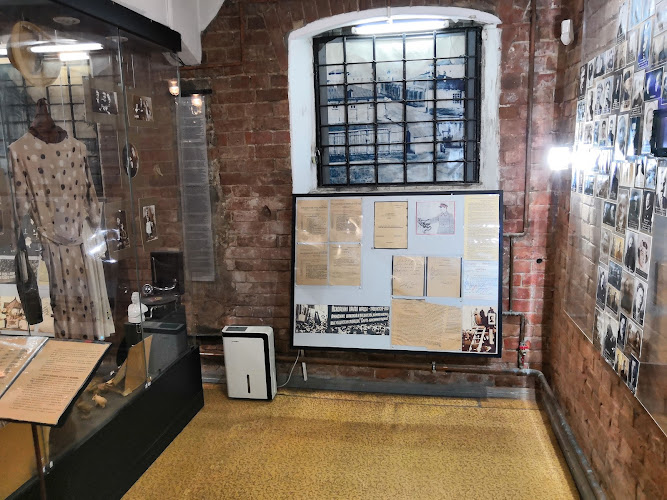
Tomsk memorial museum of the history of political repression
About Tomsk memorial museum of the history of political repression
Description
The Tomsk Memorial Museum of the History of Political Repression stands as one of Russia's most significant institutions dedicated to preserving the memory of those who suffered under Soviet-era political persecution. Located in what was once an NKVD investigation-isolation prison, this museum offers visitors a profound and often unsettling glimpse into a dark chapter of Russian history that shouldn't be forgotten. When I first learned about this place, I was struck by how it manages to transform such a somber subject into an educational experience that really makes you think about freedom and human rights in ways you probably haven't before. This isn't your typical museum experience where you casually stroll through rooms looking at artifacts behind glass. The building itself served as a functioning prison from 1923 to 1944, and walking through its corridors you can almost feel the weight of history pressing down on you. The museum opened its doors to the public in 1996, and since then it's become an essential stop for anyone trying to understand the complex and often painful history of political repression in the Soviet Union. And honestly, it's the kind of place that stays with you long after you've left. The museum does an incredible job of personalizing the statistics and making the stories of individual victims come alive. You're not just reading numbers on a wall—you're learning about real people who had families, dreams, and lives that were cut short or forever altered by political repression. The exhibits include personal belongings, photographs, documents, and testimonies that paint a vivid picture of what happened within these walls. It's heavy stuff, sure, but it's also incredibly important.Key Features
The Tomsk Memorial Museum offers several distinctive features that make it stand out among similar institutions:- Authentic prison cells that have been preserved in their original condition, giving visitors an unfiltered look at the harsh conditions prisoners endured during interrogations and detention
- Extensive documentary archives featuring over 50,000 case files of individuals who were persecuted, many of whom were later rehabilitated posthumously
- Personal testimony recordings from survivors and family members of victims, providing first-hand accounts that bring a human dimension to the historical facts
- Temporary exhibition spaces that rotate displays focusing on different aspects of political repression, from the Great Terror of 1937-1938 to later periods of Soviet history
- Educational programs specifically designed for students and young visitors, helping new generations understand this critical period of history
- A memorial wall listing the names of thousands of victims from the Tomsk region, serving as a permanent reminder of lives lost
- Original interrogation rooms where you can see the actual spaces where people were questioned and often coerced into false confessions
- Collections of propaganda materials that show how the Soviet state justified its actions to the general population
- Photographic exhibits documenting both the perpetrators and the victims of political repression
- Research facilities that scholars and family members can access to learn more about specific cases or individuals
Best Time to Visit
Timing your visit to the Tomsk Memorial Museum requires consideration of both practical and experiential factors. The museum operates year-round, but your experience will vary significantly depending on when you choose to go. From a weather perspective, summer months between June and August offer the most comfortable conditions for travelers. Tomsk can get brutally cold in winter—we're talking temperatures that regularly drop below -20°C (-4°F)—which might make getting around the city more challenging than you'd like. But here's the thing: there's something about visiting this museum during the harsh Siberian winter that adds another layer of understanding to what prisoners experienced in this unheated building decades ago. It's not comfortable, but it's authentic. Spring (May) and early autumn (September) represent ideal compromise periods. The weather is generally pleasant, tourist crowds are manageable, and you'll have plenty of time to explore the museum without feeling rushed. These shoulder seasons also tend to be when the museum hosts special exhibitions and commemorative events. If you're particularly interested in the historical context, consider visiting around October 30th, which is the Day of Remembrance of the Victims of Political Repressions in Russia. The museum typically organizes special programs, readings, and ceremonies during this time. It's a powerful experience to be there when locals gather to remember their family members and ancestors who suffered. Weekdays tend to be quieter than weekends, giving you more space to reflect and absorb the exhibits at your own pace. Tuesday through Thursday mornings are typically the least crowded times, though that also means you might not have tour guides readily available in languages other than Russian.How to Get There
Getting to the Tomsk Memorial Museum requires a bit of planning since Tomsk isn't exactly on the typical tourist circuit, but that's part of what makes it worth visiting. The city itself sits about 3,500 kilometers east of Moscow in Western Siberia. Most international travelers will fly into Tomsk's Bogashevo Airport, which has regular connections to Moscow and several other major Russian cities. From Moscow, the flight takes approximately four hours. Once you land at Bogashevo, you're still about 20 kilometers from the city center. Taxis and marshrutkas (shared minivans) run regularly between the airport and downtown Tomsk, though having your accommodation arranged in advance with airport pickup makes life considerably easier. Alternatively, many travelers opt for the Trans-Siberian Railway experience, which passes through Tomsk. The train journey from Moscow takes around two days, but if you've got the time, it's an incredible way to see the Russian landscape and understand just how vast this country really is. Plus, you meet interesting people on those long train rides. Within Tomsk itself, the museum is accessible by public transportation. Several bus routes stop within walking distance, and local taxis are relatively inexpensive. The museum sits in a residential area rather than the tourist center, which actually adds to its authenticity—this wasn't meant to be convenient or comfortable, and its location reflects that reality. For international visitors, it's worth noting that you'll need a Russian visa to enter the country. Start that process well in advance because Russian visa procedures can be lengthy and require official invitations. Many hotels can provide the necessary documentation for tourist visas.Tips for Visiting
Visiting the Tomsk Memorial Museum isn't like popping into a typical tourist attraction, and being prepared will help you get more out of the experience. First off, bring a translator app or phrasebook unless you speak Russian. While some exhibits have English translations, many don't, and the museum staff primarily speaks Russian. I've found that even basic Russian phrases go a long way in showing respect and facilitating communication. The guards and staff are generally helpful if you approach them politely, even when language barriers exist. Dress appropriately, both for the weather and for the somber nature of the site. This isn't the place for loud conversations or selfie-sticks. Many visitors treat it almost like a sacred space, and that's the right approach. Also, remember that the building isn't wheelchair accessible and involves stairs and uneven surfaces. The restroom facilities are available but pretty basic—don't expect modern amenities. Give yourself at least two to three hours for a thorough visit. You could rush through in an hour, but you'd be missing the point. This is heavy material that deserves your attention and reflection. I'd actually recommend visiting earlier in the day when you're mentally fresh rather than cramming it in at the end of a busy sightseeing schedule. Photography policies can be strict, so always ask before taking pictures. Some areas prohibit photography entirely, while others allow it without flash. Respect these rules—they're there for good reasons related to preserving documents and respecting the memory of victims. Bring cash in rubles. The museum charges a modest admission fee, and like many Russian institutions outside major cities, they may not accept credit cards. The entrance fee is quite reasonable, typically around 150-200 rubles for adults, with discounts for students and children. Consider hiring a guide if you really want to understand the context. Some museum staff offer tours, and while they're typically in Russian, the added insight is invaluable. There are also independent guides in Tomsk who specialize in this period of history and can provide context that exhibition labels simply can't. Don't bring large bags if you can avoid it. Security is taken seriously, and you may need to leave bags in a cloakroom. Keep your valuables with you but travel light. Finally, give yourself time afterward to process what you've seen. There's a small park nearby where many visitors sit quietly after touring the museum. This isn't entertainment—it's education about human suffering and resilience, and it deserves your emotional engagement. Plan something low-key for afterward rather than jumping straight into more sightseeing. The museum is particularly good for older children and teenagers as part of their historical education, though parents should prepare younger kids for the serious nature of the content. The exhibits don't shy away from difficult truths, which is exactly as it should be, but that also means it's not suitable for very young children.Key Features
- Authentic prison cells that have been preserved in their original condition, giving visitors an unfiltered look at the harsh conditions prisoners endured during interrogations and detention
- Extensive documentary archives featuring over 50,000 case files of individuals who were persecuted, many of whom were later rehabilitated posthumously
- Personal testimony recordings from survivors and family members of victims, providing first-hand accounts that bring a human dimension to the historical facts
- Temporary exhibition spaces that rotate displays focusing on different aspects of political repression, from the Great Terror of 1937-1938 to later periods of Soviet history
- Educational programs specifically designed for students and young visitors, helping new generations understand this critical period of history
- A memorial wall listing the names of thousands of victims from the Tomsk region, serving as a permanent reminder of lives lost
- Original interrogation rooms where you can see the actual spaces where people were questioned and often coerced into false confessions
- Collections of propaganda materials that show how the Soviet state justified its actions to the general population
More Details
Updated March 30, 2026
Table of Contents
- Description
- Key Features
- Best Time to Visit
- How to Get There
- Tips for Visiting
- Key Highlights
- Location
- Places to Stay Near Tomsk memorial museum of the history of political repression
- Find and Book a Tour
- Explore More Travel Guides
- Nearby Places You Might Like
- Traveler Reviews for Tomsk memorial museum of the history of political repression
- Share Your Experience
Description
The Tomsk Memorial Museum of the History of Political Repression stands as one of Russia’s most significant institutions dedicated to preserving the memory of those who suffered under Soviet-era political persecution. Located in what was once an NKVD investigation-isolation prison, this museum offers visitors a profound and often unsettling glimpse into a dark chapter of Russian history that shouldn’t be forgotten. When I first learned about this place, I was struck by how it manages to transform such a somber subject into an educational experience that really makes you think about freedom and human rights in ways you probably haven’t before.
This isn’t your typical museum experience where you casually stroll through rooms looking at artifacts behind glass. The building itself served as a functioning prison from 1923 to 1944, and walking through its corridors you can almost feel the weight of history pressing down on you. The museum opened its doors to the public in 1996, and since then it’s become an essential stop for anyone trying to understand the complex and often painful history of political repression in the Soviet Union. And honestly, it’s the kind of place that stays with you long after you’ve left.
The museum does an incredible job of personalizing the statistics and making the stories of individual victims come alive. You’re not just reading numbers on a wall—you’re learning about real people who had families, dreams, and lives that were cut short or forever altered by political repression. The exhibits include personal belongings, photographs, documents, and testimonies that paint a vivid picture of what happened within these walls. It’s heavy stuff, sure, but it’s also incredibly important.
Key Features
The Tomsk Memorial Museum offers several distinctive features that make it stand out among similar institutions:
- Authentic prison cells that have been preserved in their original condition, giving visitors an unfiltered look at the harsh conditions prisoners endured during interrogations and detention
- Extensive documentary archives featuring over 50,000 case files of individuals who were persecuted, many of whom were later rehabilitated posthumously
- Personal testimony recordings from survivors and family members of victims, providing first-hand accounts that bring a human dimension to the historical facts
- Temporary exhibition spaces that rotate displays focusing on different aspects of political repression, from the Great Terror of 1937-1938 to later periods of Soviet history
- Educational programs specifically designed for students and young visitors, helping new generations understand this critical period of history
- A memorial wall listing the names of thousands of victims from the Tomsk region, serving as a permanent reminder of lives lost
- Original interrogation rooms where you can see the actual spaces where people were questioned and often coerced into false confessions
- Collections of propaganda materials that show how the Soviet state justified its actions to the general population
- Photographic exhibits documenting both the perpetrators and the victims of political repression
- Research facilities that scholars and family members can access to learn more about specific cases or individuals
Best Time to Visit
Timing your visit to the Tomsk Memorial Museum requires consideration of both practical and experiential factors. The museum operates year-round, but your experience will vary significantly depending on when you choose to go.
From a weather perspective, summer months between June and August offer the most comfortable conditions for travelers. Tomsk can get brutally cold in winter—we’re talking temperatures that regularly drop below -20°C (-4°F)—which might make getting around the city more challenging than you’d like. But here’s the thing: there’s something about visiting this museum during the harsh Siberian winter that adds another layer of understanding to what prisoners experienced in this unheated building decades ago. It’s not comfortable, but it’s authentic.
Spring (May) and early autumn (September) represent ideal compromise periods. The weather is generally pleasant, tourist crowds are manageable, and you’ll have plenty of time to explore the museum without feeling rushed. These shoulder seasons also tend to be when the museum hosts special exhibitions and commemorative events.
If you’re particularly interested in the historical context, consider visiting around October 30th, which is the Day of Remembrance of the Victims of Political Repressions in Russia. The museum typically organizes special programs, readings, and ceremonies during this time. It’s a powerful experience to be there when locals gather to remember their family members and ancestors who suffered.
Weekdays tend to be quieter than weekends, giving you more space to reflect and absorb the exhibits at your own pace. Tuesday through Thursday mornings are typically the least crowded times, though that also means you might not have tour guides readily available in languages other than Russian.
How to Get There
Getting to the Tomsk Memorial Museum requires a bit of planning since Tomsk isn’t exactly on the typical tourist circuit, but that’s part of what makes it worth visiting. The city itself sits about 3,500 kilometers east of Moscow in Western Siberia.
Most international travelers will fly into Tomsk’s Bogashevo Airport, which has regular connections to Moscow and several other major Russian cities. From Moscow, the flight takes approximately four hours. Once you land at Bogashevo, you’re still about 20 kilometers from the city center. Taxis and marshrutkas (shared minivans) run regularly between the airport and downtown Tomsk, though having your accommodation arranged in advance with airport pickup makes life considerably easier.
Alternatively, many travelers opt for the Trans-Siberian Railway experience, which passes through Tomsk. The train journey from Moscow takes around two days, but if you’ve got the time, it’s an incredible way to see the Russian landscape and understand just how vast this country really is. Plus, you meet interesting people on those long train rides.
Within Tomsk itself, the museum is accessible by public transportation. Several bus routes stop within walking distance, and local taxis are relatively inexpensive. The museum sits in a residential area rather than the tourist center, which actually adds to its authenticity—this wasn’t meant to be convenient or comfortable, and its location reflects that reality.
For international visitors, it’s worth noting that you’ll need a Russian visa to enter the country. Start that process well in advance because Russian visa procedures can be lengthy and require official invitations. Many hotels can provide the necessary documentation for tourist visas.
Tips for Visiting
Visiting the Tomsk Memorial Museum isn’t like popping into a typical tourist attraction, and being prepared will help you get more out of the experience.
First off, bring a translator app or phrasebook unless you speak Russian. While some exhibits have English translations, many don’t, and the museum staff primarily speaks Russian. I’ve found that even basic Russian phrases go a long way in showing respect and facilitating communication. The guards and staff are generally helpful if you approach them politely, even when language barriers exist.
Dress appropriately, both for the weather and for the somber nature of the site. This isn’t the place for loud conversations or selfie-sticks. Many visitors treat it almost like a sacred space, and that’s the right approach. Also, remember that the building isn’t wheelchair accessible and involves stairs and uneven surfaces. The restroom facilities are available but pretty basic—don’t expect modern amenities.
Give yourself at least two to three hours for a thorough visit. You could rush through in an hour, but you’d be missing the point. This is heavy material that deserves your attention and reflection. I’d actually recommend visiting earlier in the day when you’re mentally fresh rather than cramming it in at the end of a busy sightseeing schedule.
Photography policies can be strict, so always ask before taking pictures. Some areas prohibit photography entirely, while others allow it without flash. Respect these rules—they’re there for good reasons related to preserving documents and respecting the memory of victims.
Bring cash in rubles. The museum charges a modest admission fee, and like many Russian institutions outside major cities, they may not accept credit cards. The entrance fee is quite reasonable, typically around 150-200 rubles for adults, with discounts for students and children.
Consider hiring a guide if you really want to understand the context. Some museum staff offer tours, and while they’re typically in Russian, the added insight is invaluable. There are also independent guides in Tomsk who specialize in this period of history and can provide context that exhibition labels simply can’t.
Don’t bring large bags if you can avoid it. Security is taken seriously, and you may need to leave bags in a cloakroom. Keep your valuables with you but travel light.
Finally, give yourself time afterward to process what you’ve seen. There’s a small park nearby where many visitors sit quietly after touring the museum. This isn’t entertainment—it’s education about human suffering and resilience, and it deserves your emotional engagement. Plan something low-key for afterward rather than jumping straight into more sightseeing.
The museum is particularly good for older children and teenagers as part of their historical education, though parents should prepare younger kids for the serious nature of the content. The exhibits don’t shy away from difficult truths, which is exactly as it should be, but that also means it’s not suitable for very young children.
Key Highlights
- Authentic prison cells that have been preserved in their original condition, giving visitors an unfiltered look at the harsh conditions prisoners endured during interrogations and detention
- Extensive documentary archives featuring over 50,000 case files of individuals who were persecuted, many of whom were later rehabilitated posthumously
- Personal testimony recordings from survivors and family members of victims, providing first-hand accounts that bring a human dimension to the historical facts
- Temporary exhibition spaces that rotate displays focusing on different aspects of political repression, from the Great Terror of 1937-1938 to later periods of Soviet history
- Educational programs specifically designed for students and young visitors, helping new generations understand this critical period of history
- A memorial wall listing the names of thousands of victims from the Tomsk region, serving as a permanent reminder of lives lost
- Original interrogation rooms where you can see the actual spaces where people were questioned and often coerced into false confessions
- Collections of propaganda materials that show how the Soviet state justified its actions to the general population
Location
Places to Stay Near Tomsk memorial museum of the history of political repression
Find and Book a Tour
Explore More Travel Guides
No reviews found! Be the first to review!
Tomsk memorial museum of the history of political repression is a prominent museums located in Tomsk.
Visit us at: Lenin Ave, 44, Tomsk, Tomsk Oblast, Russie, 634050.
Traveler Reviews for Tomsk memorial museum of the history of political repression
There are no reviews yet. Be the first one to write one.
Have you visited Tomsk memorial museum of the history of political repression? Help other travelers by sharing your review.
You Might Also Like
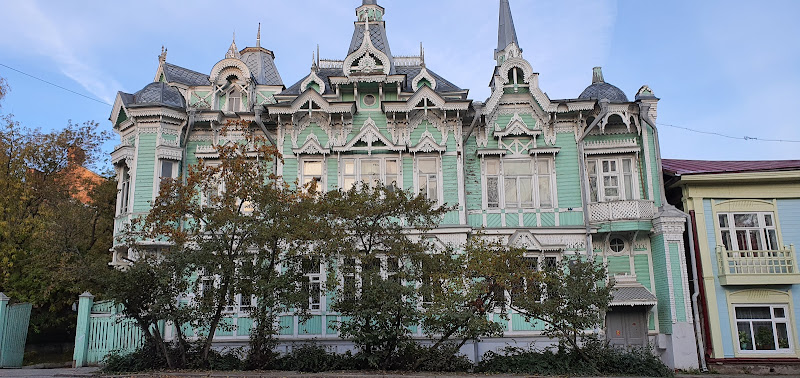
Tomsk
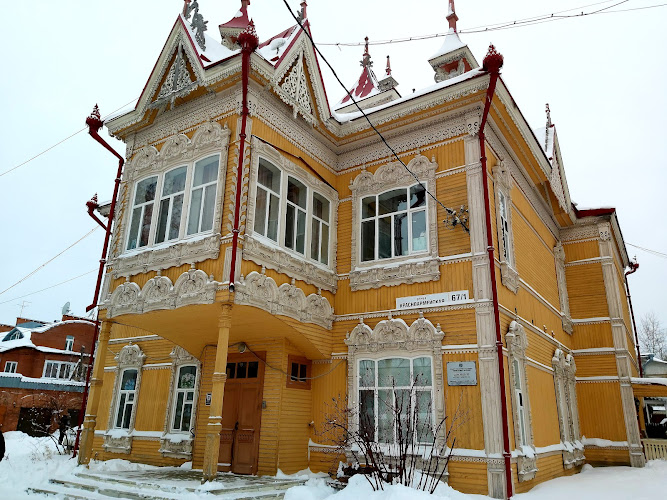
Dom S Zhar-Ptitsami
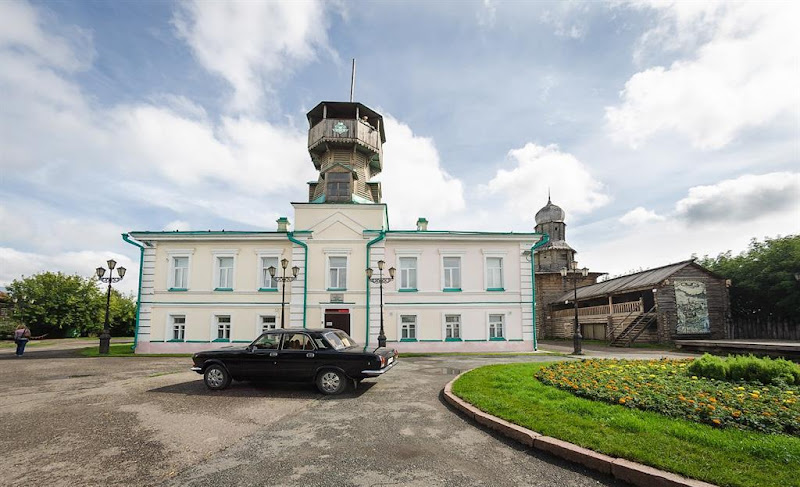
Muzey Istorii Tomska
Find Accommodations Nearby
Recommended Tours & Activities
Visitor Reviews
There are no reviews yet. Be the first one to write one.
Share Your Experience
Have you visited Tomsk memorial museum of the history of political repression? Help other travelers by leaving a review.