
Tlaquepaque
About Tlaquepaque
Description
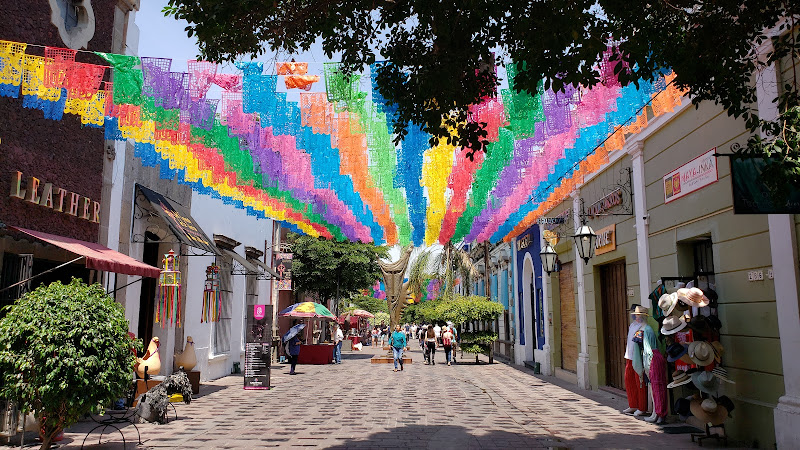
Tlaquepaque, officially San Pedro Tlaquepaque, is the arts-and-crafts heartbeat of the Guadalajara Metropolitan Area in the state of Jalisco, Mexico. It’s a city with deep roots in clay, glass, wood, and fire, and those roots show. The streets of Tlaquepaque’s historic center are lined with artisan workshops, contemporary galleries, and patios filled with music, mezcal, and stories. While it’s now fused seamlessly with Guadalajara’s urban sprawl, Tlaquepaque still feels like its own world: slower, walkable, and frankly delightful to explore on foot.
Ask locals why Tlaquepaque is famous and the answers fall into a few buckets: ceramics and blown glass, mariachi music, and a very specific kind of hospitality that somehow turns shopping into an experience. The city’s name is often linked to clay, and that checks out—ceramic art here ranges from humble cookware to national-award-winning sculpture. And yes, the rumor you heard is true: mariachis really do strike up in the large plaza called El Parián while diners dig into long lunches. There is almost always a table with your name on it, a tequila flight waiting in the wings, and a group ready to play that one song you can’t quite remember until the trumpet hits the note.
The heart of Tlaquepaque’s Centro is Jardín Hidalgo, a leafy square with a bandstand, a kiosk, and plenty of shade. Radiating out are streets like Andador Independencia (a pedestrian corridor), where galleries and boutiques spill out with color and texture—Sergio Bustamante’s whimsical sculptures, Rodo Padilla’s bronze figures, equipal leather-and-wood chairs, hand-painted ceramic pieces, and glass that catches the afternoon sun. The Museo Regional de la Cerámica and the Museo Pantaleón Panduro del Premio Nacional de la Cerámica offer a primer on why Tlaquepaque is known nationally as a guardian of traditional Mexican crafts while constantly pushing design forward.
Religious architecture anchors the scene as well. The Parroquia de San Pedro Apóstol and the Santuario de Nuestra Señora de la Soledad frame the historic center, their facades a study in styles that evolved with the town. A few blocks away, Centro Cultural El Refugio—a former hospital turned exhibition complex—hosts major craft fairs and rotating exhibitions in its airy courtyards and exhibition halls. When there’s a show, the whole area feels electric. But in a good way, not the elbowing-your-way-through kind of buzz.
Now, let’s keep it real. Tlaquepaque is not a sleepy village; it’s a lively city district in Mexico’s second-largest city. Weekends can be busy, and some shops inevitably lean touristy. Traffic around rush hours can be sticky, and the sunshine is no joke from late spring into early summer. But the tradeoff is immense: easy access from the airport and central Guadalajara, world-class folk art in strollable streets, restaurants and bars with patios you’ll want to linger in, and cultural events that make a quick visit feel like a full-on getaway.
On a first visit, the writer wandered Andador Independencia at golden hour, ducked into a gallery for shade, and ended up chatting with a glassblower about the right thickness of a rim for a cantarito (that’s the clay-cup cocktail you see around Jalisco). It’s that kind of place: angles to photograph in every doorway, and the craftspeople often right there to talk shop. You’ll notice the angles too—how shadows skim terracotta walls, how arches frame courtyards. Have a camera ready. Or don’t. The memories stick either way.
Culinary notes are strongly Jalisco. Think tortas ahogadas and birria, pozole with crunchy tostadas, jericallas for dessert, and tejuino—a lightly fermented corn drink that’s cooled with ice and a squeeze of lime. If tequila tasting is on your mind, this is home turf. Tlaquepaque pours flights with pride, and while the town of Tequila is about 1–1.5 hours away, you can understand the agave story perfectly well from a table here, one sip at a time.
Key Features
- Historic center anchored by Jardín Hidalgo and a classic kiosk, ideal for people-watching and street music
- Andador Independencia, a pedestrian street with a concentration of art galleries, artisan boutiques, and cafes
- El Parián, a large plaza ringed by restaurants and bars where mariachi groups perform throughout the afternoon and evening
- Museo Regional de la Cerámica and the Pantaleón Panduro Museum, showcasing award-winning ceramic pieces and the breadth of Jalisco craftsmanship
- Centro Cultural El Refugio, a landmark with cloisters and exhibition halls hosting fairs, shows, and the renowned craft expo
- Parroquia de San Pedro Apóstol and Santuario de Nuestra Señora de la Soledad, notable churches blending baroque and gothic elements
- Signature shopping experience: blown glass, equipal furniture, textiles, silverwork, and traditional Mexican ceramic pieces
- Mariachi culture: informal performances in plazas and scheduled sets inside El Parián
- Food scene centered on traditional Mexican dishes from Jalisco and Mexico, plus tequila and mezcal tastings
- Easy access to Guadalajara, Tonalá’s markets, the airport, and day trips to Lake Chapala and Tequila
- Photogenic streetscapes and sculpture—spot works by Sergio Bustamante and Rodo Padilla along the corridor and in galleries
- Family-friendly plazas, pet-friendly patios, and a range of boutique stays and vacation rentals
Best Time to Visit
The best time to visit Tlaquepaque is typically October to May. During those months, daytime temperatures hover around 23–28°C, nights are comfortable, and rain is minimal. In June through September, the rainy season arrives—usually short, dramatic afternoon showers that freshen the streets and then move on. If you enjoy that moody sky and the scent of dust after rain, it’s honestly beautiful. But bring a light jacket or compact umbrella.
Spring (March–May) is clear and warm, with May peaking as the hottest month—afternoons can hit around 30°C. Go early for museum visits and gallery hopping, then plan lazy lunches under fans or in shaded courtyards. Autumn (late September–November) is gold-lit and festive. Day of the Dead brings altars and art installations along the streets of Tlaquepaque, and it’s a top period for photography and culture without the fiercest heat.
If cultural events are a priority, consider:
- Late August to early September: Mariachi celebrations ripple through the Guadalajara area, and Tlaquepaque’s plazas echo with trumpets and guitars
- Late September through early November: Independence Day festivities and Día de Muertos decorations around the historic center
- June: Festivities for San Pedro and the National Ceramics Award, when exhibition halls and galleries feel extra charged
- December: Holiday season posadas and nativity displays, with twinkle lights over the plazas
Weekends are lively, especially around El Parián and Andador Independencia. For a quieter wander, weekdays before lunch are a dream. Many museums and some galleries close on Mondays, so plan your visit around that. If you’re asking, when’s the best time to visit Tlaquepaque? For many travelers, late October ranks number one: pleasant weather, rich traditions on display, and superb evening light on the colonial facades.
How to Get There
Tlaquepaque is located in the state of Jalisco, just southeast of central Guadalajara and well within the Guadalajara Metropolitan Area. From the city’s historic center, it’s usually a 20–30 minute ride depending on traffic. From the airport—officially Miguel Hidalgo y Costilla International—it can be as quick as 20–25 minutes by authorized taxi or rideshare, making Tlaquepaque a neat first stop straight after landing.
By light rail, the SITEUR Line 3 connects central Guadalajara with Tlaquepaque. Stops include Tlaquepaque Centro (an easy walk to Jardín Hidalgo and the andador) and Central de Autobuses, handy if you’re arriving by intercity coach. Line 3 is modern, efficient, and avoids traffic. If you prefer bus, multiple routes run through the area, but visitors generally find the train or rideshare simpler.
Driving is straightforward, though street parking in the historic center can be limited on weekends. There are small private lots dotted around, and many travelers park once and explore on foot. Cobblestones and narrow streets add to the charm but reward unhurried driving. If you’re staying the night, ask your hotel or vacation rental host about the closest secure parking.
From Mexico City, flights to Guadalajara take about 1 hour 20 minutes and run frequently. Long-distance buses cover the route in roughly 6–7.5 hours depending on service and time of day, many arriving at the Central de Autobuses station linked by Line 3 to Tlaquepaque Centro.
Tips for Visiting
Plan your visit like you plan a good meal—courses, not chaos. Start with a morning stroll through Jardín Hidalgo, then the Museo Regional de la Cerámica to get your eye in. From there, walk Andador Independencia and let your curiosity steer. If a workshop’s door is open and it smells of wood shavings or hot glass, there’s a good chance someone inside is happy to talk techniques. Respect the workspace; ask before photos. People here are proud of their craft and also pretty modest about it. That combo is rare.
- Timing and rhythm: Galleries open around late morning. Aim 10:30–11:00 for first visits, lunch between 1:30–3:30, and then a second gallery pass after 4:00. The light is softer, photos nicer, and yes, the guitar might be warming up at El Parián.
- Heat and rain: May gets hot; June–September can shower in the afternoon. Wear breathable clothes and comfortable shoes for cobblestones. A hat helps. So does a slow pace.
- Shopping savvy: Prices span from entry-level gifts to museum-grade art. It’s fine to ask about materials, techniques, and how long a piece took. For larger items, many shops ship internationally. Keep receipts, ask about packaging, and verify the exact shipping service and timeline.
- Haggling: Light, respectful negotiation can be acceptable at markets, less so in established galleries. If an artisan explains the process from clay to kiln, you’ll see why many prices are already fair.
- Food and drink: Try tortas ahogadas, birria, and pozole. Sip tejuino on a hot day. If you’re in for a tequila tasting, consider a flight: blanco to reposado to añejo. Hydrate between rounds, tip musicians if you request a song, and never feel rushed. This is Jalisco—lingering is practically a rule.
- Mariachi moments: El Parián can get loud and cheerful; that’s part of the fun. If you prefer a calmer experience with music at arm’s length rather than in your lap, ask for a table a bit farther from the central kiosk.
- Photography: The streets of Tlaquepaque deliver angles galore—arches, balconies, colorful doors, and sculpture. Many galleries welcome browsing but may restrict photos of certain works. Always ask.
- Family and pets: Plazas are family-friendly; many patios are pet-friendly. Bring water for pups and watch paws on warm stone. Strollers manage the andador fine, but some side streets have narrower sidewalks.
- Accessibility: Andador Independencia is mostly flat and manageable, though cobbles can be uneven. Major institutions like El Refugio and the ceramic museums are accustomed to visitors with mobility needs; call ahead if you can.
- Safety and sense: The historic center feels comfortable by day and early evening. As with any urban area, keep an eye on belongings, especially around busy plazas, and use rideshares or registered taxis at night.
- Language: Spanish is the language of craft here. A few words—buenos días, por favor, gracias—go far. Many gallery staff speak English, but tech-translate apps bridge gaps easily.
- Events: If attending a fair at El Refugio, arrive early. Exhibitions can be popular and lines form. Check museum hours—Mondays are often closed.
- Health basics: Pharmacies are common, and private clinics are nearby in the Guadalajara area. In an emergency, dial 911. Heat-wise, treat May like July anywhere else: sunscreen, shade, and agua mineral.
- Rentals and stays: Vacation rentals in Tlaquepaque commonly offer reliable wifi and dedicated workspaces; some condos and boutique hotels feature pools or courtyards perfect for a post-walk cool-down. Air conditioning helps in May, but the rest of the year many travelers find fans and evening breezes enough. For families and pets, filter for amenities labeled explicitly as family-friendly or pet-friendly.
If you like a plan, here’s a quick Day 1 sketch to bookend your trip. Start with coffee near Jardín Hidalgo, then head to the Museo Regional de la Cerámica. Wander Andador Independencia, stopping at a blown-glass studio and a couple of galleries that catch your eye. Lunch under a tree—order something regional and a cantarito if you’re curious. After lunch, visit the Pantaleón Panduro Museum to see the scope of ceramic mastery in Mexico, then drift toward El Parián for early-evening music. End at a courtyard restaurant with a tequila or a light dessert like jericalla. Sleep well; tomorrow you can do Tonalá, or Guadalajara’s Centro Histórico, or simply the other side of the andador you missed today.
Visitors sometimes ask, where exactly is Tlaquepaque? It lives right in the heart of Jalisco and Mexico’s most storied craft traditions, just minutes from central Guadalajara. How long is it to Mexico City? By plane, about an hour and twenty. By road, count on the better part of a day. What kind of climate is there? Mild for much of the year, with a warm spring and a brief rainy season of afternoon showers. Why is Tlaquepaque famous? Because it does the everyday miracle of turning earth, flame, and skilled hands into art—and it does so on streets where music and conversation run late.
Final nudge: plan your visit with one thing in mind—Tlaquepaque rewards curiosity. The more you pause to ask about a glaze, a carving, a melody, the more the city opens up. That’s the secret spice. And it lingers long after you’ve packed your suitcase, which, yes, might be one ceramic bowl heavier than when you arrived.
Key Features
- Renowned artisan workshops and galleries (pottery, glass, ironwork)
- Historic center with cobbled streets, plazas and colonial architecture
- El Parian plaza: mariachi, restaurants and handicraft stalls
- Street-level cultural life: live music, festivals and artisanal markets
- Easy day-trip access from Guadalajara with strong food scene
More Details
Updated November 3, 2025
Table of Contents
Description
Tlaquepaque, officially San Pedro Tlaquepaque, is the arts-and-crafts heartbeat of the Guadalajara Metropolitan Area in the state of Jalisco, Mexico. It’s a city with deep roots in clay, glass, wood, and fire, and those roots show. The streets of Tlaquepaque’s historic center are lined with artisan workshops, contemporary galleries, and patios filled with music, mezcal, and stories. While it’s now fused seamlessly with Guadalajara’s urban sprawl, Tlaquepaque still feels like its own world: slower, walkable, and frankly delightful to explore on foot.
Ask locals why Tlaquepaque is famous and the answers fall into a few buckets: ceramics and blown glass, mariachi music, and a very specific kind of hospitality that somehow turns shopping into an experience. The city’s name is often linked to clay, and that checks out—ceramic art here ranges from humble cookware to national-award-winning sculpture. And yes, the rumor you heard is true: mariachis really do strike up in the large plaza called El Parián while diners dig into long lunches. There is almost always a table with your name on it, a tequila flight waiting in the wings, and a group ready to play that one song you can’t quite remember until the trumpet hits the note.
The heart of Tlaquepaque’s Centro is Jardín Hidalgo, a leafy square with a bandstand, a kiosk, and plenty of shade. Radiating out are streets like Andador Independencia (a pedestrian corridor), where galleries and boutiques spill out with color and texture—Sergio Bustamante’s whimsical sculptures, Rodo Padilla’s bronze figures, equipal leather-and-wood chairs, hand-painted ceramic pieces, and glass that catches the afternoon sun. The Museo Regional de la Cerámica and the Museo Pantaleón Panduro del Premio Nacional de la Cerámica offer a primer on why Tlaquepaque is known nationally as a guardian of traditional Mexican crafts while constantly pushing design forward.
Religious architecture anchors the scene as well. The Parroquia de San Pedro Apóstol and the Santuario de Nuestra Señora de la Soledad frame the historic center, their facades a study in styles that evolved with the town. A few blocks away, Centro Cultural El Refugio—a former hospital turned exhibition complex—hosts major craft fairs and rotating exhibitions in its airy courtyards and exhibition halls. When there’s a show, the whole area feels electric. But in a good way, not the elbowing-your-way-through kind of buzz.
Now, let’s keep it real. Tlaquepaque is not a sleepy village; it’s a lively city district in Mexico’s second-largest city. Weekends can be busy, and some shops inevitably lean touristy. Traffic around rush hours can be sticky, and the sunshine is no joke from late spring into early summer. But the tradeoff is immense: easy access from the airport and central Guadalajara, world-class folk art in strollable streets, restaurants and bars with patios you’ll want to linger in, and cultural events that make a quick visit feel like a full-on getaway.
On a first visit, the writer wandered Andador Independencia at golden hour, ducked into a gallery for shade, and ended up chatting with a glassblower about the right thickness of a rim for a cantarito (that’s the clay-cup cocktail you see around Jalisco). It’s that kind of place: angles to photograph in every doorway, and the craftspeople often right there to talk shop. You’ll notice the angles too—how shadows skim terracotta walls, how arches frame courtyards. Have a camera ready. Or don’t. The memories stick either way.
Culinary notes are strongly Jalisco. Think tortas ahogadas and birria, pozole with crunchy tostadas, jericallas for dessert, and tejuino—a lightly fermented corn drink that’s cooled with ice and a squeeze of lime. If tequila tasting is on your mind, this is home turf. Tlaquepaque pours flights with pride, and while the town of Tequila is about 1–1.5 hours away, you can understand the agave story perfectly well from a table here, one sip at a time.
Key Features
- Historic center anchored by Jardín Hidalgo and a classic kiosk, ideal for people-watching and street music
- Andador Independencia, a pedestrian street with a concentration of art galleries, artisan boutiques, and cafes
- El Parián, a large plaza ringed by restaurants and bars where mariachi groups perform throughout the afternoon and evening
- Museo Regional de la Cerámica and the Pantaleón Panduro Museum, showcasing award-winning ceramic pieces and the breadth of Jalisco craftsmanship
- Centro Cultural El Refugio, a landmark with cloisters and exhibition halls hosting fairs, shows, and the renowned craft expo
- Parroquia de San Pedro Apóstol and Santuario de Nuestra Señora de la Soledad, notable churches blending baroque and gothic elements
- Signature shopping experience: blown glass, equipal furniture, textiles, silverwork, and traditional Mexican ceramic pieces
- Mariachi culture: informal performances in plazas and scheduled sets inside El Parián
- Food scene centered on traditional Mexican dishes from Jalisco and Mexico, plus tequila and mezcal tastings
- Easy access to Guadalajara, Tonalá’s markets, the airport, and day trips to Lake Chapala and Tequila
- Photogenic streetscapes and sculpture—spot works by Sergio Bustamante and Rodo Padilla along the corridor and in galleries
- Family-friendly plazas, pet-friendly patios, and a range of boutique stays and vacation rentals
Best Time to Visit
The best time to visit Tlaquepaque is typically October to May. During those months, daytime temperatures hover around 23–28°C, nights are comfortable, and rain is minimal. In June through September, the rainy season arrives—usually short, dramatic afternoon showers that freshen the streets and then move on. If you enjoy that moody sky and the scent of dust after rain, it’s honestly beautiful. But bring a light jacket or compact umbrella.
Spring (March–May) is clear and warm, with May peaking as the hottest month—afternoons can hit around 30°C. Go early for museum visits and gallery hopping, then plan lazy lunches under fans or in shaded courtyards. Autumn (late September–November) is gold-lit and festive. Day of the Dead brings altars and art installations along the streets of Tlaquepaque, and it’s a top period for photography and culture without the fiercest heat.
If cultural events are a priority, consider:
- Late August to early September: Mariachi celebrations ripple through the Guadalajara area, and Tlaquepaque’s plazas echo with trumpets and guitars
- Late September through early November: Independence Day festivities and Día de Muertos decorations around the historic center
- June: Festivities for San Pedro and the National Ceramics Award, when exhibition halls and galleries feel extra charged
- December: Holiday season posadas and nativity displays, with twinkle lights over the plazas
Weekends are lively, especially around El Parián and Andador Independencia. For a quieter wander, weekdays before lunch are a dream. Many museums and some galleries close on Mondays, so plan your visit around that. If you’re asking, when’s the best time to visit Tlaquepaque? For many travelers, late October ranks number one: pleasant weather, rich traditions on display, and superb evening light on the colonial facades.
How to Get There
Tlaquepaque is located in the state of Jalisco, just southeast of central Guadalajara and well within the Guadalajara Metropolitan Area. From the city’s historic center, it’s usually a 20–30 minute ride depending on traffic. From the airport—officially Miguel Hidalgo y Costilla International—it can be as quick as 20–25 minutes by authorized taxi or rideshare, making Tlaquepaque a neat first stop straight after landing.
By light rail, the SITEUR Line 3 connects central Guadalajara with Tlaquepaque. Stops include Tlaquepaque Centro (an easy walk to Jardín Hidalgo and the andador) and Central de Autobuses, handy if you’re arriving by intercity coach. Line 3 is modern, efficient, and avoids traffic. If you prefer bus, multiple routes run through the area, but visitors generally find the train or rideshare simpler.
Driving is straightforward, though street parking in the historic center can be limited on weekends. There are small private lots dotted around, and many travelers park once and explore on foot. Cobblestones and narrow streets add to the charm but reward unhurried driving. If you’re staying the night, ask your hotel or vacation rental host about the closest secure parking.
From Mexico City, flights to Guadalajara take about 1 hour 20 minutes and run frequently. Long-distance buses cover the route in roughly 6–7.5 hours depending on service and time of day, many arriving at the Central de Autobuses station linked by Line 3 to Tlaquepaque Centro.
Tips for Visiting
Plan your visit like you plan a good meal—courses, not chaos. Start with a morning stroll through Jardín Hidalgo, then the Museo Regional de la Cerámica to get your eye in. From there, walk Andador Independencia and let your curiosity steer. If a workshop’s door is open and it smells of wood shavings or hot glass, there’s a good chance someone inside is happy to talk techniques. Respect the workspace; ask before photos. People here are proud of their craft and also pretty modest about it. That combo is rare.
- Timing and rhythm: Galleries open around late morning. Aim 10:30–11:00 for first visits, lunch between 1:30–3:30, and then a second gallery pass after 4:00. The light is softer, photos nicer, and yes, the guitar might be warming up at El Parián.
- Heat and rain: May gets hot; June–September can shower in the afternoon. Wear breathable clothes and comfortable shoes for cobblestones. A hat helps. So does a slow pace.
- Shopping savvy: Prices span from entry-level gifts to museum-grade art. It’s fine to ask about materials, techniques, and how long a piece took. For larger items, many shops ship internationally. Keep receipts, ask about packaging, and verify the exact shipping service and timeline.
- Haggling: Light, respectful negotiation can be acceptable at markets, less so in established galleries. If an artisan explains the process from clay to kiln, you’ll see why many prices are already fair.
- Food and drink: Try tortas ahogadas, birria, and pozole. Sip tejuino on a hot day. If you’re in for a tequila tasting, consider a flight: blanco to reposado to añejo. Hydrate between rounds, tip musicians if you request a song, and never feel rushed. This is Jalisco—lingering is practically a rule.
- Mariachi moments: El Parián can get loud and cheerful; that’s part of the fun. If you prefer a calmer experience with music at arm’s length rather than in your lap, ask for a table a bit farther from the central kiosk.
- Photography: The streets of Tlaquepaque deliver angles galore—arches, balconies, colorful doors, and sculpture. Many galleries welcome browsing but may restrict photos of certain works. Always ask.
- Family and pets: Plazas are family-friendly; many patios are pet-friendly. Bring water for pups and watch paws on warm stone. Strollers manage the andador fine, but some side streets have narrower sidewalks.
- Accessibility: Andador Independencia is mostly flat and manageable, though cobbles can be uneven. Major institutions like El Refugio and the ceramic museums are accustomed to visitors with mobility needs; call ahead if you can.
- Safety and sense: The historic center feels comfortable by day and early evening. As with any urban area, keep an eye on belongings, especially around busy plazas, and use rideshares or registered taxis at night.
- Language: Spanish is the language of craft here. A few words—buenos días, por favor, gracias—go far. Many gallery staff speak English, but tech-translate apps bridge gaps easily.
- Events: If attending a fair at El Refugio, arrive early. Exhibitions can be popular and lines form. Check museum hours—Mondays are often closed.
- Health basics: Pharmacies are common, and private clinics are nearby in the Guadalajara area. In an emergency, dial 911. Heat-wise, treat May like July anywhere else: sunscreen, shade, and agua mineral.
- Rentals and stays: Vacation rentals in Tlaquepaque commonly offer reliable wifi and dedicated workspaces; some condos and boutique hotels feature pools or courtyards perfect for a post-walk cool-down. Air conditioning helps in May, but the rest of the year many travelers find fans and evening breezes enough. For families and pets, filter for amenities labeled explicitly as family-friendly or pet-friendly.
If you like a plan, here’s a quick Day 1 sketch to bookend your trip. Start with coffee near Jardín Hidalgo, then head to the Museo Regional de la Cerámica. Wander Andador Independencia, stopping at a blown-glass studio and a couple of galleries that catch your eye. Lunch under a tree—order something regional and a cantarito if you’re curious. After lunch, visit the Pantaleón Panduro Museum to see the scope of ceramic mastery in Mexico, then drift toward El Parián for early-evening music. End at a courtyard restaurant with a tequila or a light dessert like jericalla. Sleep well; tomorrow you can do Tonalá, or Guadalajara’s Centro Histórico, or simply the other side of the andador you missed today.
Visitors sometimes ask, where exactly is Tlaquepaque? It lives right in the heart of Jalisco and Mexico’s most storied craft traditions, just minutes from central Guadalajara. How long is it to Mexico City? By plane, about an hour and twenty. By road, count on the better part of a day. What kind of climate is there? Mild for much of the year, with a warm spring and a brief rainy season of afternoon showers. Why is Tlaquepaque famous? Because it does the everyday miracle of turning earth, flame, and skilled hands into art—and it does so on streets where music and conversation run late.
Final nudge: plan your visit with one thing in mind—Tlaquepaque rewards curiosity. The more you pause to ask about a glaze, a carving, a melody, the more the city opens up. That’s the secret spice. And it lingers long after you’ve packed your suitcase, which, yes, might be one ceramic bowl heavier than when you arrived.
Key Highlights
- Renowned artisan workshops and galleries (pottery, glass, ironwork)
- Historic center with cobbled streets, plazas and colonial architecture
- El Parian plaza: mariachi, restaurants and handicraft stalls
- Street-level cultural life: live music, festivals and artisanal markets
- Easy day-trip access from Guadalajara with strong food scene
Location
Places to Stay Near Tlaquepaque
Find and Book a Tour
Explore More Travel Guides
No reviews found! Be the first to review!
Traveler Reviews for Tlaquepaque
There are no reviews yet. Be the first one to write one.
Have you visited Tlaquepaque? Help other travelers by sharing your review.
Nearby Attractions
You Might Also Like

Museo Regional de la Ceramica, Tlaquepaque
Puertas Mágicas

Plazoleta Art
Find Accommodations Nearby
Recommended Tours & Activities
Visitor Reviews
There are no reviews yet. Be the first one to write one.
Share Your Experience
Have you visited Tlaquepaque? Help other travelers by leaving a review.