

Corredor Tlaquepaque
About Corredor Tlaquepaque
Description
Corredor Tlaquepaque is the kind of place that sneaks up on you—in the best way possible. It’s not just another tourist stop; it’s a living, breathing stretch of art, color, and culture tucked right into the heart of Jalisco. The air here carries the faint smell of clay, roasted coffee, and freshly made tortillas, which somehow makes you feel like you’ve stepped into both a marketplace and a museum at once. It’s a haven for travelers who crave authenticity, the kind that doesn’t feel polished or overly staged.
Walking along the corridor, one can’t help but notice how every shop tells a story. Handmade pottery, intricate glasswork, and handwoven textiles line the cobblestone pathways. The artisans—many of whom have been perfecting their crafts for generations—are often right there, ready to chat about their work. It’s this personal touch that makes the Corredor feel less like a shopping destination and more like a cultural exchange. And yes, you’ll probably leave with more souvenirs than you planned, but that’s half the fun.
The place has this easygoing rhythm. Musicians strum guitars in shaded corners, families stroll leisurely, and the occasional street performer draws a small crowd. It’s accessible too, literally—ramps and wide walkways make it welcoming for everyone, including those using wheelchairs or strollers. And while it’s undeniably tourist-friendly, it still manages to hold onto its local charm. You’ll hear Spanish spoken in every accent imaginable, but you’ll also hear laughter, bargaining, and the kind of chatter that makes a place feel alive.
What stands out most is the warmth of the people. Whether you’re buying a ceramic sun, sipping on a cup of café de olla, or just taking in the atmosphere, there’s this unspoken invitation to slow down. To look around. To really see. And maybe that’s what makes Corredor Tlaquepaque special—it reminds you that travel isn’t just about destinations, it’s about moments.
Key Features
- Authentic local handicrafts including pottery, blown glass, and hand-painted ceramics
- Street performances and live music that add to the local atmosphere
- Wheelchair-accessible entrances and parking for inclusive travel
- Family-friendly environment with safe, walkable streets
- Abundance of artisan workshops and galleries showcasing regional art
- Traditional Mexican eateries and cafés serving local favorites
- Frequent cultural festivals and artisan fairs throughout the year
Best Time to Visit
If you ask locals, they’ll tell you there’s really no bad time to visit the Corredor—but some months do have their perks. The cooler months between November and February are ideal for strolling without breaking a sweat. The afternoons are sunny but mild, and evenings bring a gentle breeze that pairs perfectly with a cup of hot chocolate or a glass of raicilla (a local spirit you should absolutely try once). Spring, around March and April, is when the flowers bloom and the streets seem to come alive with color and music.
Summers can get a bit warm, and there’s the occasional rain shower, but it’s also when the festivals hit their stride. If you don’t mind a little heat and humidity, you’ll catch the corridor at its most festive. Personally, I love visiting on weekday mornings—fewer crowds, more time to chat with artisans, and the light filtering through the trees makes for the kind of photos that don’t need filters.
How to Get There
Reaching Corredor Tlaquepaque is fairly straightforward, especially if you’re coming from Guadalajara. It’s just a short drive—maybe 20 minutes on a good day—and taxis or ride-share options are easy to find. Public transportation is available too, with local buses running frequently from the city center. If you’re the adventurous type, walking from nearby neighborhoods can be surprisingly pleasant, especially in the morning when the streets are quiet and shopkeepers are setting up for the day.
Parking can be a bit tricky during weekends, so arriving early is a smart move. There are designated parking areas nearby, including accessible spots for visitors with mobility needs. Once you’re there, ditch the car and explore on foot. The charm of the Corredor lies in its details—the texture of the walls, the smell of fresh clay, the sound of laughter echoing down the alleyways. You’ll miss all that if you rush.
Tips for Visiting
First things first—bring cash. While some shops accept cards, many artisans prefer cash payments, and it’s always nice to hand over pesos directly to the person who made what you’re buying. Also, don’t be shy about bargaining a little, but do it with respect. Remember that behind each piece is hours of craftsmanship.
If you’re traveling with kids, they’ll love watching artisans at work. Some workshops even let children try their hand at painting small ceramics, which makes for a fun and memorable souvenir. And for those who rely on accessibility features, you’ll find smooth pathways and ramps throughout the area, making it easy to navigate.
Try to visit during the late afternoon when the sun softens and the golden light hits the buildings just right—it’s absolutely magical. Grab some street food (I’m partial to the elote, corn on the cob with chili and cheese), find a bench, and just watch the world go by. You’ll probably end up chatting with locals or fellow travelers; it’s that kind of place.
Oh, and one last thing—don’t rush your visit. The Corredor isn’t meant to be checked off a list. It’s meant to be felt. Wander into the small galleries, peek into courtyards, listen to the music drifting through the air. You’ll leave with your hands full of crafts and your heart a little fuller too. And honestly, isn’t that what travel is all about?
Key Features
- Authentic local handicrafts including pottery, blown glass, and hand-painted ceramics
- Street performances and live music that add to the local atmosphere
- Wheelchair-accessible entrances and parking for inclusive travel
- Family-friendly environment with safe, walkable streets
- Abundance of artisan workshops and galleries showcasing regional art
- Traditional Mexican eateries and cafés serving local favorites
- Frequent cultural festivals and artisan fairs throughout the year
More Details
Updated November 6, 2025
Table of Contents
Description
Corredor Tlaquepaque is the kind of place that sneaks up on you—in the best way possible. It’s not just another tourist stop; it’s a living, breathing stretch of art, color, and culture tucked right into the heart of Jalisco. The air here carries the faint smell of clay, roasted coffee, and freshly made tortillas, which somehow makes you feel like you’ve stepped into both a marketplace and a museum at once. It’s a haven for travelers who crave authenticity, the kind that doesn’t feel polished or overly staged.
Walking along the corridor, one can’t help but notice how every shop tells a story. Handmade pottery, intricate glasswork, and handwoven textiles line the cobblestone pathways. The artisans—many of whom have been perfecting their crafts for generations—are often right there, ready to chat about their work. It’s this personal touch that makes the Corredor feel less like a shopping destination and more like a cultural exchange. And yes, you’ll probably leave with more souvenirs than you planned, but that’s half the fun.
The place has this easygoing rhythm. Musicians strum guitars in shaded corners, families stroll leisurely, and the occasional street performer draws a small crowd. It’s accessible too, literally—ramps and wide walkways make it welcoming for everyone, including those using wheelchairs or strollers. And while it’s undeniably tourist-friendly, it still manages to hold onto its local charm. You’ll hear Spanish spoken in every accent imaginable, but you’ll also hear laughter, bargaining, and the kind of chatter that makes a place feel alive.
What stands out most is the warmth of the people. Whether you’re buying a ceramic sun, sipping on a cup of café de olla, or just taking in the atmosphere, there’s this unspoken invitation to slow down. To look around. To really see. And maybe that’s what makes Corredor Tlaquepaque special—it reminds you that travel isn’t just about destinations, it’s about moments.
Key Features
- Authentic local handicrafts including pottery, blown glass, and hand-painted ceramics
- Street performances and live music that add to the local atmosphere
- Wheelchair-accessible entrances and parking for inclusive travel
- Family-friendly environment with safe, walkable streets
- Abundance of artisan workshops and galleries showcasing regional art
- Traditional Mexican eateries and cafés serving local favorites
- Frequent cultural festivals and artisan fairs throughout the year
Best Time to Visit
If you ask locals, they’ll tell you there’s really no bad time to visit the Corredor—but some months do have their perks. The cooler months between November and February are ideal for strolling without breaking a sweat. The afternoons are sunny but mild, and evenings bring a gentle breeze that pairs perfectly with a cup of hot chocolate or a glass of raicilla (a local spirit you should absolutely try once). Spring, around March and April, is when the flowers bloom and the streets seem to come alive with color and music.
Summers can get a bit warm, and there’s the occasional rain shower, but it’s also when the festivals hit their stride. If you don’t mind a little heat and humidity, you’ll catch the corridor at its most festive. Personally, I love visiting on weekday mornings—fewer crowds, more time to chat with artisans, and the light filtering through the trees makes for the kind of photos that don’t need filters.
How to Get There
Reaching Corredor Tlaquepaque is fairly straightforward, especially if you’re coming from Guadalajara. It’s just a short drive—maybe 20 minutes on a good day—and taxis or ride-share options are easy to find. Public transportation is available too, with local buses running frequently from the city center. If you’re the adventurous type, walking from nearby neighborhoods can be surprisingly pleasant, especially in the morning when the streets are quiet and shopkeepers are setting up for the day.
Parking can be a bit tricky during weekends, so arriving early is a smart move. There are designated parking areas nearby, including accessible spots for visitors with mobility needs. Once you’re there, ditch the car and explore on foot. The charm of the Corredor lies in its details—the texture of the walls, the smell of fresh clay, the sound of laughter echoing down the alleyways. You’ll miss all that if you rush.
Tips for Visiting
First things first—bring cash. While some shops accept cards, many artisans prefer cash payments, and it’s always nice to hand over pesos directly to the person who made what you’re buying. Also, don’t be shy about bargaining a little, but do it with respect. Remember that behind each piece is hours of craftsmanship.
If you’re traveling with kids, they’ll love watching artisans at work. Some workshops even let children try their hand at painting small ceramics, which makes for a fun and memorable souvenir. And for those who rely on accessibility features, you’ll find smooth pathways and ramps throughout the area, making it easy to navigate.
Try to visit during the late afternoon when the sun softens and the golden light hits the buildings just right—it’s absolutely magical. Grab some street food (I’m partial to the elote, corn on the cob with chili and cheese), find a bench, and just watch the world go by. You’ll probably end up chatting with locals or fellow travelers; it’s that kind of place.
Oh, and one last thing—don’t rush your visit. The Corredor isn’t meant to be checked off a list. It’s meant to be felt. Wander into the small galleries, peek into courtyards, listen to the music drifting through the air. You’ll leave with your hands full of crafts and your heart a little fuller too. And honestly, isn’t that what travel is all about?
Key Highlights
- Authentic local handicrafts including pottery, blown glass, and hand-painted ceramics
- Street performances and live music that add to the local atmosphere
- Wheelchair-accessible entrances and parking for inclusive travel
- Family-friendly environment with safe, walkable streets
- Abundance of artisan workshops and galleries showcasing regional art
- Traditional Mexican eateries and cafés serving local favorites
- Frequent cultural festivals and artisan fairs throughout the year
Location
Places to Stay Near Corredor Tlaquepaque
Find and Book a Tour
Explore More Travel Guides
No reviews found! Be the first to review!
Traveler Reviews for Corredor Tlaquepaque
There are no reviews yet. Be the first one to write one.
Have you visited Corredor Tlaquepaque? Help other travelers by sharing your review.
You Might Also Like
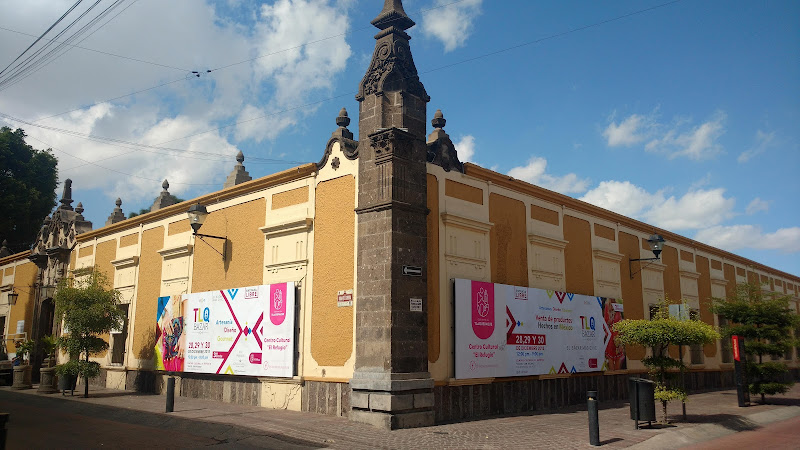
Centro Cultural El Refugio

Museo Regional de la Ceramica, Tlaquepaque
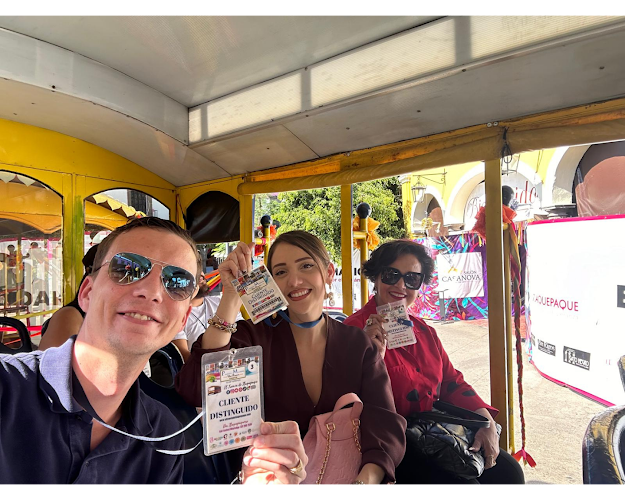
El Tranvía de Tlaquepaque - Tours en Tlaquepaque - Club Turístico - Sucursal Parian
Find Accommodations Nearby
Recommended Tours & Activities
Visitor Reviews
There are no reviews yet. Be the first one to write one.
Share Your Experience
Have you visited Corredor Tlaquepaque? Help other travelers by leaving a review.