
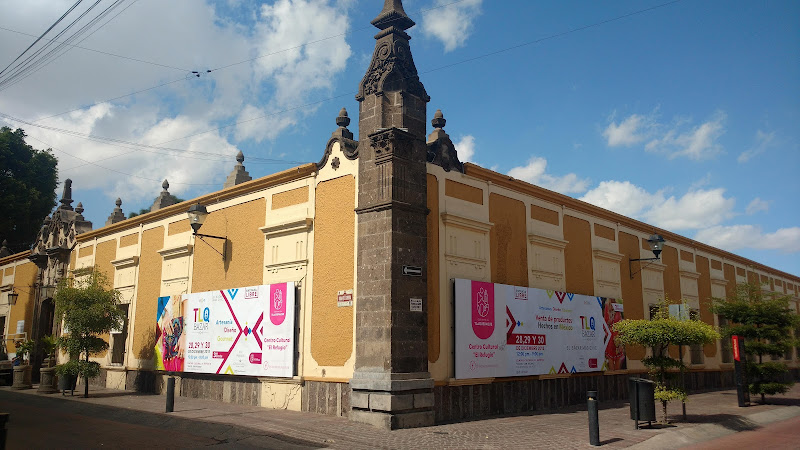
Centro Cultural El Refugio
About Centro Cultural El Refugio
Description
Centro Cultural El Refugio represents one of those cultural gems that tends to surprise visitors who stumble upon it during their travels through Mexico. This isn't your typical stuffy museum where you shuffle past roped-off artifacts while trying not to sneeze too loudly. Instead, this cultural center brings together performing arts, visual exhibitions, educational workshops, and community gatherings under one roof in a way that feels genuinely welcoming rather than pretentious. The space itself serves multiple purposes throughout any given week. You might walk through during a contemporary art exhibition on Tuesday afternoon and return Friday evening to catch a theatrical performance in the same general area. That's part of what makes El Refugio special—it's constantly evolving based on what's being showcased or performed. I've always thought there's something refreshing about cultural spaces that refuse to be just one thing, and this place embodies that philosophy completely. What really sets this center apart from other cultural attractions is its commitment to being accessible in every sense of the word. Not just physically accessible (though we'll get to those features), but culturally accessible too. The programming ranges from traditional Mexican performances to experimental modern art, classical concerts to contemporary theatrical productions. And you don't need an art history degree to appreciate what's happening here. The curators and organizers seem to understand that cultural enrichment works best when it doesn't feel like homework. The facility has earned an impressive reputation among both locals and international visitors, with thousands of people singing its praises after experiencing what it has to offer. But like any cultural venue, it's not necessarily everyone's cup of tea—some visitors expect different things or arrive during quieter programming periods. That's the nature of cultural centers though, isn't it? Your experience depends heavily on what's being featured when you visit.Key Features
The Centro Cultural El Refugio offers several standout characteristics that travelers should know about before planning their visit:- Multiple performance and exhibition spaces that accommodate everything from intimate gallery showings to larger theatrical productions and musical concerts
- Rotating art exhibitions featuring both established Mexican artists and emerging contemporary creators who push boundaries in interesting ways
- Live theatrical performances ranging from classic works to modern interpretations that sometimes incorporate multimedia elements
- Regular concert series showcasing various musical genres including classical, folk, jazz, and experimental compositions
- Educational workshops open to visitors who want hands-on experience with different artistic mediums and cultural practices
- Complete wheelchair accessibility including entrance ramps, designated parking spaces, and adapted restroom facilities—something that unfortunately still isn't universal at cultural venues
- Clean, well-maintained restroom facilities available to all visitors throughout their stay
- A calendar of events that changes regularly, meaning repeat visitors will encounter entirely different experiences each time
- Spaces designed to encourage interaction and contemplation rather than just passive observation
- Programming that honors traditional Mexican cultural heritage while simultaneously embracing contemporary artistic expression
Best Time to Visit
Timing your visit to Centro Cultural El Refugio requires a bit more strategy than just showing up whenever. Unlike a static museum where the exhibits remain unchanged for months, this place lives and breathes according to its programming schedule. The absolute best approach? Check their event calendar before you finalize your travel dates. I know that sounds backwards—most people pick their travel dates first and then figure out what to do. But if you're serious about experiencing El Refugio at its finest, you'll want to align your visit with performances or exhibitions that genuinely interest you. There's a significant difference between wandering through during a quiet weekday afternoon with minimal programming versus attending during a opening night of a major exhibition or a acclaimed theatrical run. That said, weekday afternoons can be perfect for travelers who prefer smaller crowds and a more contemplative atmosphere. You'll have more space to absorb the visual exhibitions without bumping elbows with other visitors. The energy differs completely from weekend evenings when performances draw larger audiences, but neither experience is inherently better—they're just different. Evening performances typically draw the biggest crowds, especially on Friday and Saturday nights. If you thrive on that collective energy of people gathered for live arts, that's your sweet spot. But get there early because popular shows do fill up. Weather-wise, since most of the experience happens indoors, you're not as dependent on perfect sunny days as you would be at outdoor attractions. That makes El Refugio an excellent backup plan if rain disrupts your other sightseeing plans. Actually, some of my most memorable cultural experiences have happened on gloomy afternoons when I ducked into a venue to escape bad weather and discovered something unexpectedly wonderful. The cultural calendar tends to heat up during traditional festival seasons, so if you're visiting during major Mexican cultural celebrations, expect special programming that honors those occasions. These can be absolutely spectacular times to visit, though you'll definitely be sharing the experience with more people.How to Get There
Getting to Centro Cultural El Refugio is relatively straightforward once you've oriented yourself in the area. The center has made accessibility a priority, which extends to how visitors arrive. If you're driving, you'll appreciate the wheelchair-accessible parking lot—and even if you don't need accessibility features, it's nice to know you've got parking options. Finding parking at cultural venues can sometimes feel like an Olympic sport, so having dedicated spaces takes some stress out of the equation. Taxis and ride-sharing services can drop you directly at the entrance, which is also wheelchair accessible. Just make sure your driver knows the specific cultural center you're headed to, since some cities have multiple cultural venues that could cause confusion. For travelers relying on public transportation, buses typically run to the surrounding area, though you'll want to confirm current routes and schedules since these can change. Local residents are usually helpful if you need to ask directions—don't be shy about showing someone the address on your phone if your Spanish isn't strong. Walking to El Refugio is definitely doable if you're staying nearby. The surrounding neighborhood is generally safe during daylight hours, though as with anywhere, you should stay aware of your surroundings and avoid walking alone late at night. I'd recommend building in extra time for your first visit. Even with GPS, finding a new cultural venue in an unfamiliar area sometimes takes longer than expected, and you don't want to miss the beginning of a performance because you were circling the block looking for the entrance.Tips for Visiting
After considering what makes Centro Cultural El Refugio tick, here are some practical insights that'll enhance your experience there. First things first: seriously, check that programming calendar before you go. I can't stress this enough. The difference between a magical visit and a mediocre one often comes down to whether something compelling is actually happening during your visit. Their website or social media channels should list upcoming events, exhibitions, and performances. If you're not tech-savvy or don't speak Spanish, ask your hotel concierge to help you figure out what's scheduled. Arrive earlier than you think you need to, especially for performances. You'll want time to use the restroom (they're available and well-maintained), maybe grab a drink if refreshments are available, and just soak in the atmosphere without rushing. Plus, getting there early often means better seating options for shows. Dress codes aren't typically super formal at cultural centers in Mexico, but I'd suggest going slightly nicer than your beachwear or hiking clothes. You don't need to wear a tuxedo or evening gown, but clean, casual clothes show respect for the performers and other audience members. And comfortable shoes matter more than you'd think—you might be standing during gallery viewings or walking between different spaces. If you're interested in the workshop offerings, inquire about registration requirements beforehand. Some workshops accept walk-ins while others need advance booking, and nothing's more disappointing than showing up excited to participate only to learn you needed to register a week ago. Bring cash for any admission fees, workshop costs, or gift shop purchases. While many places increasingly accept cards, having local currency on hand prevents payment headaches. The amounts are typically quite reasonable anyway—cultural centers in Mexico generally price things accessibly rather than charging tourist-trap rates. Photography policies vary depending on what's being exhibited or performed. Always ask before snapping photos, especially during live performances. Artists and performers deserve that basic courtesy, and you don't want to be that person whose camera flash ruins a dramatic moment. For travelers with accessibility needs, the wheelchair-accessible features aren't just token gestures—they're genuinely well-implemented. But if you have specific requirements, calling ahead to discuss them with staff ensures everything goes smoothly during your visit. Don't rush your visit. Too many travelers treat cultural centers like checkbox attractions where you pop in for twenty minutes and leave. Give yourself permission to slow down, sit with a piece of art that speaks to you, or stay for an entire performance even if it's longer than you planned. These experiences work best when you're not constantly checking your watch. If your Spanish is limited, don't let that stop you from attending performances or asking questions. Visual art exhibitions communicate across language barriers, and music is universal. For theatrical performances, the emotional content and physical performance often convey the story even if you don't catch every word. Plus, struggling through a cultural experience in another language often becomes one of those travel memories you cherish later. Finally, consider visiting more than once if your schedule allows. The rotating nature of exhibitions and performances means each visit offers something completely different. What you see on Monday might bear little resemblance to what's happening Thursday, and that variety is honestly pretty rare in the cultural attraction world.Key Features
- Rotating contemporary art exhibitions featuring local and regional artists
- Small performance space for theater, music and community events
- Hands-on workshops and craft demonstrations tied to Jalisco traditions
- Intimate, community-focused atmosphere that facilitates artist–visitor interaction
- Central location in San Pedro Tlaquepaque near galleries and artisan shops
More Details
Updated March 30, 2026
Table of Contents
Description
Centro Cultural El Refugio represents one of those cultural gems that tends to surprise visitors who stumble upon it during their travels through Mexico. This isn’t your typical stuffy museum where you shuffle past roped-off artifacts while trying not to sneeze too loudly. Instead, this cultural center brings together performing arts, visual exhibitions, educational workshops, and community gatherings under one roof in a way that feels genuinely welcoming rather than pretentious.
The space itself serves multiple purposes throughout any given week. You might walk through during a contemporary art exhibition on Tuesday afternoon and return Friday evening to catch a theatrical performance in the same general area. That’s part of what makes El Refugio special—it’s constantly evolving based on what’s being showcased or performed. I’ve always thought there’s something refreshing about cultural spaces that refuse to be just one thing, and this place embodies that philosophy completely.
What really sets this center apart from other cultural attractions is its commitment to being accessible in every sense of the word. Not just physically accessible (though we’ll get to those features), but culturally accessible too. The programming ranges from traditional Mexican performances to experimental modern art, classical concerts to contemporary theatrical productions. And you don’t need an art history degree to appreciate what’s happening here. The curators and organizers seem to understand that cultural enrichment works best when it doesn’t feel like homework.
The facility has earned an impressive reputation among both locals and international visitors, with thousands of people singing its praises after experiencing what it has to offer. But like any cultural venue, it’s not necessarily everyone’s cup of tea—some visitors expect different things or arrive during quieter programming periods. That’s the nature of cultural centers though, isn’t it? Your experience depends heavily on what’s being featured when you visit.
Key Features
The Centro Cultural El Refugio offers several standout characteristics that travelers should know about before planning their visit:
- Multiple performance and exhibition spaces that accommodate everything from intimate gallery showings to larger theatrical productions and musical concerts
- Rotating art exhibitions featuring both established Mexican artists and emerging contemporary creators who push boundaries in interesting ways
- Live theatrical performances ranging from classic works to modern interpretations that sometimes incorporate multimedia elements
- Regular concert series showcasing various musical genres including classical, folk, jazz, and experimental compositions
- Educational workshops open to visitors who want hands-on experience with different artistic mediums and cultural practices
- Complete wheelchair accessibility including entrance ramps, designated parking spaces, and adapted restroom facilities—something that unfortunately still isn’t universal at cultural venues
- Clean, well-maintained restroom facilities available to all visitors throughout their stay
- A calendar of events that changes regularly, meaning repeat visitors will encounter entirely different experiences each time
- Spaces designed to encourage interaction and contemplation rather than just passive observation
- Programming that honors traditional Mexican cultural heritage while simultaneously embracing contemporary artistic expression
Best Time to Visit
Timing your visit to Centro Cultural El Refugio requires a bit more strategy than just showing up whenever. Unlike a static museum where the exhibits remain unchanged for months, this place lives and breathes according to its programming schedule.
The absolute best approach? Check their event calendar before you finalize your travel dates. I know that sounds backwards—most people pick their travel dates first and then figure out what to do. But if you’re serious about experiencing El Refugio at its finest, you’ll want to align your visit with performances or exhibitions that genuinely interest you. There’s a significant difference between wandering through during a quiet weekday afternoon with minimal programming versus attending during a opening night of a major exhibition or a acclaimed theatrical run.
That said, weekday afternoons can be perfect for travelers who prefer smaller crowds and a more contemplative atmosphere. You’ll have more space to absorb the visual exhibitions without bumping elbows with other visitors. The energy differs completely from weekend evenings when performances draw larger audiences, but neither experience is inherently better—they’re just different.
Evening performances typically draw the biggest crowds, especially on Friday and Saturday nights. If you thrive on that collective energy of people gathered for live arts, that’s your sweet spot. But get there early because popular shows do fill up.
Weather-wise, since most of the experience happens indoors, you’re not as dependent on perfect sunny days as you would be at outdoor attractions. That makes El Refugio an excellent backup plan if rain disrupts your other sightseeing plans. Actually, some of my most memorable cultural experiences have happened on gloomy afternoons when I ducked into a venue to escape bad weather and discovered something unexpectedly wonderful.
The cultural calendar tends to heat up during traditional festival seasons, so if you’re visiting during major Mexican cultural celebrations, expect special programming that honors those occasions. These can be absolutely spectacular times to visit, though you’ll definitely be sharing the experience with more people.
How to Get There
Getting to Centro Cultural El Refugio is relatively straightforward once you’ve oriented yourself in the area. The center has made accessibility a priority, which extends to how visitors arrive.
If you’re driving, you’ll appreciate the wheelchair-accessible parking lot—and even if you don’t need accessibility features, it’s nice to know you’ve got parking options. Finding parking at cultural venues can sometimes feel like an Olympic sport, so having dedicated spaces takes some stress out of the equation.
Taxis and ride-sharing services can drop you directly at the entrance, which is also wheelchair accessible. Just make sure your driver knows the specific cultural center you’re headed to, since some cities have multiple cultural venues that could cause confusion.
For travelers relying on public transportation, buses typically run to the surrounding area, though you’ll want to confirm current routes and schedules since these can change. Local residents are usually helpful if you need to ask directions—don’t be shy about showing someone the address on your phone if your Spanish isn’t strong.
Walking to El Refugio is definitely doable if you’re staying nearby. The surrounding neighborhood is generally safe during daylight hours, though as with anywhere, you should stay aware of your surroundings and avoid walking alone late at night.
I’d recommend building in extra time for your first visit. Even with GPS, finding a new cultural venue in an unfamiliar area sometimes takes longer than expected, and you don’t want to miss the beginning of a performance because you were circling the block looking for the entrance.
Tips for Visiting
After considering what makes Centro Cultural El Refugio tick, here are some practical insights that’ll enhance your experience there.
First things first: seriously, check that programming calendar before you go. I can’t stress this enough. The difference between a magical visit and a mediocre one often comes down to whether something compelling is actually happening during your visit. Their website or social media channels should list upcoming events, exhibitions, and performances. If you’re not tech-savvy or don’t speak Spanish, ask your hotel concierge to help you figure out what’s scheduled.
Arrive earlier than you think you need to, especially for performances. You’ll want time to use the restroom (they’re available and well-maintained), maybe grab a drink if refreshments are available, and just soak in the atmosphere without rushing. Plus, getting there early often means better seating options for shows.
Dress codes aren’t typically super formal at cultural centers in Mexico, but I’d suggest going slightly nicer than your beachwear or hiking clothes. You don’t need to wear a tuxedo or evening gown, but clean, casual clothes show respect for the performers and other audience members. And comfortable shoes matter more than you’d think—you might be standing during gallery viewings or walking between different spaces.
If you’re interested in the workshop offerings, inquire about registration requirements beforehand. Some workshops accept walk-ins while others need advance booking, and nothing’s more disappointing than showing up excited to participate only to learn you needed to register a week ago.
Bring cash for any admission fees, workshop costs, or gift shop purchases. While many places increasingly accept cards, having local currency on hand prevents payment headaches. The amounts are typically quite reasonable anyway—cultural centers in Mexico generally price things accessibly rather than charging tourist-trap rates.
Photography policies vary depending on what’s being exhibited or performed. Always ask before snapping photos, especially during live performances. Artists and performers deserve that basic courtesy, and you don’t want to be that person whose camera flash ruins a dramatic moment.
For travelers with accessibility needs, the wheelchair-accessible features aren’t just token gestures—they’re genuinely well-implemented. But if you have specific requirements, calling ahead to discuss them with staff ensures everything goes smoothly during your visit.
Don’t rush your visit. Too many travelers treat cultural centers like checkbox attractions where you pop in for twenty minutes and leave. Give yourself permission to slow down, sit with a piece of art that speaks to you, or stay for an entire performance even if it’s longer than you planned. These experiences work best when you’re not constantly checking your watch.
If your Spanish is limited, don’t let that stop you from attending performances or asking questions. Visual art exhibitions communicate across language barriers, and music is universal. For theatrical performances, the emotional content and physical performance often convey the story even if you don’t catch every word. Plus, struggling through a cultural experience in another language often becomes one of those travel memories you cherish later.
Finally, consider visiting more than once if your schedule allows. The rotating nature of exhibitions and performances means each visit offers something completely different. What you see on Monday might bear little resemblance to what’s happening Thursday, and that variety is honestly pretty rare in the cultural attraction world.
Key Highlights
- Rotating contemporary art exhibitions featuring local and regional artists
- Small performance space for theater, music and community events
- Hands-on workshops and craft demonstrations tied to Jalisco traditions
- Intimate, community-focused atmosphere that facilitates artist–visitor interaction
- Central location in San Pedro Tlaquepaque near galleries and artisan shops
Location
Places to Stay Near Centro Cultural El Refugio
Find and Book a Tour
Explore More Travel Guides
No reviews found! Be the first to review!
Centro Cultural El Refugio is a prominent attractions located in Tlaquepaque.
Visit us at: C. Donato Guerra 160, San Juan, 45500 San Pedro Tlaquepaque, Jal., Mexique.
Traveler Reviews for Centro Cultural El Refugio
There are no reviews yet. Be the first one to write one.
Have you visited Centro Cultural El Refugio? Help other travelers by sharing your review.
Nearby Attractions
You Might Also Like

Museo Regional de la Ceramica, Tlaquepaque

expo ganadera
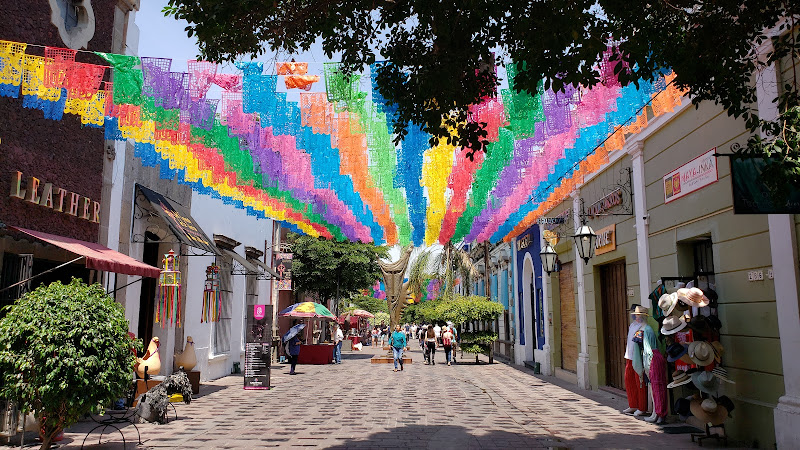
Tlaquepaque
Find Accommodations Nearby
Recommended Tours & Activities
Visitor Reviews
There are no reviews yet. Be the first one to write one.
Share Your Experience
Have you visited Centro Cultural El Refugio? Help other travelers by leaving a review.