Description
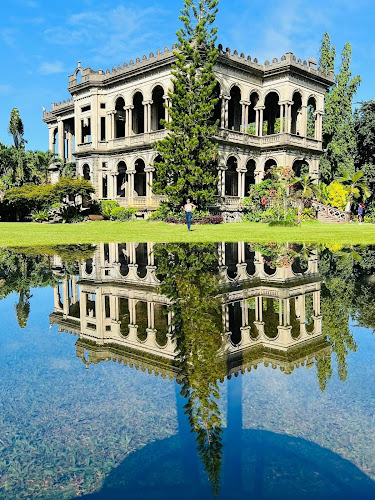
The Ruins stands as one of the most photographed landmarks you’ll find in the Philippines, and honestly, when you first lay eyes on it, you’ll understand why everyone’s camera comes out immediately. This skeletal mansion tells a story that’s both romantic and heartbreaking—a grand Italianate structure that was intentionally burned down during World War II to prevent Japanese forces from using it as headquarters. What remains today is essentially the concrete skeleton of what was once an incredibly lavish home, and I’ve got to say, there’s something hauntingly beautiful about those tall columns reaching up toward the sky.
The mansion was built in the early 1900s by Don Mariano Ledesma Lacson in memory of his Portuguese wife, Maria Braga, who died during the birth of their eleventh child. Yeah, you read that right—eleventh. The structure took several years to complete and used the finest materials available at that time, including egg whites mixed into the concrete to strengthen it. That old-world technique is actually why these ruins are still standing strong more than a century later.
Walking through The Ruins feels like stepping into a different era entirely. The structure’s footprint gives you a real sense of just how massive this estate was, and you can still make out where different rooms would have been. The restaurant that operates on the premises now serves Filipino and Italian cuisine, which feels like a fitting tribute to the family’s heritage. And those gardens surrounding the ruins? They’ve been carefully landscaped to complement the weathered columns and arches, creating this interesting contrast between decay and vibrant growth that photographers absolutely go crazy for.
Key Features
The Ruins offers visitors way more than just a pretty backdrop for Instagram photos, though it certainly excels at that too. Here’s what makes this place worth the trip:
- The iconic skeletal mansion structure with its towering neo-Romanesque columns that stand approximately 40 feet tall, creating dramatic silhouettes especially during golden hour
- A full-service restaurant housed within the grounds serving both traditional Filipino dishes and Italian-inspired cuisine, because nothing says romance like dining among ruins
- Beautifully maintained gardens with walking paths that wind around the mansion’s perimeter, offering different vantage points for photography
- Evening illumination that transforms the ruins into something almost magical—the structure gets lit up after dark and takes on a completely different character
- Complete wheelchair accessibility throughout the venue, including the entrance, parking areas, and restroom facilities
- A souvenir shop where you can pick up locally-made crafts and memorabilia to remember your visit
- Event spaces that host everything from weddings to corporate functions, with the ruins serving as a dramatic backdrop
- Free parking both in a dedicated lot and along nearby streets, which is honestly a blessing since parking fees can add up quick
- Live music performances during certain evenings that add an atmospheric element to the dining experience
- Historical markers and information displays that tell the story of the Lacson family and the mansion’s construction and destruction
Best Time to Visit
Timing your visit to The Ruins can make a huge difference in your experience, and I learned this the hard way. The venue is open year-round, but certain times definitely beat others depending on what you’re after.
If you’re chasing those perfect golden hour shots—and let’s be honest, who isn’t—you’ll want to arrive around 4:30 or 5:00 PM. The late afternoon sun casts these incredible shadows through the columns, and the light gets this warm quality that makes everything look like it belongs in a magazine spread. Plus, you can stick around for the sunset and then see the ruins illuminated after dark, which gives you basically two completely different experiences in one visit.
Weather-wise, the dry season from November through May offers the most reliable conditions. But here’s the thing—December through February brings cooler temperatures that make walking around the gardens much more comfortable. Philippine heat is no joke, and by March or April, you might find yourself wilting a bit during midday visits.
Weekdays tend to be quieter than weekends, especially if you’re visiting outside of major holidays. Weekend afternoons can get pretty crowded with wedding parties, family gatherings, and tour groups. If you prefer a more contemplative experience where you can really soak in the atmosphere without dodging other people’s selfie sticks, aim for a Tuesday or Wednesday afternoon.
Special events and live music performances typically happen on weekend evenings, so if that appeals to you, plan accordingly. The place takes on this romantic, almost ethereal quality when there’s a guitarist playing classical pieces while the ruins glow against the night sky.
Avoid visiting during the rainy season (June through October) unless you don’t mind getting wet or having your plans potentially disrupted. Those gardens can get muddy, and photographing through rain-streaked lenses isn’t exactly ideal.
How to Get There
Getting to The Ruins requires a bit of planning since it’s located in Talisay City, Negros Occidental, which is part of the greater Bacolod area. But don’t let that intimidate you—it’s actually pretty straightforward once you know your options.
Most visitors fly into Bacolod-Silay Airport, which serves both domestic and some international flights. From the airport, you’re looking at roughly a 45-minute to one-hour drive to The Ruins depending on traffic conditions. Taxis are readily available at the airport, though you’ll want to negotiate or insist on using the meter before getting in. Expect to pay somewhere in the 400-600 peso range for a one-way trip.
Grab (Southeast Asia’s version of Uber) operates in Bacolod and offers a more transparent pricing structure, which I personally prefer because there’s no negotiating involved. Just make sure you’ve got the app downloaded and set up before you arrive.
If you’re already staying in Bacolod proper, the ruins are about 20-30 minutes away by car. Many hotels can arrange transportation for you, either through their own vehicles or by connecting you with trusted drivers. Some visitors opt to rent a car for the day, which gives you flexibility to explore other nearby attractions at your own pace.
Tour companies in Bacolod often include The Ruins as part of city tour packages, which can be convenient if you want to hit multiple sites in one day without worrying about logistics. These tours typically also stop at other popular spots like The Negros Museum and various food destinations.
For the more adventurous and budget-conscious travelers, public jeepneys run routes that can get you reasonably close to The Ruins, though you might need to take a tricycle for the final stretch. This option requires more time and some willingness to ask locals for directions, but it’s definitely the most economical choice.
Tips for Visiting
After spending time at The Ruins and hearing stories from other travelers, I’ve gathered some practical advice that’ll help you make the most of your visit.
Bring your good camera or make sure your phone is fully charged, because you’re going to take way more photos than you think. The lighting changes constantly throughout the afternoon and evening, and each shift creates new opportunities for shots. And seriously, don’t be shy about experimenting with angles—getting low to the ground and shooting upward through the columns creates some really dramatic perspectives.
Dress comfortably but keep in mind that many people treat this as a somewhat dressy outing, especially if they’re planning to dine at the restaurant. The gardens involve some walking, so while those heels might look great in photos, your feet will thank you for choosing wedges or flats instead. Light, breathable fabrics work best given the tropical climate.
If you’re planning to eat at the restaurant, making a reservation ahead of time is smart, particularly for weekend evenings or if you have a larger group. The food gets mixed reviews honestly—some people rave about certain dishes while others find it just okay—but the atmosphere and setting really are the main attractions. Set your expectations accordingly and you won’t be disappointed.
The entrance fee is quite reasonable and includes access to the grounds and gardens. There might be additional charges if you’re attending a special event or function. Keep some cash on hand as not all vendors and services may accept cards.
Sunset and evening visits mean you’ll be leaving after dark, so arrange your transportation in advance rather than trying to flag down a ride on the spot. Having a driver’s number saved or scheduling a Grab ahead of time eliminates stress and lets you enjoy the experience fully.
Wheelchair users will find the venue genuinely accessible, which isn’t always the case with historical sites. The pathways are well-maintained and navigable, though some garden areas have slight inclines.
Bring bug spray if you’re visiting during the early evening, especially in the rainy season. Those gardens attract mosquitoes, and getting bitten repeatedly kind of ruins the romantic ambiance.
Don’t rush your visit. This isn’t a place where you need to tick a box and move on to the next attraction. Sit in the gardens for a while, watch how the light changes, maybe have a drink at the restaurant. The Ruins rewards a slower, more contemplative pace. Some of my best travel memories come from places where I just sat still and observed rather than rushing around trying to see everything.
 Real Journey Travels