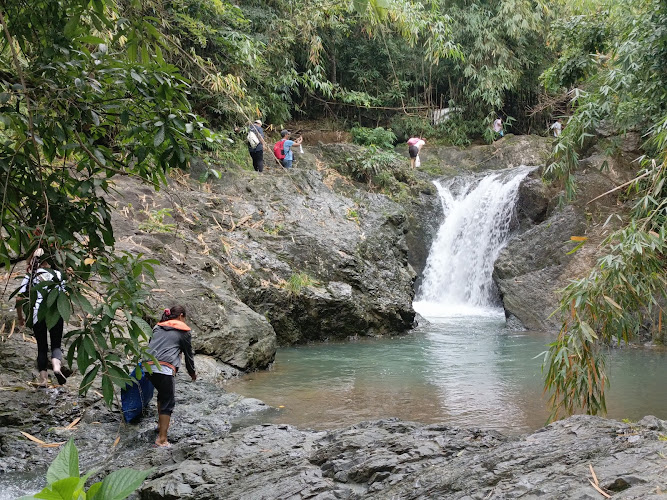
The CSJDM Dumagat Trail Tourist Assistance Desk serves as the primary gateway for adventurers looking to explore one of the Philippines’ most authentic cultural and ecological experiences.
Highlights & Key Features
Key Features
Best Time to Visit
How to Get There
Tips for Visiting
Visitor Guide & Information
Description
The CSJDM Dumagat Trail Tourist Assistance Desk serves as the primary gateway for adventurers looking to explore one of the Philippines’ most authentic cultural and ecological experiences. This facility acts as more than just an information center—it’s really the starting point for meaningful encounters with the indigenous Dumagat people and the natural landscape they’ve called home for generations.
Located in an area where modern development meets traditional tribal territories, the assistance desk helps coordinate visits to the Dumagat communities while ensuring that tourism remains respectful and sustainable. The staff here understand that travelers aren’t just looking for another photo opportunity, but genuine connections with a way of life that has persisted despite centuries of change around them.
What makes this place particularly important is its role in bridging two worlds. The Dumagat people have historically been semi-nomadic forest dwellers, and their knowledge of the surrounding environment is extraordinary. But for visitors unfamiliar with indigenous protocols and the terrain, having a proper orientation point becomes essential. And that’s exactly what this assistance desk provides.
The facility itself might not win any architectural awards, but functionality matters more here. You’ll find staff members who actually know the trails, understand the cultural sensitivities involved, and can communicate effectively with both the tribal communities and tourists. Many visitors have noted how approachable and helpful the personnel are, which honestly makes all the difference when you’re about to venture into unfamiliar territory.
Accessibility has been considered in the design, with wheelchair-accessible parking available for those with mobility considerations. The desk also caters to families, making it suitable for visitors traveling with children who want to introduce them to different cultures and outdoor experiences. Though I should mention that while the desk itself is family-friendly, the actual trails vary in difficulty, so you’ll want to discuss your group’s capabilities with the staff.
Key Features
The CSJDM Dumagat Trail Tourist Assistance Desk offers several practical services and features that travelers should know about:
• Cultural orientation sessions that explain Dumagat customs, traditions, and the proper etiquette when visiting their communities
• Trail information covering various difficulty levels, from easy walks suitable for beginners to more challenging routes for experienced hikers
• Coordination with local Dumagat guides who provide authentic insights you simply won’t get from outsiders
• Safety briefings that cover everything from wildlife awareness to emergency protocols in the forest environment
• Permit processing for those wishing to access certain protected areas within the tribal lands
• Up-to-date weather and trail condition reports that help visitors plan their excursions appropriately
• Educational materials about the Dumagat people’s history, traditional practices, and current way of life
• Equipment rental information and recommendations for what to bring on different types of trails
• Wheelchair accessible parking facilities making the initial access point available to visitors with mobility needs
• Kid-friendly orientation that helps younger travelers understand and appreciate indigenous cultures
• Connection services linking visitors with homestay opportunities in Dumagat communities for those wanting deeper immersion
• Information about local flora and fauna, including medicinal plants the Dumagat have used for generations
• Photography guidelines explaining where and when picture-taking is appropriate and when it isn’t
Best Time to Visit
Timing your visit to the CSJDM Dumagat Trail Tourist Assistance Desk and the surrounding trails requires some consideration of both weather patterns and cultural factors.
The dry season, typically running from November through April, offers the most comfortable conditions for trekking. During these months, trails are less muddy and river crossings are generally safer. But here’s the thing—popular doesn’t always mean best. If you’re someone who doesn’t mind a bit of rain and prefers fewer crowds, the shoulder months of late October or early May can provide a more intimate experience.
I’ve heard from several travelers who visited during the early morning hours, arriving at the desk right when it opens, and they consistently report having more personalized attention from staff and guides. The trails also tend to be cooler in the morning, which makes the physical exertion more manageable, especially if you’re not accustomed to tropical heat.
Weekdays generally see fewer visitors compared to weekends and holidays, when local tourists might arrive in larger numbers. If you value a quieter, more contemplative experience with the Dumagat communities, scheduling your visit midweek makes sense. The communities themselves appreciate this distribution too, as it prevents them from being overwhelmed by visitor groups all at once.
It’s worth noting that certain cultural events and ceremonies happen at specific times of the year. The staff at the assistance desk can inform you about these occasions—some may be open to respectful observers, while others remain private. Visiting during a festival period can be incredibly enriching, but you’ll need to plan ahead and confirm your attendance through proper channels.
Avoid the peak of the rainy season, particularly from July through September, when trails can become genuinely hazardous and some areas may be temporarily closed for safety reasons. Flash flooding in forested areas is no joke, and the Dumagat guides themselves will often recommend postponing treks during particularly heavy weather.
How to Get There
Reaching the CSJDM Dumagat Trail Tourist Assistance Desk requires some planning, as it’s not located in a major urban center. The journey itself becomes part of the adventure, taking you progressively away from city noise and into more rural landscapes.
For those coming from Manila, the trip typically involves taking the North Luzon Expressway and then transitioning to provincial roads. The drive can take anywhere from two to four hours depending on traffic conditions and your exact starting point. Private vehicles offer the most flexibility, allowing you to carry necessary equipment and stop along the way.
Public transportation is available but requires multiple connections. Buses heading toward the general region depart from various terminals in Metro Manila, but you’ll likely need to arrange for a local tricycle or motorcycle ride for the final leg of the journey. This isn’t necessarily a disadvantage—local drivers often have valuable information about current trail conditions and can sometimes introduce you to community members.
Some travelers opt to arrange transportation through the assistance desk itself when they make their initial inquiries. The staff can connect you with local drivers who know the area intimately and can ensure you arrive safely. This option costs a bit more than figuring it out independently, but the convenience and local knowledge often justify the expense.
The roads leading to the area are generally decent but can deteriorate during the rainy season. If you’re driving yourself, a vehicle with good ground clearance is advisable, though not always strictly necessary. I’d recommend checking current road conditions with the assistance desk before departing, especially if you’re visiting during or shortly after heavy rains.
Navigation apps work reasonably well for most of the journey, though signal strength can become spotty as you approach the more remote areas. Having offline maps downloaded beforehand is smart. Even smarter is having the contact number for the assistance desk saved, so you can call for directions if you find yourself confused by poorly marked intersections.
Tips for Visiting
Making the most of your experience at the CSJDM Dumagat Trail Tourist Assistance Desk and the trails beyond requires some preparation and cultural awareness.
First off, contact the desk in advance if possible. They can provide current information about trail accessibility, guide availability, and any special considerations for your visit. This advance communication also helps them prepare for your arrival, especially if you’re coming with a larger group or have specific interests you’d like to explore.
Dress appropriately for both the hike and the cultural context. Comfortable, breathable clothing that covers your shoulders and knees shows respect when visiting the Dumagat communities. Good hiking shoes are non-negotiable—the trails can be steep and slippery even in dry conditions. And bring layers, because temperatures can shift as you change elevation.
Cash is king in this area. ATMs are not readily available near the trails, and the Dumagat guides and community members conducting tours work on a cash basis. The fees are usually quite reasonable and go directly to the communities, which is exactly how tourism should work. Budget for guide fees, entrance fees if applicable, and perhaps some extra money to purchase traditional crafts if the community offers them.
Water and snacks are essential, but be prepared to carry out all your trash. The Dumagat people have lived sustainably in these forests for generations, and visitors should demonstrate the same respect for the environment. Some trails have water sources, but bringing a filtration system or purification tablets is wise rather than relying on what you’ll find.
Learn a few basic phrases in the local dialect if you can. While many Dumagat community members speak Tagalog or English, showing that you’ve made an effort to learn even simple greetings goes a long way toward building genuine connections. The staff at the assistance desk can teach you these phrases.
Photography etiquette is crucial. Always ask permission before taking photos of people, their homes, or sacred areas. Some community members may decline, and that’s their absolute right. Respect it without making them feel bad about it. The experience itself matters more than the Instagram posts anyway.
Be realistic about your physical fitness level. Some trails are genuinely challenging, involving steep inclines, river crossings, and hours of continuous hiking. There’s no shame in choosing an easier route that matches your capabilities. The staff at the desk can help match you with appropriate trails, but only if you’re honest about your experience and fitness level.
Bring basic first aid supplies including any personal medications you need. While guides are generally knowledgeable about wilderness first aid, having your own supplies for minor cuts, blisters, and headaches just makes sense. Insect repellent and sunscreen should also be in your pack.
Consider extending your visit beyond just a day trip if your schedule allows. Homestay opportunities with Dumagat families offer incredible insights into daily life, traditional practices, and perspectives you simply can’t gain in a few hours. These immersive experiences require booking in advance through the assistance desk.
Finally, approach the entire experience with humility and openness. The Dumagat communities are sharing their ancestral lands and knowledge with visitors, which is a privilege, not a right. Listening more than talking, observing respectfully, and following the guidance of your hosts will result in a far richer experience than treating the visit like just another tourist attraction to check off your list.
The CSJDM Dumagat Trail Tourist Assistance Desk serves as the primary gateway for adventurers looking to explore one of the Philippines’ most authentic cultural and ecological experiences. This facility acts as more than just an information center—it’s really the starting point for meaningful encounters with the indigenous Dumagat people and the natural landscape they’ve called home for generations.
Located in an area where modern development meets traditional tribal territories, the assistance desk helps coordinate visits to the Dumagat communities while ensuring that tourism remains respectful and sustainable. The staff here understand that travelers aren’t just looking for another photo opportunity, but genuine connections with a way of life that has persisted despite centuries of change around them.
What makes this place particularly important is its role in bridging two worlds. The Dumagat people have historically been semi-nomadic forest dwellers, and their knowledge of the surrounding environment is extraordinary. But for visitors unfamiliar with indigenous protocols and the terrain, having a proper orientation point becomes essential. And that’s exactly what this assistance desk provides.
The facility itself might not win any architectural awards, but functionality matters more here. You’ll find staff members who actually know the trails, understand the cultural sensitivities involved, and can communicate effectively with both the tribal communities and tourists. Many visitors have noted how approachable and helpful the personnel are, which honestly makes all the difference when you’re about to venture into unfamiliar territory.
Accessibility has been considered in the design, with wheelchair-accessible parking available for those with mobility considerations. The desk also caters to families, making it suitable for visitors traveling with children who want to introduce them to different cultures and outdoor experiences. Though I should mention that while the desk itself is family-friendly, the actual trails vary in difficulty, so you’ll want to discuss your group’s capabilities with the staff.
Key Features
The CSJDM Dumagat Trail Tourist Assistance Desk offers several practical services and features that travelers should know about:
• Cultural orientation sessions that explain Dumagat customs, traditions, and the proper etiquette when visiting their communities
• Trail information covering various difficulty levels, from easy walks suitable for beginners to more challenging routes for experienced hikers
• Coordination with local Dumagat guides who provide authentic insights you simply won’t get from outsiders
• Safety briefings that cover everything from wildlife awareness to emergency protocols in the forest environment
• Permit processing for those wishing to access certain protected areas within the tribal lands
• Up-to-date weather and trail condition reports that help visitors plan their excursions appropriately
• Educational materials about the Dumagat people’s history, traditional practices, and current way of life
• Equipment rental information and recommendations for what to bring on different types of trails
• Wheelchair accessible parking facilities making the initial access point available to visitors with mobility needs
• Kid-friendly orientation that helps younger travelers understand and appreciate indigenous cultures
• Connection services linking visitors with homestay opportunities in Dumagat communities for those wanting deeper immersion
• Information about local flora and fauna, including medicinal plants the Dumagat have used for generations
• Photography guidelines explaining where and when picture-taking is appropriate and when it isn’t
Best Time to Visit
Timing your visit to the CSJDM Dumagat Trail Tourist Assistance Desk and the surrounding trails requires some consideration of both weather patterns and cultural factors.
The dry season, typically running from November through April, offers the most comfortable conditions for trekking. During these months, trails are less muddy and river crossings are generally safer. But here’s the thing—popular doesn’t always mean best. If you’re someone who doesn’t mind a bit of rain and prefers fewer crowds, the shoulder months of late October or early May can provide a more intimate experience.
I’ve heard from several travelers who visited during the early morning hours, arriving at the desk right when it opens, and they consistently report having more personalized attention from staff and guides. The trails also tend to be cooler in the morning, which makes the physical exertion more manageable, especially if you’re not accustomed to tropical heat.
Weekdays generally see fewer visitors compared to weekends and holidays, when local tourists might arrive in larger numbers. If you value a quieter, more contemplative experience with the Dumagat communities, scheduling your visit midweek makes sense. The communities themselves appreciate this distribution too, as it prevents them from being overwhelmed by visitor groups all at once.
It’s worth noting that certain cultural events and ceremonies happen at specific times of the year. The staff at the assistance desk can inform you about these occasions—some may be open to respectful observers, while others remain private. Visiting during a festival period can be incredibly enriching, but you’ll need to plan ahead and confirm your attendance through proper channels.
Avoid the peak of the rainy season, particularly from July through September, when trails can become genuinely hazardous and some areas may be temporarily closed for safety reasons. Flash flooding in forested areas is no joke, and the Dumagat guides themselves will often recommend postponing treks during particularly heavy weather.
How to Get There
Reaching the CSJDM Dumagat Trail Tourist Assistance Desk requires some planning, as it’s not located in a major urban center. The journey itself becomes part of the adventure, taking you progressively away from city noise and into more rural landscapes.
For those coming from Manila, the trip typically involves taking the North Luzon Expressway and then transitioning to provincial roads. The drive can take anywhere from two to four hours depending on traffic conditions and your exact starting point. Private vehicles offer the most flexibility, allowing you to carry necessary equipment and stop along the way.
Public transportation is available but requires multiple connections. Buses heading toward the general region depart from various terminals in Metro Manila, but you’ll likely need to arrange for a local tricycle or motorcycle ride for the final leg of the journey. This isn’t necessarily a disadvantage—local drivers often have valuable information about current trail conditions and can sometimes introduce you to community members.
Some travelers opt to arrange transportation through the assistance desk itself when they make their initial inquiries. The staff can connect you with local drivers who know the area intimately and can ensure you arrive safely. This option costs a bit more than figuring it out independently, but the convenience and local knowledge often justify the expense.
The roads leading to the area are generally decent but can deteriorate during the rainy season. If you’re driving yourself, a vehicle with good ground clearance is advisable, though not always strictly necessary. I’d recommend checking current road conditions with the assistance desk before departing, especially if you’re visiting during or shortly after heavy rains.
Navigation apps work reasonably well for most of the journey, though signal strength can become spotty as you approach the more remote areas. Having offline maps downloaded beforehand is smart. Even smarter is having the contact number for the assistance desk saved, so you can call for directions if you find yourself confused by poorly marked intersections.
Tips for Visiting
Making the most of your experience at the CSJDM Dumagat Trail Tourist Assistance Desk and the trails beyond requires some preparation and cultural awareness.
First off, contact the desk in advance if possible. They can provide current information about trail accessibility, guide availability, and any special considerations for your visit. This advance communication also helps them prepare for your arrival, especially if you’re coming with a larger group or have specific interests you’d like to explore.
Dress appropriately for both the hike and the cultural context. Comfortable, breathable clothing that covers your shoulders and knees shows respect when visiting the Dumagat communities. Good hiking shoes are non-negotiable—the trails can be steep and slippery even in dry conditions. And bring layers, because temperatures can shift as you change elevation.
Cash is king in this area. ATMs are not readily available near the trails, and the Dumagat guides and community members conducting tours work on a cash basis. The fees are usually quite reasonable and go directly to the communities, which is exactly how tourism should work. Budget for guide fees, entrance fees if applicable, and perhaps some extra money to purchase traditional crafts if the community offers them.
Water and snacks are essential, but be prepared to carry out all your trash. The Dumagat people have lived sustainably in these forests for generations, and visitors should demonstrate the same respect for the environment. Some trails have water sources, but bringing a filtration system or purification tablets is wise rather than relying on what you’ll find.
Learn a few basic phrases in the local dialect if you can. While many Dumagat community members speak Tagalog or English, showing that you’ve made an effort to learn even simple greetings goes a long way toward building genuine connections. The staff at the assistance desk can teach you these phrases.
Photography etiquette is crucial. Always ask permission before taking photos of people, their homes, or sacred areas. Some community members may decline, and that’s their absolute right. Respect it without making them feel bad about it. The experience itself matters more than the Instagram posts anyway.
Be realistic about your physical fitness level. Some trails are genuinely challenging, involving steep inclines, river crossings, and hours of continuous hiking. There’s no shame in choosing an easier route that matches your capabilities. The staff at the desk can help match you with appropriate trails, but only if you’re honest about your experience and fitness level.
Bring basic first aid supplies including any personal medications you need. While guides are generally knowledgeable about wilderness first aid, having your own supplies for minor cuts, blisters, and headaches just makes sense. Insect repellent and sunscreen should also be in your pack.
Consider extending your visit beyond just a day trip if your schedule allows. Homestay opportunities with Dumagat families offer incredible insights into daily life, traditional practices, and perspectives you simply can’t gain in a few hours. These immersive experiences require booking in advance through the assistance desk.
Finally, approach the entire experience with humility and openness. The Dumagat communities are sharing their ancestral lands and knowledge with visitors, which is a privilege, not a right. Listening more than talking, observing respectfully, and following the guidance of your hosts will result in a far richer experience than treating the visit like just another tourist attraction to check off your list.
Key Highlights
Key Features
Best Time to Visit
How to Get There
Tips for Visiting
Location
Places to Stay Near CSJDM Dumagat Trail Tourist Assistance Desk
Hidden in San Jose del Monte, Bulacan, the CSJDM Dumagat Trail Tourist Assistance Desk is a portal to something you just don’t stumble upon in the usual Philippine tourist circuit. This little outpost links you straight to the indigenous Dumagat people and their ancestral lands on Mount Balagbag.
The assistance desk is your must-stop for cultural orientation, lining up a guide, and getting your permits sorted before you even think about hitting the Dumagat communities or those wild trails. If you skip this, honestly, you’re missing out on the kind of info that can make or break your whole experience—stuff like etiquette, real-time trail conditions, and a sense of what’s actually respectful out here.
What really sets this place apart is the genuine cultural exchange you get. The staff are in direct contact with Dumagat guides from the area, so your visit is more than just a hike—it’s a peek into their world, with all the forest wisdom and local stories that come with it.
Looking for guided tours? Or maybe you’re into snapping photos with the local families? Everything goes through this desk. It’s not just a formality; it’s how you actually connect.
They’ve got a 4.9 rating from folks who appreciate how the staff keep things accessible while still honoring cultural preservation. That’s a tricky balance, but they pull it off.
Key Takeaways
The desk coordinates all visits to Dumagat communities and provides required cultural orientation sessions.
Visit during the dry season from November to April for the best trail conditions and guided tour availability.
Bring valid ID, cash for guide fees, and appropriate hiking gear for the trails.
About CSJDM Dumagat Trail Tourist Assistance Desk
The CSJDM Dumagat Trail Tourist Assistance Desk is where your adventure in Mount Balagbag and the surrounding waterfalls kicks off in San Jose del Monte, Bulacan. This is where you’ll meet Dumagat guides who know these trails and the culture inside out.
History and Significance
The desk was set up to formalize how visitors and the Dumagat community in Sitio Karahume interact. These folks have called the foothills of Mount Balagbag home for generations.
The desk is right in Purok 6, Barrio Licao-licao, Barangay San Isidro. The Dumagat created this system to keep tourism in check and protect their land from getting overrun.
When the trails reopened in May 2021, only San Jose del Monte locals could visit at first—a sign of how seriously they guard their space.
They’ve been recognized by the local government and are DENR-compliant, which gives the desk legit status as a tourism operation. That’s not just bureaucracy; it means the Dumagat community actually has a say in how their resources are managed.
What Makes It Special
The direct link to Dumagat guides is what makes this place stand out. These aren’t just guides—they’re locals sharing their actual backyard with you.
The desk even keeps a Facebook page to chat with visitors, which is rare for indigenous-run tourism in the Philippines.
Registration is straightforward. Just show a valid ID, and you’re set.
Guide fees go straight to local families—about 350 pesos per group for day tours, whether you’re heading up Mount Balagbag or exploring the trio of falls (that’s Burong, Otso-Otso, and Kaytitinga).
With a 4.9-star average, the desk is known for real-deal cultural experiences and solid service.
What to See and Do
The CSJDM Dumagat Trail Tourist Assistance Desk is your ticket to a side of Bulacan most people never see. Here, you can actually meet the Dumagat people and walk the same trails they’ve used for ages.
Main Attractions and Highlights
The big draw? The Dumagat Trail on Mt. Balagbag. This isn’t some cookie-cutter tourist path—it’s the real route the Dumagat have used for trade and daily life for who knows how long.
At the desk, you’ll meet Dumagat guides who are tribe members trained up by the City Tourism Office. They’ll show you their world, from medicinal plants to the stories that live in these woods.
The trail’s difficulty? About a 4 out of 9—manageable if you’ve got basic fitness and a bit of grit. Along the way, you’ll see where the Dumagat still live.
Some guides offer homestays, too, if you’re up for a deeper dive into their way of life.
Before you set out, the cultural orientation at the desk is a game-changer. You’ll learn what’s cool (and not cool) when visiting the communities, so you don’t accidentally step on toes.
Best Time to Visit
If you want the best shot at clear trails and safe river crossings, go during the dry season—that’s November through April.
A little secret? Weekdays are way better than weekends. Fewer crowds, more attention from the guides, and the communities aren’t flooded with tourists.
Early mornings are your friend. Cooler air, more time to explore, and you’ll beat the afternoon heat.
Try to avoid July to September—downpours make the trails sketchy, and sometimes they’re closed altogether. If you’re flexible, late October or early May hits that sweet spot: fewer people, decent weather.
Visitor Information
The Tourist Assistance Desk is in Purok 6, Barrio Licao Licao, Brgy. San Isidro. Getting there isn’t exactly a breeze from Manila, so plan ahead.
Location and How to Get There
You’ll find the desk in San Jose del Monte City, Bulacan, about two to four hours from Manila depending on traffic and where you’re starting.
Take the North Luzon Expressway north, then veer off onto provincial roads as you head deeper into CSJDM. If you’re driving, you’ve got the most freedom—plus you can haul your hiking gear without worrying about space.
The roads are mostly fine, but a car with decent clearance is smart in the rainy months. Navigation apps will get you most of the way, but heads up: cell signal fades as you approach Licao Licao, so save your maps offline.
Public transport? You’ll need to catch a bus from Metro Manila to the CSJDM area, then hop on a tricycle or motorcycle for the final stretch. It’s cheaper, but you’ll need to be ready for a few transfers.
Some folks just arrange a ride through the assistance desk when they first reach out. It costs more, but hey, it cuts out a lot of hassle.
Tips for Visitors
Try reaching out to the CSJDM Dumagat Trail Tourist Assistance Desk before you head over. They’ll fill you in on current trail conditions, whether guides are available, and if there are any odd requirements that day.
Don’t forget a valid ID—you’ll need to show it when you arrive. No ID, no hike.
Cash is a must here, since you won’t find an ATM for miles. You’ll want it for your guide, permits, and maybe a handmade bracelet or two from the Dumagat families.
Honestly, the prices are fair and you know your pesos are going right into the local community. There’s something satisfying about that.
When you’re packing, keep in mind: shoulders and knees should be covered if you plan to visit Dumagat settlements. Not everyone remembers, but it matters.
And please, don’t skimp on proper hiking shoes. Even the “easy” trails can get slick, and you don’t want to be that person sliding around.
Bring your own water and snacks—the basics. Whatever you pack in, you’ll need to pack out. No one wants to see litter on these trails.
Parking’s easy, and there’s wheelchair access if you need it. Families with kids are always welcome.
If you can swing it, show up early on a weekday. You’ll dodge the crowds and probably get more time with the staff.
When you chat with the team about which trail to take, just be upfront about your fitness level. No shame in choosing a gentler hike—everyone wants you to have a good time, not a rescue mission.
Explore verified points of interest within walking or short transit distance.
No neighboring places mapped within 5 km yet.
Find Places to Stay Nearby
Stay22 provides this accommodation search. We may earn a commission if you book through it; verify current prices and terms with the provider.
🗺️
Interactive accommodation map requires marketing cookies to display live rates.
Recommended Experiences & Activities
GetYourGuide provides this tour inventory. We may earn a commission if you book through it; verify current availability, prices, and terms with the provider.
Top Viator Experiences & Guided Tours in SJDM
We may earn a commission if you book through links on this page at no extra cost to you. All tours feature verified customer reviews and flexible cancellation options.